News Category: News

  • Cyber Valley AI Incubator Batch #9 culminates in Demo Day

    Cyber Valley AI Incubator Batch #9 culminates in Demo Day

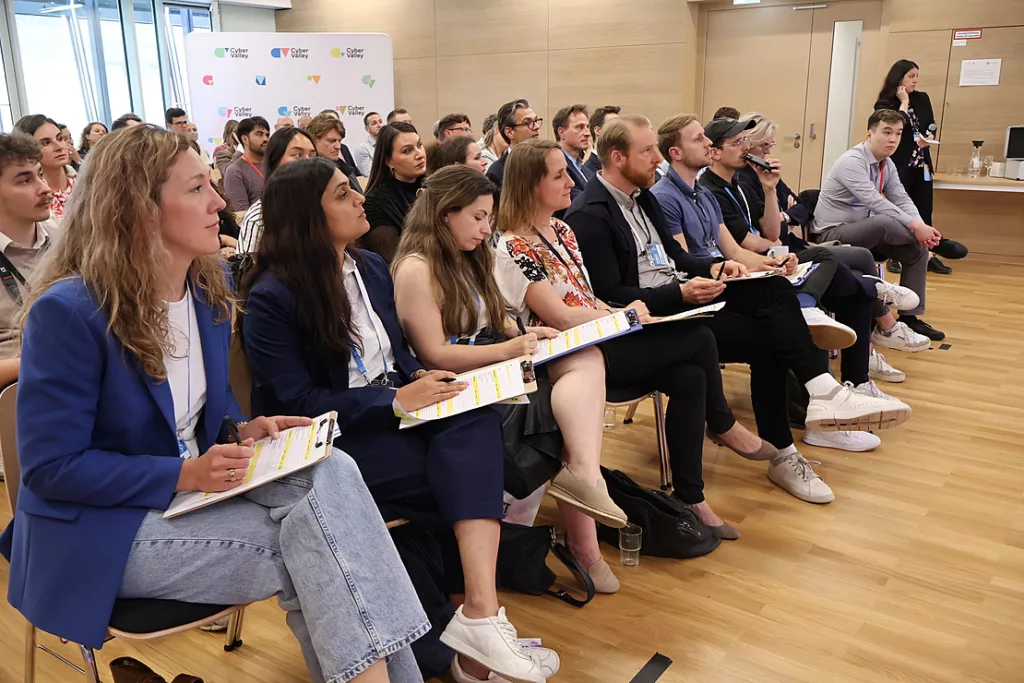
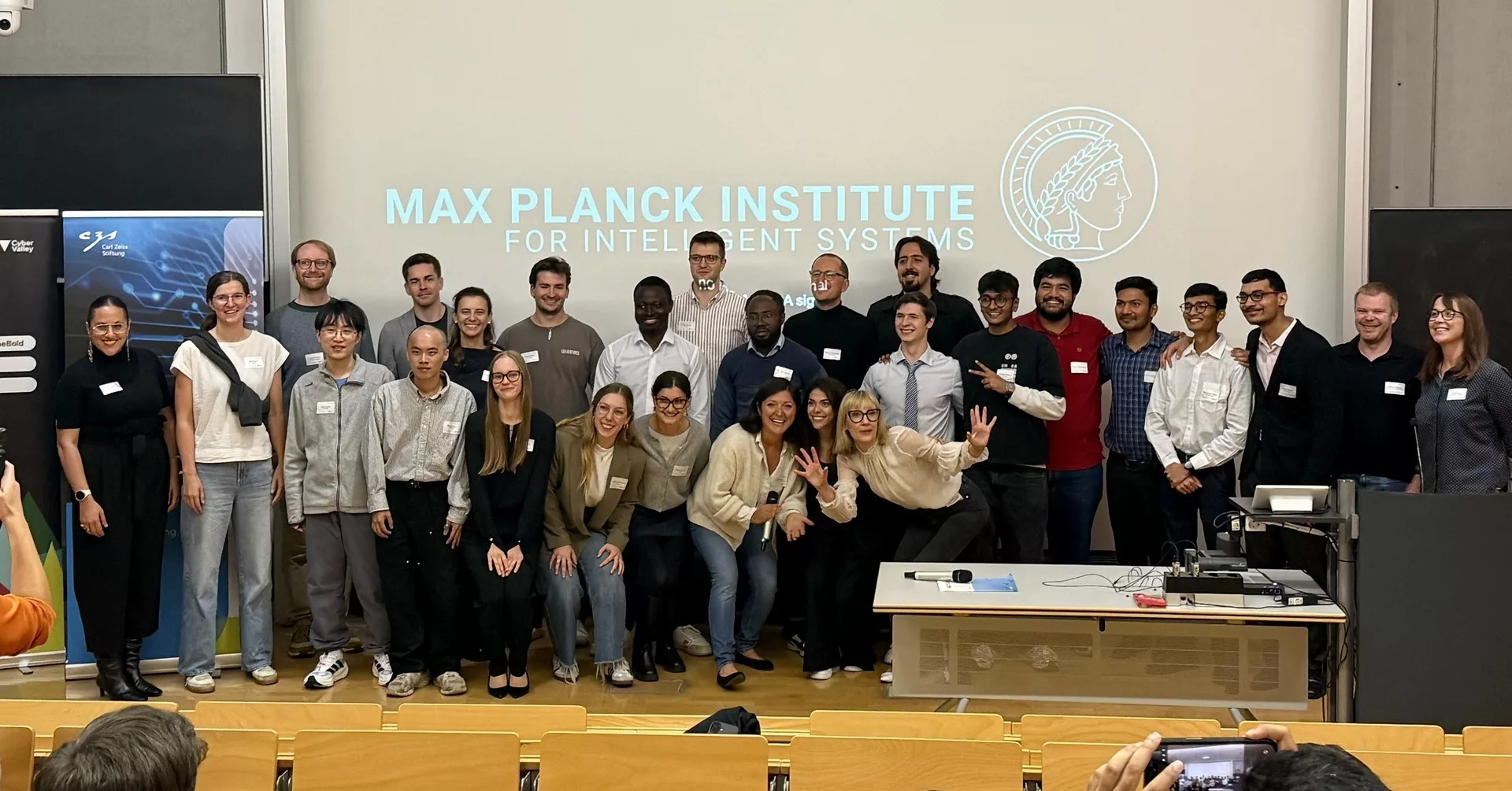
    The Batch #9 of the Cyber Valley AI Incubator concluded successfully with its Demo Day on October 16, where seven emerging AI ventures presented their innovations to an audience of founders, investors, researchers, and members of the AI community. Made possible through the generous funding of the Carl Zeiss Foundation (CSZ), organized by the Max Planck Institute for Intelligent Systems (MPI-IS) and the International Max Planck Research School for Intelligent Systems (IMPRS-IS), the Cyber Valley AI Incubator continues to foster research-driven AI entrepreneurship by helping innovators transform cutting-edge ideas into start-up ventures. 

    Hosted at the MPI-IS in Stuttgart, Demo Day marked the culmination of two weeks of intensive workshops exploring customer needs, business models, funding, prototyping, and pitching. The event opened with welcome remarks from Christoph Keplinger and Leila Masri of the Max Planck Institute for Intelligent Systems (MPI-IS), who reflected on the achievements of batch 9 and the growing impact of the AI Incubator. Lukas Findeisen of the Carl-Zeiss-Stiftung, the program’s principal sponsor, highlighted the foundation’s continued commitment to advancing innovation and research-driven entrepreneurship. 

    A highlight of the evening was the keynote address by Theodora Preda, partner at Plug and Play, who shared insights into the investor mindset and investing dynamics, offering perspectives on how investors assess opportunities, and what founders should understand when approaching the investment landscape.  

    The spotlight then turned to the batch 9 teams, who presented their final venture pitches before an expert jury consisting of: 

    • Christoph Keplinger (Director, Max Planck Institute for Intelligent Systems) 
    • Daisy De Souza Paiva (Senior Program Manager, ZEISS Ventures) 
    • Maximilian Worms (Analyst, LEA Ventures) 

    With all seven teams demonstrating an exceptionally high standard, selecting the winners proved challenging. 

    The following ventures were recognized for their outstanding achievements: 

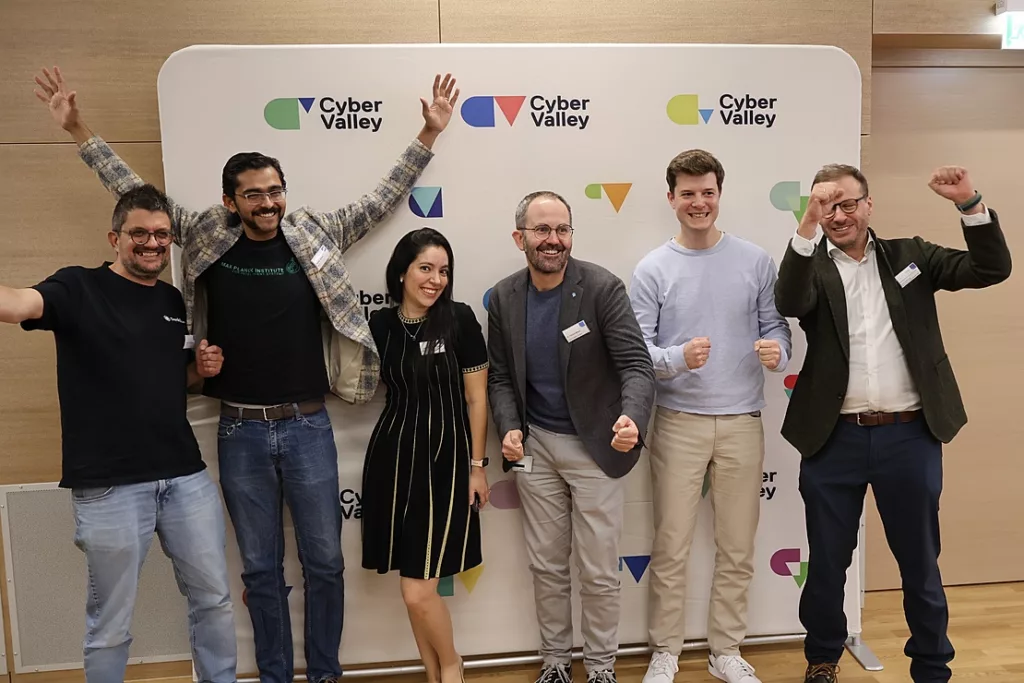
    Best Pitch Award: Voclair, founded by Rustom Firdosh Bhesania, Mehryar Lessani, Deepam Maurya
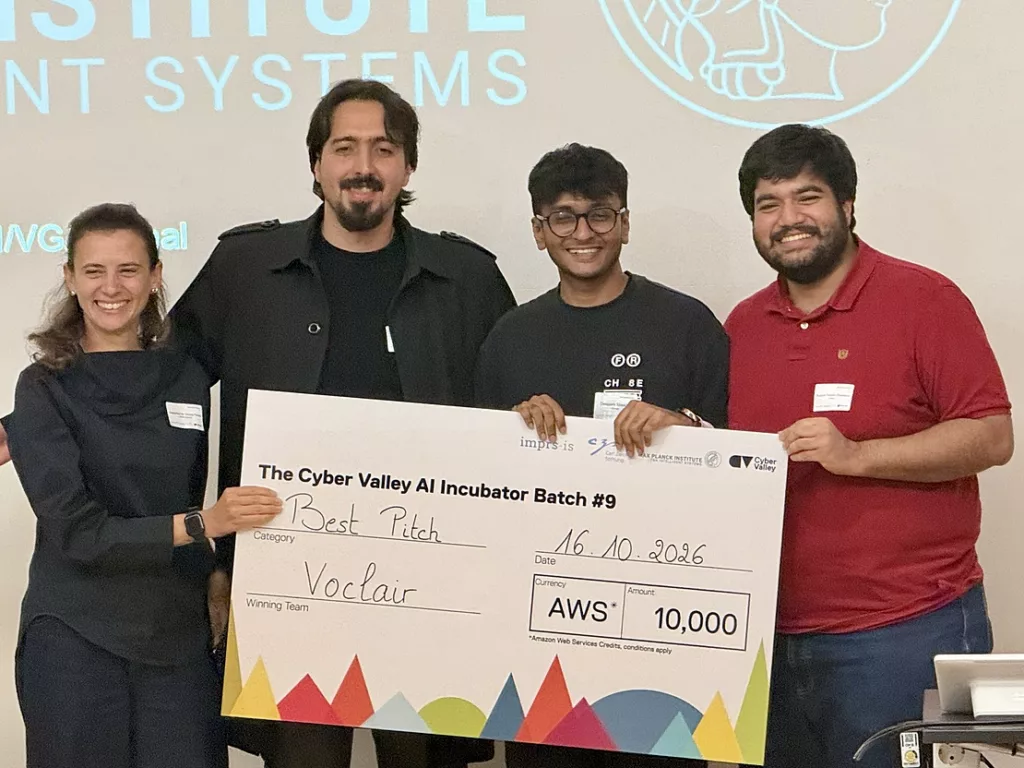
    AI Incubator Demo Day: Best Pitch Award
    Jury member Daisy De Souza Paiva, Founders Mehryar Lessani, Deepam Maurya, Rustom Firdosh Bhesania (from left to right). Copyright: Cyber Valley GmbH

    Best Business Model Award: TANOCRIX, founded by Marta Kriukova, Bolun Liang, Wei-Bo Tang 
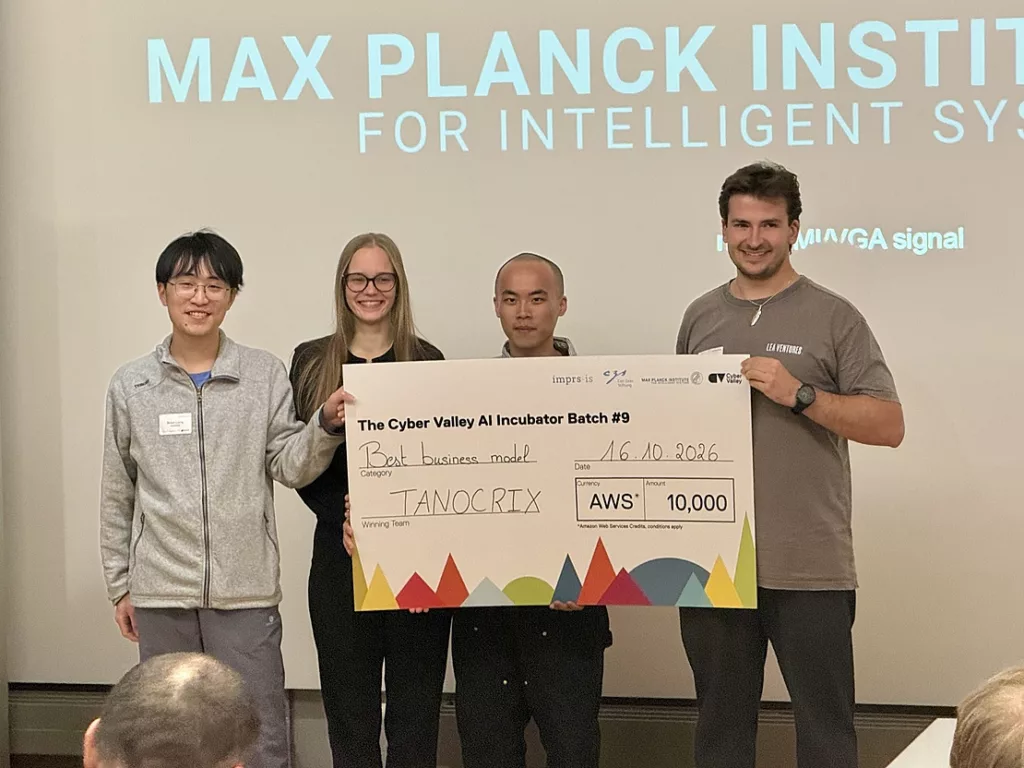
    Cyber Valley AI Incubator Demo Day, Best Business Model Award
    Founders Bolun Liang, Marta Kriukova, Wei-Bo Tang, jury member Maximilian Worms (from left to right). Copyright: Cyber Valley GmbH

    Best use of AI Award: Angel, founded by Melis Ilayda Bal, Stefano Esposito, Michela Petriconi, Marko Zaric
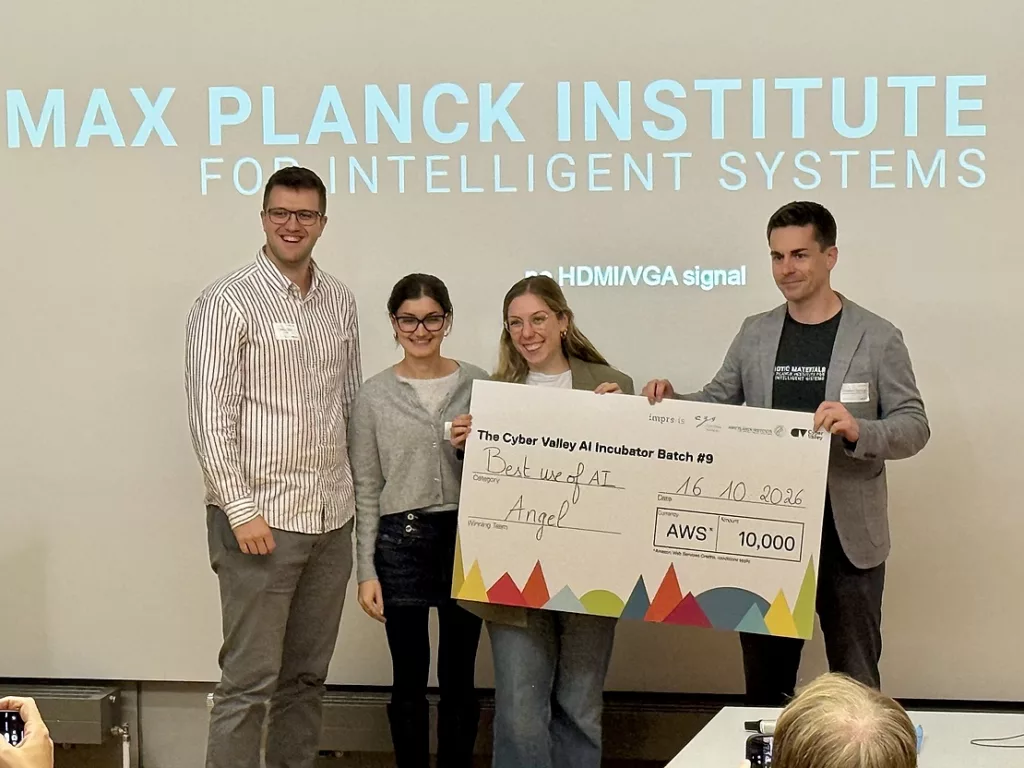
    Cyber Valley AI Incubator Demo Day, Best use of AI Award
    Founders Marko Zaric, Melis Ilayda Bal, Michela Petriconi, jury member Christoph Keplinger (from left to right) Copyright: Cyber Valley GmbH

    Each winning team received $10,000 in AWS Credits, generously provided by Amazon, to support the continued development and scaling of their AI solutions. 

    The evening concluded with a networking reception, providing participants, mentors, investors, and guests with the opportunity to celebrate the achievements of Batch 9 and strengthen connections across the Cyber Valley innovation ecosystem.

    About the Cyber Valley AI Incubator 

    Organized by the International Max Planck Research School for Intelligent Systems (IMPRS-IS) and the Max Planck Institute for Intelligent Systems (MPI-IS), the Cyber Valley AI Incubator continues to play a key role in supporting research-driven entrepreneurship within the Cyber Valley ecosystem. The program is made possible through the generous support of the Carl Zeiss Foundation, whose commitment to advancing innovation and scientific entrepreneurship enables researchers and innovators to bring their AI ideas closer to real-world application. 

    The Cyber Valley AI Incubator is designed to help researchers, engineers, and aspiring entrepreneurs bridge the gap between scientific discovery and startup creation. Open to participants from fields including artificial intelligence, robotics, computer vision, machine learning, biomedical technology, and data science, the program combines entrepreneurial education with mentorship from experienced founders, investors, and innovation experts.


  • Success stories from the Cyber Valley Innovation Campus: July–September 2026

    Success stories from the Cyber Valley Innovation Campus: July–September 2026

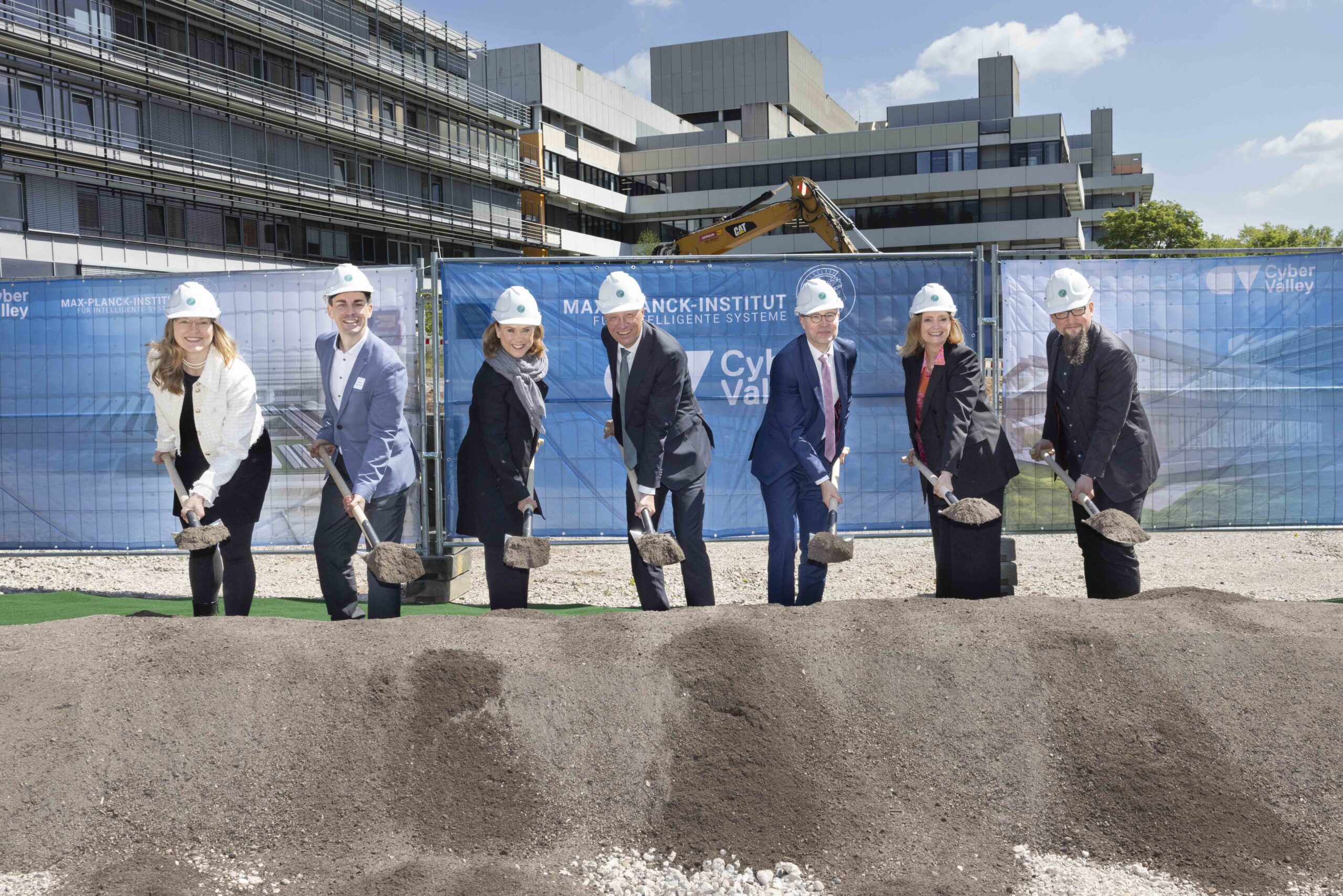
    The Cyber Valley Innovation Campus brings top scientists to Baden-Württemberg to advance AI and robotics research. These scientists are paving the way for the application of their research for the benefit of people, industry, and society.

    Members of the Cyber Valley Innovation Campus include the Max Planck Institute for Intelligent Systems (MPI-IS), Universities of Tübingen and Stuttgart, Fraunhofer IAO and IPA, ELLIS Institute Tübingen, and Karlsruhe Institute for Technology (KIT). As leading research institutions, they have announced the following exciting developments between July and September 2026.

    Frank Allgöwer recognized for outstanding scientific contributions

    The European Control Association (EUCA) and the Asian Control Association (ACA) have welcomed Frank Allgöwer as a fellow, recognizing his outstanding contributions to the field of systems and control engineering. Allgöwer is the first European to become a fellow at the ACA, which is one of the highest honors bestowed by the Asian control engineering community. Read more.

    Jakob Macke and Kashyap Chitta join the ELLIS Institute Tübingen

    Jakob Macke and Kashyap Chitta have joined the ELLIS Institute Tübingen, both as Principal Investigators and Hector Endowed Fellows.

    Macke is already an established figure in the Tübingen machine learning and computational neuroscience ecosystem and will shape the Institute’s research direction. Read more.

    Chitta is an expert in autonomous systems and physical AI, and will lead a new research group: the Physical AI Lab. The group focuses on understanding how machines interact with the physical world. Read more.

    Andrea Iannelli awarded ERC Starting Grant

    The European Research Council (ERC) is providing EUR 1.65 million in funding for Andrea Iannelli’s research project on autonomous systems that can adapt to complex tasks and changing environments while in operation. Gaining a Starting Grant is considered a highly prestigious achievement for early-career researchers in Europe. Read more.

    Marcel Binz joins the Max Planck Institute for Biological Cybernetics

    Marcel Binz has begun his research on a unified theory of human cognition using computational models at the Max Planck Institute for Biological Cybernetics. These models aim to simulate, predict, and explain human behavior in diverse situations.

    Binz’s research examines the central building blocks of human cognition by addressing three challenges: 1) the technical challenge of building such models in the first place; 2) the scientific challenge of using these models to understand human cognition; 3) the applied challenge of translating this into real-world applications. Read more.

    AI Incubator alumni SKAI receives EXIST Startup Grant

    SKAI participated in the Cyber Valley AI Incubator in 2024 to develop a company that applies AI for the cosmetics industry. With the support of the EXIST Startup Grant, the team will be able to focus on developing SKAI and preparing for its launch in the coming months. Read more (German).

    Ontic Labs and Feyer selected for SPRIND’s Next Frontier AI Challenge

    Ontic Labs and Feyer were selected for the first stage of the German Federal Agency for Breakthrough Innovation’s (SPRIND) Next Frontier AI Challenge. The two start-ups are both spin-outs from institutions from the Cyber Valley Innovation Campus, including the ELLIS Institute Tübingen, Max Planck Institute for Intelligent Systems, Tübingen AI Center, and the University of Tübingen. Each team will receive €3 million to develop technologies that go beyond today’s AI models. Read more. 

    Makysm Andriushchenko co-founds Exponential Security Labs

    Makysm Andriushchenko has co-founded the start-up Exponential Security Labs. Andriushchenko is a Principal Investigator at the ELLIS Institute Tübingen and leads the AI Safety and Alignment group.

    The Tübingen-based start-up aims to improve the security and reliability of AI agents. Its work is based on decades of basic research in adversarial robustness and AI safety, showcasing how AI research can be applied to solve real-world problems. Read more.

    EIT awards funding for the C-VENTURE project

    The University of Tübingen has successfully applied for funding from the EIT (European Institute of Innovation and Technology) Higher Education Initiative together with five partner universities and innovation partners. The funding will support the C-VENTURE Project, of which the Tübingen Startup Center is a part. The Project will connect the fragmented initiatives that support entrepreneurship and knowledge transfer from thet different universities into a cohesive system. Read more (German). 

    Stay up to date with the latest news and success stories from Cyber Valley by registering for our email newsletter.

  • Last month at Cyber Valley: September

    Last month at Cyber Valley: September

    There was a lot happening at Cyber Valley last month. Here’s a quick roundup of our highlights from September. Find out how Cyber Valley’s mission to translate excellent research into real-world applications for a better future for everyone came to life.

    Celebrating ten years of the Cyber Valley Innovation Campus: Cyber Valley Day 2026

    On September 9, more than 850 guests came to Tübingen to celebrate a very special milestone: ten years of the Cyber Valley Innovation Campus. Researchers, start-ups, investors, policymakers, partners from industry and society, as well as many other guests gathered for a day full of inspiring talks, surprising keynotes, a research exhibition, start-up presentations, investor sessions, and networking.

    Read the full article about our anniversary event here.

    Cyber Valley Day
    Copyright: Christian Borth

    Welcoming Tech Fellowship journalists from Publix Berlin

    On September 17, we welcomed participants of the Tech Journalism Fellowship from „Publix Berlin – Haus für Journalismus und Öffentlichkeit“ in Tübingen. The group included Fatemeh Khodadadian, Bastian Hosan, Sonja Peteranderl, Jonathan Kemper, and Carina Schroeder, accompanied by Dr. Eva von Grafenstein.

    This year’s fellowship focuses on the topic of “Ethical AI” and brings together journalists from Tagesspiegel Background, DER SPIEGEL, Deutschlandfunk, heise, WIRED, and DIE ZEIT for a year of exploring and reporting on artificial intelligence.

    As part of a week-long visit to Baden-Württemberg to learn about the region’s AI ecosystem, the fellows gained insights into research activities and technology transfer across our Innovation Campus. Our discussions also addressed current developments, open questions, and challenges in AI and robotics.

    TECH_Journalists
    Copyright: Cyber Valley

    Visit of Rotary Club Rottenburg in Tübingen

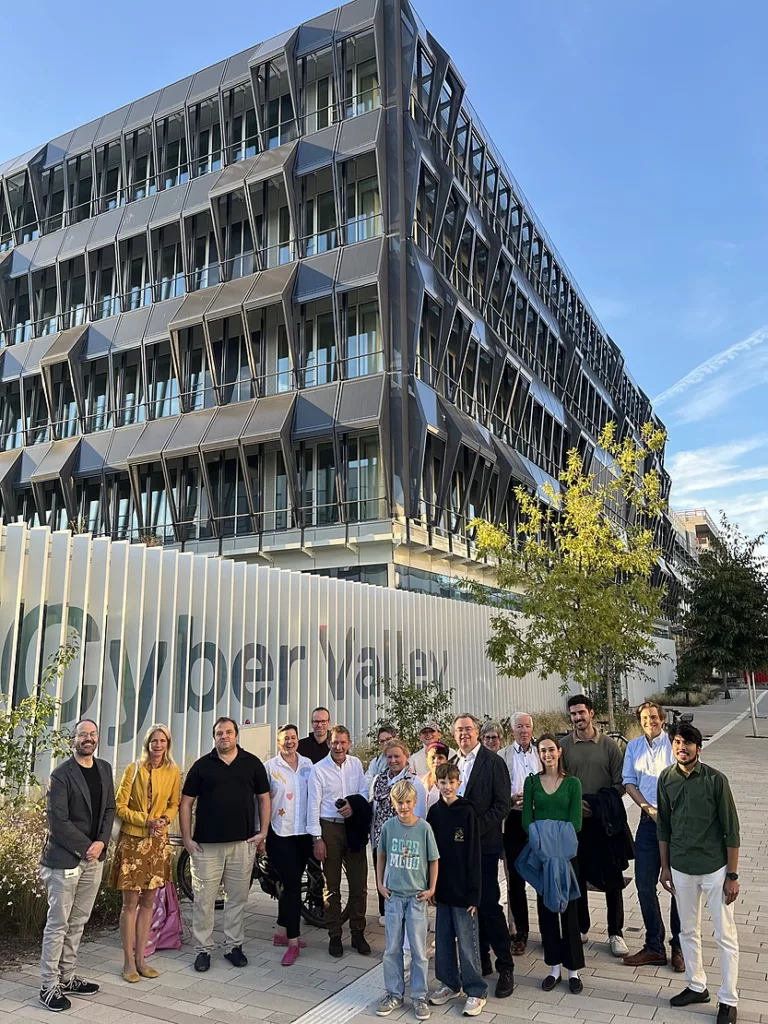
    On September 23, members of the Rotary Club Rottenburg visited our campus in Tübingen for an introduction to our ecosystem and our activities at the intersection of AI, research, and innovation.

    CEO Florian Mayer guided the visitors through the building, offering insights into the history of the campus. Silke Dutz introduced the Innovation Campus, its mission, and its role in advancing AI research and technology in the region.

    The visit was organised by Benjamin Jetter and Melanie Jetter in collaboration with the Rotary Club Rottenburg and provided an opportunity to learn more about Cyber Valley and engage in discussions about the region’s innovation landscape.

    RotaryClub Reutlingen
    Copyright: Cyber Valley

    Co-Hosting event with Marketing Club Neckar-Alb 

    On September 24, Cyber Valley and the Marketing Club Neckar-Alb e.V. co-hosted an evening dedicated to startups, technology, and knowledge transfer in Tübingen.
    Moderated by Christoph Koppensteiner, the event opened with a conversation with our CEO Florian Mayer followed by presentations from four startups from our Start-up Network. The Start-ups introduced their businesses, technologies, and current activities:

    • Maddox AI, represented by Cornelius Widmaier
    • Spotium, represented by Patrick Duffner, who stepped in for Lisa Raab and Nico Raab
    • DenkBox GmbH, represented by Hannes Planatscher
    • MaiTY, represented by Partha Ghosh and Valentina Rodríguez Pasmiño

    A subsequent panel discussion explored emerging technologies, new applications, and the opportunities and challenges AI presents for businesses and society. The evening concluded with networking over food and drinks, providing participants with further opportunities to exchange ideas and establish connections.

    Marketing Club Neckar-Alb e.V.
    Copyright: Cyber Valley

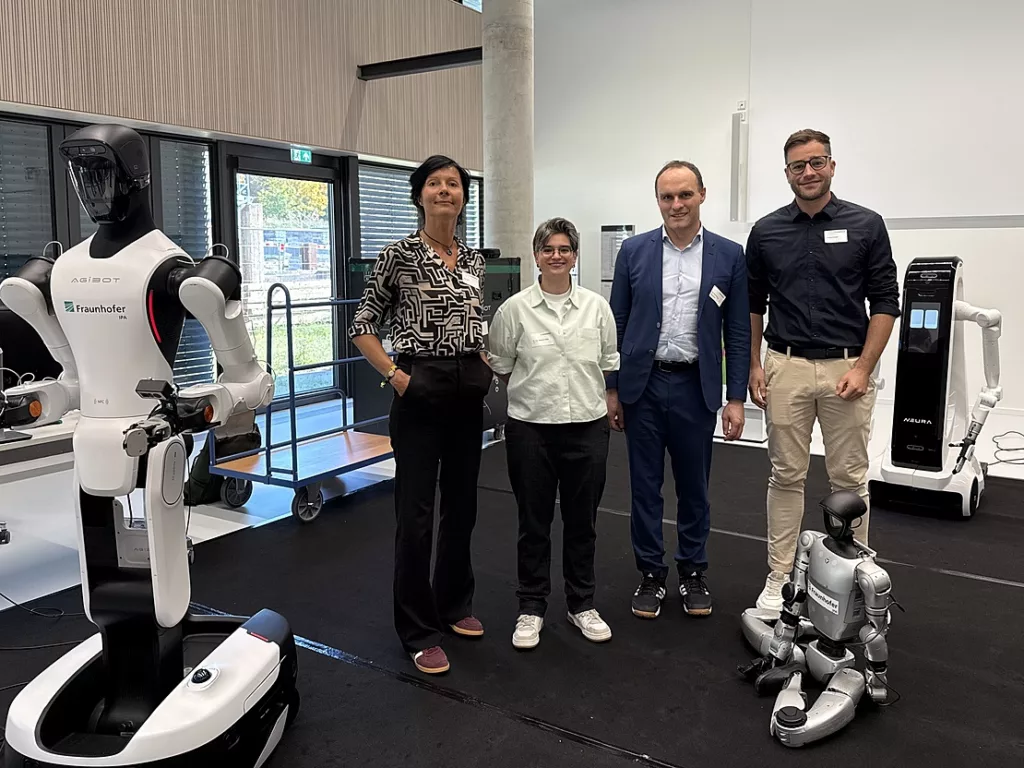
    Open Lab Day at KI-Fortschrittszentrum Stuttgart

    On September 30, we participated in the Open Lab Day of the KI-Fortschrittszentrum in Stuttgart. Organised by Fraunhofer IAO, Fraunhofer IPA, and the Institute of Human Factors and Technology Management (IAT) at the University of Stuttgart, the event welcomed more than 120 participants from industry and research.

    The programme focused on the practical application of AI and robotics, addressing both technological possibilities and regulatory considerations. As a partner of the KI-Fortschrittszentrum, we contributed to the event with a welcome adress and an introduction to our ecosystem and role in advancing AI research and innovation.
    Participants gained insights into a range of current topics, including generative and agentic AI, humanoid robotics, AI compliance, and the EU AI Act. Guided tours of the Reallabor provided hands-on insights into practical applications, featuring demonstrations of AI-based quality inspection, service assistants, humanoid robots, intelligent process control, and AI-supported document processing.

    The event offered a great opportunity for exchange between companies, researchers, and robotics experts, showing the wide range of innovative technologies, research activities, and practical applications developed across our Innovation Campus.

    Open Lab Day of the KI-Fortschrittszentrum
    Copyright: Cyber Valley
  • Last month at Cyber Valley: June

    Last month at Cyber Valley: June

    A lot was happening at Cyber Valley last month. Here’s a quick roundup of our highlights from June. Find out how Cyber Valley’s mission to translate excellent research into real-world applications for a better future for everyone came to life.

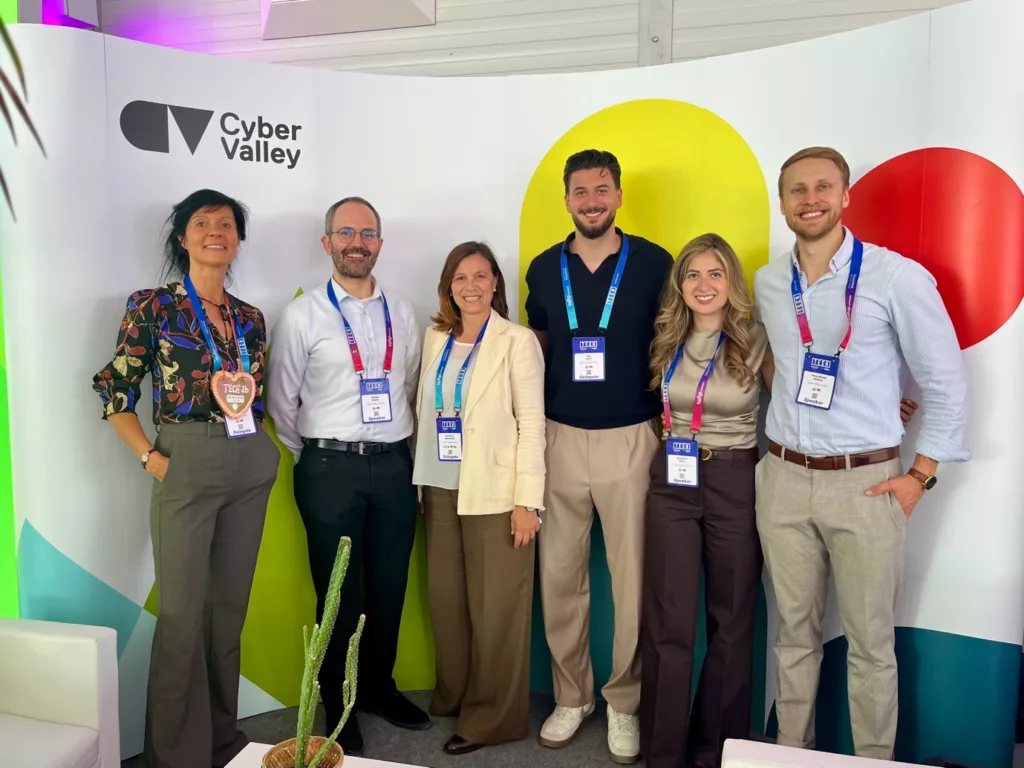
    TECH by Handelsblatt in Heilbronn

    Cyber Valley enjoyed three exciting days at TECH by Handelsblatt in Heilbronn from May 31 to June 2.

    On June 1, our panel “From Research to Business: AI and Robotics Start-ups from Cyber Valley” brought together founders from across the Cyber Valley Start-up Network to show how excellent research is being transformed into innovative products, companies, and technologies.

    A big thank you to our speakers: Laura Neusser (Optocycle), Frederik Wulle (Collectu), Maximilian Bode (Biocompile), Lisa Raab (Spotium), Richard Hans Schreiber (Tabularis.AI), John Achim Holzhauer (Semorai GmbH), Partha Ghosh and Felix Leeb (MaiTY), as well as Anand Waghmare (Yugen Space).

    These start-ups emerged from our academic partner institutions—Max Planck Institute for Intelligent Systems (MPI-IS), Karlsruhe Institute of Technology (KIT), and the Universities of Stuttgart and Tübingen—and exemplify the strength of our ecosystem in turning research excellence into entrepreneurial success.

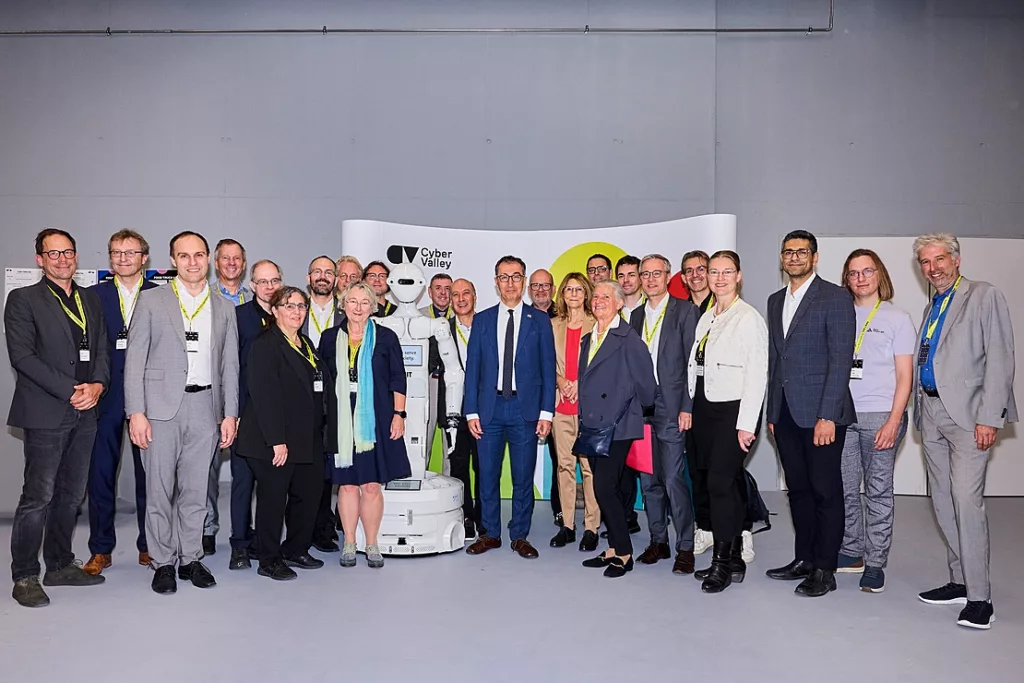
    Another special moment was the visit of Cem Özdemir, Minister President of Baden-Württemberg, Petra Olschowski, State Minister of Science, Research and the Arts of Baden-Württemberg, and Karsten Wildberger, Federal Minister for Digital Transformation and Government Modernization, to the exhibition area, underscoring the growing importance of AI, robotics, and deep-tech innovation for Baden-Württemberg.

    Photo: Cyber Valley

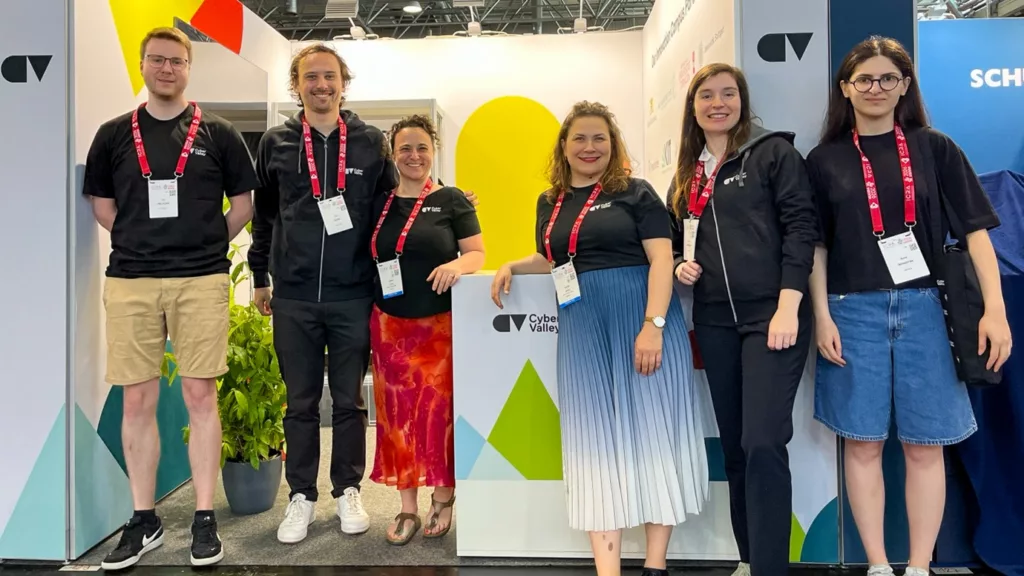
    IEEE International Conference on Robotics and Automation (ICRA) in Vienna

    On June 1–5, Cyber Valley had a fantastic time attending the IEEE International Conference on Robotics and Automation (ICRA) in Vienna for the first time! The conference brought together top researchers, industry leaders, and robotics enthusiasts to share ideas and advance the field of robotics. We enjoyed engaging conversations and connecting with leading AI researchers from the Cyber Valley Community and beyond.

    Through fostering connections with researchers, we’re turning AI and robotics research into real-world applications that will help secure Europe’s technological and economic future.

    Photo: Cyber Valley

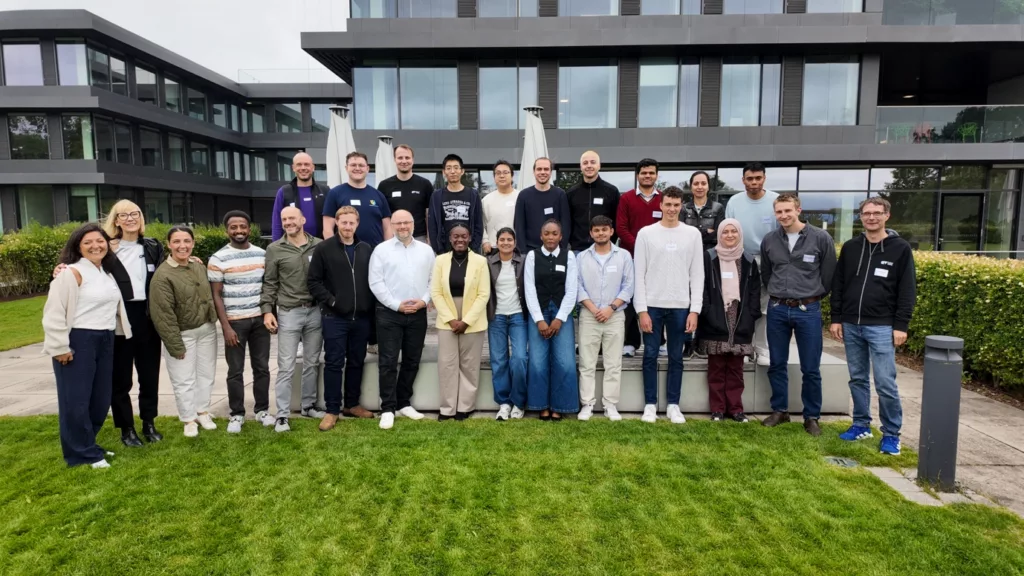
    Cyber Valley AI Incubator Batch #8

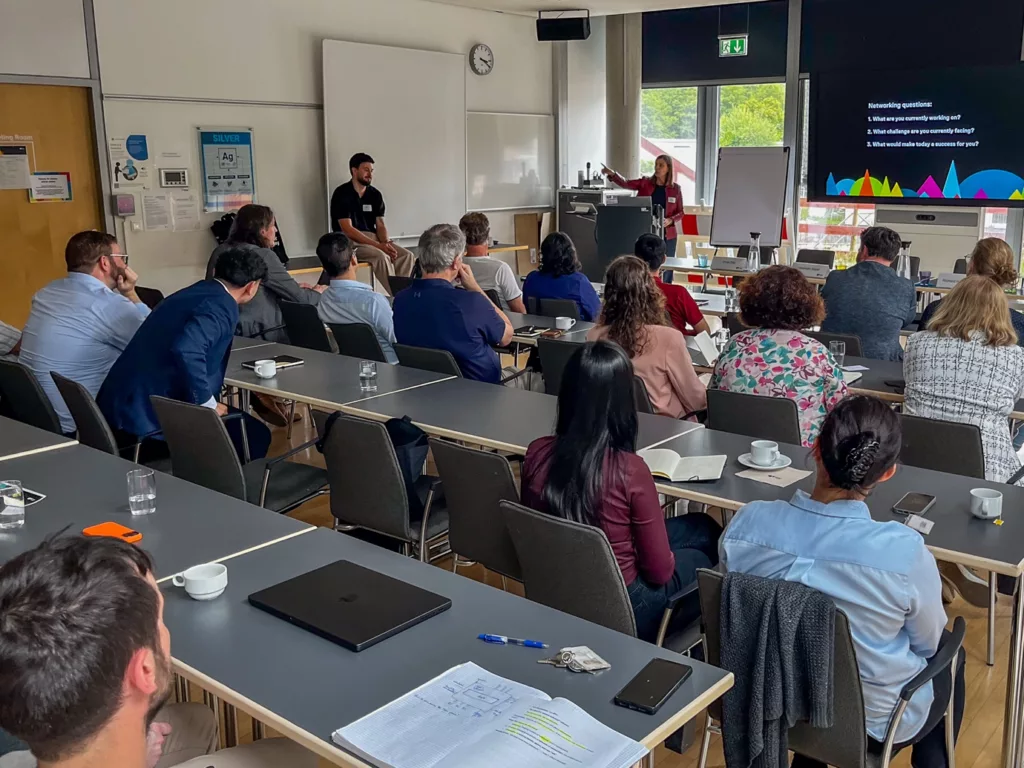
    In June, we welcomed the participants of Batch #8 of the Cyber Valley AI Incubator in Tübingen for the first three days of an exciting multi-week journey.

    Here are some highlights from the first weeks:

    Day 1 opened with a welcome from Leila El Masri (MPI-IS) and Paul-David Bittner (Cyber Valley). Participants explored the public funding landscape with Daniel Heblik (Startup Center Tübingen), sharpened their understanding of customers and business models with Michael Raschke (Blickshift GmbH), and learned how to turn AI ideas into viable ventures using the Business Model Canvas with Jörg Büechl (ESB Business School, Reutlingen University).

    Day 2 brought founder and investor perspectives: Katrin Renz (Physical AI) shared her path from research to start-up, Björn Brenner (NEXTGN) spoke about making investment decisions, and Franziska Ivens (Silicon Allee Venture Lab at Fraunhofer Heinrich Hertz Institute HHI) explored different funding models from lab to market. In the Ask-an-Investor panel, Franziska Ivens, together with Chris Ferle (Bosch Ventures), and Benedikt Battke (Grazia Equity) answered questions on funding, investing, and building scalable start-ups.

    Day 3 brought together legal expertise and entrepreneurial thinking as teams explored how to move responsibly from ideas to prototypes. Thanks to our speakers for guiding the teams:

    • Benjamin Krahmer (DORNKAMP Law Firm) for sharing practical insights on AI regulation and key legal challenges.
    • Kevin Sartori (Auterion) for leading an engaging venture-building workshop, guiding teams in turning ideas into early prototypes.

    The Cyber Valley AI Incubator empowers scientists and entrepreneurs with promising AI ideas to begin their entrepreneurial journey. Over several weeks, participants receive hands-on training, mentoring, and access to leading experts, founders, and investors. Each full-day session focuses on a specific topic—from team building and market analysis to prototyping, business models, and pitching—equipping participants with actionable insights and a growing network.

    The Cyber Valley AI Incubator is funded by the Carl-Zeiss-Stiftung and organized by MPI-IS.

    Photo: MPI-IS

    Campus Tour in Tübingen

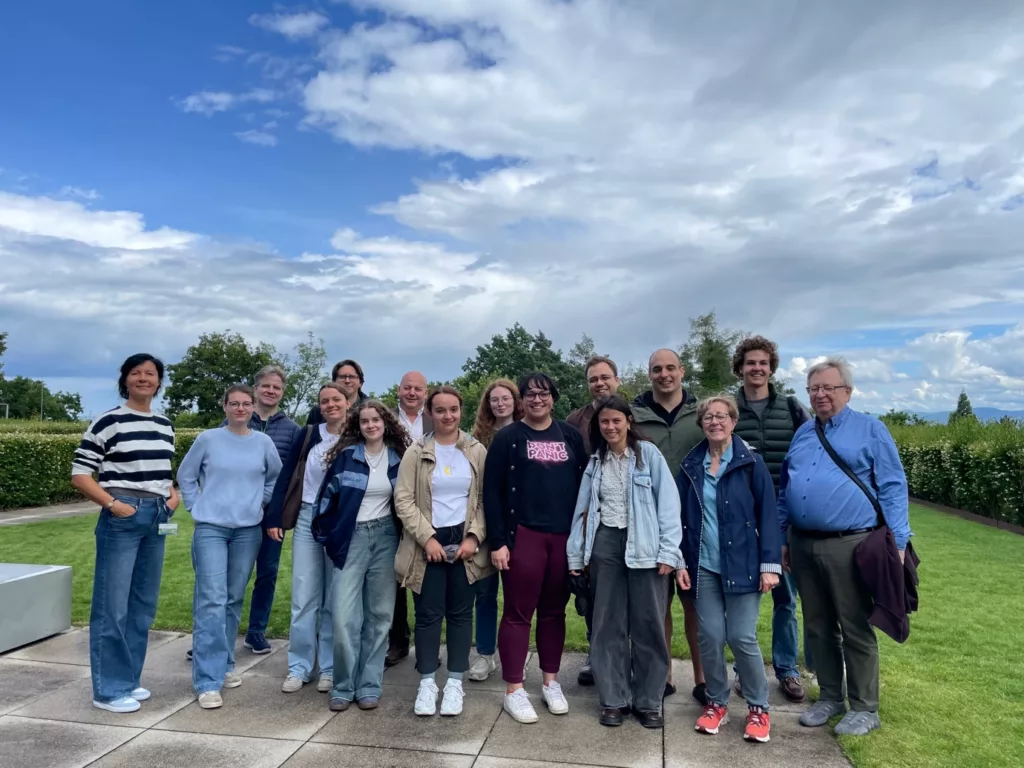
    It was a pleasure to welcome so many interested guests to our Campus Tour in Tübingen on June 11!

    As part of our new Cyber Valley Innovation Campus Tours series, participants get an exclusive behind-the-scenes look at Europe’s largest center for excellence in AI and robotics. In addition to an introductory presentation, guests can join a guided tour of the Campus in Tübingen and learn more about the people, research, and innovation driving the ecosystem.

    At Cyber Valley, our mission is to translate AI and robotics research into real-world solutions that benefit people, industry, and society. Engaging with the public and opening our doors to the community is an important part of that mission.

    The next Campus Tour in Tübingen (held in German) will take place on Thursday, July 16. We look forward to welcoming you! Sign up here. 

    Photo: Cyber Valley

    Cyber Valley Impulse on cybersecurity

    On June 16, the Cyber Valley Impulse on cybersecurity took place in Stuttgart. Experts from science and industry shared insights on applications of intelligent systems in government technology and cybersecurity. Advances in artificial intelligence, machine learning, and data-driven approaches are reshaping public services, digital governance, and cybersecurity, creating new opportunities for secure, efficient, and citizen-centric innovation

    Thanks to our excellent speakers and contributors: Jonas Ditz (Bundesamt für Sicherheit in der Informationstechnik), Maximian Geyer (Fraunhofer IPA), Mirko Tochtermann (oneAI GmbH), Richard Hans Schreiber (Tabularis.AI), and Aleksandar Hudic (Schwarz Digits).

    The next Impulse on agriculture, sustainability, and the environment will take place on July 8 in Weinstadt. You can find out more here.

    Photo: Cyber Valley

    Open Science Day at University of Stuttgart

    On Saturday June 27, we had a great time at the University of Stuttgart’s Science Day on the Vaihingen Campus!

    We enjoyed welcoming so many curious visitors to our booth and sharing insights into AI research, innovation, and the Cyber Valley Innovation Campus. A special thank you to IRIS (Interchange Forum for Reflecting on Intelligent Systems) at the University of Stuttgart for organizing our joint booth and creating a great space for conversations about both AI innovation and its societal impact.

    Photo: Cyber Valley
  • Last month at Cyber Valley: May

    Last month at Cyber Valley: May

    There was a lot happening at Cyber Valley last month. Here’s a quick roundup of our highlights. Find out how Cyber Valley’s mission to translate excellent research into real-world applications for a better future for everyone came to life.
     

    AI Launchpad at Cyber Valley

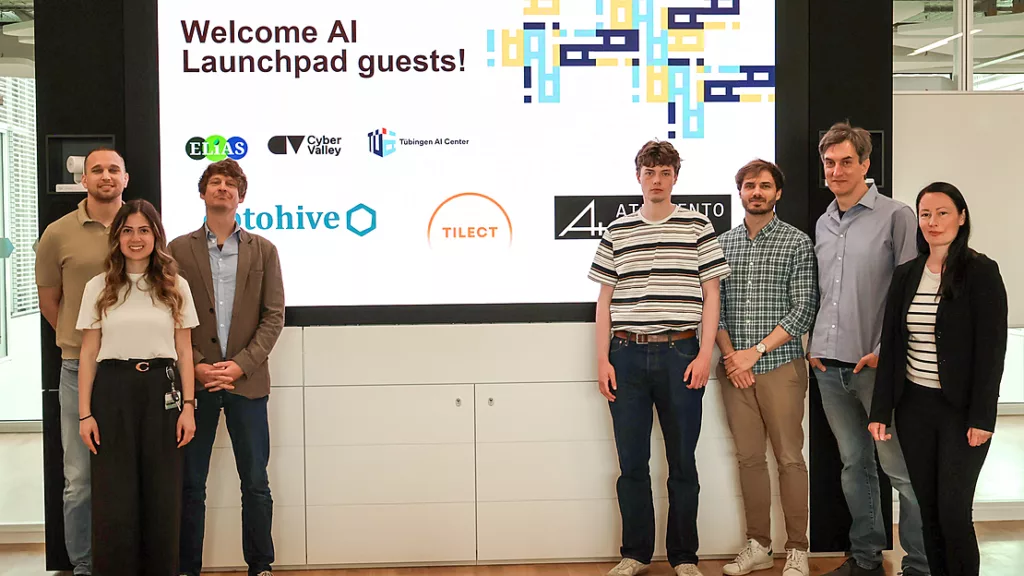
    The AI Launchpad took place at Cyber Valley’s Tübingen campus for the first time on 4–8 May, bringing together early-stage AI start-ups from leading European innovation ecosystems for a week of mentoring, networking, and ecosystem exploration. Born out of Rise Europe and co-organized by ELIAS (European Lighthouse of AI for Sustainability), Tübingen AI Center, and Cyber Valley GmbH, the program supports AI start-ups as they grow from research into scalable, market-ready ventures. 

    We welcomed Joao Santos (Tilect, Campus Founders), Marc Willhaus (Optohive, ETH Zurich), and Olof Woxenius (Atramen.to, KTH Innovation) to Tübingen. The goal of the week was to connect these start-ups with research institutions, scientists, corporates, and investors within the Cyber Valley ecosystem.

    Read more about it here.

    Photo: Cyber Valley

    Next Frontier AI Roadshow from SPRIND

    Following stops in Zurich, Warsaw, and Amsterdam, the Next Frontier AI Roadshow from SPRIND – Bundesagentur für Sprunginnovationen made its final stop at Cyber Valley in Tübingen on May 8, and what a way to close! Over 60 entrepreneurs and scientists gathered to explore breakthrough AI innovation. 

    Participants gained valuable insights into emerging AI technologies, entrepreneurial pathways, and the challenges and opportunities that lie ahead for Europe’s innovation landscape. The event provided a platform for meaningful exchange between leading scientists and founders, fostering new connections and potential collaborations across disciplines. 

    The strong turnout and engaging discussions once again demonstrated the unique strength of Cyber Valley’s ecosystem. By bringing together world-class research, entrepreneurial talent, and industry expertise, Cyber Valley continues to create an environment where pioneering AI ideas can be translated into real-world applications and societal impact.

    Photo: Cyber Valley

    Max Planck Open House in Tübingen

    We were pleased to take part in the Max Planck Open House on Saturday, May 9, welcoming visitors to the Tübingen campus for a behind-the-scenes look at world-class research in AI, robotics, biology, and neuroscience. 

    Guests explored interactive exhibits and demonstrations at the Max Planck Institute for Intelligent Systems, the Max Planck Institute for Biological Cybernetics, and the Max Planck Institute for Biology Tübingen together with the Friedrich Miescher Laboratory. Researchers shared insights into their work and showed how fundamental science is shaping the technologies of tomorrow. 

    Together with the ELLIS Institute Tübingen, ELLIS Network, the Tübingen AI Center, polybot, and Yugen Space, we showed the strength of Tübingen’s innovation ecosystem, where excellent research and entrepreneurial thinking come together to advance AI and robotics in Baden-Württemberg.

    Photo: Cyber Valley

    Delegation visit from Opportunity Austin, Texas

    As part of Cyber Valley’s efforts to strengthen international connections and support start-up growth, we met with Drew Chance, Vice President of Economic Development at Opportunity Austin and a local real estate investor on May 13 in Tübingen to discuss opportunities for companies looking to expand into the US market. 

    Opportunity Austin is a privately funded non-profit organization dedicated to attracting and supporting businesses in the Austin region. Working closely with local government, universities, and industry partners, the organization helps companies establish a presence in one of the fastest-growing technology hubs in the United States. 

    During the meeting, we learned about several programs designed to support international start-ups, including soft-landing opportunities that can help companies navigate their first months in Austin. These initiatives are aimed at reducing barriers to market entry and accelerating business development in the region. The meeting opened up promising opportunities for future collaboration and provided an additional pathway for Cyber Valley start-ups considering expansion into the US market. 

    Photo: Cyber Valley

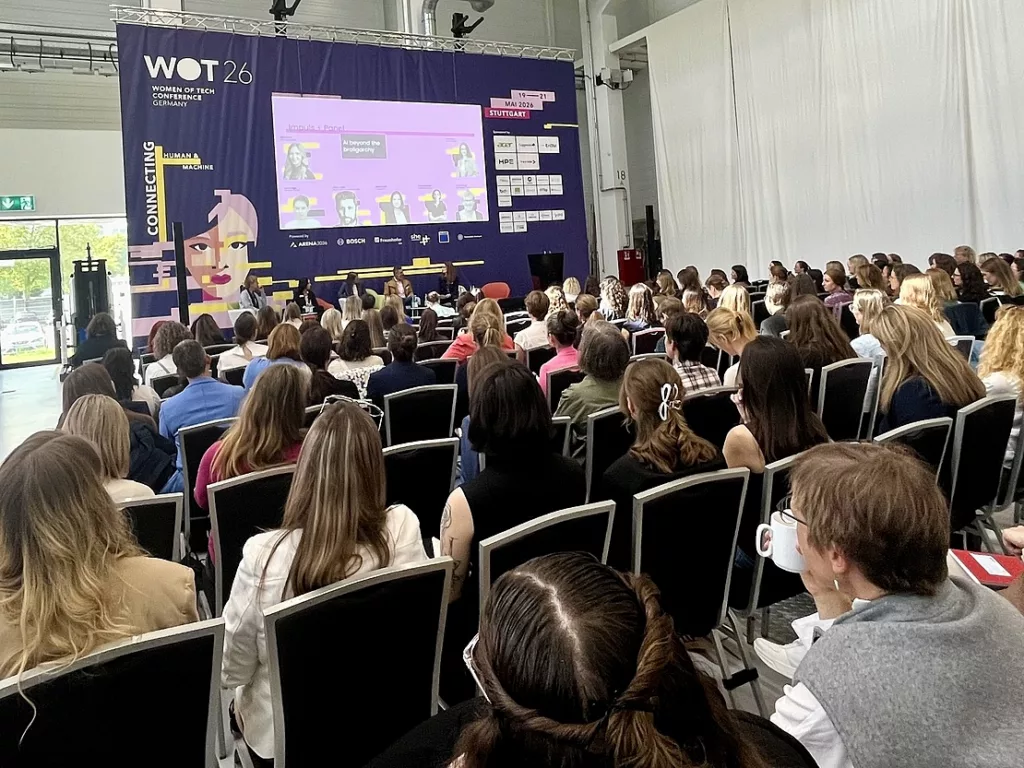
    WOMEN OF TECH CONFERENCE 2026 at ARENA2036 in Stuttgart

    Cyber Valley attended the WOMEN OF TECH CONFERENCE 2026 at ARENA2036 in Stuttgart on May 21, an inspiring event that highlighted both the progress made toward greater diversity in technology and the work that still lies ahead.

    Women continue to be underrepresented in many areas of technology, AI, and leadership. Events like the WOMEN OF TECH Conference play an important role in addressing this challenge by creating visibility, fostering meaningful connections, and strengthening professional networks that support women throughout their careers. 

    Day 2 featured engaging discussions on leadership, emotional intelligence, collaboration, AI, and the future of work. Cyber Valley joined the event to connect with inspiring women across the tech ecosystem and to identify potential speakers for future Cyber Valley events and initiatives. The enthusiasm, openness, and willingness to share experiences made for a particularly inspiring atmosphere.

    Photo: Cyber Valley

    IP2Invest from Medical Innovations Incubator GmbH at Cyber Valley

    On May 21, Cyber Valley was proud to support IP2Invest, an inspiring event from Medical Innovations Incubator GmbH that brought together startups, investors, IP experts, and innovation ecosystem partners for an evening of insightful discussions, valuable networking, and entrepreneurial inspiration. 

    A key focus of the event was the role of intellectual property in building successful and investor-ready start-ups. Through expert panel discussions and practical insights, participants gained a deeper understanding of how strong IP strategies can support growth, attract investment, and create long-term value. 

    The event also featured the „Startup BW Elevator Pitch“, where innovative start-ups presented their ideas to a panel of experts and a live audience. Congratulations to OSORA Medical GmbH, which secured first place, as well as QuantiLight and Medora Care, who shared second place, and PediOx, which received third place. 

    Cyber Valley is committed to fostering connections between research, entrepreneurship, and industry. Events like IP2Invest play an important role in helping innovative ideas move from the laboratory to the marketplace. By bringing together founders, investors, and experts, the event created a valuable platform for knowledge exchange and future collaboration.

    Photo: Cyber Valley
  • Kyutai and ELLIS Tübingen launch KE:SAI

    Kyutai and ELLIS Tübingen launch KE:SAI

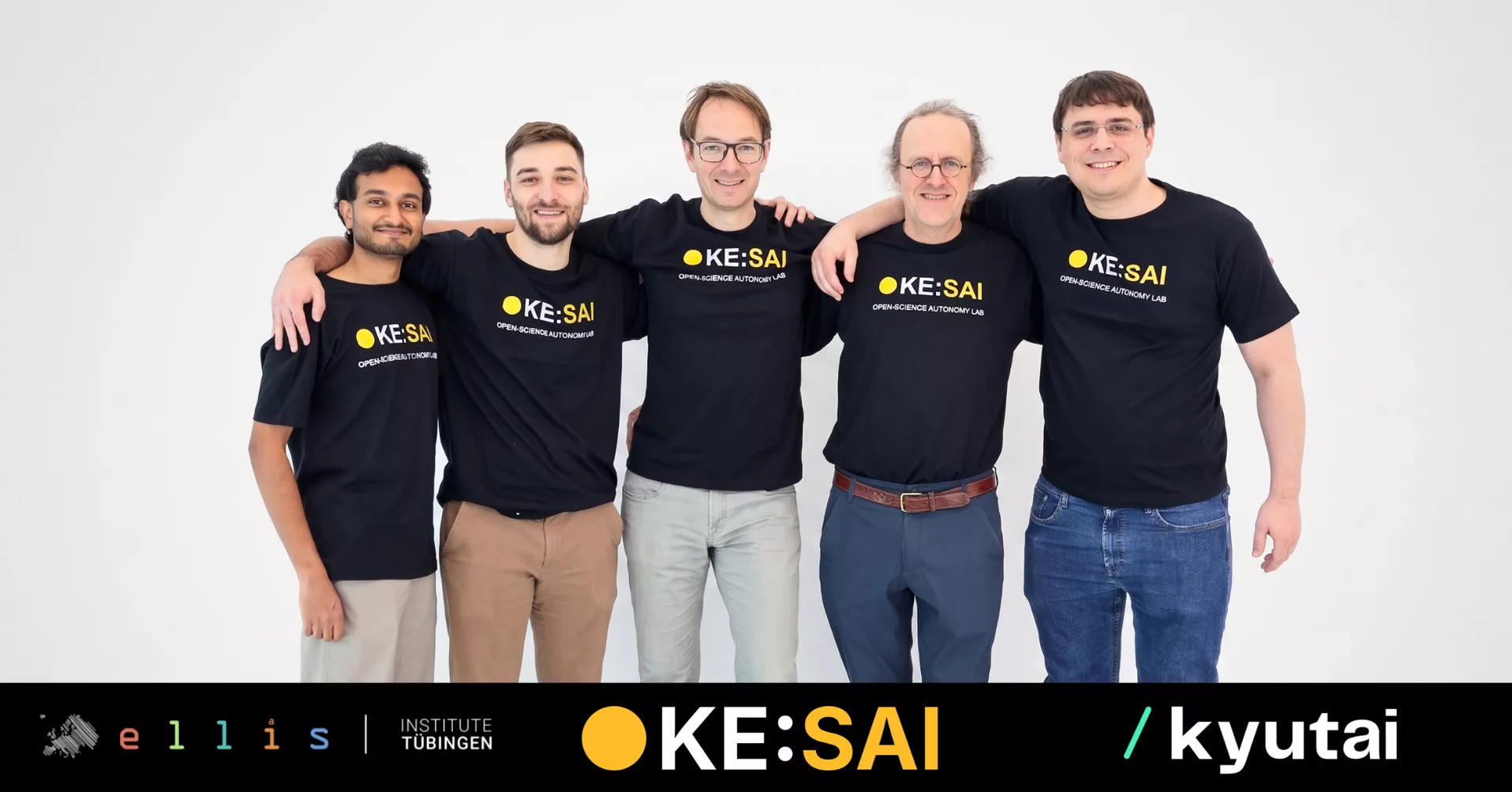
    TÜBINGEN, Germany and PARIS, France—May 20, 2026. Kyutai and ELLIS Tübingen announce the official launch of KE:SAI—Kyutai ELLIS Scalable Autonomous Intelligence. KE:SAI is a non-profit open science research laboratory dedicated to the next frontier of artificial intelligence: systems that can understand and act in the real world.
     

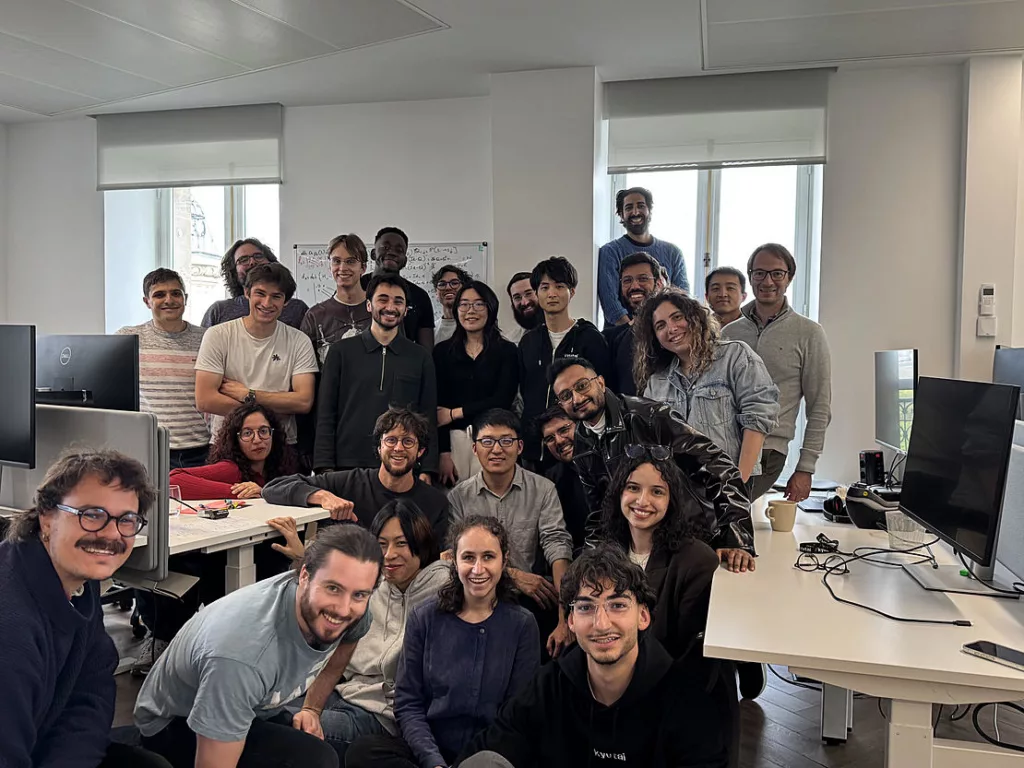
    KE:SAI brings together two of Europe’s most prominent AI brands to address the fundamental challenges of world models and physical AI. Founded in Paris in 2023, Kyutai has emerged as one of Europe’s leading AI laboratories, with a focus on breakthrough research with immediate and lasting impact, and a team driven by a shared commitment to openness and excellence. It was originally funded by the iliad Group, CMA CGM and Eric and Wendy Schmidt’s philanthropy.

    The ELLIS Institute Tübingen has established itself as a leading center for foundational AI research, attracting top machine learning talent and providing state-of-the-art facilities in Tübingen, Germany. Funded by the Hector Foundation and the State of Baden-Württemberg, and collaborating closely with the Max Planck Institute for Intelligent Systems and the University of Tübingen, it is part of the European Laboratory for Learning and Intelligent Systems, a pan-European network of excellence in machine learning.

    © KE:SAI

    KE:SAI has offices in Tübingen and Paris. It provides the specialized resources necessary to conduct world-class frontier research in physical intelligence, including high-performance compute infrastructure and hardware prototyping. By integrating foundational open research and the agility of modern startups, KE:SAI will develop a fully open technology stack for physical AI. Unlike related areas of AI, where sharing of algorithms and models triggered an explosion of innovation, physical AI has yet to benefit from this flywheel. KE:SAI’s mission is to accelerate this transition and democratize physical AI. With Europe’s ecosystem of global automotive and manufacturing leaders, KE:SAI’s open science approach will rapidly translate to real-world industrial scale, establishing itself at the forefront of open-source physical AI.

    Cem Özdemir, Minister-President of Baden-Württemberg, says: “I am delighted that Kyutai, the internationally renowned AI research lab based in Paris, is now setting up shop in our AI ecosystem in Tübingen. We extend a warm welcome to them! Bienvenue and welcome. Kyutai’s establishment in Tübingen demonstrates that Baden-Württemberg is at the heart of European AI research. In Tübingen, brilliant minds meet first-class infrastructure. In addition to the Cyber Valley Innovation Campus, with the ELLIS Institute, the Max Planck Institute, and the participating universities, our innovation landscape includes other powerhouses such as the IPAI in Heilbronn or the AI Factory HammerHAI, to name just a few highlights. With the new KE:SAI research lab, top-tier talent is now advancing outstanding research excellence in the fields of 3D computer vision, data-driven simulation, causality, and physical AI. Kyutai and Baden-Württemberg are focusing on scientific excellence to enable world-leading AI research with the goal of achieving Europe’s digital sovereignty. I thank everyone involved who contributed to this success.”

    Read the full press release here.

  • Last month at Cyber Valley

    Last month at Cyber Valley

    There was a lot happening at Cyber Valley last month: here’s a quick roundup of our highlights. Read on to discover how Cyber Valley is translating excellent research into real-world applications for a better future for everyone. 

    Cyber Valley at VENTURE SPRIND 2026 

    On April 14, Cyber Valley hosted a session at VENTURE SPRIND 2026 at the Futurium in Berlin. 

    The session explored how the Cyber Valley ecosystem, together with the Federal Agency for Breakthrough Innovation (SPRIN-D), supports the transition from research to market. Scientists and founders who have experienced this journey shared practical insights into what makes research transfer successful. The discussion highlighted key elements such as strong ecosystem support, effective funding structures, and the shift from research to building a company. 

    Many thanks to Alex Diehl (Senior Advisor at Cyber Valley GmbH), Martin Kiefel (Co-founder of polybot), and Wieland Brendel (University of Tübingen, ELLS Institute Tübingen, and Co-founder of polybot) for their contributions. 

    Exchange with FastCode AI Labs 

    On April 20, Arjun Jain, founder of FastCode AI Labs, visited Cyber Valley in Tübingen to discuss potential collaboration. 

    FastCode AI Labs helps organizations harness AI to transform how they innovate, operate, and compete from research to real-world deployment. Now registered in Baden-Württemberg, FastCode AI Labs is applying to join the Cyber Valley Start-up Network. Thank you for the visit. We look forward to welcoming you to the network! 

    Delegation visit from JTC Singapore 

    On April 23, we welcomed a delegation from JTC Corporation to Cyber Valley in Stuttgart. The corporation is Singapore’s master developer behind the Jurong Innovation District (JID), the country’s leading advanced manufacturing hub. 

    The delegation, including Christine Wong (Assistant CEO, Cluster Group), Lim Junwei (Director, Industrial Estates (North) Cluster), and Jessica Chen (Manager, Precision Engineering Department), received an overview of the regional ecosystem. With JTC’s network of around 700 start-ups and Cyber Valley’s network of more than 100, there is strong potential for collaboration, including a possible joint exchange initiative. 

    Spektrum der Wissenschaft readers visit  

    On April 24, we had the pleasure of welcoming readers from “Spektrum der Wissenschaft” at Cyber Valley in Tübingen. 

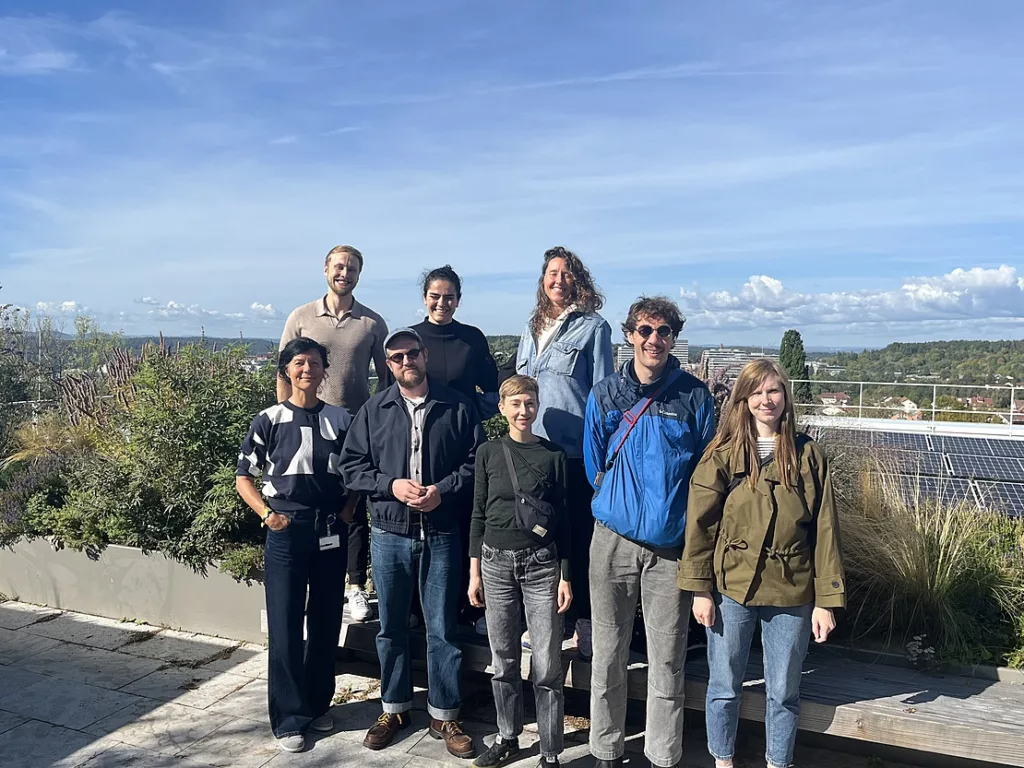
    Organized by the Max Planck Institute for Biological Cybernetics, guests enjoyed neuroscientific talks and lab visits. Moreover, they got a glimpse into one of Europe’s leading centers for AI and modern robotics, showing them how excellent research can be transferred into real-world applications that benefit society. After an introduction to the Cyber Valley Innovation Campus, there was plenty of time for questions and the chance to enjoy the view of the Swabian Alb from our roof terrace. Thanks for the visit and the lively discussions! 

    Cyber Valley Impulse on health and life sciences 

    On April 28, the Cyber Valley Impulse on health and life sciences took place in Tübingen. Experts from science and industry shared insights on how AI-driven technologies can enhance healthcare, biomedical research, and life-science applications. 

    Thanks to our excellent speakers and contributors: Katja Mombaur (High Performance Humanoid Technologies (H2T), Institute for Anthropomatics and Robotics (IAR), Karlsruher Institut für Technologie (KIT)), Max B. Schäfer (Institut für Medizingerätetechnik, Universität Stuttgart), Andrea Leibfried (Health + Life Science Alliance Heidelberg Mannheim), Yannick Sauer (Carl Zeiss Vision International GmbH), Christian M. Schürch; (Vicinity Bio GmbH), and Klara Altintoprak (BioRegio STERN Management GmbH).

    The next Impulse on govtech and cyber security will happen on June 16 in Karlsruhe. Registration will open in early June. Find out more.

  • 75 doctoral students join the Cyber Valley Innovation Campus

    75 doctoral students join the Cyber Valley Innovation Campus

    The International Max Planck Research School for Intelligent Systems (IMPRS-IS) has officially concluded its 2025 recruitment round, welcoming 75 new scholars to its esteemed doctoral program. Representing 21 nationalities, the incoming class is the ninth generation of researchers to join the school, reinforcing IMPRS-IS’s position as a hub for global talent in the field of intelligent systems.

    This year’s recruitment process drew remarkable interest, with 888 completed applications submitted from over 70 countries. Following an intensive multi-stage evaluation process involving 128 scientific reviewers, more than 200 candidates were invited to a dynamic nine-day interview symposium. The event featured research presentations, in-depth interviews, and a keynote address by Professor Georg Martius, providing candidates and faculty with an opportunity to connect and collaborate on cutting-edge ideas.

    The selected cohort reflects IMPRS-IS’s ongoing commitment to diversity and inclusion, with 32% of the new scholars identifying as female. The program emphasizes scientific excellence, interdisciplinary collaboration, and global perspectives in advancing the frontiers of machine learning, robotics, computer vision, and related fields.

    The new scholars are expected to contribute to the vibrant research environment across the Max Planck Institute for Intelligent Systems and its partner institutions, including the University of Tübingen and the University of Stuttgart.

    As the new academic year begins, IMPRS-IS looks forward to the fresh perspectives and innovative work this incoming class will bring to the community.

  • Spiegel Spezial: Cyber Valley in the Neckar Valley

    Spiegel Spezial: Cyber Valley in the Neckar Valley

    Despite certain challenges such as limited venture capital and data availability, Germany benefits from renowned research institutions and the necessary computing power to train AI models. However, to fully capitalize on AI's economic and productivity benefits, the country must focus more on practical applications of the technology. 

    Cyber Valley Public Outreach Manager, Laura Neusser, expresses her personal impression: “Of course, the general tone of the question whether Europe can keep up with the US in AI is a bit tricky, but all interview partners explain the amazing opportunities that can be found in this region." At the end of the article, one sentence summarizes this very well:

    Whether Germany will catch up with the rapid AI development in the USA has yet to be determined. The local AI scene is certainly not lacking in enthusiasm and willingness to innovate.

    Illustrating the vibrancy of Germany’s AI landscape, this quote further highlights the groundbreaking innovations emerging from the region within the Cyber Valley Community: 

    An innovative AI scene is emerging in Germany: the Cyber Valley in the Neckar Valley. Artificial intelligence is conquering the world, and start-ups in Baden-Württemberg are striving to compete in the global market. They are developing remote-controlled heart catheters, AI-generated film music, and agricultural robots.


    The Cyber Valley Community

    The article puts the spotlight on the following:

    Meshcapade 
    Max Planck Institute for Intelligent Systems 
    Tübingen AI Center 
    SPRIND – Bundesagentur für Sprunginnovationen 
    OSORA medical GmbH 
    EndoSurge 
    Max Planck Society 
    Mirelo AI 
    Maddox AI 
    Fraunhofer IPA 
    Fraunhofer IAO 
    KI-Fortschrittszentrum 
    Polybot 

    Check out the article online, or pick up a copy of the January print edition of the Spiegel Spezial at your local store.