



Cyber Valley research groups are a core part of Cyber Valley, supporting outstanding early-career scientists in artificial intelligence, machine learning, and robotics. The groups are hosted by leading research institutions, including the Max Planck Institute for Intelligent Systems, the University of Stuttgart, and the University of Tübingen.
The first Cyber Valley research group leaders were recruited in 2017 through a joint international recruitment symposium involving all Cyber Valley founding partners. The selected researchers began establishing their groups in 2018. These positions were funded for an initial five-year term by Cyber Valley partners and supporting foundations.
Cyber Valley research groups are designed to support promising researchers at an early stage of their careers and to strengthen research in artificial intelligence in Europe. Many former group leaders have since moved on to tenured faculty positions at leading universities in Europe and North America.
At the end of 2025, three new independent Cyber Valley research groups were established. Another one will follow in 2026.
-
Research Group
Mechanics for Intelligent Structures
Renate Sachse joined the MPI-IS Stuttgart on January 1, 2026, to lead the Mechanics for Intelligent Structures group. The group develops computational methods for designing intelligent structures… read more
-
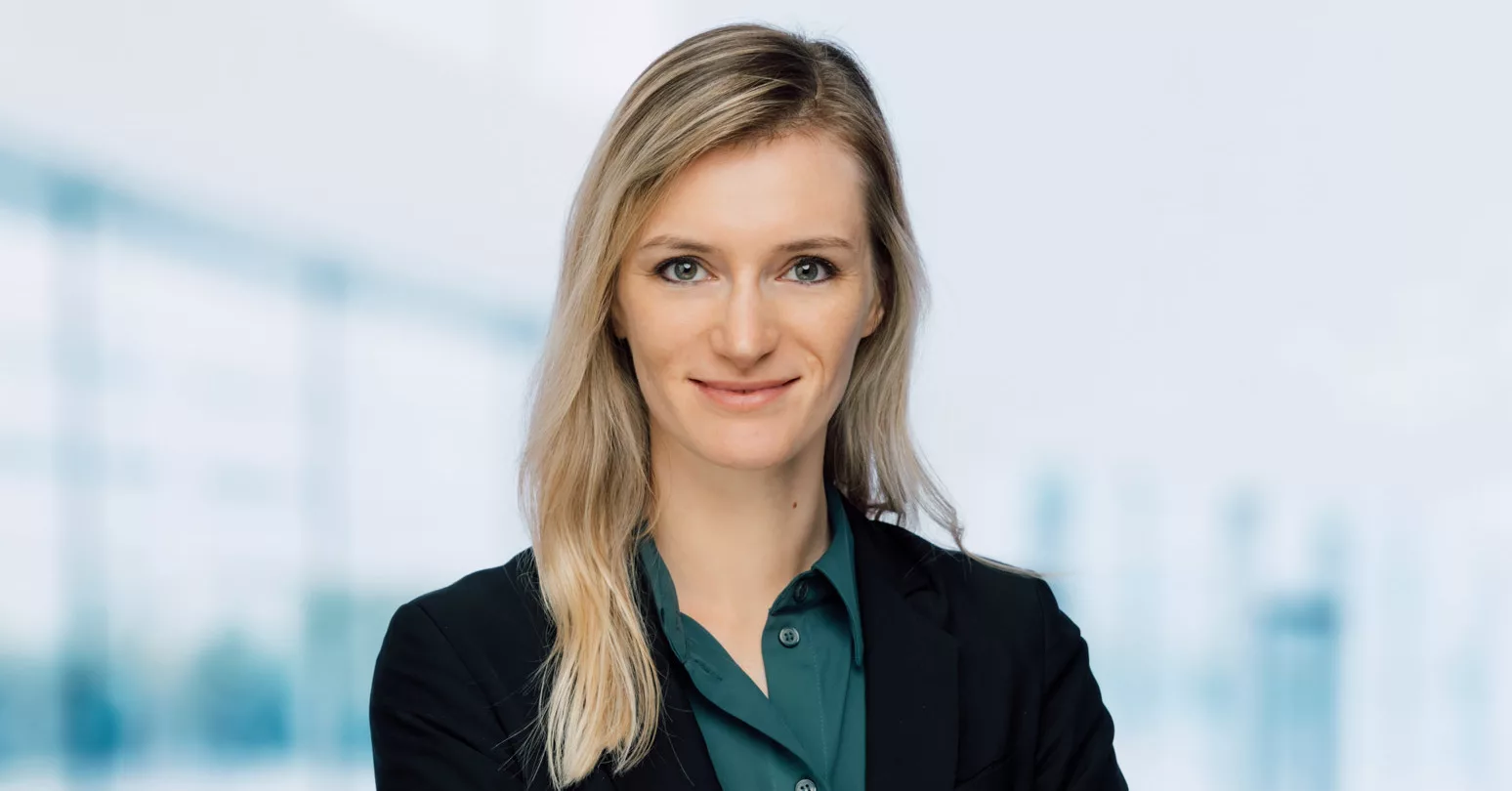
Dr. Renate Sachse
Max Planck Institute for Intelligent Systems
-
-
Research Group
Embodied Social Interaction
Philipp Müller started the Embodied Social Interaction group on November 1, 2025. The group focuses on developing the next generation of embodied AI systems that can integrate… read more
-
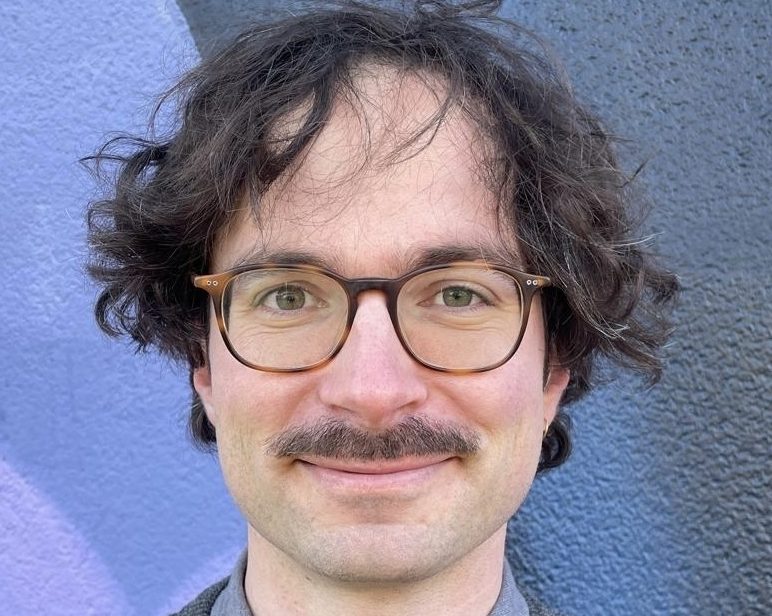
Dr. Philipp Müller
Max Planck Institute for Intelligent Systems
-
-
Research Group
Cyborg Robotics and Intelligent Sensing (CyRIS)
Antonia Georgopoulou started the Cyborg Robotics and Intelligent Sensing (CyRIS) group on October 15, 2025. The group focuses on bio-inspired materials and structures, additive manufacturing, and functional… read more
-
Dr. Antonia Georgopoulou
Max Planck Institute for Intelligent Systems
-
-
Research Group
Intelligent Tactile Systems
The Intelligent Tactile Systems group, led by Hyosang Lee and part of the Institute of Smart Sensors (IIS), studies the sensing and perception mechanisms of biological systems… read more
-
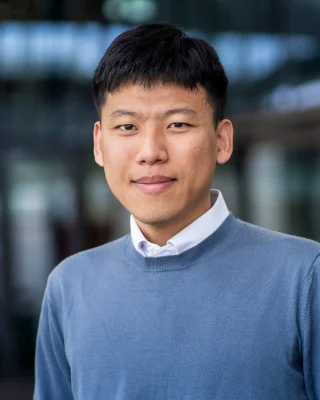
Dr. Hyosang Lee
Eindhoven University of Technology
-
-
Research Group
Bioinspired Autonomous Miniature Robots
The Bioinspired Autonomous Miniature Robots group, led by Wenqi Hu, focused on developing fabrication and integration methods for components made from various smart materials. Using these methods, the… read more
-
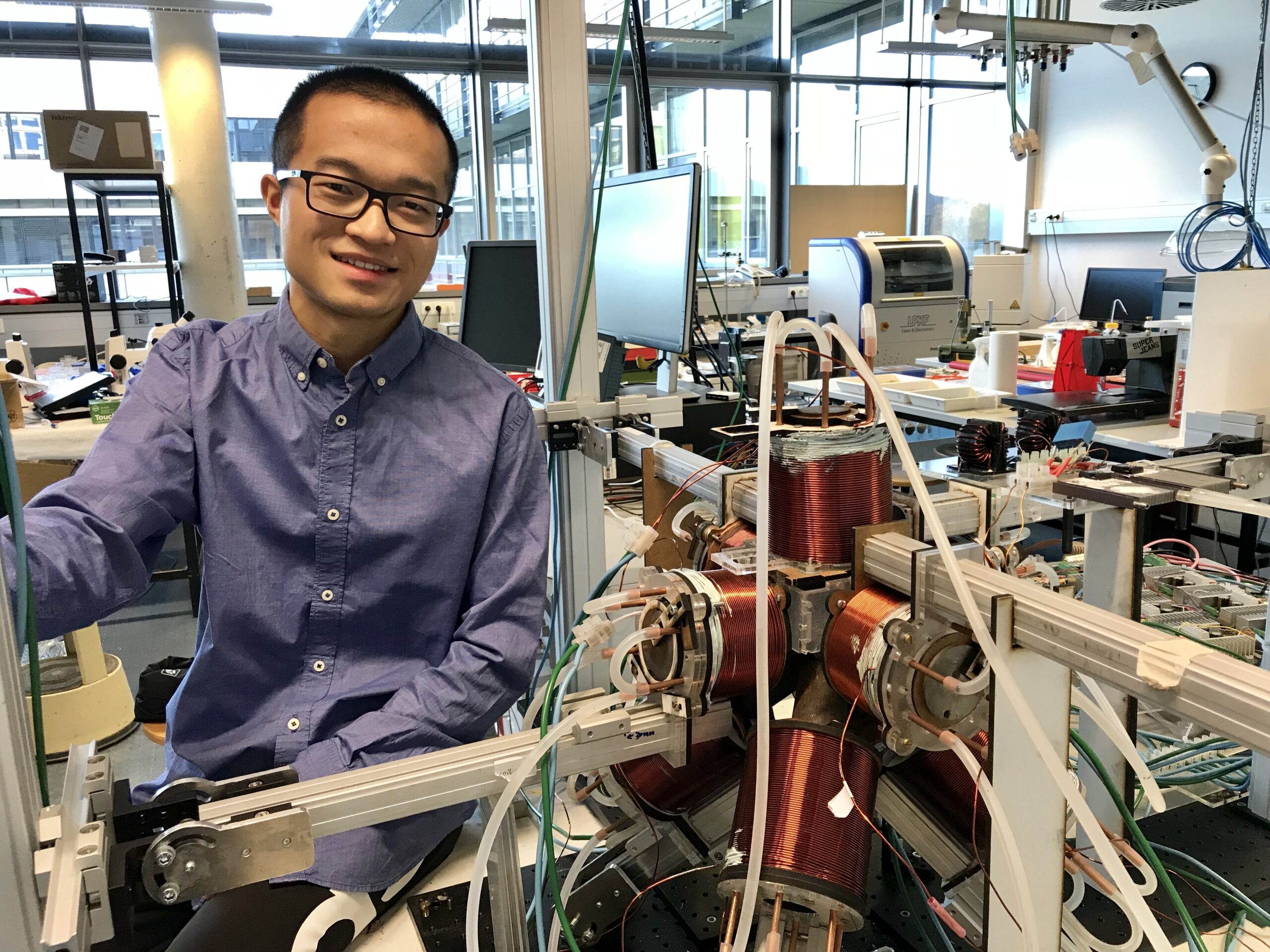
Dr. Wenqi Hu
Hong Kong Institute of Science and Technology
-
-
Research Group
Locomotion in Somatic and Biorobotic Systems
The Locomotion in Somatic and Biorobotic Systems group, led by Adrain Jusufi, studied the neuromechanics of locomotion and biorobotics, combining experimental validation with physical models, soft robotics,… read more
-
Prof. Dr. Ardian Jusufi
University of Zürich
-
-
Research Group
Physics for Inference and Optimization
Caterina De Bacco’s research group “The Physics for Inference and Optimization” combined expertise from physics, mathematics, and statistics to model complex systems composed of many interacting elements,… read more
-
Dr. Caterina De Bacco
TU Delft, Netherlands
-
-
Research Group
Computational Epigenomics
Led by Gabriele Schweikert, the Computational Epigenomics group used machine learning to better understand key molecular processes in living cells, with a focus on epigenetic mechanisms, such… read more
-

Dr. Gabriele Schweikert
University of Dundee
-
-
Research Group
Privacy-Preserving Machine Learning
Mijung Parks’s research group “Privacy-Preserving Machine Learning” developed algorithms to ensure privacy while enabling large data sets to produce statistical insights autonomously. The group focused on addressing challenging… read more
-
Dr. Mijung Park
Max Planck Institute for Intelligent Systems
-
-
Research Group
Embodied Vision
The Embodied Vision group, led by Jörg Stückler, developed autonomous intelligent systems that learn and improve their perception and action skills through interaction with the environment. A… read more
-
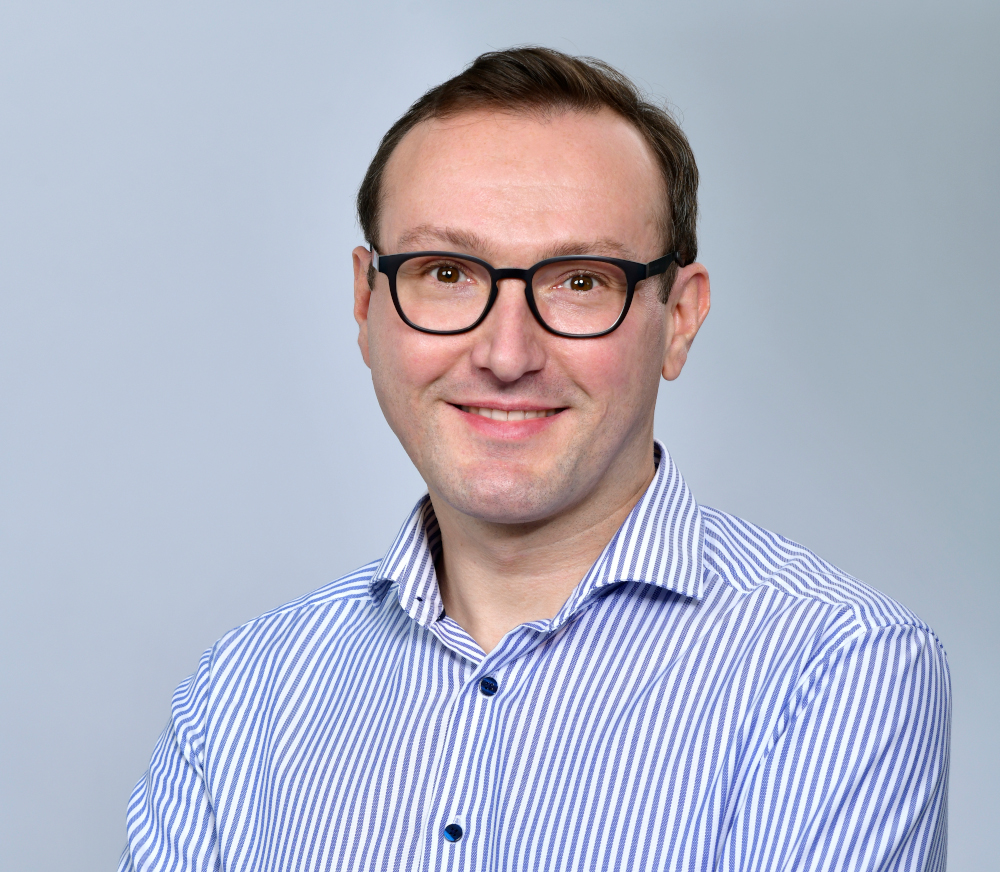
Prof. Dr. Jörg Stückler
University of Augsburg
-
-
Research Group
Neuronal Intelligence
Led by Falk Lieder, the Neuronal Intelligence group developed intelligent systems with versatility comparable to mammalian brains in learning and performance. The group used large-scale neurophysiological and… read more
-

Prof. Dr. Fabian Sinz
University of Göttingen
-
-
Research Group
Biomedical Microsystems
The Biomedical Microsystems group developed innovative devices and microsystems for biomedical applications, integrating actuation, recording, and computation to advance medical procedures. The group focused on tools that… read more
-
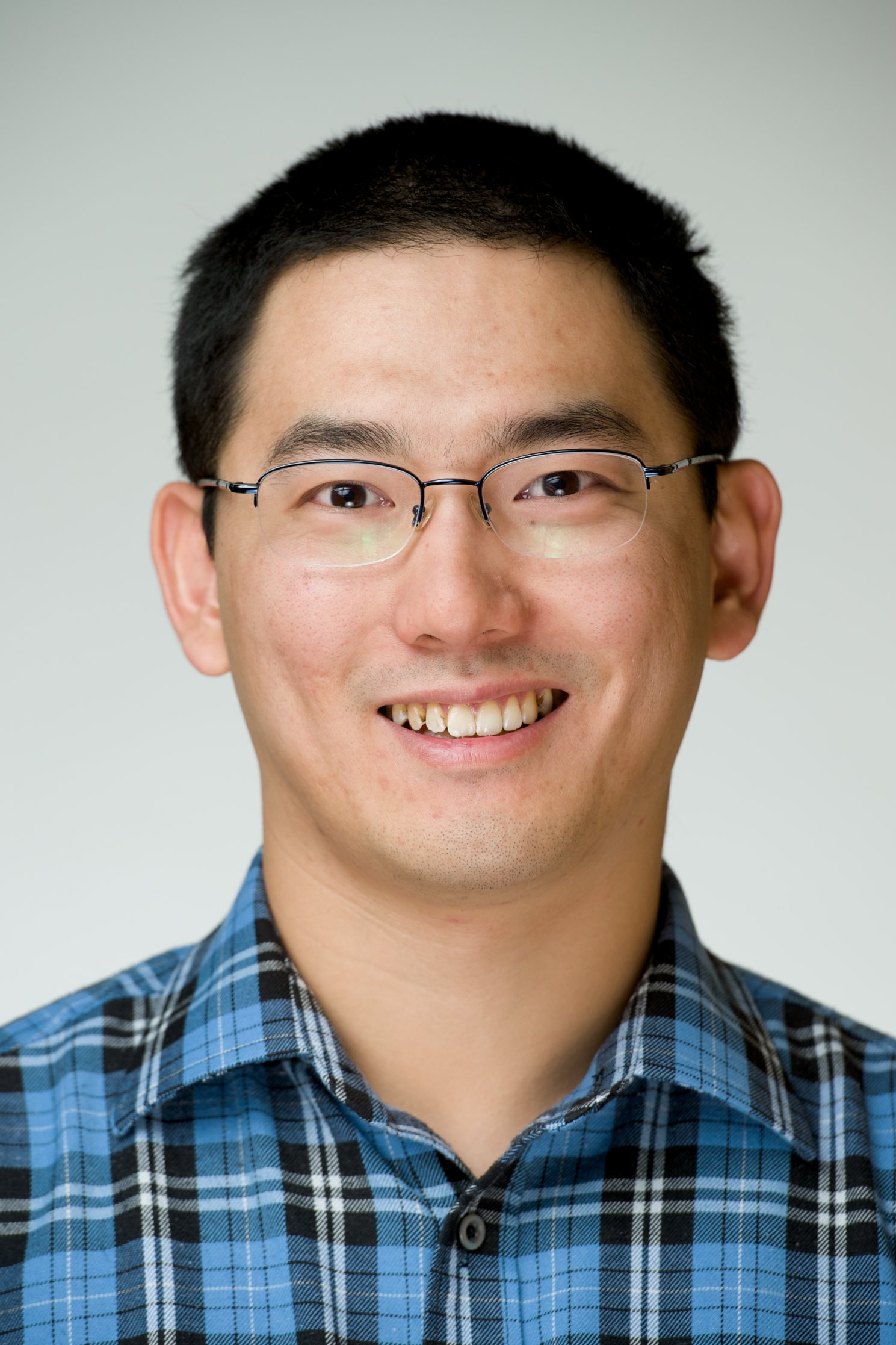
Prof. Tian Qiu
TU Dresden / German Cancer Research Center (DKFZ)
-
-
Research Group
Intelligent Control Systems
A subtitle would be hereThe Intelligent Control Systems group, led by Sebastian Trimpe, focused on decision-making, control, and learning for autonomous intelligent systems. It developed fundamental methods and algorithms that enable… read more
-
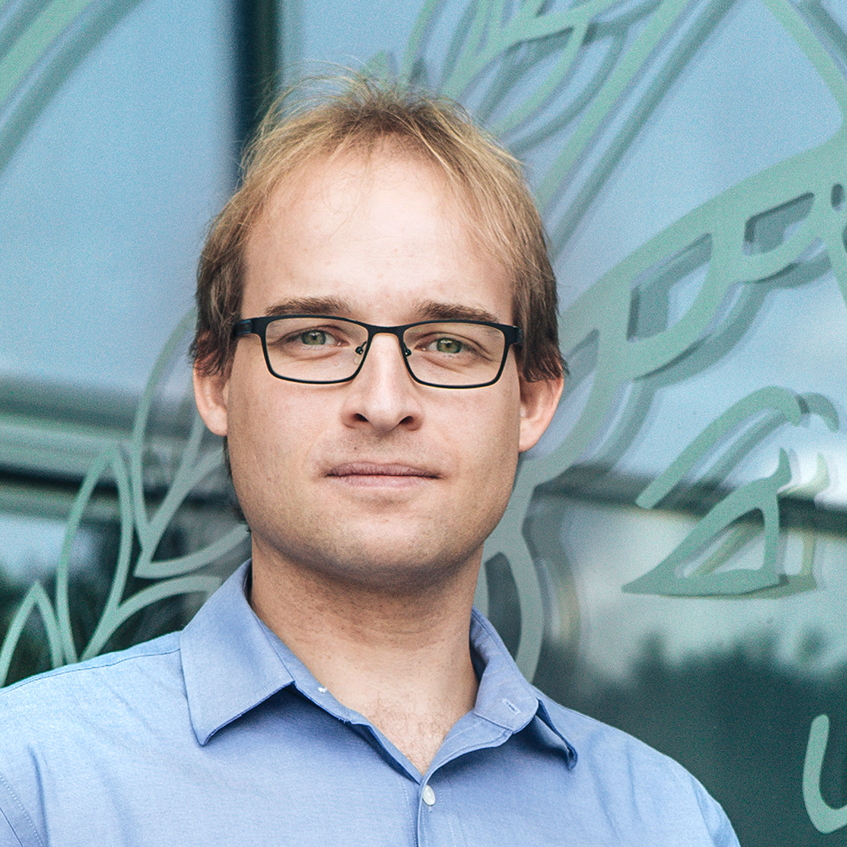
Prof. Dr. Sebastian Trimpe
RWTH Aachen University
-
-
Research Group
Rationality Enhancement
The Rationality Enhancement group, led by Falk Lieder, focused on improving human decision-making and cognitive performance. Its research aimed to advance self-improvement, personal development, psychotherapy and psychiatry,… read more
-
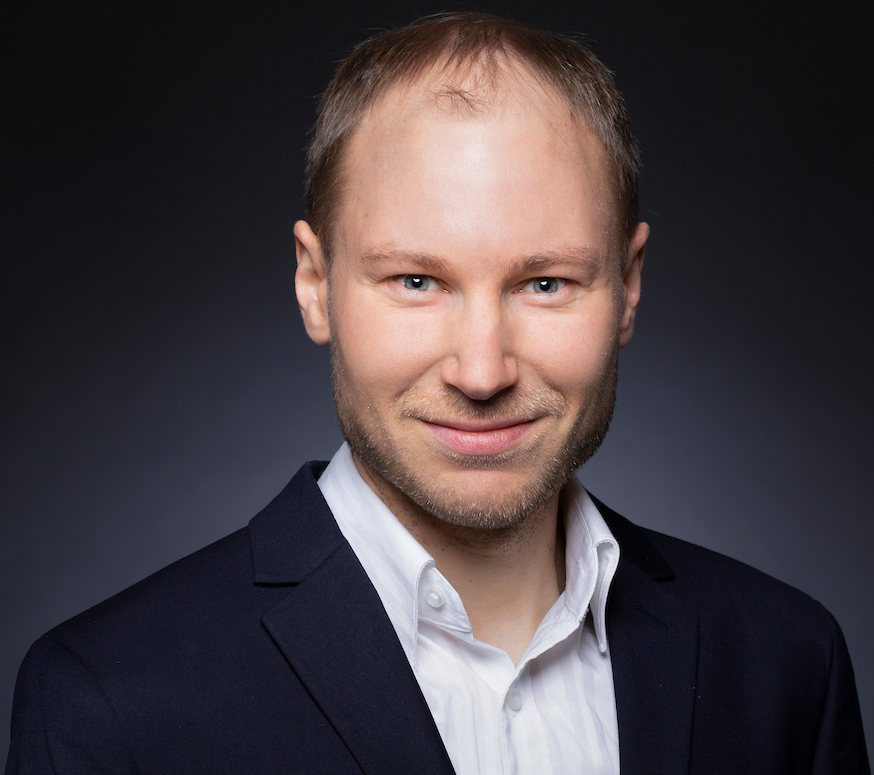
Dr. Falk Lieder
UCLA
-