Im Jahr 2016 schlossen sich Akteure aus Wissenschaft, Wirtschaft, Industrie und Politik zusammen, um das Cyber Valley zu gründen, ein Forschungskonsortium im Bereich der Künstlichen Intelligenz (KI), das sich später als erster Innovationscampus in Baden-Württemberg etablieren sollte. Zehn Jahre später, im Jahr 2026, blicken wir auf die wichtigsten Meilensteine des letzen Jahrzehnts zurück. Jeden Monat widmen wir uns dabei einem Jahr aus der Geschichte des Cyber Valley.
In diesem Monat schauen wir auf das Jahr 2018 zurück – ein Jahr, das den Austausch zwischen KI-Forschung und Gesellschaft in Tübingen nachhaltig geprägt hat. Von Ende November bis Anfang Dezember besetzten Aktivist:innen einen Hörsaal im Kupferbau, einem Hörsaalgebäude der Universität Tübingen, um auf ihre Bedenken gegenüber dem Cyber Valley aufmerksam zu machen. Die Protestierenden thematisierten unter anderem die Zusammenarbeit mit privaten Unternehmen, die Einbindung der Öffentlichkeit in Entscheidungsprozesse sowie Fragen nach Transparenz in der Forschung.
Die Ereignisse machten deutlich, wie groß das Interesse der Öffentlichkeit an den Entwicklungen rund um KI war – und wie wichtig offene Gespräche über ihre gesellschaftlichen Auswirkungen sind. In der Folge wurden mehrere Initiativen ins Leben gerufen, die den Dialog zwischen Forschung und Öffentlichkeit stärken sollten.
Dazu gehörten das Cyber Valley Public Advisory Board, die Ausstellung „Cyber and the City“ im Tübinger Stadtmuseum, der KI-Bürgerrat sowie zahlreiche Initiativen im Bereich Public Engagement in der Cyber Valley GmbH.
Die Öffentlichkeit muss in Gespräche über KI-Forschung einbezogen werden: Philipp Hennig, Professor für die Methoden des Maschinellen Lernens an der Universität Tübingen
Obwohl die Proteste für viele Mitglieder der Cyber-Valley-Community überraschend kamen, machten sie deutlich, wie wichtig der Dialog mit der Öffentlichkeit ist, wenn Baden-Württembergs Zukunft mit KI gestaltet wird. Damit die gesamte Gesellschaft von der Forschung und der Zusammenarbeit mit der Industrie profitieren kann, muss die Öffentlichkeit in Entscheidungsprozesse einbezogen werden, wie Philipp Hennig berichtet:
“An einem späten Vormittag im Jahr 2018 kam ich in den Kupferbau, um dort meine Vorlesung zu halten, und stellte fest, dass das Gebäude besetzt war. Ich ging recht neugierig zum Protestcamp um herauszufinden, für welche gute Sache die Studierenden kämpften. Es dauerte ein paar Momente, bis mir klar wurde, dass ihre Banner etwas mit mir zu tun hatten. Aber ich glaube, die Protestierenden hatten auch nicht gewusst, dass in dem Gebäude gerade eine Vorlesung stattfand – von und für genau die Menschen, gegen die sie protestierten. Zumindest wirkten sie unvorbereitet, als ich sie bat, doch mit mir in den Hörsaal zu kommen, damit wir vor meinen Studierenden miteinander sprechen konnten.
In den Wochen danach verstand ich, dass diese gegenseitige Überraschung eine Metapher für die Situation in der Stadt war. Studierende und auch die breitere Öffentlichkeit wussten nicht oder verstanden nicht, was auf unserem entstehenden KI-Campus auf dem Hügel geschah. Und wie hätten sie das auch wissen können? Wir hatten uns nie die Mühe gemacht, es ihnen zu erklären. Zu unserer Verteidigung muss ich sagen, dass es uns gar nicht in den Sinn gekommen war, dass sich überhaupt jemand dafür interessieren könnte. Damals steckte KI noch in den Anfängen. Viele von uns Akademikern, mich eingeschlossen, betrachteten unsere Arbeit als eine nerdige Nische.
Der Dezember 2018 und der Januar 2019 sollten sich als sehr stressige Zeit erweisen. Rückblickend bin ich jedoch sehr dankbar für diese Erfahrung. Viele meiner Kolleg:innen – von Doktorand:innen bis hin zu Professor:innen – stellten sich der Öffentlichkeit, teilweise in angespannten Situationen, um über ihre Arbeit und über die oft missverstandenen administrativen Details der Forschungsfinanzierung zu sprechen. Vielleicht war die interessanteste Wirkung der Proteste ihr Einfluss auf die Informatikstudierenden. Die meisten von ihnen waren anfangs gleichgültig. Doch als sie sich gezwungen sahen, sich zwischen Mitstudierenden aus anderen Fakultäten und den eigenen Professor:innen zu entscheiden, wurden viele von ihnen engagierter.
In jenem Winter habe ich gelernt, dass es schmerzhaft sein kann, sich öffentlich und persönlich zu erklären – dass es sich aber lohnt. Sieben Jahre später ist Tübingen vielleicht harmonischer geworden. Doch die Frage an unsere Studierenden ist inzwischen nur noch relevanter geworden: Welche Art von Welt wollen sie mit KI aufbauen?”
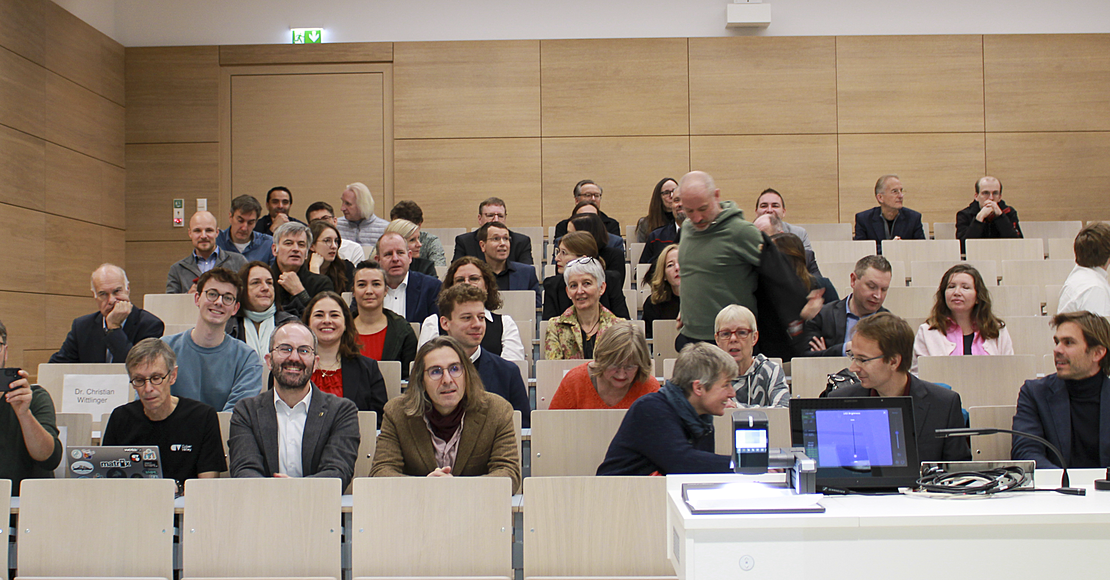
 Photo: Friedhelm Albrecht/Universität Tübingen
Die Gründung des Cyber Valley Public Advisory Board: Regina Ammicht Quinn, Seniorprofessorin am Internationalen Zentrum für Ethik in den Wissenschaften (IZEW) an der Universität Tübingen
Ein Resultat der Proteste war die Einrichtung des Cyber Valley Public Advisory Board (PAB) – eines unabhängigen Gremiums, das die ethischen und gesellschaftlichen Auswirkungen der Forschungsprojekte des Innovationscampus kritisch hinterfragt. Die Sprecherin des PAB, Regina Ammicht Quinn, erinnert sich an ihre Erfahrungen während der Proteste und daran, wie es zur Gründung des Gremiums kam:
“Die Besetzung des Kupferbaus habe ich als bemerkenswert zivilisiert und kooperativ erlebt. An den Wänden hingen Zettel darüber, was erlaubt war und was nicht, nachmittags wurde Schach gespielt, und die Atmosphäre war insgesamt von Höflichkeit und gegenseitigem Respekt geprägt. Im Rahmen unserer Ringvorlesung sollte meine Kollegin Jessica Heesen eine Vorlesung zu „Diskriminierung durch Algorithmen“ halten, die ich moderiert habe. Auf Anfrage haben die Hörsaal-Besetzer:innen uns die Nutzung erlaubt, die Schlafsäcke waren zur Seite geräumt worden.
Die Studierenden wollten mit der Besetzung vor allem Aufmerksamkeit auf Problematiken lenken: da ging es um die Maximalforderung „Amazon nicht in Tübingen!“, die Forderung nach mehr Transparenz, auch in Bezug auf mögliche Rüstungsforschung, und die Befürchtung der Verschlechterung der schon bislang schwierigen Wohnsituation. Es gab also keine konkreten für die Universität einfach zu lösende Probleme. Dafür wurden vor allem allgemeine Sorgen und Ängste hinsichtlich der gesellschaftlichen Folgen der Künstlichen Intelligenz artikuliert – Fragen und Unsicherheiten, die aus meiner Sicht bis heute nichts von ihrer Aktualität verloren haben. Universitäten sind auch der Gesellschaft verpflichtet, sodass auch ein Hörsaal manchmal ein Ort des Protestes sein darf.
Die Gründung eines Public Advisory Boards im Cyber Valley war daher ein notwendiger und wichtiger Schritt. Der öffentliche Beirat sollte den Raum schaffen, in dem gesellschaftliche Perspektiven, ethische Fragen und öffentliche Anliegen in die Diskussion über KI-Forschung eingebracht werden. Zu seinen anfänglichen Aufgaben gehörte es, Projektanträge zu begutachten und Empfehlungen auszusprechen. Dabei verstand sich das Gremium ausdrücklich nicht als moralische Kontrollinstanz. Vielmehr sah es seine Rolle darin, darauf hinzuweisen, dass digitale Forschung stärker interdisziplinär angelegt sein sollte und dass zusätzliche wissenschaftliche Perspektiven notwendig sind, um den Horizont zu erweitern.”
Cyber and the City: Thomas Thiemeyer, Professor für Empirische Kulturwissenschaft an der Universität Tübingen
Die Proteste gaben auch Kulturwissenschaftlern wie Thomas Thiemeyer einen wichtigen Impuls. Er kuratierte die Ausstellung „Cyber and the City“ im Tübinger Stadtmuseum. Die Ausstellung lief von Februar 2023 bis Januar 2024 und bot einen Überblick über Entwicklungen und Debatten rund um die KI-Forschung in Tübingen. Für Thiemeyer bot die Ausstellung einen Raum, in dem sich die Öffentlichkeit nach den Protesten von 2018 mit dem Thema auseinandersetzen konnte:
“Die Proteste haben einige der großen Fragen im Zusammenhang mit KI aufgeworfen, die seinerzeit in Deutschland öffentlich noch wenig diskutiert wurden: Wohin entwickelt sich unsere Stadt, wenn Techindustrie und KI-Forschung zentrale Akteure werden? Was macht KI mit unserer Gesellschaft? Wie verändert sie unseren Alltag? Und welche Wirtschaftsmodelle (Stichwort „Überwachungskapitalismus“) unterstützen wir mit den neuen Technologien? Was heißt das für unsere Wissenschaften, deren Unabhängigkeit von kommerziellen Interessen und politischen Erwartungen wichtig ist?
Die Proteste waren der Grund, warum wir uns als Kulturwissenschaftler mit dem Thema beschäftigt und schließlich eine Ausstellung dazu gemacht haben. Denn mit den Protesten war das Thema KI in Tübingen/Stuttgart zu einem Thema der Tübinger Stadtgesellschaft geworden, an dem grundsätzliche Fragen der Stadt- und Gesellschaftsentwicklung verhandelt wurden (siehe oben). Für die Kulturwissenschaft sind Proteste immer interessant, weil durch sie Gesellschaften gezwungen werden, über sich selbst nachzudenken und Korrekturen vorzunehmen.
Ein kontinuierlicher Dialog mit der Öffentlichkeit über die Forschung und Anwendung im Bereich der künstlichen Intelligenz ist wichtig, weil neue Technologien immer das Leben von Menschen verändern. Sie betreffen das Gemeinwesen, also uns alle und sind damit eine Gegenstand politischer Diskussion. Information ist Voraussetzung, dass diese Diskussionen nicht nur von wenigen Experten, sondern von möglichst vielen Bürgerinnen und Bürgern geführt werden können.”
Rückblickend zeigt das Jahr 2018, wie wichtig offene Diskussionen über neue Technologien sind. Die Ereignisse machten deutlich, dass Entwicklungen im Bereich der Künstlichen Intelligenz nicht nur wissenschaftliche und technologische Fragen aufwerfen, sondern auch gesellschaftliche Erwartungen, Hoffnungen und Sorgen berühren. Gerade deshalb ist es entscheidend, Räume für Austausch zu schaffen, in denen unterschiedliche Perspektiven zusammenkommen können.
Heute ist Public Engagement ein wichtiger Bestandteil der Aktivitäten im Cyber Valley. Verschiedene Formate und Initiativen fördern den kontinuierlichen Austausch zwischen Forschung und Öffentlichkeit – von Dialogveranstaltungen über Ausstellungen bis hin zu partizipativen Formaten wie Bürgerdialogen und Campustouren. Ziel ist es, die Entwicklungen im Bereich der KI verständlich zu machen, unterschiedliche Perspektiven einzubeziehen und die gesellschaftlichen Dimensionen neuer Technologien frühzeitig mitzudenken.
Zum zehnjährigen Jubiläum von Cyber Valley blicken wir in einer Beitragsreihe auf unserer Website und in den sozialen Medien auf die prägenden Meilensteine der vergangenen zehn Jahre zurück. Das Jubiläumsjahr hält noch viele weitere spannende Rückblicke bereit.