The Cyber Valley Innovation Campus brings top scientists to Baden-Württemberg to advance AI and robotics research. These scientists are paving the way for the application of their research for the benefit of people, industry, and society.
Members of the Cyber Valley Innovation Campus include the Max Planck Institute for Intelligent Systems (MPI-IS), Universities of Tübingen and Stuttgart, Fraunhofer IAO and IPA, ELLIS Institute Tübingen, and Karlsruhe Institute for Technology (KIT). As leading research institutions, they have announced the following exciting developments between April and June 2026.
Aamir Ahmad’s research group develops algorithms to monitor endangered wildlife
Researchers at the University of Stuttgart are advancing species conservation by making animal identification easier. By combining AI with ecological data, the Flight Robotics and Perception Group, led by Aamir Ahmad, has developed algorithms that enable faster, more precise monitoring, unlocking new possibilities to protect endangered species. Read more.
Three scientists from MPI-IS serve on the EU AI Act Scientific Panel
Sahar Abdelnabi, Maksym Andriushchenko, and Zhijing Jin (all MPI-IS) are joining 60 experts on the AI Act Scientific Panel, which will advise the EU AI Office on the implementation of the AI Act. The Scientific Panel’s main responsibilities include alerting the AI Office to systemic risks, advising on GPAI classification and evaluation methodologies, and supporting market surveillance activities. Read more.
Kristof Meding becomes a member of Die Junge Akademie
Kristof Meding, head of the Computational Law Lab at the University of Tübingen’s CZS Institute for Artificial Intelligence, has been appointed to Die Junge Akademie. The academy admits outstanding young academics from different academic disciplines and creative fields to explore interdisciplinary work and encourage dialog between academia and society. Read more.
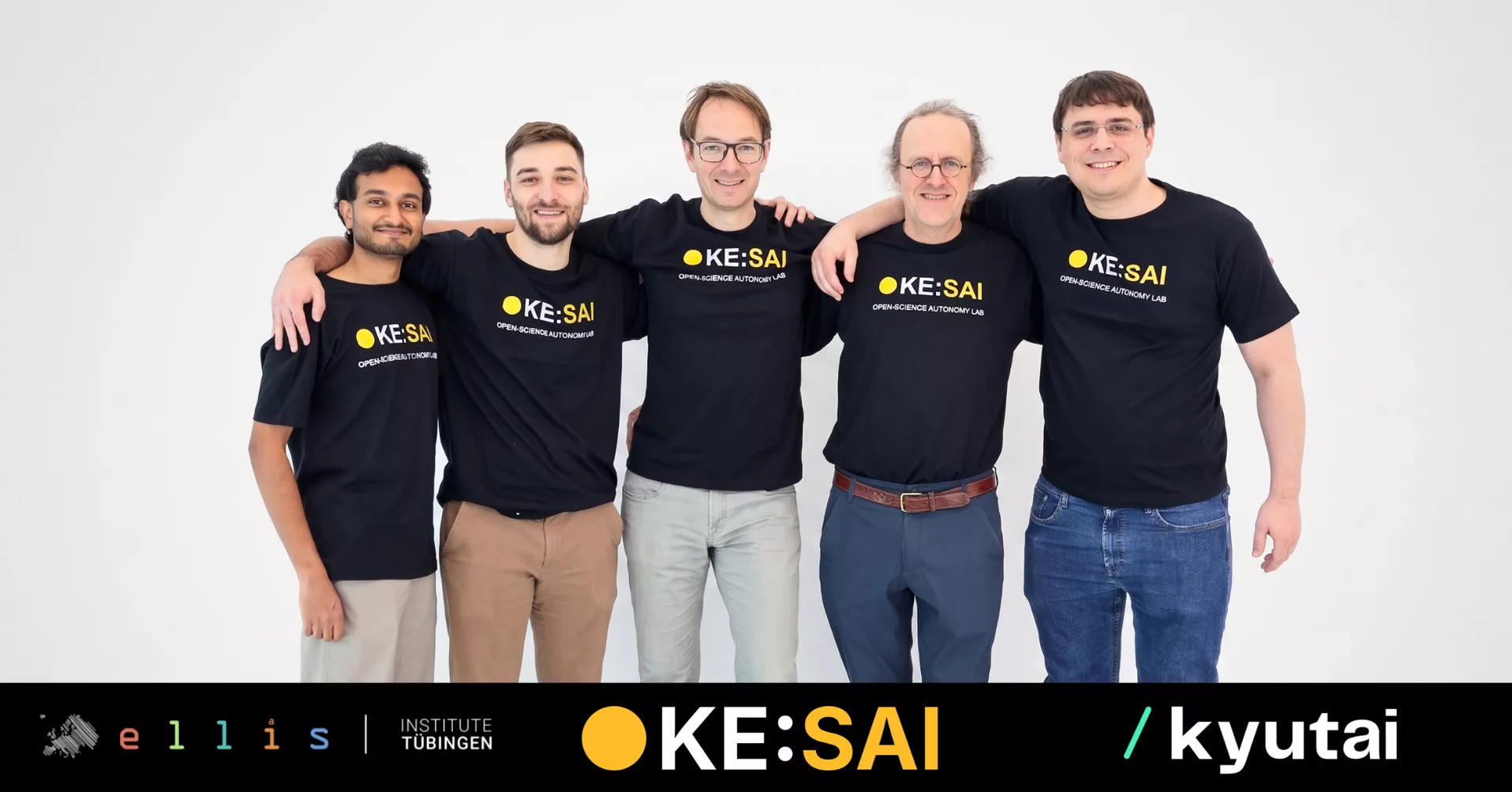
ELLIS Institute Tübingen and Kyutai launch KE:SAI
KE:SAI is a non-profit open science research laboratory dedicated to the next frontier of artificial intelligence: systems that can understand and act in the real world. The research is being led by a founding team of renowned experts, including Andreas Geiger (University of Tübingen), and Bernhard Schölkopf (MPI-IS, ELLIS Institute Tübingen, and University of Tübingen). Read more.
MPI-IS and University of Stuttgart scientists build an easy-to-control and energy-efficient flying robot
Researchers have developed a bird-inspired robot, nicknamed “Floaty”, that stays airborne by adapting its shape and exploiting wind currents, rather than relying on propellers. Using a learned aerodynamic model, it can remain stable, recover from disturbances, and has potential applications such as inspecting industrial sites or helping control rockets during re-entry. Read more.
In 2016, important actors from science, industry, and politics founded the Cyber Valley Consortium, which became the first Innovation Campus in Baden-Württemberg. Ten years on in 2026, we’re revisiting the most important milestones from the last decade. Each month, we’ll focus on a particular year since Cyber Valley’s beginning.
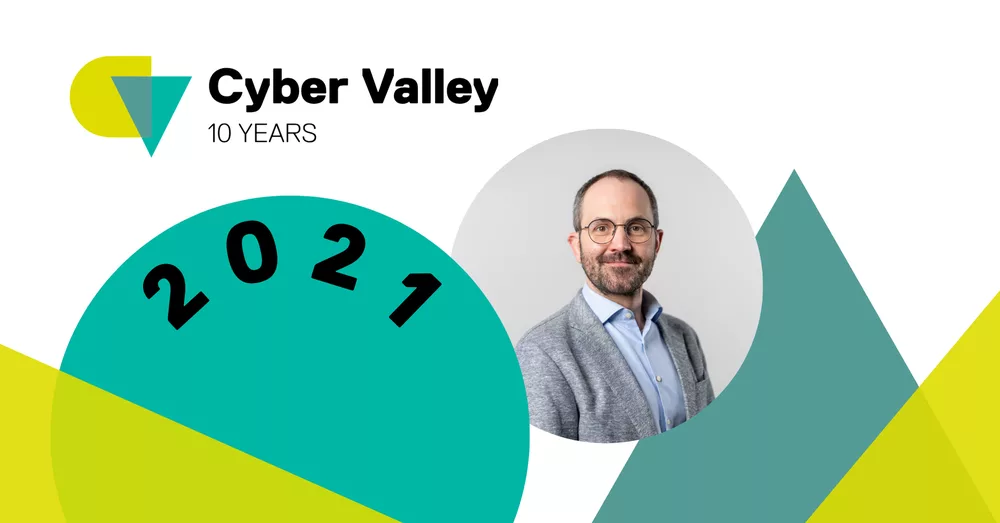
This month, we’re looking back to 2021, when the Cyber Valley initiative transitioned into being a GmbH (a registered German company). Cyber Valley GmbH’s Managing Director, Florian Mayer, had already been deeply involved in the initiative since the beginning and has continued to play a vital role for the company. In the following interview, he reflects on what it was like to work for Cyber Valley at the beginning and how it continues to fulfill its mission of transforming AI and robotics research into a sustainable future for all.
What was it like when you started working for the Cyber Valley initiative? What was its original mission?
When I started at Cyber Valley, there was a real sense of excitement in the air. You felt like you were part of something new and special. That enthusiasm was contagious; many people wanted to play an active role in building one of Europe’s leading centers for artificial intelligence and robotics.
Cyber Valley’s mission was—and still is—to create an attractive and internationally visible ecosystem for AI and robotics. Researchers should not only be able to conduct excellent basic research but also have better opportunities to translate their findings into concrete applications and innovations. Silicon Valley has been and remains an important model in this regard: a place where cutting-edge research, entrepreneurship, and social progress are closely intertwined.
What were the biggest challenges during the transition from initiative to GmbH?
The biggest challenge during the transition from an initiative to a GmbH was undoubtedly the discussions about the appropriate legal form and the future governance structure. Various models, such as a GmbH, a gGmbH, or an association, were thoroughly examined and discussed. Such decisions set the course for the future and therefore had to be carefully weighed.
Furthermore, it is inherently challenging to reconcile the interests and expectations of a large number of diverse stakeholders. In Cyber Valley, universities, research institutions, companies, and public partners work closely together. However, it is precisely this diversity that makes the collaboration particularly exciting and is ultimately one of the ecosystem’s greatest strengths.
What has personally surprised you the most in the journey since becoming a GmbH?
What surprised me most was how well-known and respected the name Cyber Valley had already become in its early years, even before the GmbH was founded. In a relatively short time, Cyber Valley had made a name for itself both nationally and internationally.
I was also impressed by how successfully the partners have managed to attract outstanding scientists from all over the world to the region. This concentration of talent is extraordinary and has played a major role in establishing Cyber Valley’s reputation today as one of Europe’s leading AI ecosystems.
Cyber Valley aims to turn AI and robotics research into a more sustainable future for everyone. What does that mean to you?
This means a great deal to me because I see enormous potential in AI and robotics for Baden-Württemberg, Germany, and Europe. Our region boasts excellent basic research and numerous internationally recognized research institutions. At the same time, there remains great potential to translate scientific findings even more effectively into innovative products, services, and business models.
This is precisely where ecosystems like Cyber Valley can make an important contribution. They bring together science, business, and society and create the conditions that allow innovations to find their way into practical application more quickly. In doing so, they make an important contribution to the future viability of our business location and to shaping technological progress in a sustainable way.
What responsibility do organizations like Cyber Valley have in shaping how AI affects society?
In my opinion, organizations like Cyber Valley GmbH bear a very great responsibility. Technological innovation alone is not enough: just as important is the question of how these technologies are used in society and what impact they have on people and institutions. Cyber Valley GmbH has therefore made promoting societal acceptance of new technologies a core part of its mission. Those who fail to adequately consider the ethical, social, and societal implications of AI run the risk of losing public trust. An important step in this direction was the establishment of the Public Advisory Board back in 2019. This created a framework early on to incorporate societal perspectives and critical questions into the further development of the ecosystem.
What makes the Cyber Valley ecosystem unique compared to other AI hubs?
Cyber Valley is unique because it is not limited to a single location. The ecosystem spans the various locations of its partners, thereby bringing together diverse areas of expertise and perspectives. The participating universities and research institutions have a wide range of scientific focuses, ensuring that a particularly broad spectrum of AI and robotics research is covered.
Added to this is its strong integration into one of the world’s most innovative economic regions. Baden-Württemberg boasts a high concentration of technology-oriented companies, global market leaders, and industrial expertise. This combination of excellent research, international talent development, and a strong industrial base creates ideal conditions for the successful transfer of research findings into practical applications and sets Cyber Valley apart from many other AI hubs worldwide.
To celebrate Cyber Valley’s ten-year anniversary, we’ll be sharing a variety of content across our website and social media channels reflecting on milestones from the last decade. Stay tuned for the next installments!
In 2016, important actors from science, industry, and politics founded the Cyber Valley Consortium, which became the first Innovation Campus in Baden-Württemberg. Ten years on in 2026, we’re revisiting the most important milestones from the last decade. Each month, we’ll focus on a particular year since Cyber Valley’s beginning.
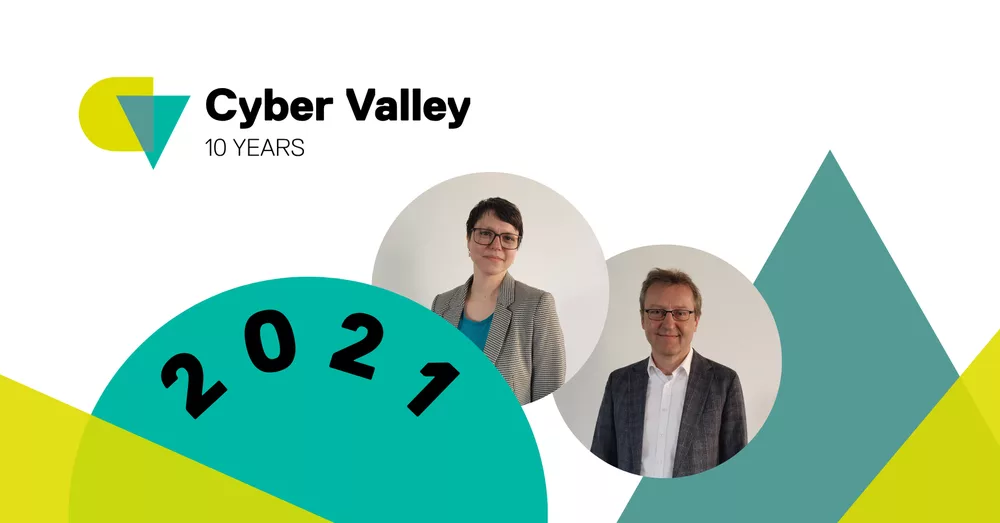
This month, we’re looking back to 2021, when the Interchange Forum of Reflecting on Intelligent Systems (IRIS) was founded at the University of Stuttgart. IRIS aims to bring researchers together to critically reflect on the foundations, mechanisms, implications, and effects of intelligent systems in research, teaching, and society.
Steffen Staab and Maria Wirzberger have led the project since its beginning. In the following interview, they reflect on key moments since the project’s founding and why IRIS’s work is critical for ensuring AI is used responsibly.
What was the original motivation behind starting IRIS? What problems did it seek to address?
The University of Stuttgart is a technically oriented university. Many of our colleagues, including ourselves, develop and investigate intelligent systems. By intelligent systems, we do not only refer to artificial intelligence systems, though these are included and are at the heart of what we do personally. We also refer to, for example, urban, traffic, or biological systems that exhibit beneficial or detrimental emergent properties resulting from perception, intelligent processing, and (re-)action, including system resilience or failure, among others.
Specifying the desired behavior of such intelligent systems is notoriously difficult and requires reflecting on the implications for individuals, groups, or society at large. This is a transdisciplinary challenge that must include not only technical disciplines but also the humanities and the social sciences, as well as society at large. IRIS serves as a forum for people within and beyond our university to gather and address these challenges.
Addressing the outlined challenges, we focus on three core dimensions: research, teaching, and public engagement. In research, we address timely questions at disciplinary intersections, for example, how AI is shaping political opinion and public discourse, or how it changes workplace characteristics in safety-critical domains. In teaching, we offer students and educators opportunities to foster a critical and reflective mindset towards the potential ethical and social impacts of intelligent systems. In public engagement, we foster dialog with the public through various formats that explain our research to society and provide a platform for citizens to share their thoughts and concerns about technological advances.
Looking back over the past five years, which activities or initiatives from IRIS were a particular highlight for you and why do they stand out?
IRIS was started in early 2021, i.e., before the ChatGPT moment in November 2022. So one of the highlights in research was the hiring of junior research groups who started in 2023. They have all contributed significantly to studying the implications of chatbots and, later on, agentic AI: how AI may violate ethical constraints, can be deceptive, or be biased.
Other highlights included our joint online summer school with NoBias in the fall of 2021, which attracted more than 100 doctoral and postdoctoral researchers. Or the ACM Web Science Conference in summer 2024, which featured prominent keynotes from the US, China, and Europe from a variety of academic disciplines.
In teaching, our highlights include the implementation of course offerings for both schools and higher education, targeting the promotion of a critical mindset towards the unintended side effects of intelligent systems in personal and professional domains. Focusing on teaching at the University of Stuttgart alone, we have reached almost 3000 students so far and, due to their positive feedback, are currently expanding our offering, encouraged by the rectorate. On a related note, we were even successful in acquiring third-party funding for developing a digital learning offer for schools, focusing, among other things, on cyberbullying and algorithmic manipulation.
Finally, a particular highlight in public engagement constitutes our proposal “Questions to Colleague AI”, representing one of 26 projects funded by the former Federal Ministry of Education and Research as part of the Year of Science 2022. This project brought to life a variety of high-profile events, and featured, among others, a special concert with the Stuttgart Chamber Orchestra performing a novel AI-composed music piece, a debate series with leading panelists, and a virtual citizen’s council moderated by a specifically developed AI bot.
Why is it important to draw on expertise from different disciplines when critically reflecting on AI’s impact on society?
Different disciplines have memories of when past situations caused problems of a similar nature. We may, for example, unfortunately observe some transhumanists raising fascist-like talking points today, and there is a broad literature about the dangers that result from such points of view. Different disciplines have developed a range of methodologies to analyze and solve new problems and cultivated diverging portfolios that can be leveraged to build and refine reflective capacities among involved stakeholders. Hence, restricting ourselves to only a few technical disciplines would severely limit our ability to comprehensively address high-impact, newly emerging societal consequences.
In what ways has being part of Cyber Valley supported IRIS in achieving its aims?
Cyber Valley provides an ecosystem of like-minded people across both the Universities of Stuttgart and Tübingen, the Max Planck and Fraunhofer Institutes, and various companies and foundations, sparking regular opportunities for dialog and exchange. In addition to several local colleagues at our institution as part of cross-site initiatives like the Center for Bionic Intelligence Tübingen Stuttgart (BITS), we are also connected to colleagues located in Tübingen and, until recently, have benefited from recurring inputs from Professor Bob Williamson as a wise, encouraging, and incredibly motivating member of the IRIS International Advisory Board. Also, Dr. Ksenia Keplinger from the Stuttgart site of the Max Planck Institute for Intelligent Systems is actively involved in IRIS as an associated member.
Has anything about how we think about “responsible AI” changed since IRIS was founded, and if so, how?
When IRIS was founded, “responsible AI” was still a niche topic. Now, its importance has been globally recognized, particularly with the European AI Act as a visible and binding legal framework, which has been defined as a mandatory standard across member states. With the rapidly increasing capabilities of current AI, its challenges have become tremendously more severe and urgent. Even more so, if we consider emerging critical dynamics such as sycophancy and the resulting emotional addiction to conversational AI. These observations demonstrate the significant influence AI has on individuals and on interpersonal relationships. Related challenges cannot be tackled from a technical perspective alone, making IRIS’s contributions even more significant.
The University of Stuttgart has also been in conversation with Maria Wirzberger and Steffen Staab, asking them to reflect on how IRIS is shaping an AI future that supports society. Read the full interview here.
To celebrate Cyber Valley’s ten-year anniversary, we’ll be sharing a variety of content across our website and social media channels reflecting on milestones from the last decade. Stay tuned for the next installments!
There was a lot happening at Cyber Valley last month. Here’s a quick roundup of our highlights. Find out how Cyber Valley’s mission to translate excellent research into real-world applications for a better future for everyone came to life.
AI Launchpad at Cyber Valley
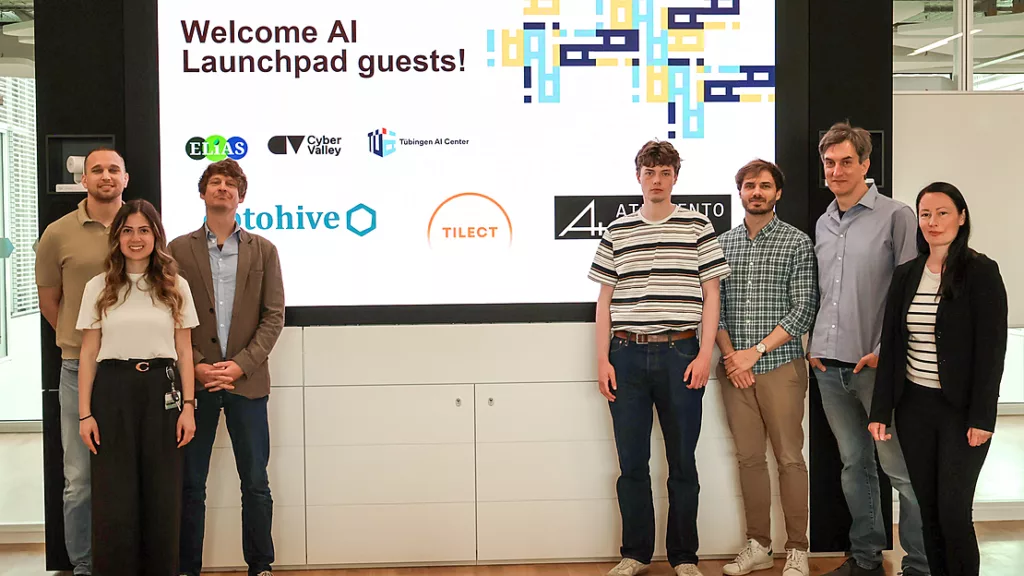
The AI Launchpad took place at Cyber Valley’s Tübingen campus for the first time on 4–8 May, bringing together early-stage AI start-ups from leading European innovation ecosystems for a week of mentoring, networking, and ecosystem exploration. Born out of Rise Europe and co-organized by ELIAS (European Lighthouse of AI for Sustainability), Tübingen AI Center, and Cyber Valley GmbH, the program supports AI start-ups as they grow from research into scalable, market-ready ventures.
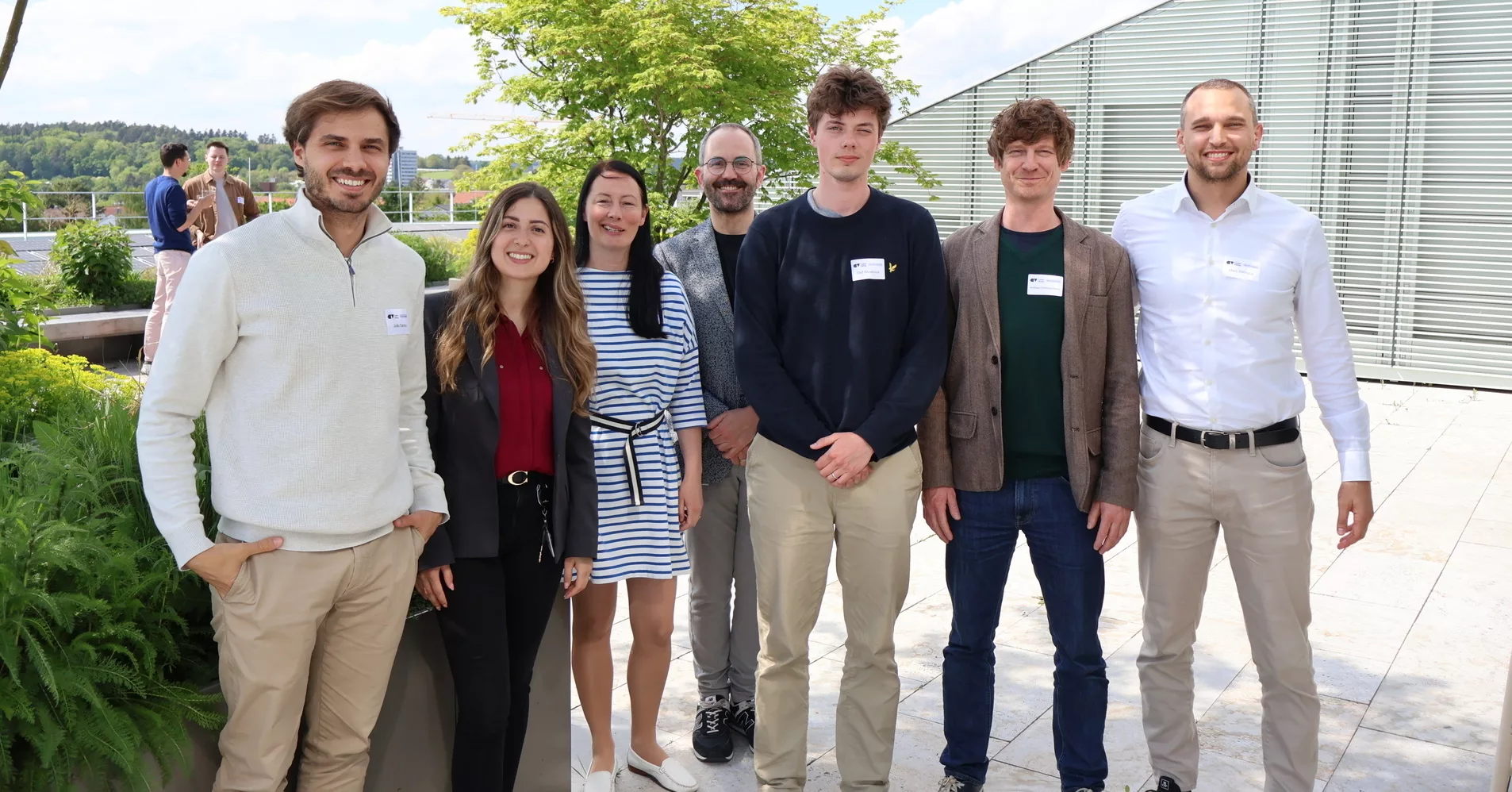
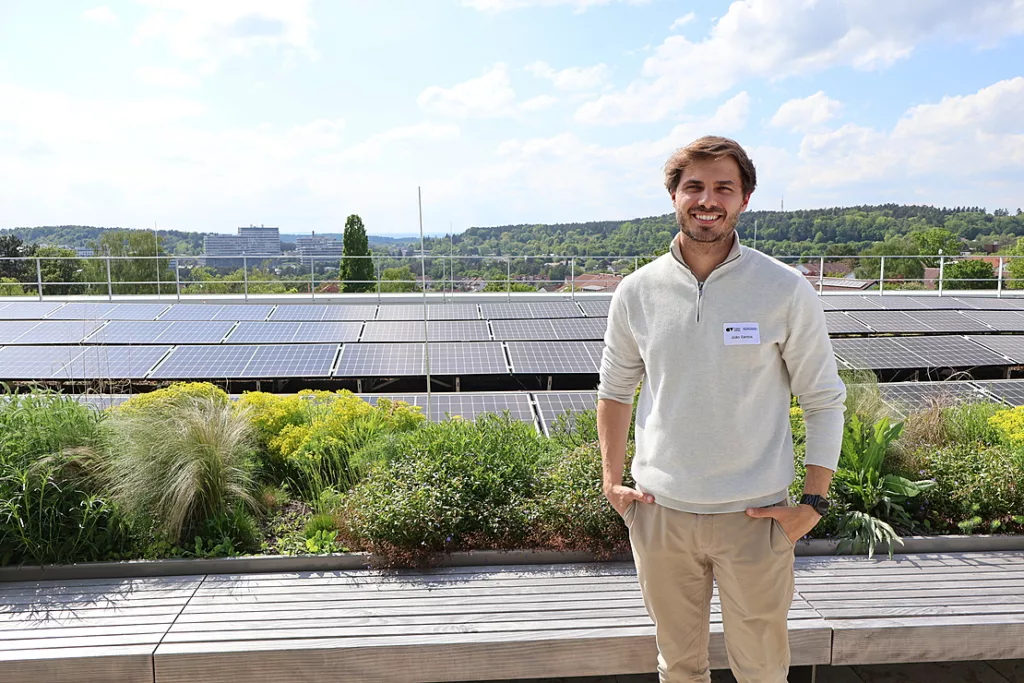
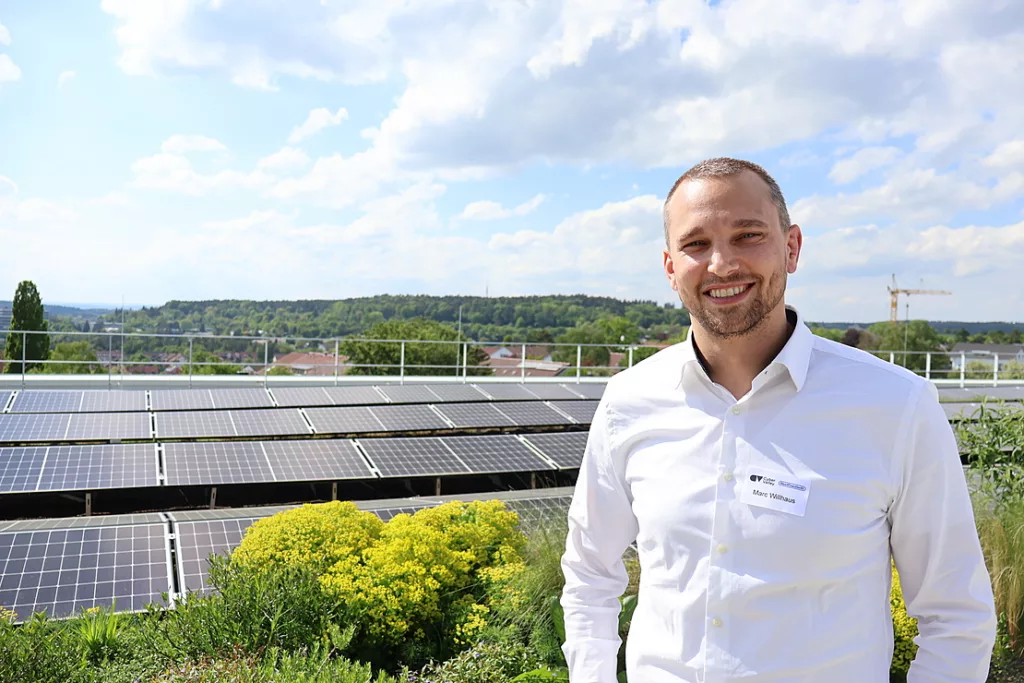
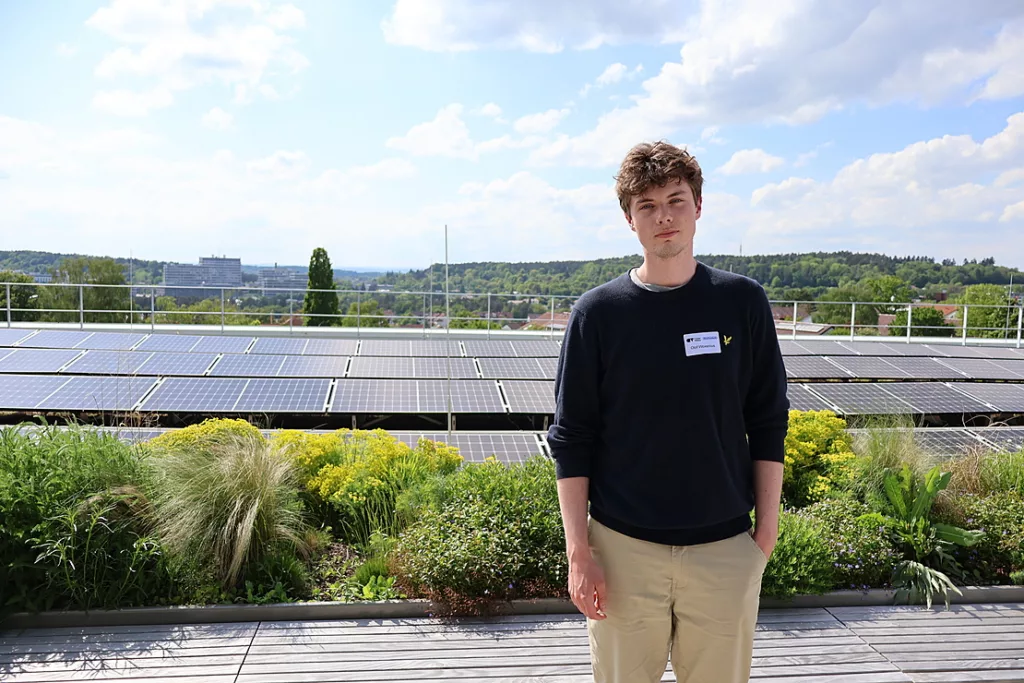
We welcomed Joao Santos (Tilect, Campus Founders), Marc Willhaus (Optohive, ETH Zurich), and Olof Woxenius (Atramen.to, KTH Innovation) to Tübingen. The goal of the week was to connect these start-ups with research institutions, scientists, corporates, and investors within the Cyber Valley ecosystem.
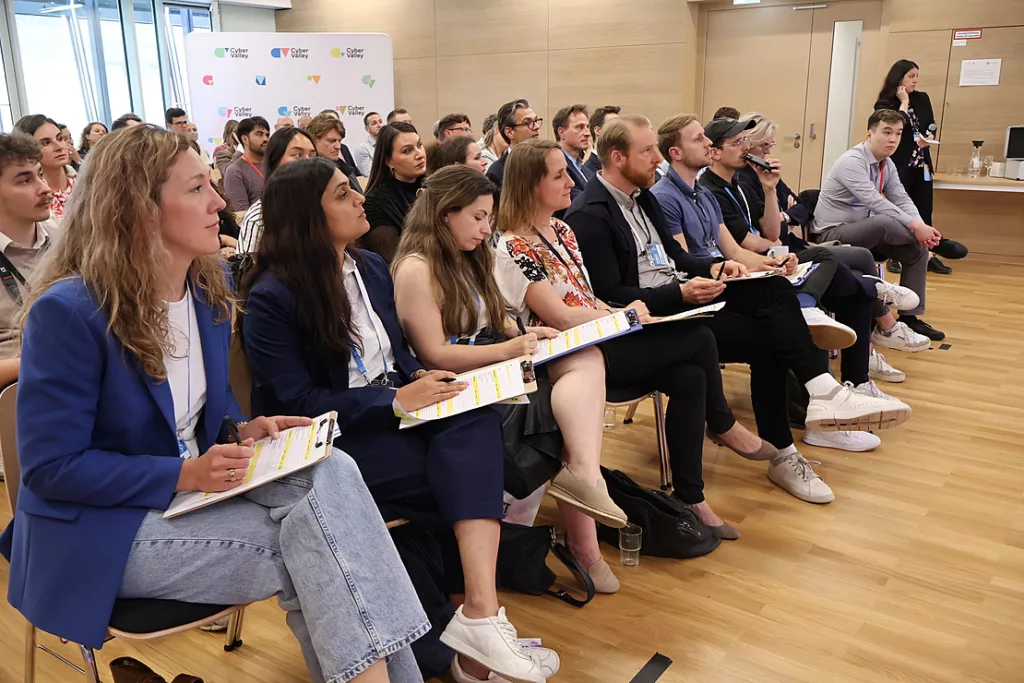
Following stops in Zurich, Warsaw, and Amsterdam, the Next Frontier AI Roadshow from SPRIND – Bundesagentur für Sprunginnovationen made its final stop at Cyber Valley in Tübingen on May 8, and what a way to close! Over 60 entrepreneurs and scientists gathered to explore breakthrough AI innovation.
Participants gained valuable insights into emerging AI technologies, entrepreneurial pathways, and the challenges and opportunities that lie ahead for Europe’s innovation landscape. The event provided a platform for meaningful exchange between leading scientists and founders, fostering new connections and potential collaborations across disciplines.
The strong turnout and engaging discussions once again demonstrated the unique strength of Cyber Valley’s ecosystem. By bringing together world-class research, entrepreneurial talent, and industry expertise, Cyber Valley continues to create an environment where pioneering AI ideas can be translated into real-world applications and societal impact.
Photo: Cyber Valley
Max Planck Open House in Tübingen
We were pleased to take part in the Max Planck Open House on Saturday, May 9, welcoming visitors to the Tübingen campus for a behind-the-scenes look at world-class research in AI, robotics, biology, and neuroscience.
Guests explored interactive exhibits and demonstrations at the Max Planck Institute for Intelligent Systems, the Max Planck Institute for Biological Cybernetics, and the Max Planck Institute for Biology Tübingen together with the Friedrich Miescher Laboratory. Researchers shared insights into their work and showed how fundamental science is shaping the technologies of tomorrow.
Together with the ELLIS Institute Tübingen, ELLIS Network, the Tübingen AI Center, polybot, and Yugen Space, we showed the strength of Tübingen’s innovation ecosystem, where excellent research and entrepreneurial thinking come together to advance AI and robotics in Baden-Württemberg.
Photo: Cyber Valley
Delegation visit from Opportunity Austin, Texas
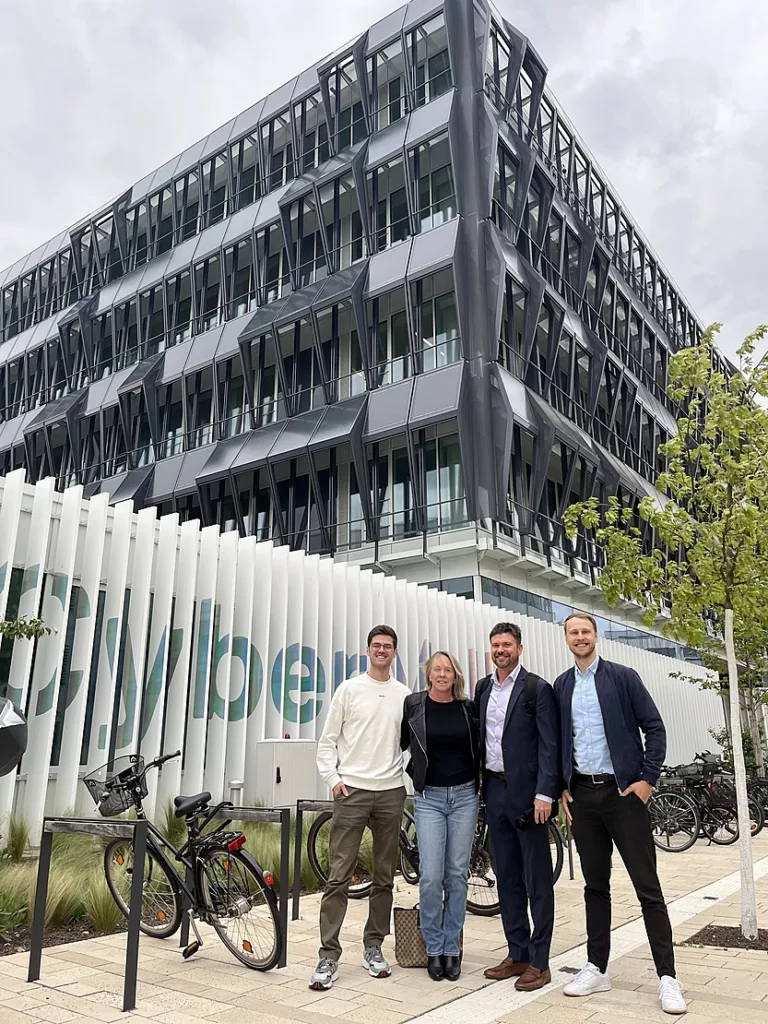
As part of Cyber Valley’s efforts to strengthen international connections and support start-up growth, we met with Drew Chance, Vice President of Economic Development at Opportunity Austin and a local real estate investor on May 13 in Tübingen to discuss opportunities for companies looking to expand into the US market.
Opportunity Austin is a privately funded non-profit organization dedicated to attracting and supporting businesses in the Austin region. Working closely with local government, universities, and industry partners, the organization helps companies establish a presence in one of the fastest-growing technology hubs in the United States.
During the meeting, we learned about several programs designed to support international start-ups, including soft-landing opportunities that can help companies navigate their first months in Austin. These initiatives are aimed at reducing barriers to market entry and accelerating business development in the region. The meeting opened up promising opportunities for future collaboration and provided an additional pathway for Cyber Valley start-ups considering expansion into the US market.
Photo: Cyber Valley
WOMEN OF TECH CONFERENCE 2026 at ARENA2036 in Stuttgart
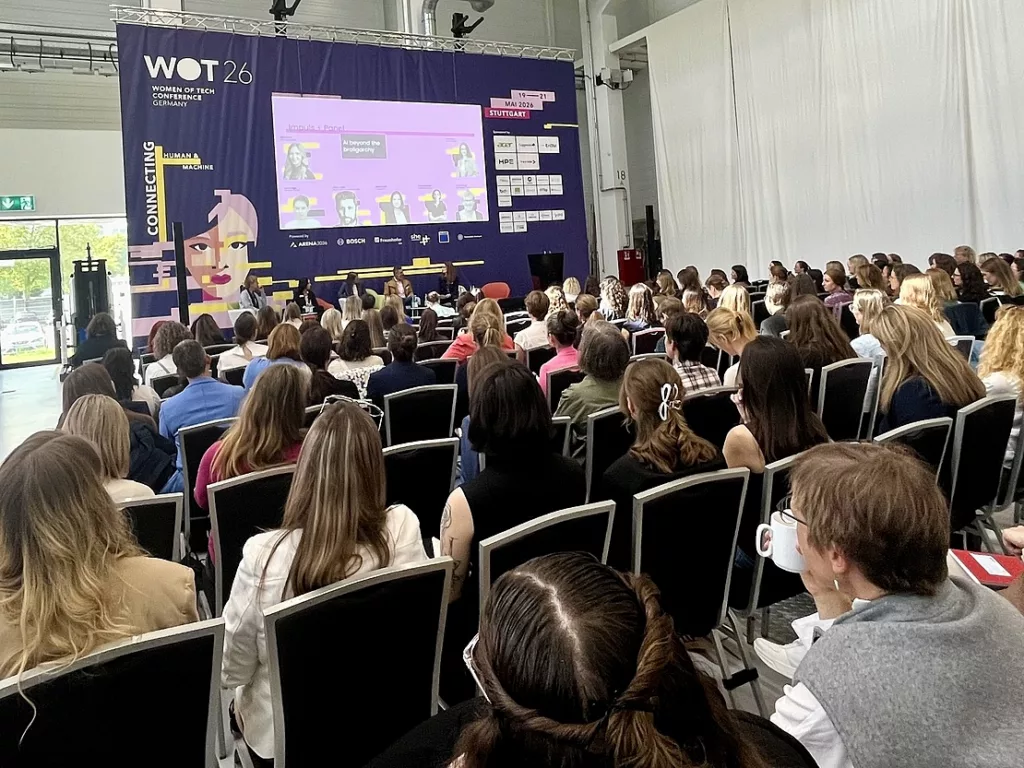
Cyber Valley attended the WOMEN OF TECH CONFERENCE 2026 at ARENA2036 in Stuttgart on May 21, an inspiring event that highlighted both the progress made toward greater diversity in technology and the work that still lies ahead.
Women continue to be underrepresented in many areas of technology, AI, and leadership. Events like the WOMEN OF TECH Conference play an important role in addressing this challenge by creating visibility, fostering meaningful connections, and strengthening professional networks that support women throughout their careers.
Day 2 featured engaging discussions on leadership, emotional intelligence, collaboration, AI, and the future of work. Cyber Valley joined the event to connect with inspiring women across the tech ecosystem and to identify potential speakers for future Cyber Valley events and initiatives. The enthusiasm, openness, and willingness to share experiences made for a particularly inspiring atmosphere.
Photo: Cyber Valley
IP2Invest from Medical Innovations Incubator GmbH at Cyber Valley
On May 21, Cyber Valley was proud to support IP2Invest, an inspiring event from Medical Innovations Incubator GmbH that brought together startups, investors, IP experts, and innovation ecosystem partners for an evening of insightful discussions, valuable networking, and entrepreneurial inspiration.
A key focus of the event was the role of intellectual property in building successful and investor-ready start-ups. Through expert panel discussions and practical insights, participants gained a deeper understanding of how strong IP strategies can support growth, attract investment, and create long-term value.
The event also featured the „Startup BW Elevator Pitch“, where innovative start-ups presented their ideas to a panel of experts and a live audience. Congratulations to OSORA Medical GmbH, which secured first place, as well as QuantiLight and Medora Care, who shared second place, and PediOx, which received third place.
Cyber Valley is committed to fostering connections between research, entrepreneurship, and industry. Events like IP2Invest play an important role in helping innovative ideas move from the laboratory to the marketplace. By bringing together founders, investors, and experts, the event created a valuable platform for knowledge exchange and future collaboration.
The Cyber Valley Start-up Network is expanding, admitting four new members since the start of 2026: Collectu, Protelligence, Radius Dynamics, and Spotium. These start-ups are transferring AI and robotics research into industrial applications, solving real-world problems and supporting sustainable prosperity across Europe.
Collectu builds AI-assisted, no-code data engines for smart factories, connecting machines, sensors, and IT/OT systems within minutes. The start-up provides companies with connectivity, infrastructure, and real-time data processing for AI agents so they can operate reliably in industrial settings.
Protelligence uses AI to streamline and modernize procurement processes. By combining AI agents with deep domain expertise, their platform reduces manual work such as supplier outreach, offer comparison, and data entry.
Radius Dynamics is advancing minimally invasive surgery by working first with surgical instruments rather than the robotic platform. This means they can combine slim kinematic design, proprietary actuation technology, and advanced algorithms to develop intelligent, cost-effective solutions for laparoscopy and flexible endoscopy.
Spotium builds AI-native platforms for industrial market intelligence and lead generation. It helps manufacturers turn fragmented market data into actionable sales insights. By combining AI agents, large language models, proprietary data, and a vertical industrial knowledge graph, the start-up makes complex B2B markets more visible and searchable.
The research-to-market journeys of these start-ups highlight how transferring academic expertise into application leads to tangible impact, powering industry and driving Europe’s sustainable future. Cyber Valley is delighted to welcome these four start-ups to its community!
The Cyber Valley Start-up Network
The Cyber Valley Start-up Network brings together more than 90 innovative AI and robotics start-ups across Baden-Württemberg, forming a strong and growing entrepreneurial community within one of Europe’s leading AI and robotics ecosystems. The network spans a broad range of applications and industries, from foundational AI technologies to applied and industry-specific solutions. Connected through their close ties to Cyber Valley, members benefit from access to world-class research, industry partners, investors, and public stakeholders, jointly strengthening the region’s AI and robotics ecosystem.
This month’s Cyber Valley Impulse focuses on agriculture and sustainability. Experts from research, industry, the public sector, and the innovation ecosystem will exchange insights on how AI and robotics can have a positive impact on agriculture and contribute to a sustainable future for all.
With advances in artificial intelligence, machine learning, and robotics, new forms of agricultural and landscape-care automation are becoming increasingly realistic, opening up questions about which tasks robots should take on first, what kinds of farming systems and landscapes we want to create, and how research, industry, and practice can contribute to this transformation.
What to expect
Insights into current developments and challenges in AI for agriculture and sustainability.
A science marketplace to showcase emerging AI projects in the field.
Exchange between researchers, industry practitioners, and innovators.
Opportunities for collaboration and community building within the region.
Informal networking with experts and stakeholders.
TÜBINGEN, Germany and PARIS, France—May 20, 2026. Kyutai and ELLIS Tübingen announce the official launch of KE:SAI—Kyutai ELLIS Scalable Autonomous Intelligence. KE:SAI is a non-profit open science research laboratory dedicated to the next frontier of artificial intelligence: systems that can understand and act in the real world.
KE:SAI brings together two of Europe’s most prominent AI brands to address the fundamental challenges of world models and physical AI. Founded in Paris in 2023, Kyutai has emerged as one of Europe’s leading AI laboratories, with a focus on breakthrough research with immediate and lasting impact, and a team driven by a shared commitment to openness and excellence. It was originally funded by the iliad Group, CMA CGM and Eric and Wendy Schmidt’s philanthropy.
The ELLIS Institute Tübingen has established itself as a leading center for foundational AI research, attracting top machine learning talent and providing state-of-the-art facilities in Tübingen, Germany. Funded by the Hector Foundation and the State of Baden-Württemberg, and collaborating closely with the Max Planck Institute for Intelligent Systems and the University of Tübingen, it is part of the European Laboratory for Learning and Intelligent Systems, a pan-European network of excellence in machine learning.
KE:SAI has offices in Tübingen and Paris. It provides the specialized resources necessary to conduct world-class frontier research in physical intelligence, including high-performance compute infrastructure and hardware prototyping. By integrating foundational open research and the agility of modern startups, KE:SAI will develop a fully open technology stack for physical AI. Unlike related areas of AI, where sharing of algorithms and models triggered an explosion of innovation, physical AI has yet to benefit from this flywheel. KE:SAI’s mission is to accelerate this transition and democratize physical AI. With Europe’s ecosystem of global automotive and manufacturing leaders, KE:SAI’s open science approach will rapidly translate to real-world industrial scale, establishing itself at the forefront of open-source physical AI.
Cem Özdemir, Minister-President of Baden-Württemberg, says: “I am delighted that Kyutai, the internationally renowned AI research lab based in Paris, is now setting up shop in our AI ecosystem in Tübingen. We extend a warm welcome to them! Bienvenue and welcome. Kyutai’s establishment in Tübingen demonstrates that Baden-Württemberg is at the heart of European AI research. In Tübingen, brilliant minds meet first-class infrastructure. In addition to the Cyber Valley Innovation Campus, with the ELLIS Institute, the Max Planck Institute, and the participating universities, our innovation landscape includes other powerhouses such as the IPAI in Heilbronn or the AI Factory HammerHAI, to name just a few highlights. With the new KE:SAI research lab, top-tier talent is now advancing outstanding research excellence in the fields of 3D computer vision, data-driven simulation, causality, and physical AI. Kyutai and Baden-Württemberg are focusing on scientific excellence to enable world-leading AI research with the goal of achieving Europe’s digital sovereignty. I thank everyone involved who contributed to this success.”
The Cyber Valley AI Launchpad took place at Cyber Valley’s Tübingen Hub for the first time on 4–8 May 2026, bringing together early-stage AI start-ups from leading European innovation ecosystems for a week of mentoring, networking, and ecosystem exploration. Born out of Rise Europe and co-organized by ELIAS (European Lighthouse of AI for Sustainability), Tübingen AI Center, and Cyber Valley GmbH, the program supports AI start-ups as they grow from research into scalable, market-ready ventures.
We welcomed Joao Santos (Tilect, Campus Founders), Marc Willhaus (Optohive, ETH Zurich), and Olof Woxenius (Atramen.to, KTH Innovation) to Tübingen. The goal of the week was to connect these start-ups with research institutions, scientists, corporates, and investors within the Cyber Valley ecosystem.
Program highlights
Throughout the week, the three participants engaged in mentoring sessions, goal-setting workshops, and networking activities across Tübingen and Stuttgart. The start-ups presented their ventures, defined concrete objectives for the program, and explored the Cyber Valley ecosystem through guided tours and meetings with local stakeholders.
Key highlights included a visit to Baden-Württemberg International in Stuttgart, where participants gained insights into doing business in Germany and into collaboration opportunities with corporate innovation teams in industrial AI. An investor insights session with Bosch Venture Capital provided perspectives on venture investment strategies, funding expectations, and positioning AI technologies for the market.
Participants additionally benefited from high-level mentoring provided by Peter Gehler (Professor for Machine Learning Engineering and Technology Transfer at the Tübingen AI Center) and Kerstin Ritter ( Professor of Machine Learning for Clinical Neuroscience at the University of Tübingen and Director at the Hertie Institute for AI in Brain Health).
Photo: Cyber Valley
The program brought the local start-up community together, including at a Founders Breakfast that encouraged informal discussions and peer learning among founders. The week concluded with participation in the Next Frontier AI Roadshow, organized by SPRIND—Federal Agency for Disruptive Innovation in collaboration with Cyber Valley. The event brought together researchers, founders, investors, and ecosystem partners for input talks from SPRIND, a Q&A session, and networking opportunities, giving the start-ups further visibility and access to the broader German AI community.
Overall, the week served as a platform for collaboration between research-driven AI start-ups, industry stakeholders, and the broader AI innovation ecosystem, strengthening connections between European AI hubs and Cyber Valley and supporting our mission to turn excellent research into a sustainable future for everyone.
Here’s what the participants took away from the week, in their own words:
Joao Santos (Tilect, Campus Founders)
Photo: Cyber Valley
“It was inspiring to collaborate so closely with Cyber Valley and Tübingen AI Center throughout the week. Tübingen has a truly unique ecosystem, an impressive blend of state-of-the-art research and academia combined with a strong entrepreneurial spirit that fuels deep-tech start-ups working on some of the most advanced topics in the world. My biggest takeaway was seeing how naturally these worlds connect here, and how much that accelerates what early-stage founders can build.”
Marc Willhaus (Optohive, ETH Zürich)
Photo: Cyber Valley
„My personal highlight was seeing how active and fast-growing the Baden-Württemberg ecosystem is. We had the chance to dive in and connect with brilliant minds and entrepreneurs across the region. The exchange was genuinely inspiring and recharged our entrepreneurial energy. Cyber Valley is an impressive initiative, and I am confident many strong ventures will spark out of it.
Europe stands strong in research, development, and entrepreneurship, but we too often operate in silos and underestimate what other European hubs are building. Being locally present matters, and a single in-person meeting can be the spark for something much bigger.“
Olof Woxenius (Atramen.to, KTH Innovation):
Photo: Cyber Valley
„I was very impressed by the diverse and welcoming ecosystem of founders, academics, and facilitators in Cyber Valley. I strongly believe that Tübingen is, and will continue to be, a positive example for European AI innovation. Visit Cyber Valley and see for yourself!“
There was a lot happening at Cyber Valley last month: here’s a quick roundup of our highlights. Read on to discover how Cyber Valley is translating excellent research into real-world applications for a better future for everyone.
Cyber Valley at VENTURE SPRIND 2026
On April 14, Cyber Valley hosted a session at VENTURE SPRIND 2026 at the Futurium in Berlin.
The session explored how the Cyber Valley ecosystem, together with the Federal Agency for Breakthrough Innovation (SPRIN-D), supports the transition from research to market. Scientists and founders who have experienced this journey shared practical insights into what makes research transfer successful. The discussion highlighted key elements such as strong ecosystem support, effective funding structures, and the shift from research to building a company.
Many thanks to Alex Diehl (Senior Advisor at Cyber Valley GmbH), Martin Kiefel (Co-founder of polybot), and Wieland Brendel (University of Tübingen, ELLS Institute Tübingen, and Co-founder of polybot) for their contributions.
Exchange with FastCode AI Labs
On April 20, Arjun Jain, founder of FastCode AI Labs, visited Cyber Valley in Tübingen to discuss potential collaboration.
FastCode AI Labs helps organizations harness AI to transform how they innovate, operate, and compete from research to real-world deployment. Now registered in Baden-Württemberg, FastCode AI Labs is applying to join the Cyber Valley Start-up Network. Thank you for the visit. We look forward to welcoming you to the network!
Delegation visit from JTC Singapore
On April 23, we welcomed a delegation from JTC Corporation to Cyber Valley in Stuttgart. The corporation is Singapore’s master developer behind the Jurong Innovation District (JID), the country’s leading advanced manufacturing hub.
The delegation, including Christine Wong (Assistant CEO, Cluster Group), Lim Junwei (Director, Industrial Estates (North) Cluster), and Jessica Chen (Manager, Precision Engineering Department), received an overview of the regional ecosystem. With JTC’s network of around 700 start-ups and Cyber Valley’s network of more than 100, there is strong potential for collaboration, including a possible joint exchange initiative.
Spektrum der Wissenschaft readers visit
On April 24, we had the pleasure of welcoming readers from “Spektrum der Wissenschaft” at Cyber Valley in Tübingen.
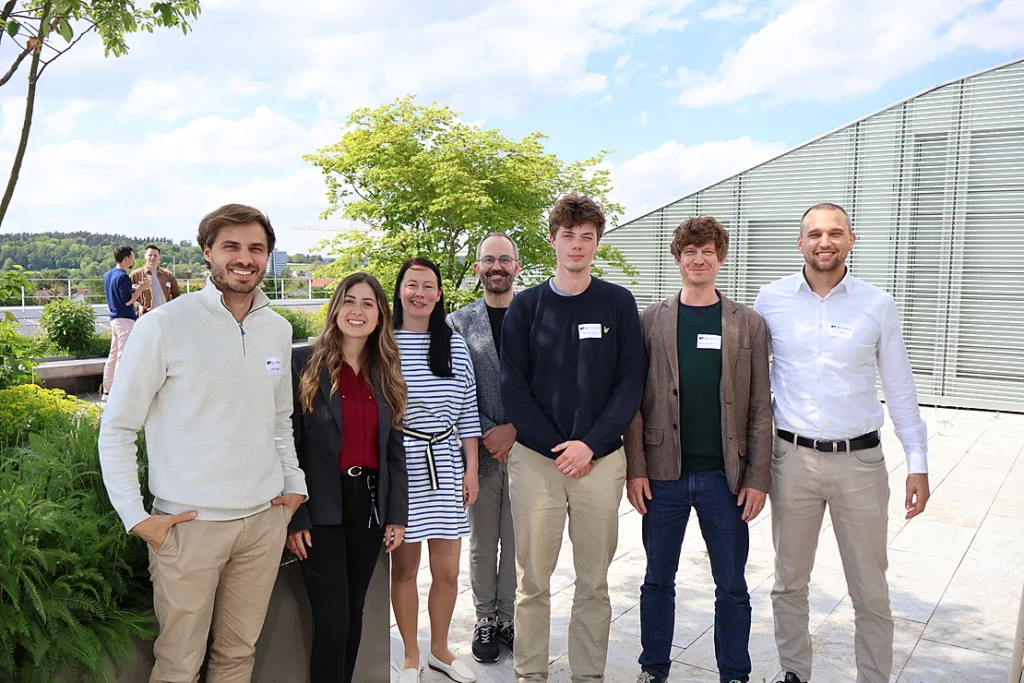
Organized by the Max Planck Institute for Biological Cybernetics, guests enjoyed neuroscientific talks and lab visits. Moreover, they got a glimpse into one of Europe’s leading centers for AI and modern robotics, showing them how excellent research can be transferred into real-world applications that benefit society. After an introduction to the Cyber Valley Innovation Campus, there was plenty of time for questions and the chance to enjoy the view of the Swabian Alb from our roof terrace. Thanks for the visit and the lively discussions!
Cyber Valley Impulse on health and life sciences
On April 28, the Cyber Valley Impulse on health and life sciences took place in Tübingen. Experts from science and industry shared insights on how AI-driven technologies can enhance healthcare, biomedical research, and life-science applications.
Thanks to our excellent speakers and contributors: Katja Mombaur (High Performance Humanoid Technologies (H2T), Institute for Anthropomatics and Robotics (IAR), Karlsruher Institut für Technologie (KIT)), Max B. Schäfer (Institut für Medizingerätetechnik, Universität Stuttgart), Andrea Leibfried (Health + Life Science Alliance Heidelberg Mannheim), Yannick Sauer (Carl Zeiss Vision International GmbH), Christian M. Schürch; (Vicinity Bio GmbH), and Klara Altintoprak (BioRegio STERN Management GmbH).
The next Impulse on govtech and cyber security will happen on June 16 in Karlsruhe. Registration will open in early June. Find out more.
In 2016, important actors from science, industry, and politics founded the Cyber Valley Consortium, which became the first Innovation Campus in Baden-Württemberg. Ten years on in 2026, we’re revisiting the most important milestones from the last decade. Each month, we’ll focus on a particular year since Cyber Valley’s beginning.
This month, we’re looking back to 2019, when the Cyber Valley Start-up Network was founded to build and nurture a community of start-up entrepreneurs. The Cyber Valley Start-up Network has grown rapidly over the past years, from the initial seven founding members at the end of 2019 to more than 100 start-ups in 2026.
In 2022, Optocycle joined the Start-up Network. Optocycle develops AI-based systems for the optical classification of construction waste. Their technology enables optimal use of demolition material, promoting a circular economy.
In the following interview, CEO Max-Frederick Gerken explains how the idea for Optocycle emerged, how being part of the Start-up Network has supported the company’s development, and how AI-driven material classification can contribute to a more circular and sustainable construction industry.
How did the idea for Optocycle originate, and what problem were you initially trying to solve?
Interestingly, we didn’t start in construction. Initially, we were building AI to recognize fruits and vegetables at supermarket checkouts. The pivot came when a contact from the recycling industry highlighted a much bigger problem: construction waste is still classified manually: slow, subjective, and inefficient.
We realized that the core issue is missing data. That’s why we built Optocycle: combining optical sensor systems with AI to create a reliable, real-time data layer for material flows and enable true circular construction.
How did your research and experience within the Cyber Valley ecosystem contribute to founding the company?
It didn’t directly contribute to founding the company, as Optocycle was already established at that point. However, we did benefit from funding within the Cyber Valley ecosystem, which supported us in scaling our team and further developing our technology. Beyond that, the ongoing exchange within the network has been consistently valuable and interesting.
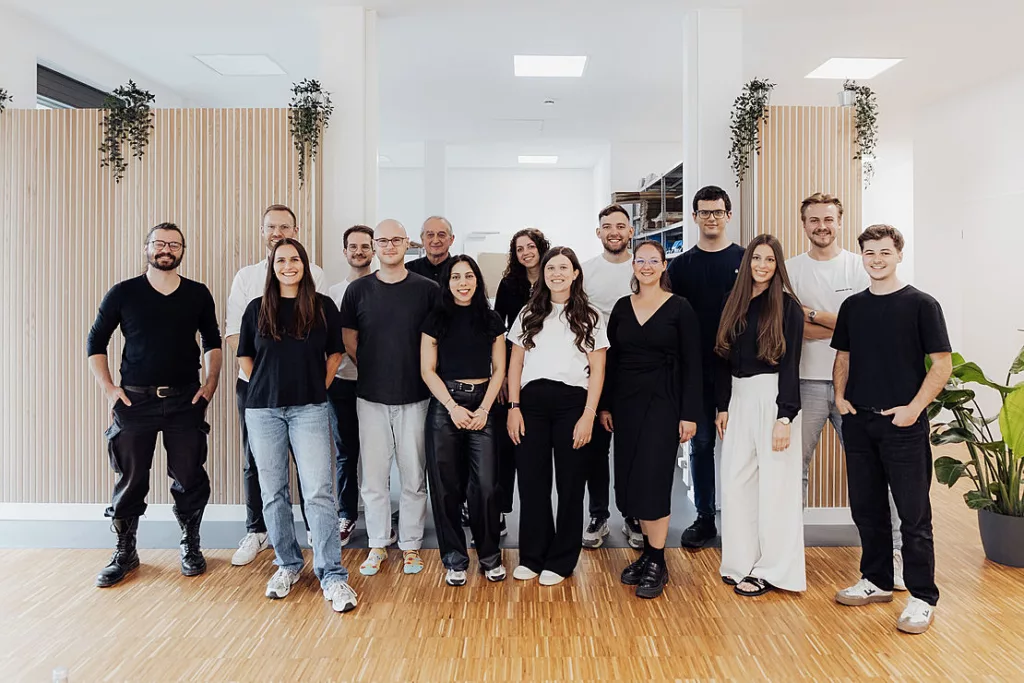
The Optocycle team | (c) Optocycle
How do you see Optocycle’s work contributing to a future where AI research has a long‑term, positive, and sustainable impact on society?
At Optocycle, we see our work as a very applied example of how AI can drive tangible, long-term positive impact, particularly in industries that have historically been difficult to transform, such as construction and circular materials management.
Our core contribution lies in using AI and advanced sensing technologies to make material flows transparent and measurable. This is a prerequisite for any functioning circular economy. Today, a significant share of valuable materials is still downcycled or lost entirely because there is insufficient data about their composition and quality. By generating reliable, real-time data, we enable better decision-making across the value chain, from sorting and recycling to reintegration into new products.
From a sustainability perspective, this directly contributes to reducing waste, lowering CO₂ emissions, and preserving finite resources. But beyond the environmental aspect, we also see a structural impact: AI, when deployed thoughtfully, can help modernize traditionally analog industries and make them more efficient, data-driven, and resilient.
Importantly, we believe that the long-term societal value of AI will depend less on abstract breakthroughs and more on its integration into real-world systems. Our approach is therefore to embed AI into physical processes with clear economic and ecological benefits. This ensures that the technology is not only innovative, but also scalable, economically viable, and aligned with sustainability goals
What was the biggest lesson you learned from your founding journey? And what advice would you give to others who are considering taking the leap?
The biggest lesson from our founding journey has been the importance of building solutions strictly around real customer needs, not for the sake of technology or innovation itself. Especially in deeptech and AI, there’s a strong temptation to develop sophisticated solutions first and look for applications later. In practice, that approach rarely leads to sustainable businesses.
What truly made a difference for us was maintaining a strong customer focus from early on: deeply understanding pain points, validating assumptions quickly, and iterating based on real-world feedback. This ensures that what you build is not only technically impressive, but also commercially relevant and scalable.
For anyone considering taking the leap, the advice would be: stay as close to your customers as possible. Talk to them early, challenge your own assumptions, and be willing to adapt your solution, even if that means pivoting away from your original idea. Execution matters, but direction matters more, and that should always be guided by real demand.
To celebrate Cyber Valley’s ten-year anniversary, we’ll be sharing a variety of content across our website and social media channels reflecting on milestones from the last decade. Stay tuned for the next installments!