This edition of Cyber Valley Impulse focuses on govTech and cybersecurity. Experts from research, industry, the public sector, and the innovation ecosystem will exchange insights on how AI-driven technologies can strengthen digital governance, enhance public services, and improve cybersecurity resilience.
As part of the Cyber Valley Impulse event series, this edition highlights applications of intelligent systems in government technology and cybersecurity. Advances in artificial intelligence, machine learning, and data-driven approaches are reshaping public services, digital governance, and cybersecurity, creating new opportunities for secure, efficient, and citizen-centric innovation.
The event provides a platform for knowledge exchange, discussion, and networking between academia, industry, and the innovation ecosystem.
What to expect
Insights into current developments and challenges in AI for health and life sciences.
A science marketplace to showcase emerging AI projects in the field.
Exchange between researchers, industry practitioners, and innovators.
Opportunities for collaboration and community building within the region.
Informal networking with experts and stakeholders.
Program
A detailed agenda, speakers, and session format will be announced soon.
There was a lot going on at Cyber Valley last month. Here’s a quick rundown of our highlights:
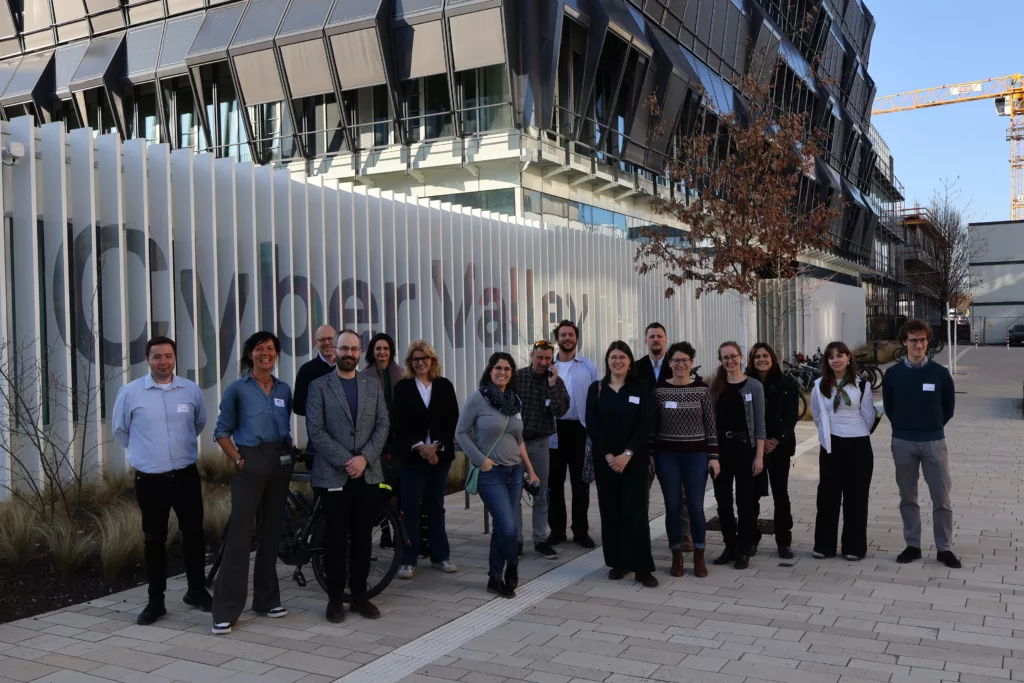
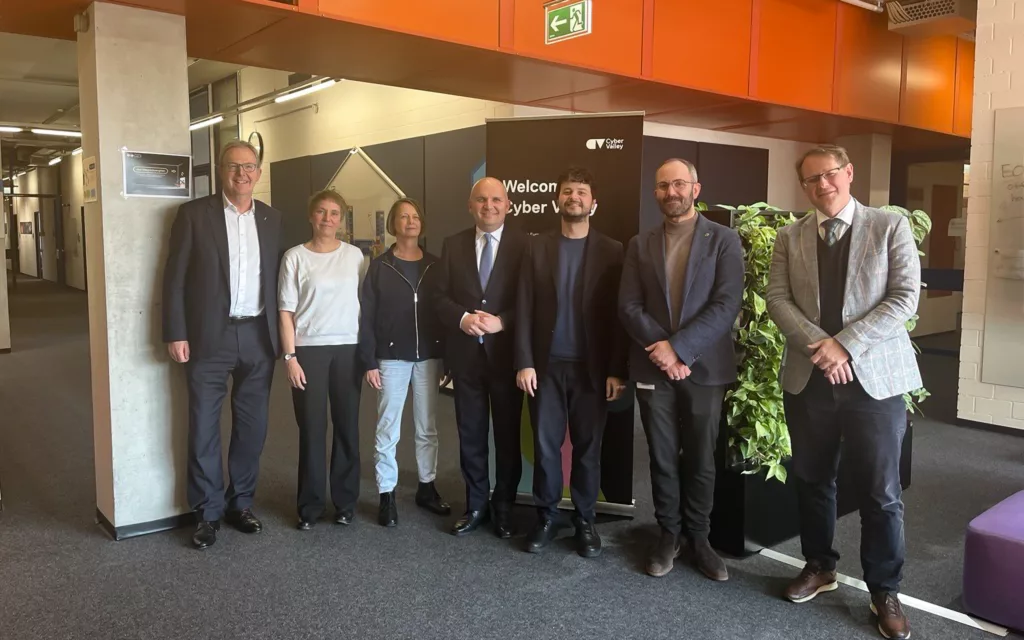
On March 4, we had the pleasure of welcoming journalists from across Europe to Cyber Valley Tübingen. The program, organized in collaboration with the Deutsch-Französisches Institut in Ludwigsburg, offered a fantastic overview of the research, innovation, and collaboration happening across the Cyber Valley Innovation Campus. The afternoon kicked off with inputs from Florian K. Mayer (CEO of Cyber Valley GmbH), Tobias Leismann (Managing Director at ELLIS Institute Tübingen), and Philipp Hennig (Director at Tübingen AI Center). Christoph Koch, former “Journalist in Residence”, gave insights into the Journalist in Residence Program, followed by pitches from the Cyber Valley Start-up Network: Laura Neusser (Chief Communication Officer at Optocycle) and Anand Waghmare (CEO and Co-Founder of Yugen Space). The afternoon was rounded off by lab visits from Tsvetelina Alexiadis and Michael Muehlebach at the Max Planck Institute for Intelligent Systems, as well as Martin Kiefel, Co-Founder of polybot.
Photo: Cyber Valley
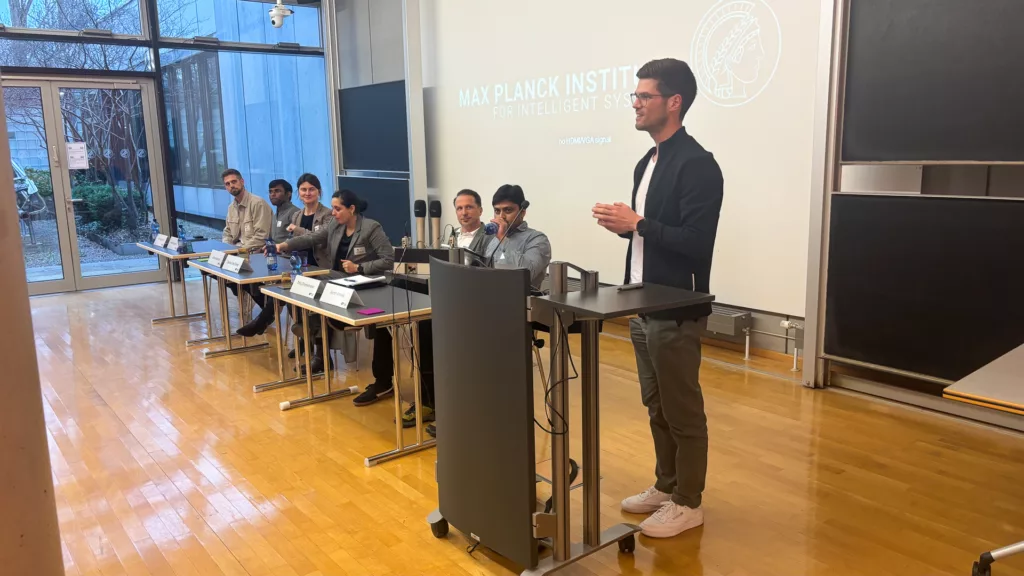
On March 17, the Cyber Valley Impulse series began, focusing on AI in Mobility and Aerospace. Researchers, start-ups, corporates, and investors met at the Max Planck Institute for Intelligent Systems in Stuttgart to discuss vision-based perception for aerial robots, AI in aerospace systems, automated driving, and new funding opportunities in mobility technologies. Speakers included: Aamir Ahmad (University of Stuttgart), Thilo Zimmermann (Innovation Campus Future Mobility), Zamira Daw Perez (Institute of Aircraft Systems), Ulrike Weinrich (FKFS Research Institute for Automotive Engineering and Powertrain Systems), Anand Waghmare (Yugen Space), and Frederik Boenke (NUVUS).
Photo: Cyber Valley
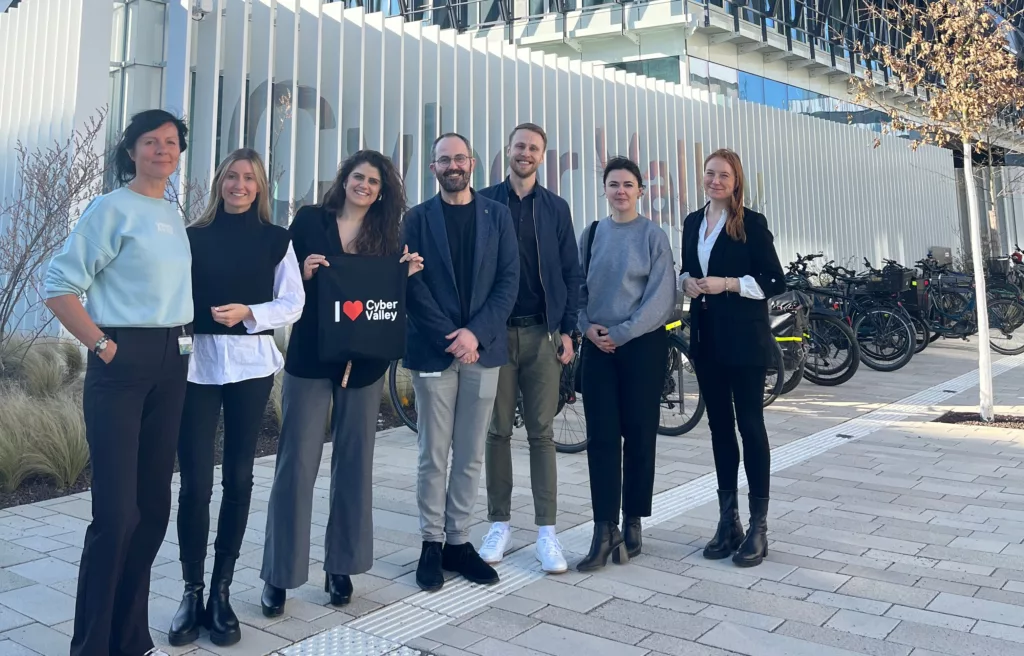
On March 19, we were delighted to welcome representatives from IPAI and IPAI Foundation at Cyber Valley in Tübingen for an exchange on future collaboration opportunities. It was a pleasure to host Jana Strattner, Tamara Pyter, and Sofia Willhauk—three driving forces behind IPAI’s mission to build a vibrant ecosystem for applied artificial intelligence.
By aligning strengths and working together, we can create even greater value for the ecosystem as a whole in Baden-Württemberg—reflecting a responsible approach that also considers the social and ethical implications of AI. The exchange highlighted our common goals: accelerating the transfer of AI research into applications, strengthening networks, and building meaningful collaborations across regions. Through this collaboration, we aim to build bridges between research, society, and industry to create a vibrant ecosystem for applied AI in Baden-Württemberg.
Photo: Cyber Valley
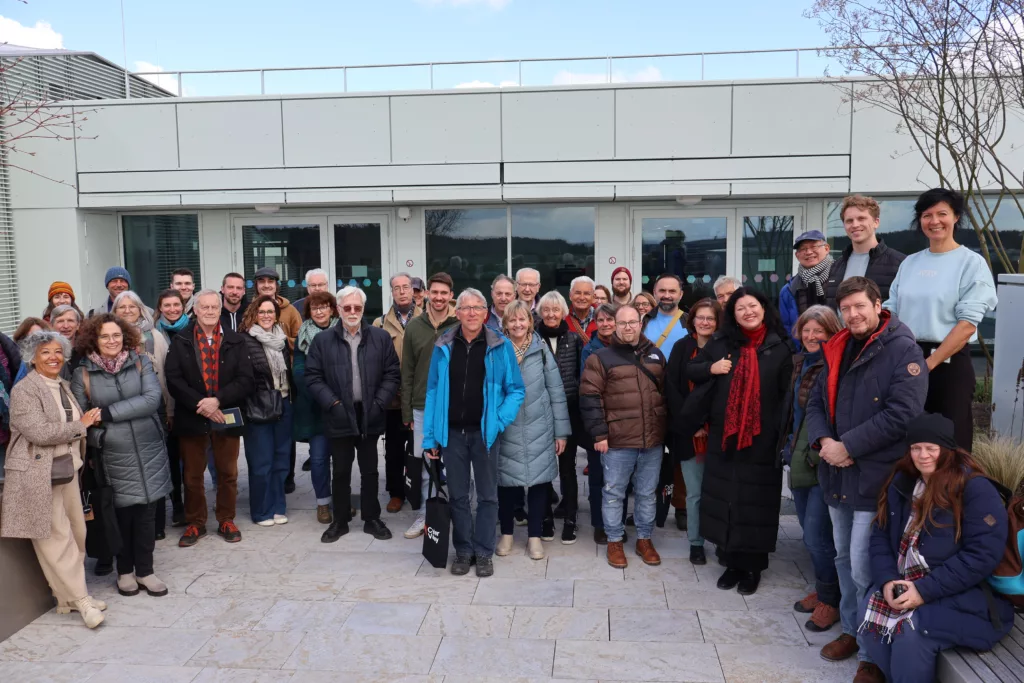
On March 27, representatives from “Tourismus und Stadtmarketing Tübingen GmbH” visited Cyber Valley in Tübingen. Tübingen’s tour guides and Stocherkahn operators were given an introduction to the Cyber Valley Innovation Campus. After an overview presentation, our guests joined a guided tour through the campus in Tübingen. At Cyber Valley, our mission is to turn AI and robotics research into real-world solutions that benefit people, industry, and society. An important part of that is engaging with the public and opening our doors to the community.
That’s why we are excited to launch our upcoming Campus Tours in Tübingen, where everyone will be welcome to explore the campus and learn more about the research happening here. Dates will be announced soon.
Photo: Cyber Valley
On March 30, we welcomed members of the European Parliament Ilhan Kyuchyuk, Axel Voss, Brando Benifei, and Anze Erbeznik to Cyber Valley in Stuttgart for an engaging exchange on Europe’s evolving AI landscape. Together with Regina Ammicht Quinn and Jessica Heesen from the International Center for Ethics in the Sciences and Humanities at Eberhard Karls Universität Tübingen, as well as Florian K. Mayer, CEO of Cyber Valley GmbH, they discussed key developments shaping Europe’s AI ecosystem. Topics included European AI legislation and the EU Artificial Intelligence Act, the ethical implications of AI, digital autonomy, and questions surrounding our digital afterlife.
In 2016, important actors from science, industry, and politics founded the Cyber Valley Consortium, which became the first Innovation Campus in Baden-Württemberg. Ten years on in 2026, we’re revisiting the most important milestones from the last decade. Each month, we’ll focus on a particular year since Cyber Valley’s beginning.
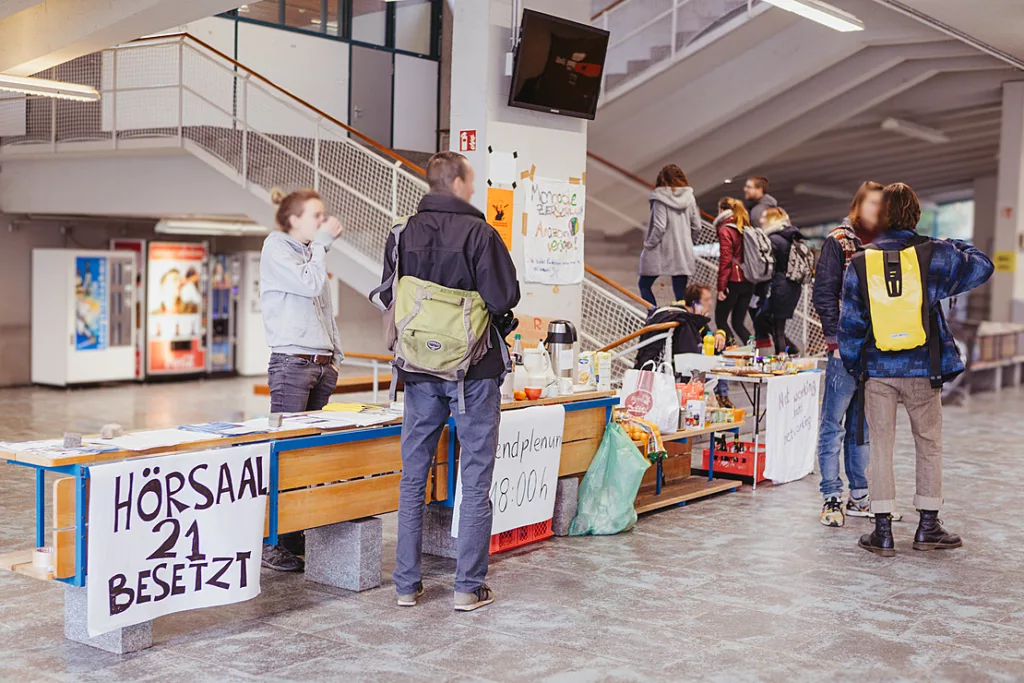
This month, we’re looking back to 2018, which marked an important moment for the exchange between AI research and society in Tübingen. From the end of November to the beginning of December, activists occupied a lecture hall in the Kupferbau (a university lecture hall in Tübingen) to demonstrate their concerns with Cyber Valley. They drew attention to the Innovation Campus’s collaboration with private companies and demanded greater public involvement in decision-making and transparency about its research.
The lecture hall occupation demonstrated the public’s interest in AI and the importance of open conversations about its impact on society. To increase dialog between researchers and the public, Cyber Valley launched several initiatives, including the Cyber Valley Public Advisory Board, the Cyber and the City exhibition at the Tübingen Stadtmuseum, the KI-Bürgerrat, as well as numerous public engagement activities from Cyber Valley GmbH.
Engaging the public in AI research: Philipp Hennig, Professor for the Methods of Machine Learning at the University of Tübingen
While the protests came as a surprise to many members of the Cyber Valley Community, they highlighted the importance of public engagement when building Baden-Württemberg’s future with AI. To ensure that the whole of society benefits from Cyber Valley’s research and collaboration with industry, the public needed to be involved in decision-making, as Philipp Hennig explains:
“On a late morning in 2018, I showed up for my lecture in the Kupferbau to find the building occupied. I walked up to the protest camp, interested to see what good cause the students were fighting for. It took a few bewildered moments before I realized that their banners had something to do with me. But I believe the protesters may also not have realized that there was a lecture in the building by and for the very people they were protesting against. At least, they seemed unprepared when I asked them to join me in the lecture hall so we could talk in front of my students.
Over the weeks that followed, I understood this mutual surprise was a metaphor for the situation in town. Students and the wider public did not know or understand what was happening on our nascent AI campus on the hill. And how could they? We had never made an effort to tell them. In our defense, it had not occurred to us that anyone would want to know. AI was still an emerging topic then. Many of us academics, myself included, thought of our work as a nerdy niche.
December 2018 and January 2019 would prove to be a very stressful time. But in hindsight, I am grateful for the experience. Many of my colleagues, from PhD students to professors, stepped up to speak publicly, often in antagonistic settings, about their work, and the often misunderstood administrative details of research funding. Perhaps the most interesting effect of the protests was what it did to Computer Science students. Most of them were initially indifferent. But as they found themselves forced to side with either their fellow students from other faculties or their own professors, many of them became increasingly engaged.
I learned that winter that explaining oneself—in public, and in person—is painful, but worth it. Seven years later, Tübingen may be more harmonious. But the question to our students has only become more pertinent: What kind of world do they want to build with AI?”
Photo: Friedhelm Albrecht/Universität Tübingen
Founding the Cyber Valley Public Advisory Board: Regina Ammicht Quinn, Senior Professor at the International Center for Ethics in the Sciences and Humanities (IZEW) at the University of Tübingen
One of the outcomes from the protests was the establishment of the Cyber Valley Public Advisory Board (PAB)—an independent committee that critically questions the ethical and social implications of the research projects from the Cyber Valley Innovation Campus. Here, PAB spokesperson, Regina Ammicht Quinn, recounts her experiences of the protests and how they led to the PAB’s founding:
“I experienced the occupation of the Kupferbau as remarkably civilized and cooperative. There were notes everywhere about what was allowed and what was not, chess was played in the afternoon, and the atmosphere was generally characterized by politeness and mutual respect. For example, when I wanted to hold an event in the Kupferbau as part of my lecture series on the topic of “Discrimination by Algorithms”, the sleeping bags were unceremoniously put aside so that the lecture could take place. In my opinion, the protesters did not formulate any concrete demands. Rather, they articulated general concerns and fears about the social consequences of artificial intelligence—questions and uncertainties that, in my view, have lost none of their relevance to this day.
The occupation’s aim was to draw attention to problems: next to the main demand ‘Amazon not in Tübingen!’, came calls for greater transparency—especially regarding possible weapons research—and fears of the already difficult housing situation deteriorating further. There were no concrete problems that were easy for the university to solve. The students articulated general concerns and fears regarding AI’s social consequences—questions and uncertainties that, in my view, have lost none of their relevance to this day. Universities are also committed to society, so a lecture hall can sometimes be a place of protest.
The establishment of a Public Advisory Board in Cyber Valley was therefore a necessary and important step. The Public Advisory Board should create the space in which social perspectives, ethical questions, and public concerns about AI research are brought into discussion. The board’s initial responsibilities included reviewing project proposals and making recommendations. It did not expressly see itself as a moral control body. Rather, it saw its role in pointing out that digital research should be more interdisciplinary and that additional scientific perspectives are necessary to broaden horizons.”
Cyber and the City: Thomas Thiemeyer, Professor for empirical cultural studies at the University of Tübingen
The protests also gave an impetus to cultural researchers like Thomas Thiemeyer, who curated the Cyber and the City exhibition at the Tübingen Stadtmuseum. The exhibition ran from February 2023 to January 2024 and gave an overview of the developments and debates surrounding AI research in Tübingen. For Thiemeyer, it offered a space for the public to engage with this topic following the protests in 2018:
“The protests raised some of the big questions related to AI that were little discussed publicly in Germany at the time: Where will our city develop if the tech industry and AI research become central players? What does AI do to our society? How does it change our everyday lives? And which economic models (keyword: ‘surveillance capitalism’) do we support with new technologies? What does this mean for scientific research, whose independence from commercial interests and political expectations is important?
The protests were the reason why we, as cultural researchers, dealt with the topic and finally made an exhibition on it. The protests meant that the topic of AI in Tübingen and Stuttgart became a topic for the people of Tübingen, where fundamental questions of urban and social development were negotiated. Protests are always interesting for cultural studies because they force societies to reflect upon themselves and make corrections.
A continuing dialog with the public about AI research and application is important because new technologies always change people’s lives. These technologies affect all of us and are therefore a subject of political discussion. For these discussions to be conducted not only by a few experts, but by as many citizens as possible, information is a prerequisite.”
The events of 2018 highlighted the importance of open discussions about new technology. AI developments not only raise scientific and technological questions but also touch on societal expectations, hopes, and concerns. This is why it is crucial to create spaces for the exchange of different perspectives.
Public engagement is an important part of Cyber Valley’s activities. Various public engagement formats and initiatives promote continuous exchange between researchers and the public—from dialog events and exhibitions to participatory formats such as citizens’ dialogues and campus tours. The aim is to make AI understandable, include different perspectives, and consider the social dimensions of new technologies.
To celebrate Cyber Valley’s ten-year anniversary, we’ll be sharing a variety of content across our website and social media channels reflecting on milestones from the last decade. Stay tuned for the next installments!
Led by Ardian Jusufi, this project investigated how biology and biomechanics can inform the design of soft robotic systems. Its goal was to develop flexible, stretchable, and potentially biocompatible materials that can sense deformation, pressure, and movement while adapting to complex surfaces.
The research combined soft sensors, hydrogel actuators, and bio-inspired robot designs. It also used robophysical models—simplified physical robots that allow researchers to test how biological bodies move and interact with their environment. The project concluded in February 2023.
Key results
Developed flexible and stretchable sensors for measuring strain, pressure, curvature, and body deformation.
Improved pressure sensing in situations where the sensor itself is stretched, addressing the trade-off between sensitivity, robustness, and durability.
Created multilayer hydrogel actuators with improved strength, stretchability, and fluidic performance.
Integrated soft sensors into bio-inspired robots, including an underwater robotic fish, to measure body movement and provide feedback during locomotion.
Used soft robotic fish and animal-inspired robots to study swimming, obstacle traversal, tail movements, mass distribution, and landing stability.
Demonstrated that soft sensors can measure body undulation and support closed-loop control, allowing a robotic fish to respond to changing flow conditions.
Used biorobotic models to test biological hypotheses, including how squirrels use their tails to reorient themselves during falls and how geckos use their tails to stabilise crash landings.
Why it matters
Soft robots can deform, absorb impacts, and adapt to their surroundings more easily than rigid machines. Sensors that stretch and move with a robot are therefore essential for reliable control and for measuring the robot’s interaction with its environment.
This research contributes to more adaptable soft robots, wearable and skin-like sensors, underwater systems, and bio-inspired machines. It also shows how soft robotics can function as a scientific tool: robotic models make it possible to measure forces and movements that are difficult to study directly in living animals.
Publications and output
Souri H, Banerjee H, Jusufi A, Radacsi N, Stokes A, Park I, Sitti M, Amjadi M. Advanced Int. Sys. 2 (8) 2000039. Wearable and Stretchable Strain Sensors: Materials, Sensing Mechanisms, and Applications. 2020. Advanced Intelligent Systems, Volume: 2, Issue: 8, 2020. DOI: https://doi.org/10.1002/aisy.202000039
Wright B, Vogt D, Wood R, Jusufi A*. IEEE International Conference on Soft Robotics (RoboSoft). Soft Sensors for Curvature Estimation under Water in a Soft Robotic Fish. COEX, Seoul, Korea, 2019.
Siddall R, Fukushima T, Bardhi D, Perteshoni B, Morina A, Hasimja E, Dujaka Y, Haziri G, Martin L, Banerjee H, Jusufi A*. Advanced Robotics 35 (7). Compliance, Mass Distribution and Contact Forces in Cursorial and Scansorial Locomotion with Biorobotic Physical Models. 2021. https://www.tandfonline.com/doi/full/10.1080/01691864.2021.1887760.
Fukushima Toshihiko, Robert Siddall,Fabian Schwab, Severine Toussaint, Greg Byrnes, John Nyakatura, and Ardian Jusufi. Inertial tail effects during righting of squirrels in unexpected falls: From behavior to robotics. Integrative and Comparative Biology, icab 023, 2021.
Lin Yu-Hsiang, Siddall R, Schwab F, Fukushima T, Banerjee H, Youngjoon Baek, Daniel Vogt, Yong-Lae Park, and Jusufi A. Modeling and control of a soft robotic fish with integrated soft sensing. Advanced Intelligent Systems, 2000244, 2021.
Fabian Schwab, Elias T Lunsford, Taehwa Hong, Fabian Wiesemüller, Kovac M, Park YL, Akanyeti O, Liao J C, and Jusufi A. Body caudal undulation measured by soft sensors and emulated by soft artificial muscles. Integrative and Comparative Biology, 2021.
Fabian Schwab, Fabian Wiesemüller, Claudio Mucignat, Yong-Lae Park, Ivan Lunati,Mirko Kovac, and Ardian Jusufi. Undulatory swimming performance explored with a biorobotic fish and measured by soft sensors and particle image velocimetry. Frontiers in Robotics and AI, page 387, 2021.
Robert Siddall, Greg Byrnes, Rob J. Full and Ardian Jusufi, Tails stabilize landing of gliding geckos crashing head-first into tree trunks’, Communications Biology, 2021.
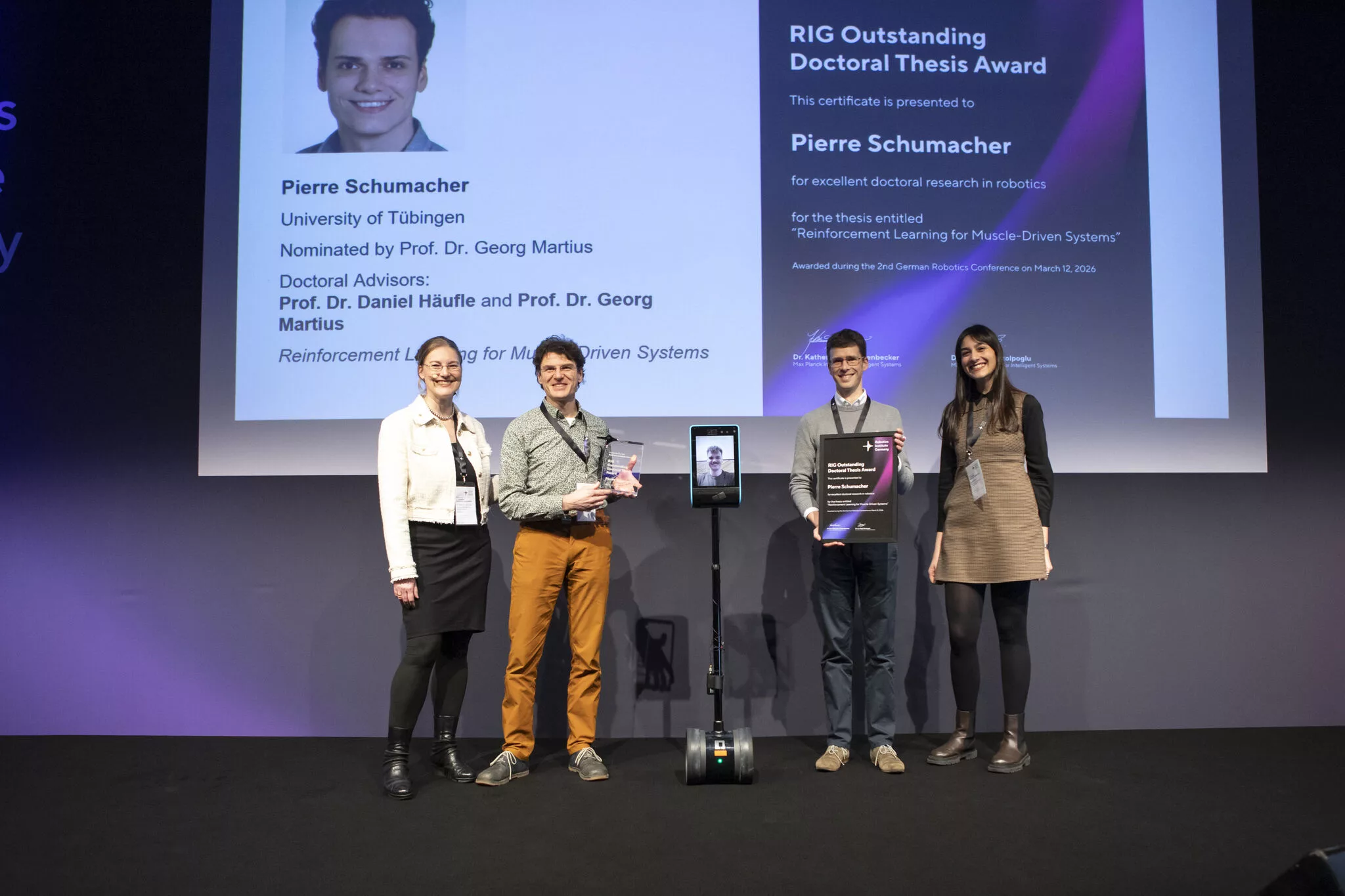
Pierre Schumacher has been selected as one of the two recipients of the “RIG Outstanding Doctoral Thesis Award”, recognizing exceptional doctoral research in robotics in Germany. The award was officially announced during the “RIG Heroes Award Night 2026” at the German Robotics Conference 2026, organized by the Robotics Institute Germany (RIG), in Cologne on March 12.
Schumacher’s dissertation, “Reinforcement Learning for Muscle-Driven Systems,” was selected from 27 nominations submitted by 16 institutions across Germany. Following an extensive evaluation process, an international selection committee chose two equal awardees, citing Schumacher’s work for its “scientific depth, originality, and impact”.
Pierre Schumacher conducted his doctoral research at the Max Planck Institute for Intelligent Systems in Tübingen under the supervision of Prof. Georg Martius (University of Tübingen) and Prof. Daniel Häufle (Hertie Institute for Clinical Brain Research) funded by the Cyber Valley Research grant “Learning effcient control of non-linear muscle-driven systems: Morphological computation as guiding principle”. His project was part of the Cluster of Excellence “Machine Learning: New Perspectives for Science” and the Center for Bionic Intelligence Tübingen Stuttgart (BITS). His dissertation, “Reinforcement Learning for Muscle-Driven Systems,” addresses challenges in controlling complex, highly overactuated robotic and biomechanical systems by developing new machine learning methods.
A central contribution of the work is the development of DEP-RL, a reinforcement learning approach that improves exploration and learning in systems with many redundant actuators, such as musculoskeletal models. Using this method, Schumacher demonstrated efficient learning for tasks involving complex simulated bodies, including a human model with dozens of muscles and animal-inspired locomotion systems.
Pierre’s research also explored how muscle-like actuation can improve learning performance and robustness in robotic systems. In collaborative studies, Schumacher and colleagues showed that musculoskeletal models can lead to more data-efficient and stable learning in anthropomorphic control tasks. More recent work demonstrated that reinforcement learning can produce natural and robust bipedal walking in musculoskeletal simulations without relying on motion-capture demonstrations.
Schumacher began his academic path with a trinational bachelor’s degree in physics that took him to universities in France, Luxembourg, and Germany. After completing his B.Sc. in physics in Saarbrücken 2017, he shifted toward computational approaches and pursued a master’s degree at Goethe University Frankfurt in Frankfurt am Main. In 2021, he joined the Max Planck Institute for Intelligent Systems and the Hertie Institute for Clinical Brain Research in Tübingen with Prof. Georg Martius and Prof. Daniel Häufle for his PhD in Computer Science, which he completed in 2025.Schumacher’s expertise has also attracted industry attention: he joined MyoLab, a startup based in New York focusing on musculoskeletal control technologies, last year.
The RIG Outstanding Doctoral Thesis Award highlights emerging researchers whose doctoral work significantly advances robotics research in Germany. Schumacher’s selection underscores the growing importance of combining machine learning, biomechanics, and embodied intelligence to enable the next generation of adaptive robotic systems.
Meshcapade has been acquired by Epic Games. As part of the acquisition, Epic Games is establishing a presence in Cyber Valley. The Meshcapade team will join Epic’s AI research team, contributing to technologies for Unreal Engine and MetaHuman.
Meshcapade, is a spin-off of the Max Planck Institute for Intelligent Systems (MPI-IS) in Tübingen and one of the earliest members of the Cyber Valley Start-up Network. The start-up develops advanced technologies for the creation and animation of digital humans. Founded in 2018, the start-up received the inaugural Max Planck Startup Award from the Stifterverband in 2022. Epic Games is a U.S. game developer and creator of Unreal Engine, a game development technology.
Meshcapade’s technology builds on the Institute’s SMPL (Skinned Multi-Person Linear) body model, a highly realistic 3D representation of the human body trained on thousands of 3D scans. Licensed through Max Planck Innovation, the technology transfer arm of the Max Planck Society, SMPL has become the de facto standard for 3D human representation in both academia and industry. The technology was developed by co-founders Naureen Mahmood and Talha Zaman together with Michael J. Black, Director of Perceiving Systems at MPI-IS.
The Meshcapade team will now join Epic Games, which is opening a new office in Tübingen. This move strengthens Epic’s presence in Cyber Valley, one of Europe’s leading AI innovation ecosystems, and underscores the region’s role as a hub for cutting-edge research and industry collaboration in artificial intelligence, computer vision, and digital human technologies.
Read the full news story from the Max Planck Society here:
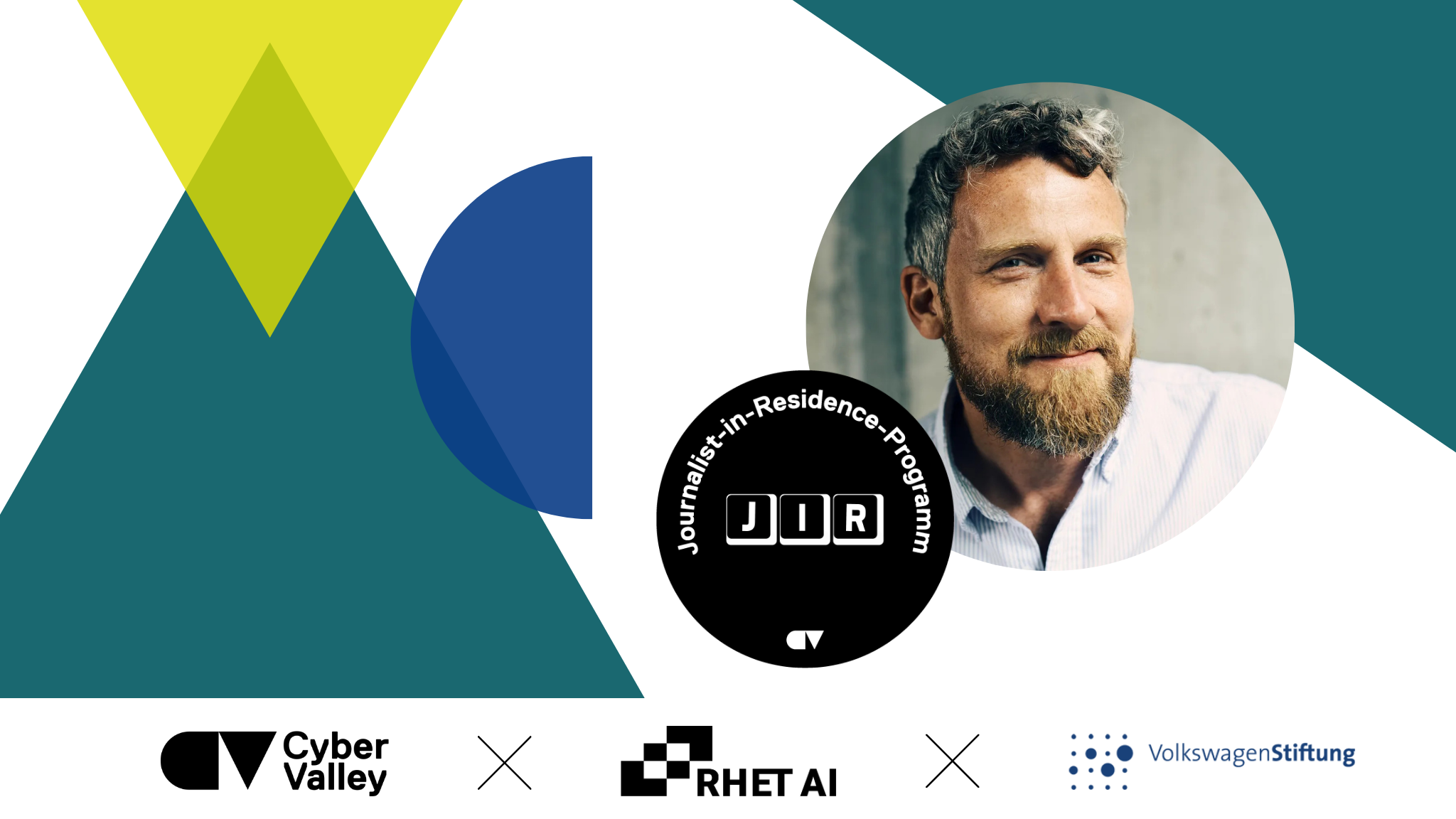
The Cyber Valley Journalist-in-Residence program offers up to two journalists the opportunity to explore their own questions about artificial intelligence during a three-to-six-month residency at Cyber Valley.
The focus is on how AI applications can be used effectively in journalism and how evidence-based, differentiated reporting on the technologies behind the term “artificial intelligence” can be ensured. The selected journalists are chosen by an independent jury and work completely freely during their stay, with no restrictions on content. Cyber Valley expressly does not expect any reporting on AI topics or about Cyber Valley. Instead, the focus is on open exchange with researchers from various disciplines. The program takes place twice a year and promotes critical dialogue between science and the media, with the aim of opening up new perspectives on the social implications of AI.
Silke Dutz manages Cyber Valley’s Public Engagement by opening its doors to the community and engaging with the public through formats such as Campus Tours, Open House Days, and Science Festivals, while keeping in mind the critical reflection on the ethical and social implications of AI research.
Christoph Koch war als „Journalist in Residence“ von Oktober bis Dezember in Tübingen zu Gast. In dieser Zeit hatte er Gelegenheit, der Frage nachzugehen, wie emotionale Interaktionen mit KI-Systemen die Beziehung zwischen Mensch und Maschine verändern könnten. Sei es als bester Freund, aufmerksame Zuhörerin, unterstützende Psychotherapeutin oder romantischer Partner.
In seiner Abschlusspräsentation am 29. Januar 2026 wird Christoph berichten, was er in Gesprächen mit Forschenden sowie aus erster Hand von Nutzerinnen und Nutzern erfahren hat. Welche Erkenntnisse er durch Lektüre von Studien und Papers gewinnen konnte. Und welche eigenen Erfahrungen er mit Chatbots und „AI Companions“ gesammelt hat.
„Ich habe vom ersten Tag meines Aufenthalts an festgestellt, dass emotionale KI-Nutzung ein Thema ist, das derzeit viele Menschen beschäftigt“, sagt er. „Ob in der Forschung, im Bekanntenkreis oder der Familie – viele beobachten eine Verschiebung von einer rein sachlich-effizienten KI-Nutzung hin zu mehr und mehr privaten und persönlichen Gesprächen.“ Das liege auch daran, dass Anbieter dieses Verhalten gezielt fördern und verstärken – beispielsweise um die Nutzung und Verweildauer zu erhöhen.
Über diese wirtschaftlichen Hintergründe wird Christoph in seiner Abschlusspräsentation ebenso sprechen wie über seine Erlebnisse in einem Seniorenheim mit einem „Social Bot“ und den Ergebnissen eines Workshops mit Nutzerinnen und Nutzern von „AI Companions“.
Im Anschluss gibt es die Möglichkeit zur Diskussion und zum weiteren Austausch zu diesem gesellschaftlich höchst relevanten Thema.
Carl Johann Simon-Gabriel’s career exemplifies the successful translation of cutting-edge research into entrepreneurial innovation. After completing his PhD under the supervision of Prof. Bernhard Schölkopf at the Max Planck Institute for Intelligent Systems in Tübingen, he spent several years working in leading technology companies in the United States before co-founding Mirelo AI.
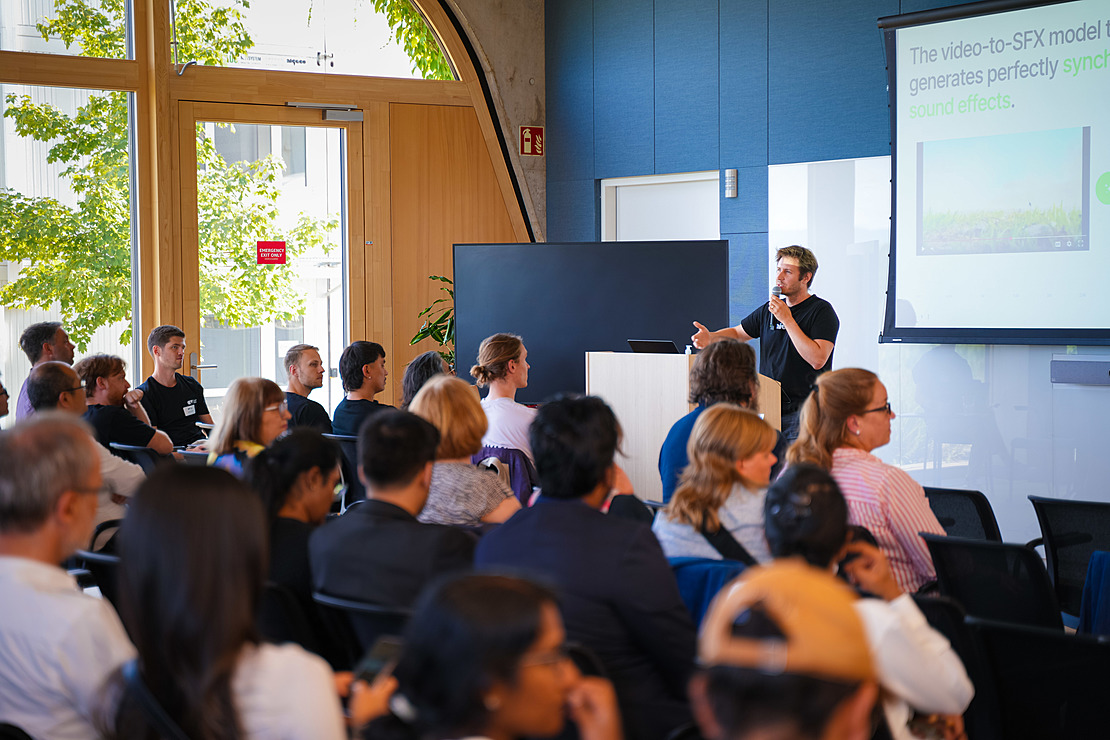
Mirelo AI develops generative AI models capable of producing high-quality, production-ready sound effects directly from video content. This technology addresses a largely untapped area of audiovisual production and offers substantial potential for applications in film, gaming, and advertising.
Founded in 2023, since joining the Cyber Valley Startup Network in 2024, Mirelo AI has become a strong example of how scientific excellence, ambitious vision, and effective execution converge within the region’s AI ecosystem. The successful completion of this seed round underscores both the company’s potential and the international relevance of the Cyber Valley research and innovation environment.
Image: Flügelmann
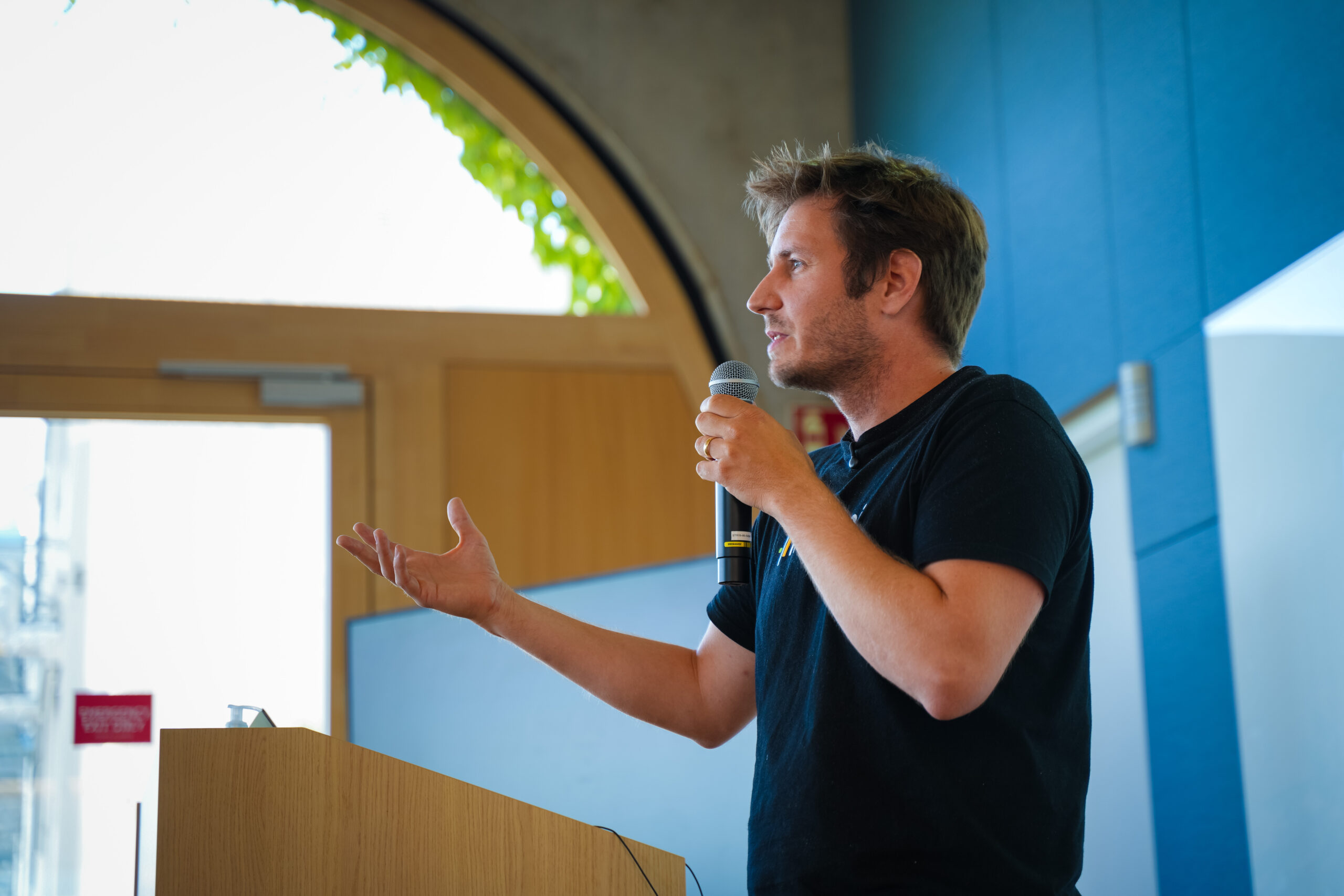
At the Demo Day of the Cyber Valley AI Incubator (Batch #6), Carl Johann Simon-Gabriel participated as a keynote speaker, sharing insights from his entrepreneurial journey and inspiring the next generation of founders. Reflecting on his experience, he noted:
“Cyber Valley is a great initiative for emerging AI startups, especially because it is rooted in Tübingen’s world-renowned AI research scene and its talent pool.”
Mirelo AI is continuing to expand its team and is actively recruiting talent to develop next-generation generative AI models for audio and video. Open positions are available on the company’s website: Mirelo.ai
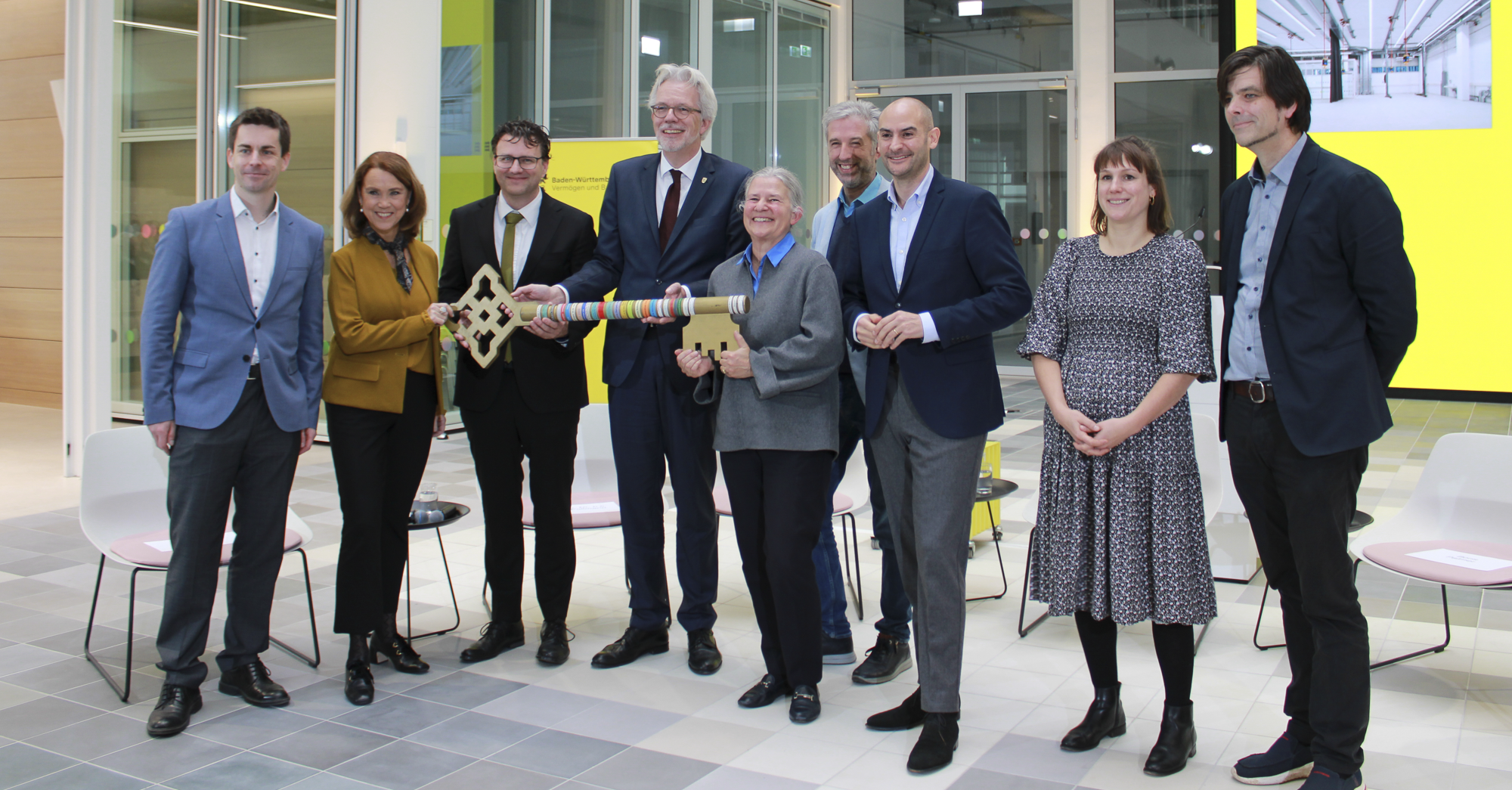
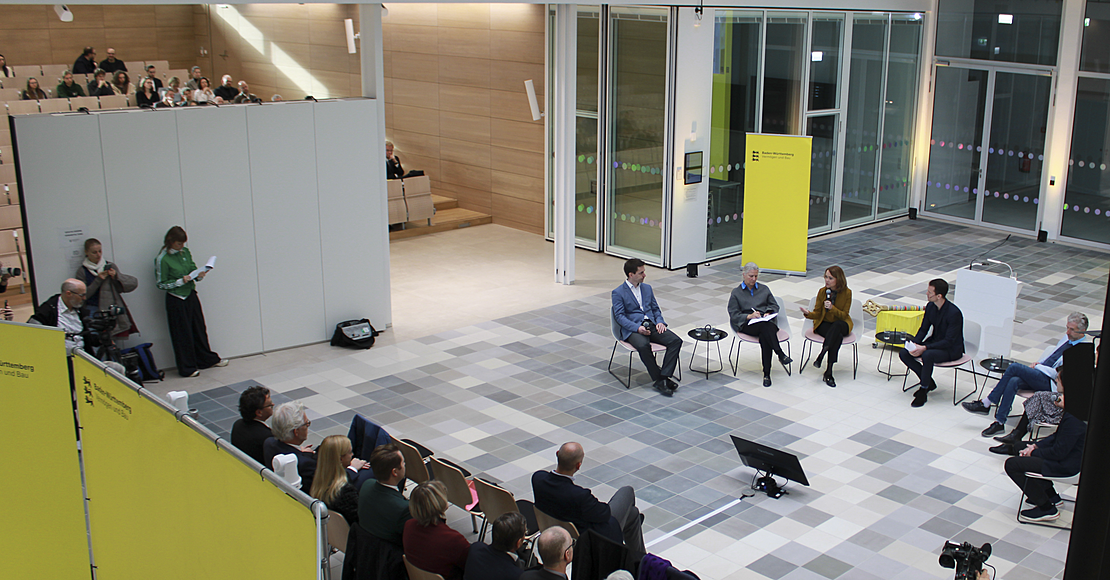
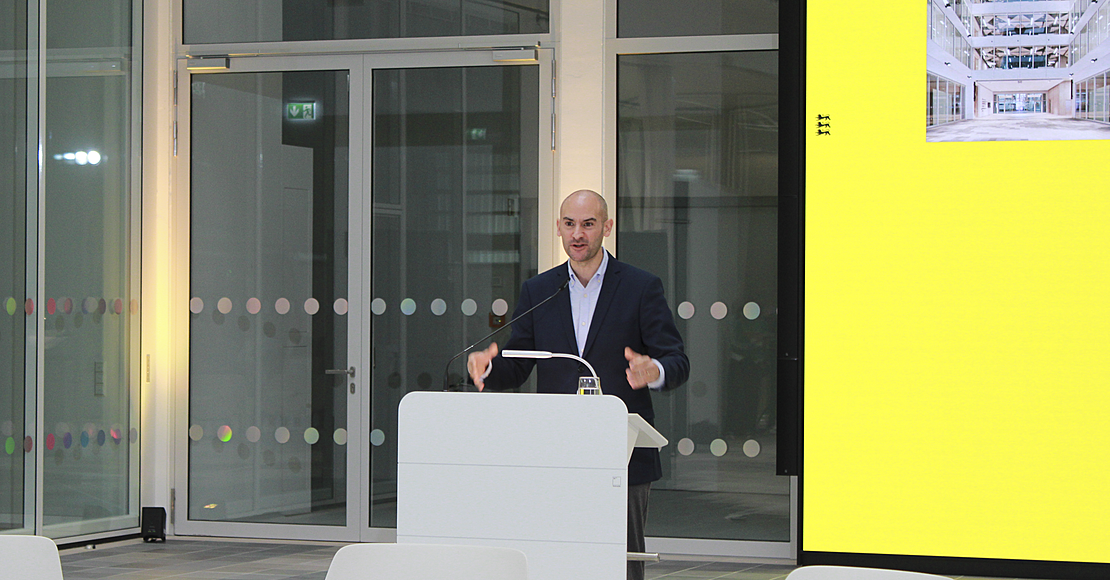
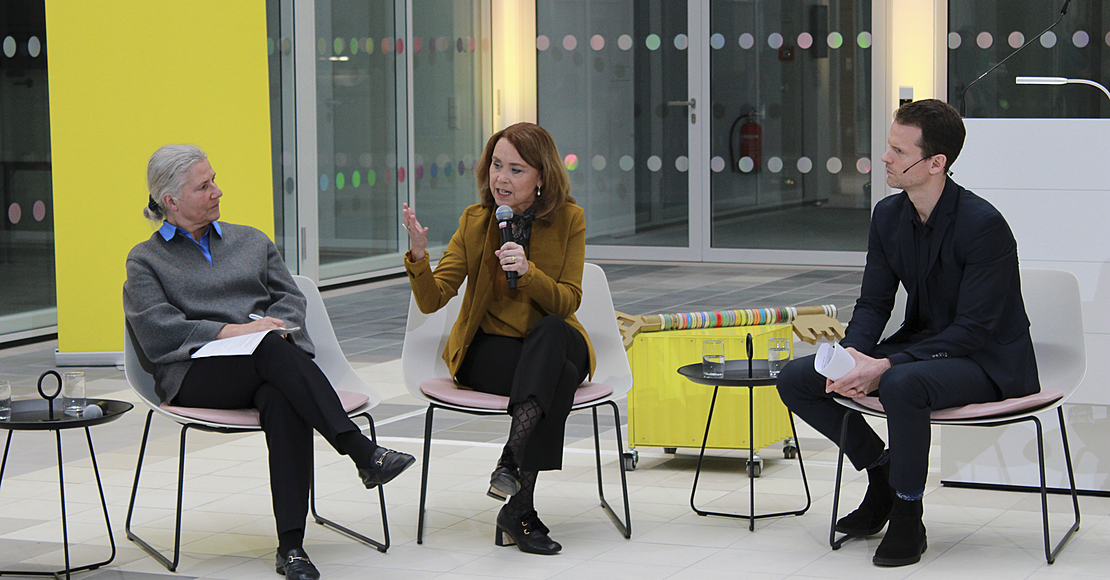
Before the official handing over of the keys, Danyal Bayaz gave a speech in which he emphasized Baden-Württemberg as a forward-driving force attracting the world’s top talent. Petra Olschowski (Baden-Württemberg’s Minister for Science) afterwards took part in a panel discussion with Karla Pollmann (Rector of the University of Tübingen), Michèle Finck (Professor of Law and Artificial Intelligence at the University of Tübingen), Matthias Bethge (Director of the Tübingen AI Center), Christoph Keplinger (Director at the Max Planck Institute of Intelligent Systems) and Boris Palmer (Mayor of Tübingen).
‘Cutting-edge research is part of our country’s DNA and is an important basis for our economic success. If the best ideas come from Baden-Württemberg, we have every chance of tapping into sources of future prosperity. This includes artificial intelligence. Cyber Valley makes Baden-Württemberg internationally visible as an AI location’, said Bayaz.
For Olschowski, ‘Cyber Valley 1 represents Baden-Württemberg’s ambition to remain a leader in research and innovation in artificial intelligence. It is a hub for new technologies, start-ups, and collaborations that bring science and industry closer together. In this way, we are strengthening Baden-Württemberg as a center of innovation and shaping the technological future of the state.’
‘We are thrilled to open the doors of Cyber Valley 1, marking a significant milestone in our journey. This new facility represents our commitment to fostering innovation and collaboration, and we are excited to see the groundbreaking research and advancements that will emerge from this hub’, said Florian K. Mayer, Managing Director of Cyber Valley GmbH.
The state of Baden-Württemberg has invested around €77.2 million in the new building. Next to Cyber Valley GmbH’s administrative offices, several members of the Cyber Valley Innovation Campus will take up residence in the building, including the University of Tübingen (comprising the Tübingen AI Center and the Cluster of Excellence in Machine Learning) and the Max Planck Institute for Intelligent Systems.