Network Role: Corporate

  • Mirelo AI: Shaping the Future of AI from Cyber Valley

    Mirelo AI: Shaping the Future of AI from Cyber Valley

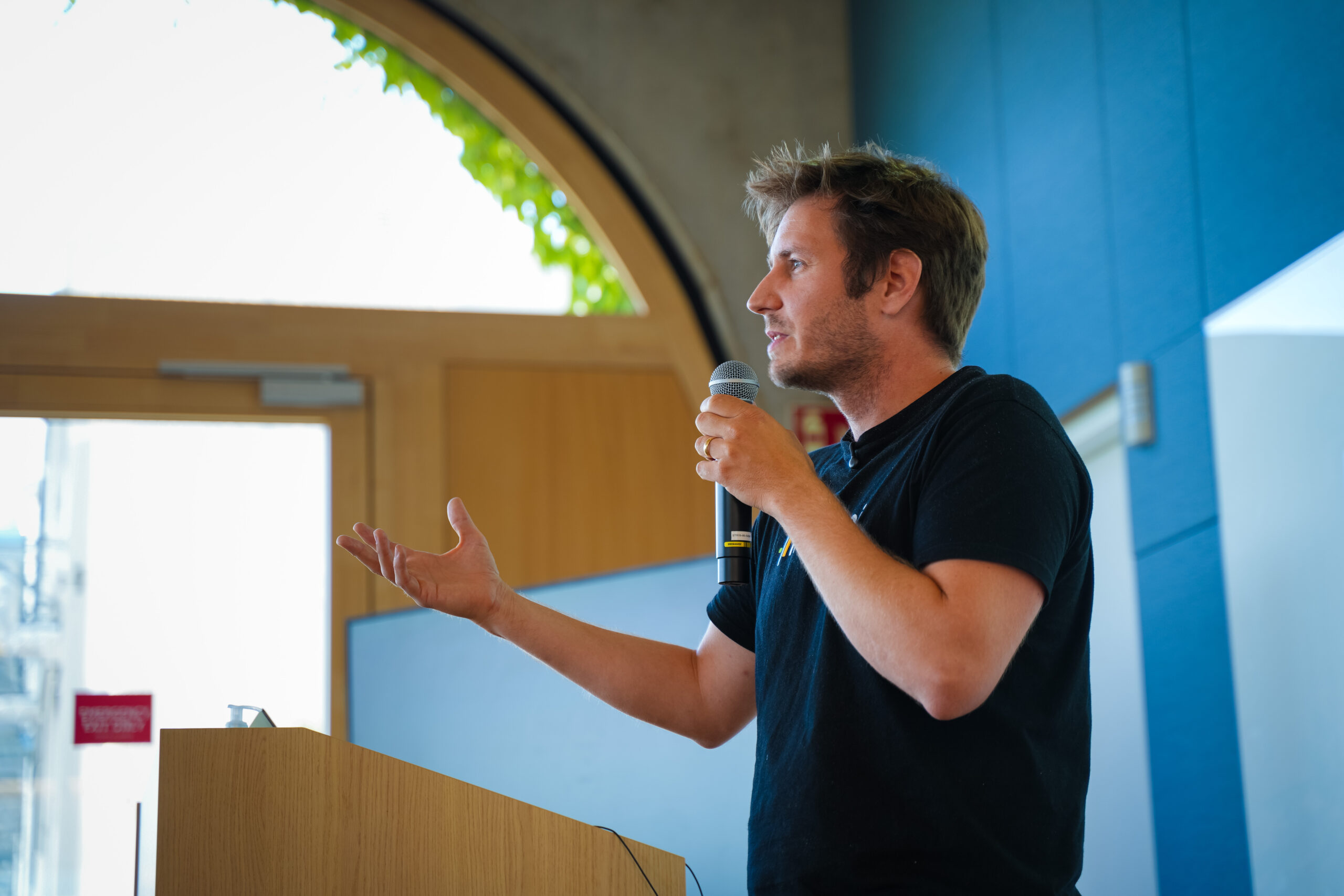
    Carl Johann Simon-Gabriel’s career exemplifies the successful translation of cutting-edge research into entrepreneurial innovation. After completing his PhD under the supervision of Prof. Bernhard Schölkopf at the Max Planck Institute for Intelligent Systems in Tübingen, he spent several years working in leading technology companies in the United States before co-founding Mirelo AI.

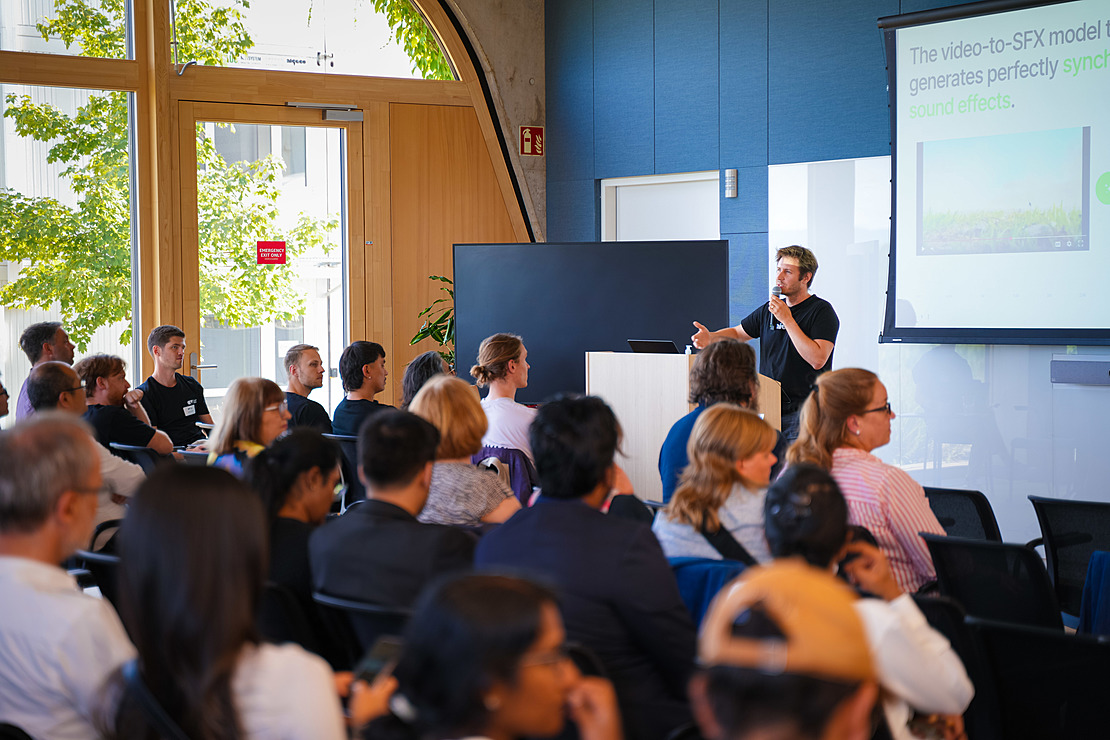
    Mirelo AI develops generative AI models capable of producing high-quality, production-ready sound effects directly from video content. This technology addresses a largely untapped area of audiovisual production and offers substantial potential for applications in film, gaming, and advertising.

    Founded in 2023, since joining the Cyber Valley Startup Network in 2024, Mirelo AI has become a strong example of how scientific excellence, ambitious vision, and effective execution converge within the region’s AI ecosystem. The successful completion of this seed round underscores both the company’s potential and the international relevance of the Cyber Valley research and innovation environment.

    Image: Flügelmann

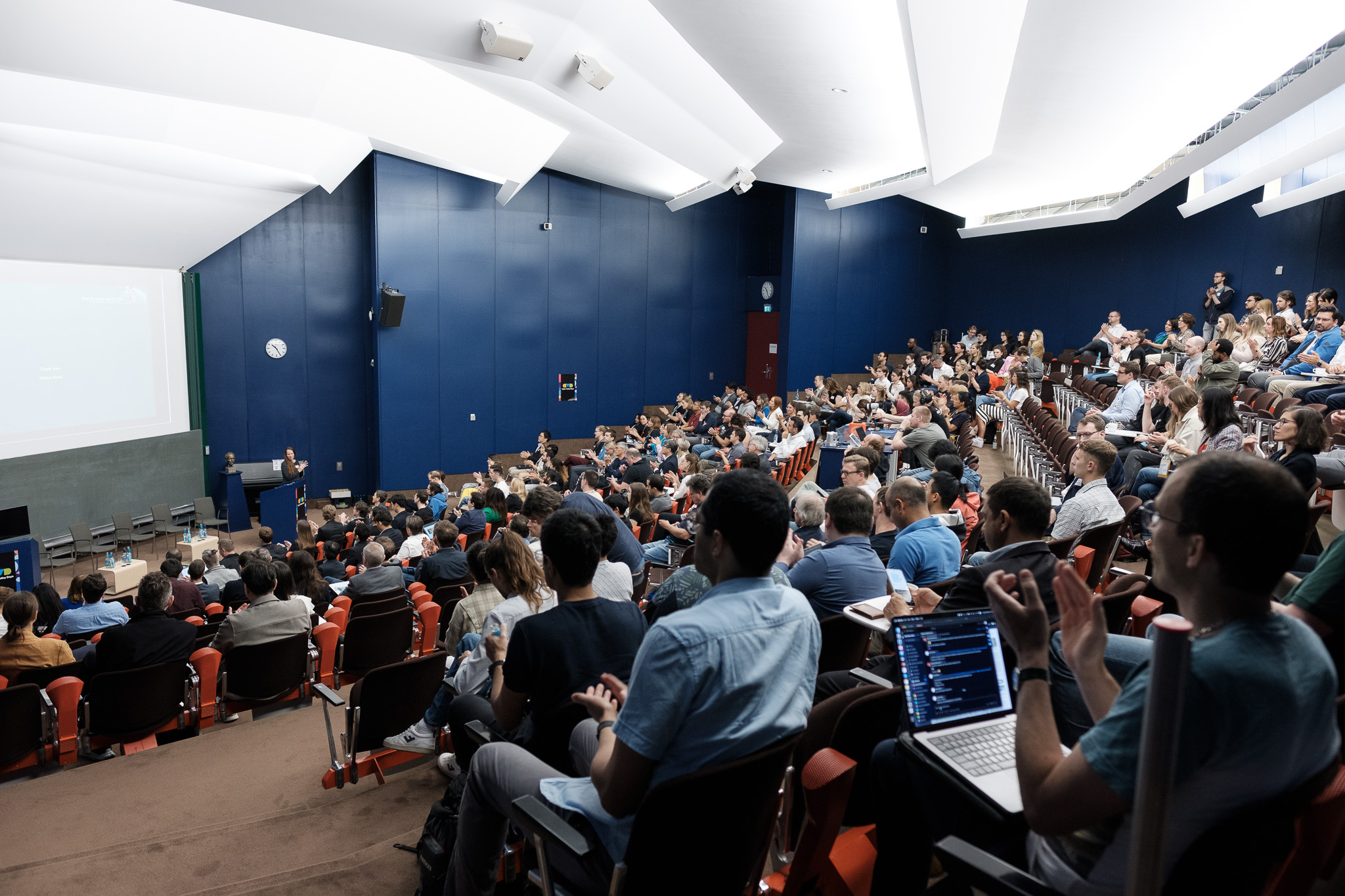
    At the Demo Day of the Cyber Valley AI Incubator (Batch #6), Carl Johann Simon-Gabriel participated as a keynote speaker, sharing insights from his entrepreneurial journey and inspiring the next generation of founders. Reflecting on his experience, he noted:

    “Cyber Valley is a great initiative for emerging AI startups, especially because it is rooted in Tübingen’s world-renowned AI research scene and its talent pool.”

    Mirelo AI is continuing to expand its team and is actively recruiting talent to develop next-generation generative AI models for audio and video. Open positions are available on the company’s website: Mirelo.ai

    Related Start-Ups

    • Mirelo AI

      Mirelo AI

  • Cyber Valley at Heilbronn Slush’D

    Cyber Valley at Heilbronn Slush’D

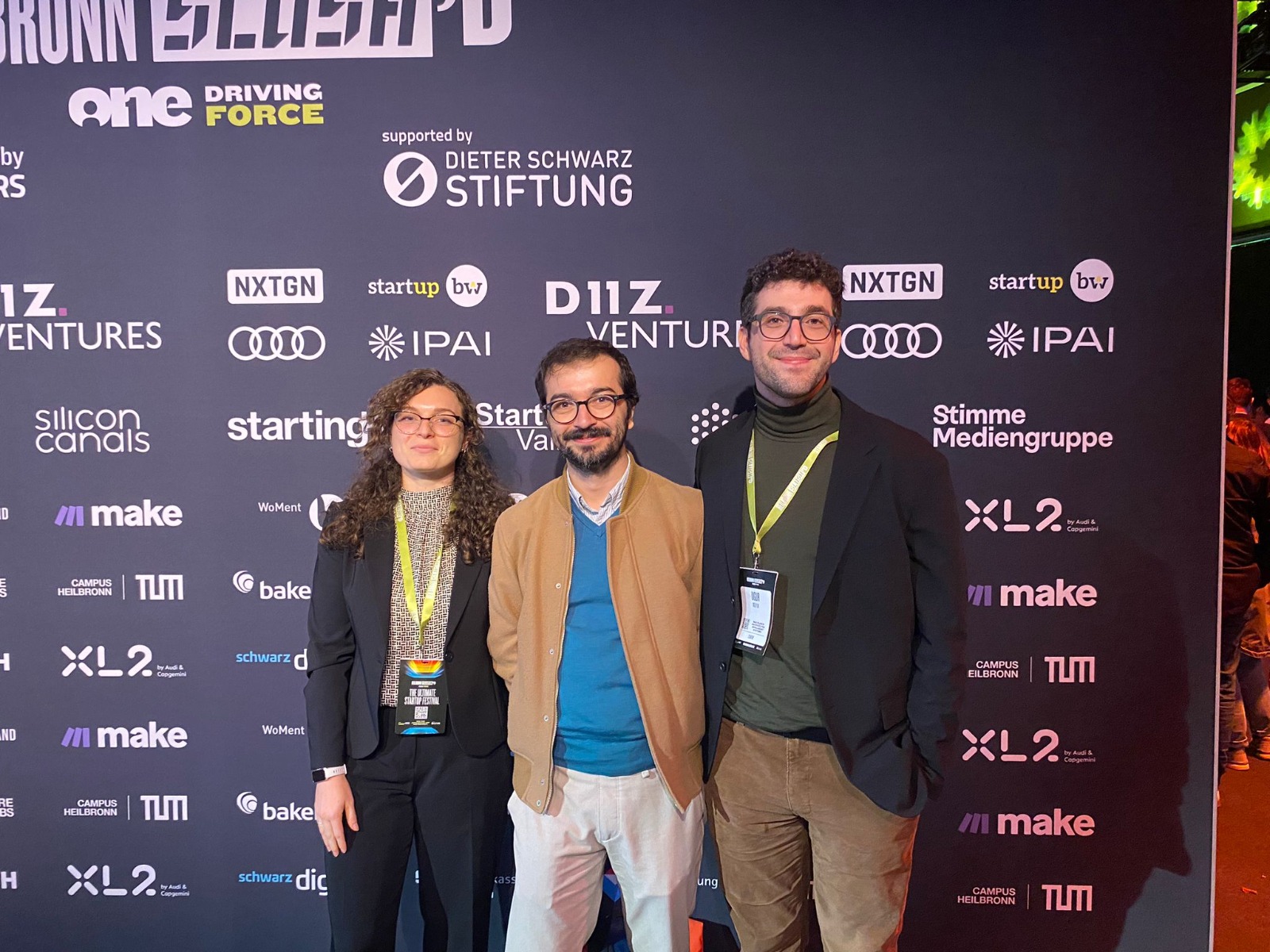
    Heilbronn Slush’D is organized by Campus Founders, a start-up and innovation hub based in Heilbronn. The event was sold out, with over 1,000 participants from across Europe taking part in talks, panel discussions, workshops, and networking sessions. The festival enabled start-ups and founders to connect with key stakeholders and develop their ideas.

    For CELLnROLL (recipients of the Cyber Valley Innovation Fellowship Program) Heilbronn Slush’D was ‘an inspiring event bringing together founders, investors, and innovation leaders from across Europe.’ Following the event, they were ‘inspired, energized, and full of new ideas for what’s next!’

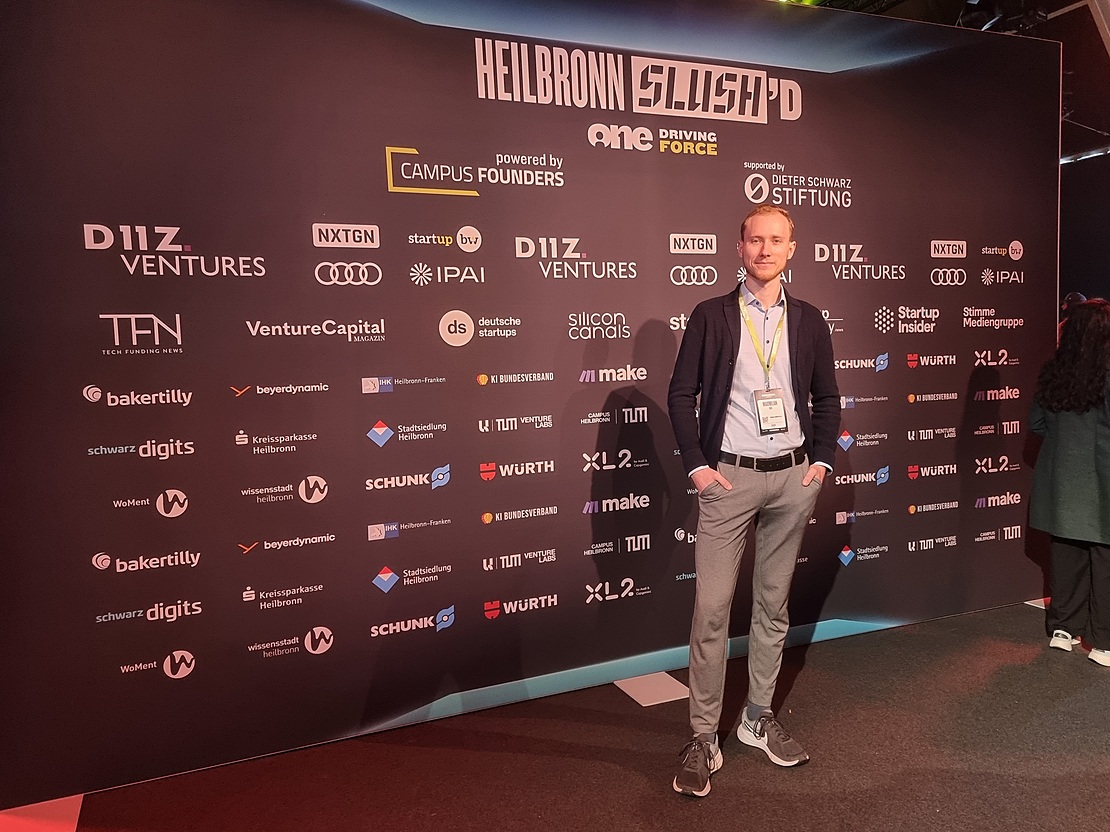
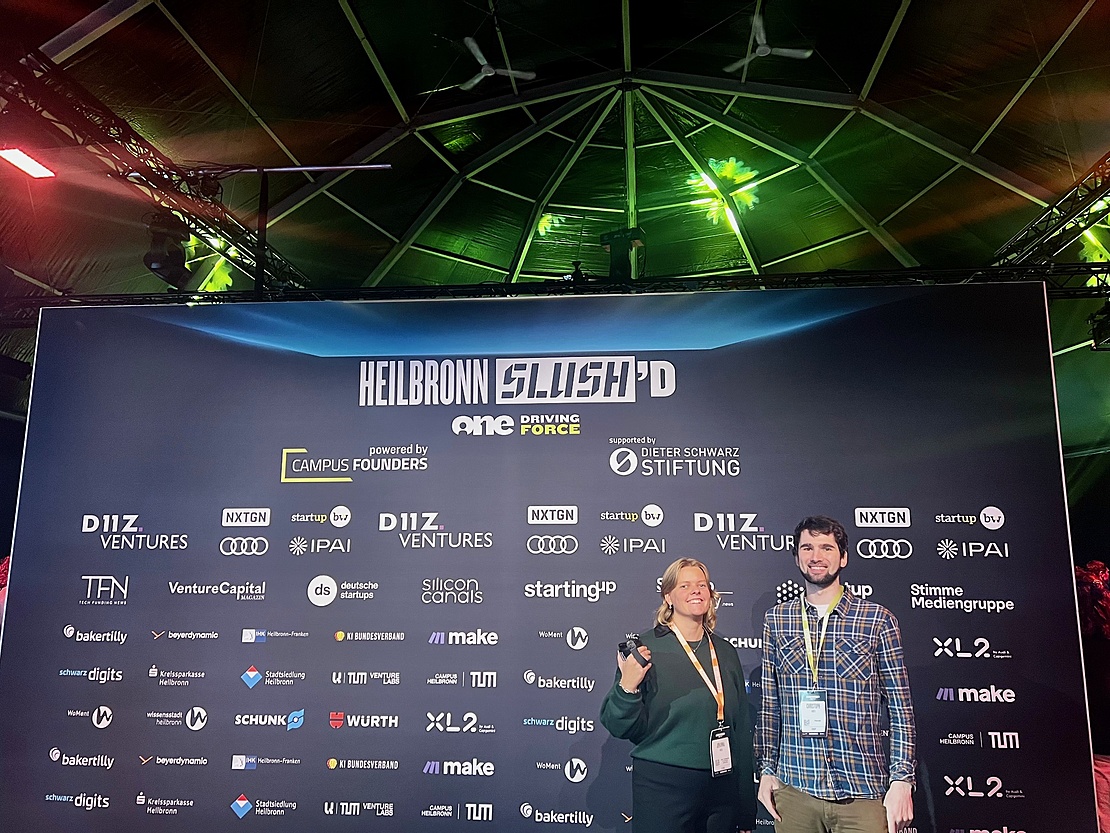
    Maximilian Bode, Co-founder of Cyber Valley Start-up Biocompile, was in attendance for the first time: ‘Despite the bad weather, it was a great experience!’ For Max, events like Heilbronn Slush’D are ‘places where the most interesting people meet.’

    Maximilian Bode (Biocompile) at Heilbronn Slush'D. Photo courtesy of Maximilian Bode.

    Maximilian Bode (Biocompile) at Heilbronn Slush’D. Photo courtesy of Maximilian Bode

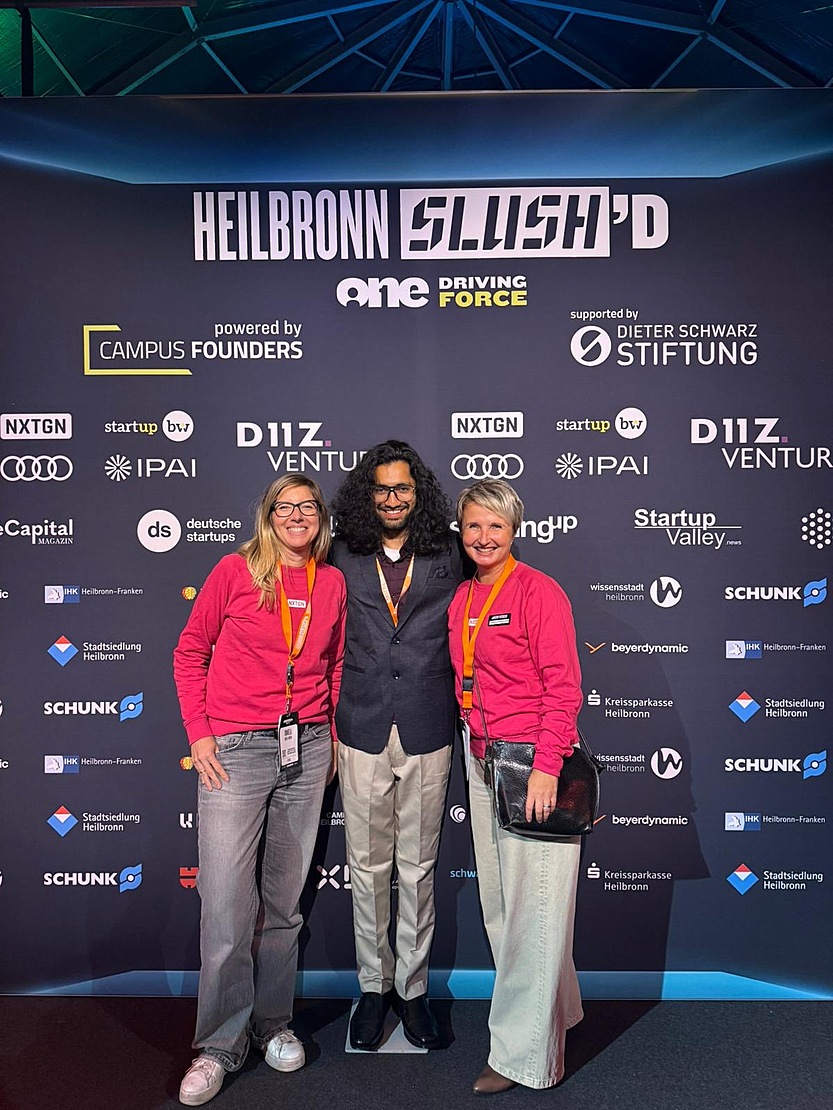
    Johanna Kreßel from the University of Tübingen’s Startup Center also shared her impressions from her first time at Heilbronn Slush’D: ‘I really enjoyed the energy and open atmosphere that made it so easy to connect and have meaningful conversations.’

    Johanna Kreßel at Heilbronn Slush'D. Photo courtesy of Johanna Kreßel

    Johanna Kreßel (Tübingen Startup Center) at Heilbronn Slush’D. Photo courtesy of Johanna Kreßel

    KIT Gründerschmiede took part too. For them, Heilbronn Slush’D ‘was again a real experience – not only because of the wild weather, but above all because of the incredible energy that could be felt between impulses on stage, networking around the campfire, and conversations at the food trucks.’

    KIT Gründerschmeide at Heilbronn Slush'D

    KIT Gründerschmiede at Heilbronn Slush’D. Photo courtesy of KIT Gründerschmiede

    Members of the Cyber Valley Start-up Network have been recognized at previous iterations of the festival. Ventus Technologies secured the top prize of €100,000 in investment in 2023, followed by Tabularis AI claiming the same award in 2024. These examples show how Cyber Valley start-ups have benefited from the support provided by Campus Founders at Heilbronn Slush’D.

    By attending Heilbronn Slush’D, members of the Cyber Valley Community demonstrated the value of collaboration and were impressed by the growing momentum in Heilbronn. Through their scientific expertise and diverse perspectives, they are playing an essential role in the success of Germany’s research and innovation ecosystem.

    Photo courtesy of Heilbronn Slush’D

  • Cyber Valley announces partnership with SPRIND

    Cyber Valley announces partnership with SPRIND

    SPRIND, the Federal Agency for Breakthrough Innovation, funds groundbreaking projects, alternative approaches, and spin-offs. Through this new partnership, Cyber Valley and SPRIND will foster creative solutions beyond conventional paths. 

    This partnership seeks to explore next-level AI technologies, venturing beyond popular concepts like Large Language Models (LLMs), Transformers, and Diffusion Models. It will focus on championing alternative approaches to AI, encouraging bold thinking, and exploring uncharted territories. This collaboration signals a significant step toward redefining the possibilities of artificial intelligence. 

    Leading the charge for this initiative is Mirko Holzer, Innovation Manager at SPRIND, “This partnership is all about pushing boundaries and bringing bold ideas to life. With Cyber Valley, we are creating the perfect launchpad for disruptive technologies that have the power to reshape science and society.”   

    Florian Mayer, COO of Cyber Valley, shares the enthusiasm, “It’s fantastic to see SPRIND committing significant resources and funding to such a vital area of innovation. We are thrilled to join forces and pave the way for the next wave of groundbreaking AI technologies.” 

    Alternative approaches 

    Through this collaboration, SPRIND and Cyber Valley are looking for innovators who are working on new and alternative approaches to artificial intelligence (AI), transformative artificial intelligence (TAI), and artificial general intelligence (AGI). The goal is to find alternative, bold, even speculative ideas that diverge from established AI pathways such as diffusion models, large-scale language models, and/or generally transformer-based architectures. 
     

    The partnership supports visionary AI methods, emphasizing:   

    • New Architectures: Energy-efficient designs inspired by biological systems, non-neural paradigms, quantum-inspired models, adaptive systems, and generative models simulating environments. 

    • New Learning Paradigms: Innovative methods like federated learning, causal learning, reinforcement learning, active learning, and synthetic data ecosystems to redefine how machines learn. 

    • New Hardware Approaches: Breakthroughs in neuromorphic, photonic, holographic, and biohybrid computing, as well as robotic systems with embodied cognition and sensory integration. 

    • Innovations outside the mainstream: Bold ideas such as meta-learning, swarm intelligence, digital organisms, evolutionary algorithms, and AI systems with emotional and self-aware intelligence. 

  • Cyber Valley unites AI and robotics expertise for the healthcare sector

    Cyber Valley unites AI and robotics expertise for the healthcare sector

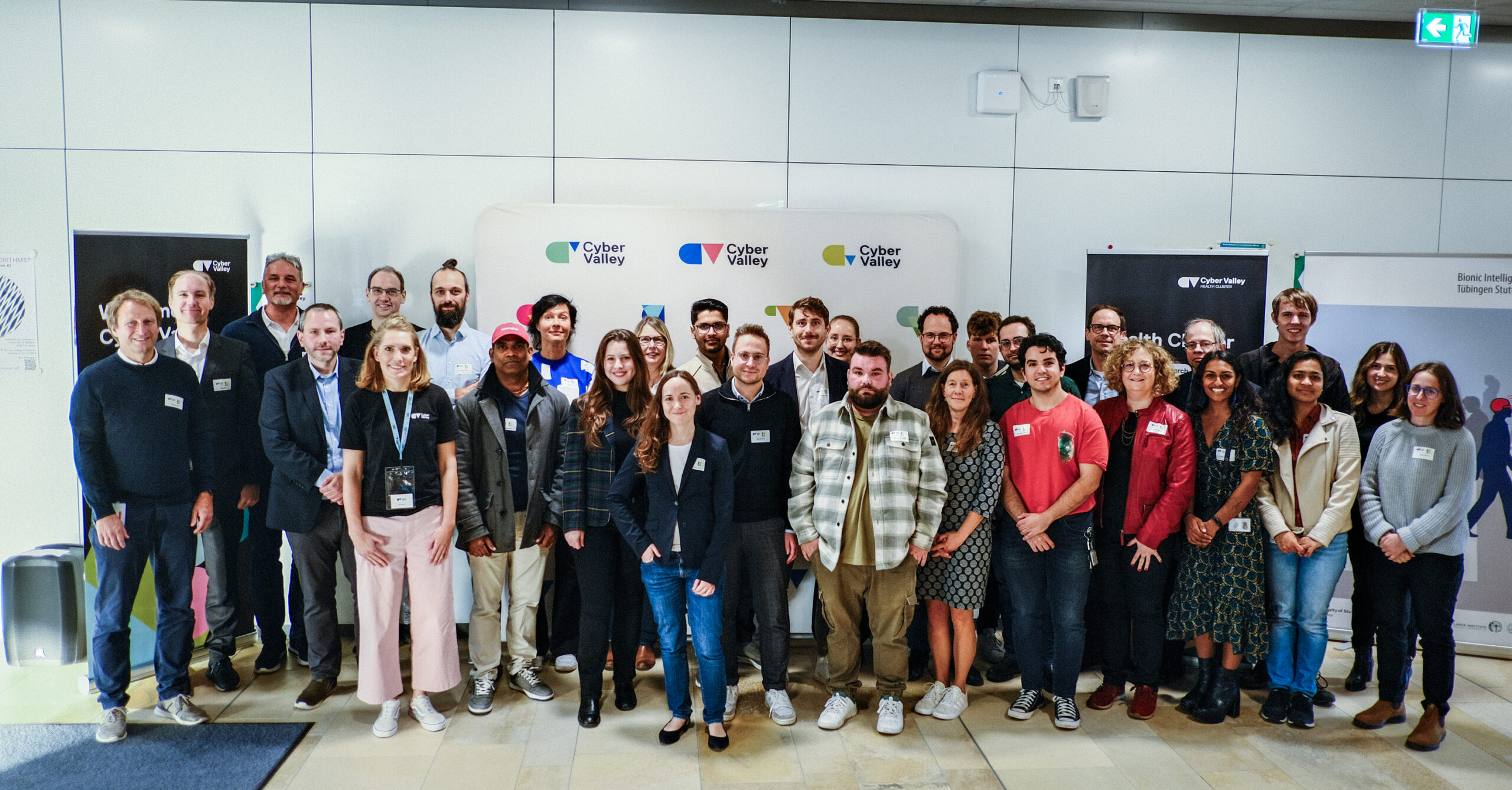
    Stuttgart, October 28, 2024 – The Cyber Valley Health Cluster officially launched last Thursday with a public kickoff event in Tübingen. This initiative launched by Cyber Valley aims to unite the forces of science, industry, and start-ups to improve people’s long-term health through artificial intelligence and modern robotics. 

    Collaboration between research and industry for AI-driven health technologies 

    The Cyber Valley Health Cluster aims to integrate research, practice, and technology. It promotes joint projects between AI experts, scientists, and companies to develop innovative solutions for current and future challenges in the healthcare sector. The Health Cluster emphasizes interdisciplinary knowledge exchange, enabling new approaches and solutions that go beyond individual technological advances.  

    Rebecca C. Reisch, Managing Director of Cyber Valley GmbH, highlights the importance of this collaboration: “The Cyber Valley Health Cluster is more than an academic endeavor; it’s a collaborative alliance that encourages exchange between industry, start-ups, and research. The Health Cluster is where AI-based solutions can be developed to address the most pressing challenges in modern medicine and beyond.”

    Strong Cyber Valley Partners and Friends are already on board  

    The Cyber Valley Health Cluster is backed by strong partnerships. Among the already confirmed Cyber Valley Partners are well-known players such as Boehringer Ingelheim, ZEISS, the University of Tübingen, the University of Stuttgart, and the Max Planck Institute for Intelligent Systems (MPI-IS). These partners are investing significantly in the Cyber Valley Community and are playing a central role in the further development of the Health Cluster. 

    In addition, the Cyber Valley Health Cluster is supported by numerous committed Cyber Valley Friends who enrich the network with their expertise and connections. These include Immatics, Cegat, Ovesco, BIOPRO Baden-Württemberg, BioRegio STERN Management, as well as the Medical Innovations Incubator, and the start-ups Osora and Cerebri.  Further candidates are already under consideration.  

    Reisch emphasizes the role of the Cyber Valley Community: “Together with our Partners and Friends, we are creating an environment that drives the development of technologies that are not only groundbreaking but also practical and ethical. Because only by working together do we have the chance to establish Baden-Württemberg and the whole of Germany at the forefront of global AI health innovations.” 

    Long-term goal: a lasting healthcare alliance 

    The Cyber Valley Health Cluster supports start-ups and innovation projects to create real value by generating new jobs and health solutions. Health Cluster participants moreover benefit from extensive connections and new networking opportunities that enable the development of pioneering healthcare solutions and rapid knowledge transfer between research and industry. 

    The long-term goal of the Cyber Valley Health Cluster is to create a lasting and active community, pooling health expertise to enable interdisciplinary teams to tackle global health challenges. Further events and interaction formats are planned for the Cyber Valley Health Cluster in the coming months. 

    About Cyber Valley 

    Cyber Valley is Europe’s largest and leading center for excellence in artificial intelligence and modern robotics. Its mission and public mandate are to advocate for the research, development, application, and acceptance of technologies and methods in the field of intelligent systems. Cyber Valley encourages entrepreneurship by uniting scientific excellence with innovation and technology transfer. In addition, Cyber Valley facilitates critical reflection on the ethical and social implications of AI through public engagement. Cyber Valley envisions a future in which the full potential of intelligent systems is leveraged for the greater good of the world. 

    Media Contact: 

    Laura Neusser 
    Public Outreach Manager 
    Cyber Valley GmbH 
    laura.neusser@cyber-valley.de 

  • The AI Festival in Baden-Württemberg: Cyber Valley Days Begin!

    The AI Festival in Baden-Württemberg: Cyber Valley Days Begin!

    Stuttgart, June 19, 2024 – Our future will be shaped by the brightest minds of our time, especially through the use of AI. Experts from the German and international AI and robotics community will celebrate Cyber Valley Days from June 19 to 21. For today's kick-off event, entrepreneurs from the Cyber Valley Start-up Network, international AI experts from the Cyber Valley Community, and political representatives are gathering in Stuttgart at the Max Planck Institute for Intelligent Systems.  

    “Our Cyber Valley Innovation Campus represents groundbreaking research and serves as a best-practice example of close collaboration between science and industry”, says Dr. Stegmann, Minister of State and Head of the State Chancellery. “Cyber Valley Days – with their numerous regional and international partners – show us the level of expertise in AI technology we already have here, as well as the significant untapped potential. The event proves the leading role of this internationally renowned research consortium. Through collective efforts, we are shaping the future of trustworthy AI in Germany and Europe to drive important innovations forward.” 

    “The Cyber Valley Days mark an important milestone: With our network, we have already established ourselves as an internationally recognized, excellent research location with spin-off dynamics. Our community is not only innovative – it is also growing, according to the motto #bettertogether. In this way, we are putting Baden-Württemberg on the global map in the field of intelligent systems in the long term,” says Rebecca C. Reisch, Managing Director of Cyber Valley GmbH.  

    The AI Incubator as a springboard for founders  

    At the Expo, the exhibition of the Cyber Valley Community, the public can get to know the minds behind the future of AI and gain an insight into Baden-Württemberg’s innovative power. With close to 70 AI companies, the Cyber Valley Start-up Network is active in a wide range of industries, including healthcare, construction, mobility, and agriculture. Established and leading AI companies from Baden-Württemberg include vialytics, Sereact and Computomics. Other network members such as preML, hydrop systems and Swarm Logistics Technologies will be showcasing the latest AI trends at their booths at the Cyber Valley Days opening.

    Pitches from the participants of the AI Incubator in the afternoon will provide an insight into what the AI business models of the future will look like. Through The AI Incubator program, Cyber Valley supports AI researchers and young entrepreneurs in expanding their start-up ideas and successfully implementing them in the market. Renowned entrepreneurs and start-up coaches are on hand to provide them with free advice and support. The program is currently in its fourth round with 25 AI founders. The AI Incubator is financed by the Carl Zeiss Foundation.  

    Cyber Valley Days are a three-day event in Stuttgart and Tübingen from June 19 to 21, 2024 to celebrate the Cyber Valley Community. Its program focuses on entrepreneurship and scientific innovation in artificial intelligence and modern robotics from Baden-Württemberg.  

    Information about Cyber Valley Days 

    cyber-valley.de/cyber-valley-days

    Photos of the Cyber Valley Days can be downloaded from 18:00 CEST. 


    About Cyber Valley 

    Cyber Valley is Europe’s largest and leading center for excellence in artificial intelligence and modern robotics. Its mission and public mandate are to advocate for the research, development, application, and acceptance of technologies and methods in the field of intelligent systems. Cyber Valley encourages entrepreneurship by uniting scientific excellence with innovation and technology transfer. In addition, Cyber Valley facilitates critical reflection on the ethical and social implications of AI through public engagement. Cyber Valley envisions a future in which the full potential of intelligent systems is leveraged for the greater good of the world.   


    About the Cyber Valley Start-up Network 

    The Cyber Valley Start-up Network builds and promotes a vibrant community of AI entrepreneurs. Members get access to exclusive events and a diverse network of AI researchers, investors, and other start-up founders. The prerequisite for membership is a connection to Cyber Valley, such as being members or alumni of the Cyber Valley Community, or a location in Baden-Württemberg. The business models must have intelligent systems at their core. Further information: cyber-valley.de/start-up-network. 

    Media Contact: 
    Rebecca Beiter 
    Rebecca.beiter@cyber-valley.de 
    +49 (0) 160 9448 1797 

  • Amazon and Max Planck Society announce recipients of gift awards

    Amazon and Max Planck Society announce recipients of gift awards

    In line with that goal, the Science Hub is sponsoring the following research projects:

    • “Non-verbal interpersonal synchrony analysis tool (nVISA-online)”: Senya Polikovsky, research engineer, Max Planck Institute for Intelligent Systems

    “Interpersonal synchrony (In-Sync), the spontaneous synchronization of behavioral, affective, and even physiological responses in contexts of social interaction, offers a useful insight into the quality and smoothness of interactions between social partners. Automatic assessment of In-Sync could provide objective tools for studying the interactive abilities of people with psychiatric conditions and the degree of therapeutic alliance in psychotherapy, as well as online human-to-human and avatar-to-human interactions. Body movement dynamics are central to the analysis of In-Sync. Besides that, facial expression, gaze interaction, audio signals, and physiological measures such as electrodermal activity, heart rate variability, or breathing rates can be used to detect In-Sync. The goal of our proposed research is to extend In-Sync analysis to online scenarios. We would like to identify the instruments and the procedures for the detection of In-Sync in online therapy sessions.”

    • “Accurate 3D body shape and clothing estimation from a single image”: Gerard Pons-Moll, senior researcher, Max Planck Institute for Informatics, and professor, University of Tübingen, endowed by the Carl Zeiss Foundation

    “This research aims to reconstruct a 3-D digital human from a single RGB photograph, using a combination of 3-D neural implicit functions to represent worn garments and a parametric model to represent and control the pose and shape of the underlying body. A key novelty is to incorporate feedback in the deep body estimation network, ensuring that the 3-D body mesh is consistent with its projection onto the photo.”

    • “Learning clothing pressure fields via high-fidelity finite element analysis”: Gokhan Serhat, research scientist, Max Planck Institute for Intelligent Systems, and assistant professor, KU Leuven

    “Accurate estimation of clothing pressure on the human body is crucial to understanding physical factors that influence clothing comfort. Such estimation requires the ability to express contact pressure fields in terms of different body sizes and types and garment sizes and material properties. However, such pressure fields are generally too complex to be modeled by analytical methods. Experimentation also has certain drawbacks, since it does not provide information about internal stresses, and precise measurement of the contact pressure between a pair of curved soft bodies is difficult. The intricate anatomy of the human body may require elaborate finite-element models with several thousand elements for capturing deformation mechanics accurately. Such large models inherently induce high computational costs and are likely to suffer from the aforementioned numerical issues. The proposed study aims to address this problem by developing a deformation model based on deep neural networks trained with the data from finite-element analysis.”

    • “Material estimation of clothing for controllable human avatars”: Justus Thies, research group leader, Max Planck Institute for Intelligent Systems, and professor, Technical University Darmstadt

    “A key challenge for controllable human avatars is the reconstruction and animation of clothing. While data-driven, person-specific reconstruction methods show promising results, the extrapolation to novel poses with realistic deformations of clothing is limited. In contrast to data-driven methods, physics simulation can be used to model the dynamically changing clothing. In this project, we want to explore material estimation of human clothing for such simulations. Specifically, we are interested in predicting material properties such as stiffness or stretch that influence the motion-dependent deformation of the clothing. Besides these mechanical material properties, we are also interested in predicting material properties for the appearance of clothing that allow for re-renderings under novel poses.”