CV Tag: AI in Medicine

  • Bionic Intelligence in Cyber Valley

    Bionic Intelligence in Cyber Valley

    The new Center for Bionic Intelligence Tübingen Stuttgart (BITS) aims to optimize the interaction between humans and technical systems in a fundamentally new way.

    Scientists from the University of Stuttgart, the University of Tübingen, the Max Planck Institute for Intelligent Systems and the Max Planck Institute for Biological Cybernetics are conducting research on intelligent bionic systems that will aid understanding and treatment of certain diseases of the central nervous system. Diagnoses will become more accurate, treatments more efficient and the illnesses more tolerable. Those affected by such disorders already use orthoses or communication aids. However, these systems cannot fully adapt themselves to the needs of the patient or the environment in order to fully compensate limitations or restore failed bodily functions. In interdisciplinary projects, BITS members develop individually tailored medical aids.

    Bionic systems can be found almost everywhere in everyday life: A Velcro fastener on a backpack is inspired by the burdock, suction cups are modeled on the form of an octopus tentacle. Both inventions are based on phenomena from the animal and plant world. Researchers at the University of Stuttgart, the University of Tübingen, the Max Planck Institute for Intelligent Systems and the Max Planck Institute for Biological Cybernetics are taking this one step further: Their vision is to optimize interaction between humans and technical systems so that, by using various signals and intelligent physical principles, the technical system is able to provide support when humans need it. The users are in control at all times.

    "We want to push the boundaries of what has been possible until now," says Professor Syn Schmitt, BITS spokesperson at the University of Stuttgart. "With bionic systems, such as novel robotic prostheses, we aim to create new intelligent diagnostic and treatment options that offer support in everyday life for patients with physical and neurological limitations."


    Diagnosis and treatment: Smart, flexible and ethical

    Technical assistance systems are already being used for therapeutic purposes, but they fall far short of the efficiency and flexibility that would be required to replace missing or impaired functions, or to support the diagnosis and treatment of complex mental disorders. The scientists of the newly founded BITS are jointly researching the development of bionic systems to adapt them to meet patients' individual needs, to compensate for impaired motor function in the everyday lives of those affected, and to support diagnostic and rehabilitation procedures. Social and ethical dimensions are considered from the very beginning.

    "The goal is to develop alternatives that work perfectly for individuals," adds Professor Martin Giese, BITS spokesperson at the University of Tübingen. "Forging efficient interactions between people and technology, requires not only optimal data and information processing, but also the exploitation of intelligent physical principles in people and the technical system." 

    The challenge here is to design technical components that interact with the nervous systems and muscular apparatus in a highly efficiently way and that adapt flexibly and individually to the patient's position. "To do this, we rely on functional materials that respond to different body-specific stimuli," adds Professor Sabine Ludwigs, also a BITS spokesperson at the University of Stuttgart.


    Interdisciplinary collaboration: From biomedicine to robotics and computer science

    The key to success is interdisciplinary cooperation between experts from different fields, such as biomedicine, neuromechanics, materials science, soft and biorobotics, physics, electrical engineering, social science, ethics, neuroscience, and computer science. "Each and every member of our team is an expert in their field," says Schmitt. "We try to transfer all this knowledge into workable solutions that allow people to interact with technical systems on multiple levels. We believe that affected individuals will benefit from such systems, and that science will gain a better understanding of humans."

    The research work within BITS encompasses everything from robotic orthoses that function as an everyday aid for people with muscle tremors, for example, to wearable sensors to improve diagnostics for obsessive-compulsive disorders, to so-called in-body micro- and nano-robots that can transport drugs specifically to the brain or enable new forms of brain stimulation. "At BITS, we want to build on previous successes and strengthen our collaborations to permanently establish intelligent systems in medicine, treatment and rehabilitation," emphasizes Giese. 


    About Cyber Valley

    Cyber Valley is Europe’s largest and leading research consortium in the field of artificial intelligence (AI) and modern robotics. It has a mission and a public mandate to advocate for entrepreneurship, research, development, application, and acceptance of technologies and methods in the field of intelligent systems. The company envisions a future where the full potential of intelligent systems is leveraged for the greater good of the world. 
    The Cyber Valley Community brings together partners from science, industry, and society, along with AI researchers and entrepreneurs. The Cyber Valley GmbH is funded by the state of Baden-Württemberg and acts as the central organizer, service provider, and host for the community. While the GmbH operates from Stuttgart and Tübingen, Cyber Valley has a larger scope: As a national and European driving force, it attracts the best people from all over the world to create the future with AI.


    About the Center for Bionic Intelligence Tübingen Stuttgart

    At the interdisciplinary research center BITS, approximately 50 scientists have been engaged in various projects since May 2023. BITS members bring together wide-ranging expertise from a variety of disciplines, including biomedicine, neuromechanics, materials science, soft and biorobotics, physics, electrical engineering, social science, ethics, neuroscience and computer science. The research work is intended to contribute to the technical implementation of bionic systems and help to establish these in the medical sector. This will significantly reduce the ever-increasing social burden of mental and neurological disorders, as well as individual suffering. To this end, BITS combines the complementary expertise of the Universities of Stuttgart and Tübingen and the Max Planck Institutes for Intelligent Systems and Biological Cybernetics. BITS is part of Cyber Valley, Europe's largest research consortium in robotics and artificial intelligence.

    Expert Contact

    • Prof. Dr. Syn Schmitt, University of Stuttgart, Institute for Modelling and Simulation of Biomechanical Systems
    • Prof. Sabine Ludwigs, University of Stuttgart, Institute of Polymer Chemistry
    • Prof. Martin Giese, University of Tübingen, Section for Computational Sensomotorics

    About Cyber Valley

    Cyber Valley is Europe’s largest and leading research consortium in the field of artificial intelligence (AI) and modern robotics. Cyber Valley has a public mandate: As advocates for entrepreneurship, research, development, application, and acceptance of technologies and methods in the field of intelligent systems are at the forefront. The company envisions a future where the full potential of intelligent systems is leveraged for the greater good of the world.  
  • Using Deep Learning to make Better Models of the Brain

    Using Deep Learning to make Better Models of the Brain

    The brain of Drosophila, which is one of the best known model organisms in biology, is interesting to both neuroscientists and computer scientists for several reasons. “Fruit flies only have tiny brains in comparison to mammals,” explains Macke, “Nevertheless, these animals have astonishing capabilities, such as highly precise control of their flight. They can use landmarks to orient themselves and respond rapidly when predators approach.” Despite its massive capacity, the brain of Drosophila only uses nanowatts of energy, making it far more energy-efficient than any computer.

    In recent decades biological research has succeeded in analyzing the brain of the fruit fly at a high level of detail. “We now have access to the brain’s circuitry, but until now we haven’t been able to build any models that can solve tasks which are as challenging as those solved by real Drosophila brains.” Meanwhile, recent advances in Deep Learning have made it possible to create artificial neuronal networks that can carry out extremely complicated calculations. However, these artificial networks have become very different in architecture and functioning to biological ones.

    “We want to bring these two worlds back together,” explains the AI researcher, “Our goal now is to create artificial neuronal networks that, in composition and structure, are similar to the brain of fruit flies, but at the same time can perform similarly complex computations.” This requires innovative machine learning methods, which will be developed and applied in the project, in close cooperation with Srinivas Turaga from the Janelia Research Campus in Ashburn, Virginia, and other researchers. Such methods could also be used for neuroscientific research into animals with more complex brains, such as fish or mammals.  
     

    About

    Dr. Jakob Macke (born 1982) has been appointed to the professorship for Machine Learning in Science at the Faculty of Mathematics and Natural Sciences at the University of Tübingen. This professorship was established in the Cluster of Excellence “Machine Learning – New Perspectives for the Sciences” as of the summer semester 2020. Macke is also a member of the Tübingen AI Center, which is funded by the federal government, and is speaker of the “Bernstein Center for Computational Neuroscience Tübingen”. 

    More Information

  • Accident or murder?

    Accident or murder?

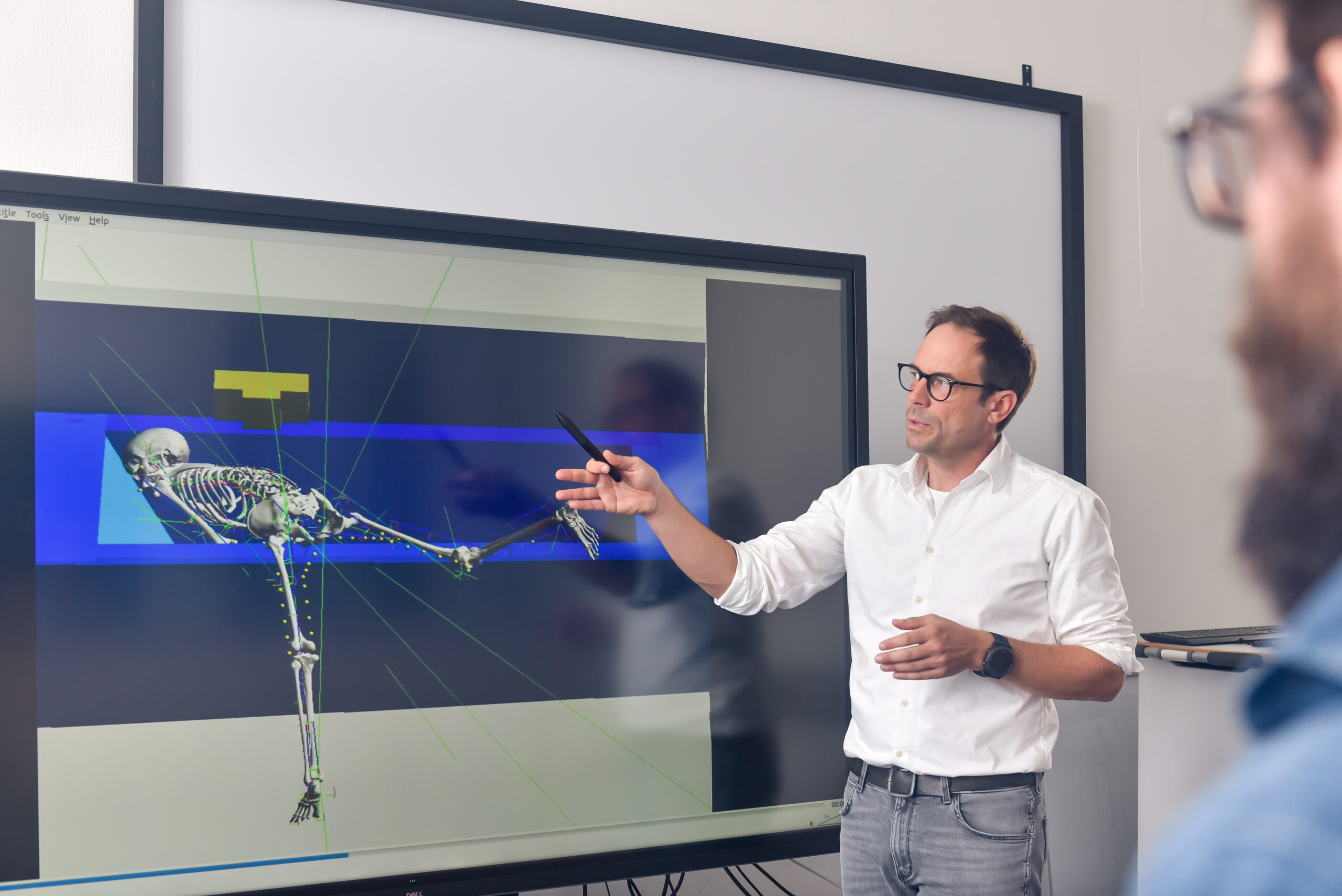
    The new, computer-aided biomechanical simulation method, which came into play in the expert opinion and was one of the main reasons why the investigation was reopened, was developed by a team of scientists under the leadership of Prof. Syn Schmitt. The Doctor of Physics is one of the heads of the Institute for Modeling and Simulation of Biomechanical Systems and is doing research in the SimTech Cluster of Excellence at the University of Stuttgart. He is concerned with autonomous, muscle-driven systems. For example, he uses simulations to reproduce human movement patterns. Depending on how heavy, how tall, or how old the model person is, different movement patterns are computed and a “digital human model” is created. In order to check whether the corresponding calculations are correct, the team feeds the data into robotic systems and thus verifies that the computed and simulated movements could take place in reality.

    How did the conviction come about?

    The case is as follows: 87-year-old Lieselotte Kortüm was found dead in her bathtub, which was filled with water. She had two hematomas on the back of her head. At the time, there were several indications that it was an accident, such as the woman’s age and a pre-existing condition that often leads to falls. However, the judges and the forensic medical expert at the time ruled out the possibility that the hematomas could have been caused by a fall. They also said that the position in which the body was found could not be explained by a fall without external influence. The caretaker Manfred Genditzki, who helped Kortüm and other residents with their daily chores, was the last person to enter the apartment. Embezzlement, the initially assumed motive, had to be discarded later. Instead, it was assumed that there had been an argument. This is how the caretaker was finally convicted as a murderer. Genditzki has been in prison for 13 years. He never confessed to the crime, but repeatedly protested his innocence.

    Biomechanical simulation is recognized as a forensic expert report

    After four years of imprisonment, attorney Regina Rick took over the defense of Genditzki. In order to get the case reopened, she commissioned Prof. Syn Schmitt, among others, to provide an expert opinion. Already during the appeal in 2011, Schmitt was requested as an expert by the defense attorney at the time. Back then, however, he was still at the beginning of his research. Today, the method developed by the Stuttgart scientists is recognized by the Higher Regional Court in Munich and, for this case, is used for a forensic expert opinion for the first time.

    In August 2022, the Higher Regional Court in Munich decided that the reopening of the case is justified and that a new main trial must take place. Genditzki, convicted of murder and imprisoned for 13 years, was released immediately – which was a sensation. The main reason given for ordering the reopening was the change in the evidence due to the biomechanical expert report by Schmitt and the thermodynamic expert report by Prof. Niels Hansen, Deputy Head of the Institute of Thermodynamics and Thermal Process Engineering at the University of Stuttgart as well as a new witness statement. Based on the thermodynamic expert report medical examiner Prof. Gita Mall was able to narrow down the time of death.

    The expert opinions from the two scientists of the University of Stuttgart are an important basis for the reopening of the case

    Using the biological data of the deceased woman, such as height, weight, the specific weight distribution in elderly people, and bone lengths, Schmitt’s team created a person-specific model. Schmitt and his team then started from an initial state: the person-specific model of Ms. Kortüm in front of the bathtub filled with water. The aim was to reconstruct the incident. Based on the assumed initial situation, can the simulation represent the final state found? The final state – that is the body lying in the bathtub, the two hematomas as well as the shoes and the cane of the dead woman in front of the bathtub. “In principle, the circumstances surrounding the case are not important for our work. We are only interested in whether the final state can be reached naturally, that is without external influence, from the assumed initial position. We want to find the truth,” Schmitt points out. “Using our method, we are able to determine, objectively and transparently, which movements are possible depending on the laws of physics.” This is exactly what is important for solving the case.

    The simulation clearly supports the view that it may have been an accident

    The scientists conducted numerous simulations of the incident. “Simulation is also a question of probability,” Schmitt explains. All simulations lead to the same result: They show that a fall without external influence is probable. Thus, the simulation clearly supports the view that the incident may have been an accident.

    The thermodynamic expert report allows conclusions to be drawn about the time of death

    The Stuttgart scientist Prof. Niels Hansen was able to narrow down the approximate water temperature at the time the body was found. This allows conclusions to be drawn about how long the body had been in the water and thus about the time of death. The expert opinion of medical examiner Gita Mall, which is based on Hansen’s investigations, suggests a time of death that lies considerably outside the time window assumed by the trial court.

    One of the most famous criminal cases of the past 15 years is reopened and scientists from the SimTech Cluster of Excellence at the University of Stuttgart provided the essential prerequisites.


    About Syn Schmitt

    What does the simulation scientist do when he isn’t working on an expert report for a murder trial? He’s working at the Institute for Modeling and Simulation of Biomechanical Systems and in the SimTech Cluster of Excellence at the University of Stuttgart as part of an interdisciplinary team of 20 scientists from the fields of simulation science, physics, mechanical engineering, and medical engineering. The team is concerned with computer-aided biophysics and biorobotics. “We’re trying to understand the movement patterns of humans or animals. Our language is mathematics and we use it to describe the models,” Schmitt explains. The scientists are also working in close cooperation with the Hertie Institute for Clinical Brain Research at the University Hospital Tübingen and with the Spine Center at the Diakonie-Klinikum hospital in Stuttgart. The research findings could be used in future for the development of prostheses or orthoses and for robotics. The simulation scientist is also involved in research on Artificial Intelligence and modern robotics at Cyber Valley.

    Many other unfamiliar activities are associated with his role as an expert witness in a murder trial. He was in contact with the Ministry of Justice, especially in connection with the recognition of the simulation method as legal evidence. He also has to face questions from the media.

    What does he think about the case? “I separate the emotional side from the professional task. That’s really important to me. Dealing with this case for about five years has advanced our research. We took an even closer look and it was demonstrated that medical examiners and simulation scientists can work well together.” Syn Schmitt would be pleased if the method also found its way into the training of forensic pathologists or into examination laboratories: “It can support traditional forensic medicine, especially in the reconstruction of falls.”

    About Niels Hansen

    Prof. Niels Hansen is the Deputy Head of the Institute of Thermodynamics and Thermal Process Engineering (ITT) at the University of Stuttgart. The ITT presents the fields of thermodynamics and thermal process engineering in research and teaching. It is an important link between the engineering sciences and the natural sciences. Thermodynamics is a basic discipline in the natural and engineering sciences. It deals with the various manifestations of energy and their conversion into each other.

    Hansen conducts research on molecular models, which he uses to make predictions of macroscopic thermodynamic properties. In addition to quantitative predictions, molecular-simulation methods also allow a molecular interpretation of physical processes that often cannot be made visible by measurements. The ITT is involved in several interdisciplinary research networks, such as the Collaborative Research Centers “Interface-Driven Multi-Field Processes in Porous Media – Flow, Transport and Deformation” and “Molecular Heterogeneous Catalysis in Confined Geometries” as well as the SimTech Cluster of Excellence.

  • 1.5 million euros for micro-medical robots 

    1.5 million euros for micro-medical robots 

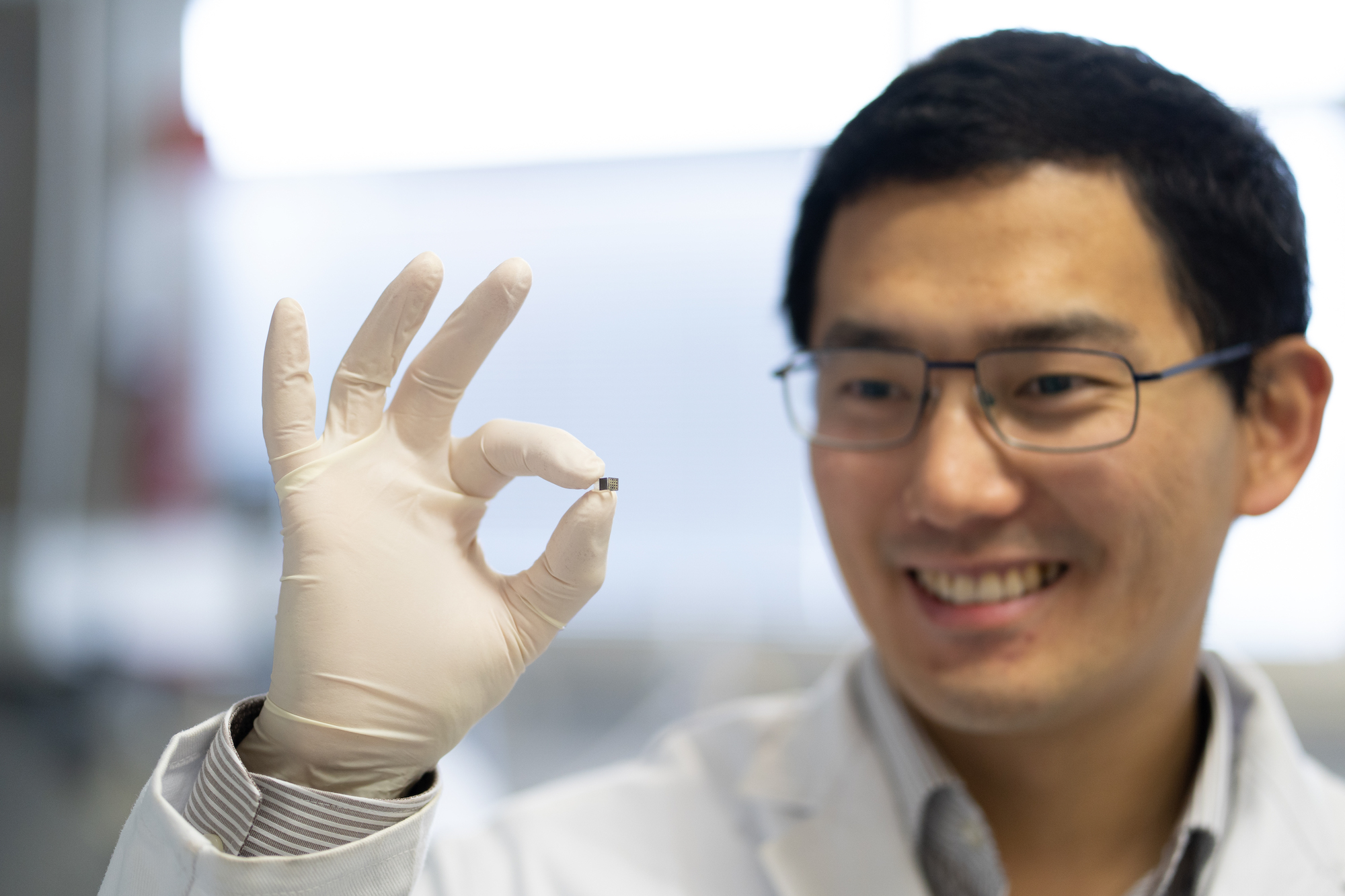
    How could drugs be used in the body in a more targeted way in the future? Biomedicine could provide an answer. Dr. Tian Qiu is researching tiny robots that travel through the human body. Tian Qiu and his team already succeeded in steering nanorobots through the dense tissue of an eyeball for minimally invasive drug delivery, which had never been achieved before.

    In the “VIBEBOT” project, Qiu and his team are taking this approach further: They are going to build the first micro-sized robot that can actively propel and wirelessly sense in deep biological tissues. For the project, Qui was inspired by nature: “We know that worms, for example, can penetrate human skin to infect humans. Why can't we build a similar-sized robotic system that can penetrate soft tissue to treat disease?” Research on this holds enormous potential for future minimally invasive medicine, “such as targeted drug delivery for tumor therapy,” Qiu said.

    Tian Qiu has been Cyber Valley research group leader for “Biomedical Microsystems” since 2019. The group is based at the Institute of Physical Chemistry at the University of Stuttgart. Previously, he studied mechanical and biomedical engineering at Tsinghua University in Beijing, which is considered China's leading technical university. He came to Europe in 2012, earning a PhD in biotechnology and bioengineering at Switzerland's Ecole Polytechnique Fédérale de Lausanne (EPFL) and conducting research at the Max Planck Institute for Intelligent Systems (MPI-IS).

    With the ERC Starting Grants, the European Research Council supports outstanding young scientists for innovative projects in basic research. The ERC evaluates the applications exclusively according to the criterion of scientific excellence. The research project “VIBEBOT” will receive funding of 1.5 million euros; the funding will run for five years. With the new grant, the University of Stuttgart is home to twelve active ERC grants, including six ERC Starting Grants (overview of scientists at the University of Stuttgart who have been awarded an ERC Grant). Two other Cyber Valley researchers were also awarded ERC Grants, an ERC Starting Grant and an ERC Consolidation Grant.

    _______________
    Further information
    From researcher to founder
    Scope of Cyber Valley research expanded to include intelligent biomedical microsystems

  • On a mission to one day battle cancer

    A team of scientists in the Physical Intelligence Department at the Max Planck Institute for Intelligent Systems have combined robotics with biology by equipping E. colibacteria with artificial components to construct biohybrid microrobots. Firstly, as can be seen in Figure 1, the team attached several nanoliposomes to each bacterium. On their outer circle, these spherical-shaped carriers enclose a material (ICG, green particles) that melts when illuminated by near infrared light. Further towards the middle, inside the aqueous core, the liposomes encapsulate water soluble chemotherapeutic drug molecules (DOX).

    The second component the researchers attached to the bacterium is magnetic nanoparticles. When exposed to a magnetic field, the iron oxide particles serve as an on-top booster to this already highly motile microorganism. In this way, it is easier to control the swimming of bacteria – an improved design toward an in vivo application. Meanwhile, the rope binding the liposomes and magnetic particles to the bacterium is a very stable and hard to break streptavidin and biotin complex, which was developed a few years prior and comes in useful when constructing biohybrid microrobots.

    Figure 1: Bacterial biohybrids carrying nanoliposomes (200 nm) and magnetic nanoparticles (100 nm). Nanoliposomes are loaded with chemotherapeutic DOX and photothermal agent ICG, and both cargoes are conjugated to E. coli bacteria (2 to 3 µm in length) via biotin-streptavidin interactions. Akolpoglu et al., Sci. Adv. 8, eabo6163 (2022).

    E.coli bacteria are fast and versatile swimmers that can navigate through material ranging from liquids to highly viscous tissues. But that is not all, they also have highly advanced sensing capabilities. Bacteria are drawn to chemical gradients such as low oxygen levels or high acidity – both prevalent near tumor tissue. Treating cancer by injecting bacteria in proximity is known as bacteria mediated tumor therapy. The microorganisms flow to where the tumor is located, grow there and in this way activate the immune system of patients. Bacteria mediated tumor therapy has been a therapeutic approach for more than a century.

    For the past few decades, scientists have looked for ways to increase the superpowers of this microorganism even further. They equipped bacteria with extra components to help fight the battle. However, adding artificial components is no easy task. Complex chemical reactions are at play, and the density rate of particles loaded onto the bacteria matters to avoid dilution. The team in Stuttgart has now raised the bar quite high. They managed to equip 86 out of 100 bacteria with both liposomes and magnetic particles.
     
    The scientists showed how they succeeded in externally steering such a high-density solution through different courses. First, through an L-shaped narrow channel with two compartments on each end, with one tumor spheroid in each. Second, an even narrower set-up resembling tiny blood vessels. They added an extra permanent magnet on one side and showed how they precisely control the drug-loaded microrobots towards tumor spheroids. And third – going one step further – the team steered the microrobots through a viscous collagen gel (resembling tumor tissue) with three levels of stiffness and porosity, ranging from soft to medium to stiff. The stiffer the collagen, the tighter the web of protein strings, the more difficult it becomes for the bacteria to find a way through the matrix (Figure 2). The team showed that once they add a magnetic field, the bacteria manage to navigate all the way to the other end of the gel as the bacteria had a higher force. Because of constant alignment, the bacteria found a way through the fibers.

    Figure 2: Schematic showing bacterial biohybrid microrobots magnetically guided through fibrous environments. Bacterial biohybrids can release their payload upon NIR irradiation. Akolpoglu et al., Sci. Adv. 8, eabo6163 (2022).

    Once the microrobots are accumulated at the desired point (the tumor spheroid), a near infrared laser generates rays with temperatures of up to 55 degrees Celsius, triggering a melting process of the liposome and a release of the enclosed drugs. A low pH level or acidic environment also causes the nanoliposomes to break open – hence the drugs are released near a tumor automatically.
     
    “Imagine we would inject such bacteria based microrobots into a cancer patient’s body. With a magnet, we could precisely steer the particles towards the tumor. Once enough microrobots surround the tumor, we point a laser at the tissue and by that trigger the drug release. Now, not only is the immune system triggered to wake up, but the additional drugs also help destroy the tumor,” says Birgül Akolpoglu, a Ph.D. student in the Physical Intelligence Department at MPI-IS. She is the first author of the publication titled “Magnetically steerable bacterial microrobots moving in 3D biological matrices for stimuli-responsive cargo delivery” co-led by former postdoctoral researcher in the Physical Intelligence Department, Dr. Yunus Alapan. It was published in Science Advances on July 15, 2022.
     
    “This on-the-spot delivery would be minimally invasive for the patient, painless, bear minimal toxicity and the drugs would develop their effect where needed and not inside the entire body,” Alapan adds.
     
    “Bacteria-based biohybrid microrobots with medical functionalities could one day battle cancer more effectively. It is a new therapeutic approach not too far away from how we treat cancer today,” says Prof. Dr. Metin Sitti, who leads the Physical Intelligence Department and is the last author of the publication. “The therapeutic effects of medical microrobots in seeking and destroying tumor cells could be substantial. Our work is a great example of basic research that aims to benefit our society.”

  • AI & Health

    AI & Health

    Forscher:innen, Start-ups und Investoren werden aus verschiedenen Blickwinkeln Einblicke in dieses Thema geben und ihre Erfahrungen und Ideen teilen.

    Wissenschaftler:innen, Gründer:innen, Studierende und alle, die sich für das Thema "AI & Health" interessieren, sind herzlich eingeladen, am Donnerstag, den 19. Mai, 14:00-15:30 Uhr MESZ dabei zu sein.

    Sprecher:innen

    Alona Shagan
    Postdoc, Max Planck Institut für Intelligente Systeme

    Milad Geravand
    CEO, Deep Care GmbH

    Manuel Heurich
    CEO, BinDoc GmbH

    Stephan Rauscher
    Partner, UNI-X

    Registrierung

    Bitte hier registrieren. Das Event findet via Zoom und in englischer Sprache statt.

    Kontakt

    Oliwia Gust –  Event Manager
    Telefon: +49 7071 601 1554
    Mobil: +49 151 4075 6302 
    E-Mail: oliwia.gust@cyber-valley.de

  • Heilen mit Algorithmen?

    Heilen mit Algorithmen?

    Einen Impuls über die rechtlichen Fragen des KI-Einsatzes in der (Bio-)Medizin gibt Fruzsina Molnár-Gábor. Anschließend kommt Cordula Kropp mit ihr und dem Arzt Götz Martin Richter ins Gespräch.

    Prof. Dr. jur. Fruzsina Molnár-Gábor, Heinz-Maier-Leibnitz-Preisträgerin (2020) ist Professorin an der Universität Heidelberg, Mitglied der Jungen Akademie der Berlin-Brandenburgischen Akademie der Wissenschaften und der Nationalen Akademie der Naturforscher Leopoldina sowie des Europäischen Ethikrats. Ihre Forschungsschwerpunkte liegen u.a. im Bereich des Medizin- und Datenschutzrechts.
    Prof. Dr. med. Götz Martin Richter ist Ärztlicher Direktor der Klinik für Diagnostische und Interventionelle Radiologie am Klinikum Stuttgart. Er setzt im Rahmen einer Studie Künstliche Intelligenz beim Auffinden von Brust- und Prostatakrebs ein.
    Prof. Dr. Cordula Kropp ist Soziologin mit dem Schwerpunkt Risiko- und Technikforschung. am Institut für Sozialwissenschaften der Universität Stuttgart. Unter ihrer Leitung untersuchte das TechnikRadar 2021 die Einstellungen der Deutschen zur Digitalisierung des Gesundheitssystems.

    Eine Veranstaltung des Internationalen Zentrums für Kultur- und Technikforschung (IZKT) und des Zentrums für Interdisziplinäre Risiko- und Innovationsforschung (ZIRIUS) der Universität Stuttgart im Rahmen des Stuttgarter Wissenschaftsfestivals 2022.

    Zugleich in der Reihe „Fragen an KollegIn KI“ im Rahmen des „Wissenschaftsjahres 2022 – Nachgefragt!“, gefördert vom Bundesministerium für Bildung und Forschung (BMBF). Ein Projekt der Universität Stuttgart: Interchange Forum for Reflecting on Intelligent Systems (IRIS), Internationales Zentrum für Kultur- und Technikforschung (IZKT) und der Hochschule der Medien in Kooperation mit der Stadtbibliothek Stuttgart.

  • AI in Social Innovation & Impact

    AI in Social Innovation & Impact

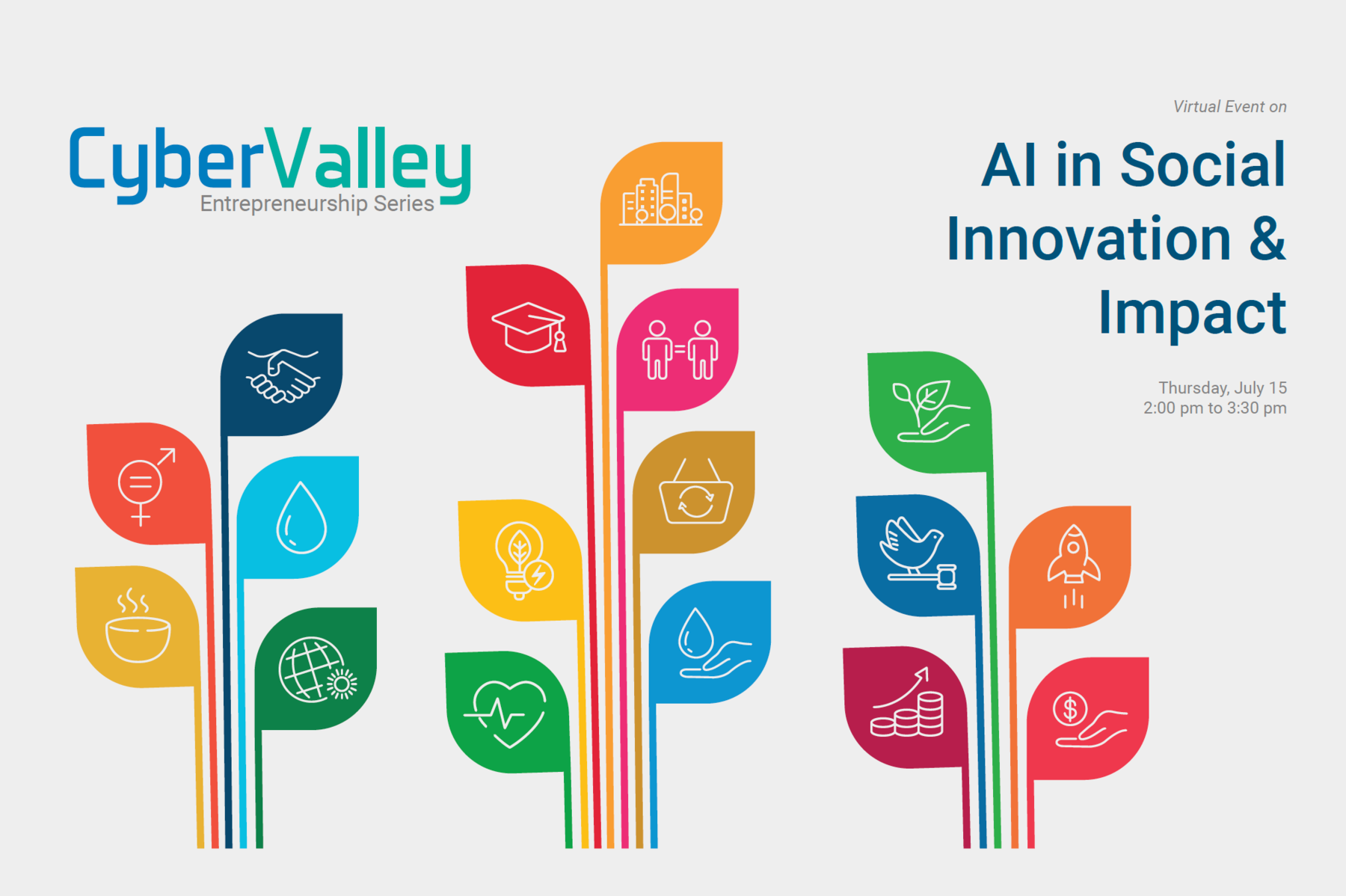
    In dieser Veranstaltung zeigen unsere Referent:innen Ansätze und Möglichkeiten auf, wie KI-Expertise in diesem Kontext genutzt werden kann und präsentieren Beispiele, wie KI-Forschung in innovative Bereiche oder sogar einem Start-up integriert werden kann.
     

    Sprecher:innen für dieses Event sind:


    Lorena Jaume-Palasí
    Founder and Executive Director,The Ethical Tech Society


    Lynn Kaack
    Researcher ETH Zürich, Chair and Co-Founder of Climate Change AI


    Raphael Menges
    Postdoc Associate University of Stuttgart and Founder Semanux


    Jörn-Philipp Lies
    CEO & Co-Founder eye2you


    Zhijing Jin
    Ph.D. student MPI-IS, Empirical Inference


    Wissenschaftler:innen, Gründer:innen, Studierende und alle, die sich für dieses Thema interessieren, sind am Donnerstag, 15. Juli, von 14:00 bis 15:30 Uhr herzlich eingeladen!


    Registrierung

    Bitte hier registrieren. Das Meeting findet via Zoom und in englischer Sprache statt.


    Kontakt

    Oliwia Gust – Cyber Valley Event Manager
    Telefon: +49 7071 601 1554
    Mobil: +49 151 4075 6302 
    E-Mail: oliwia.gust@cyber-valley.de

  • Life Improvement Science Conference

    Life Improvement Science Conference

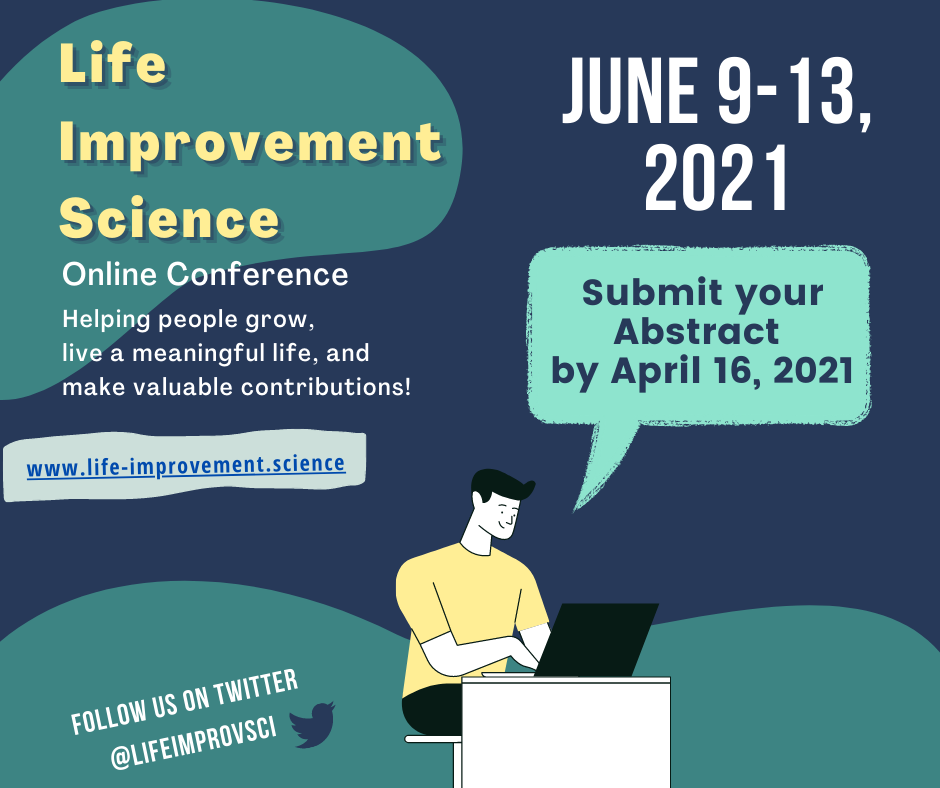
    The first Life Improvement Science conference will be held online between June 9 to June 13, 2021. The conference aims to:

    1. Build a supportive community of researchers and practitioners interested in life improvement science and its applications.

    2. Work towards a shared understanding of the most important open questions of the field and how they can be answered.

    3. Provide an overview of some of the most important research that has been done in different areas of life improvement science.

    4. Foster intellectual exchange and collaboration across different fields.

    The conference is open to the general public. Registration is currently open on the event website. The conference will include talks about promising approaches to life improvement science and its future directions, interactive discussions, a look at the field's most important open questions, presentations of recent work, and opportunities for scientists to collaborate on developing new ideas and establishing life improvement science.