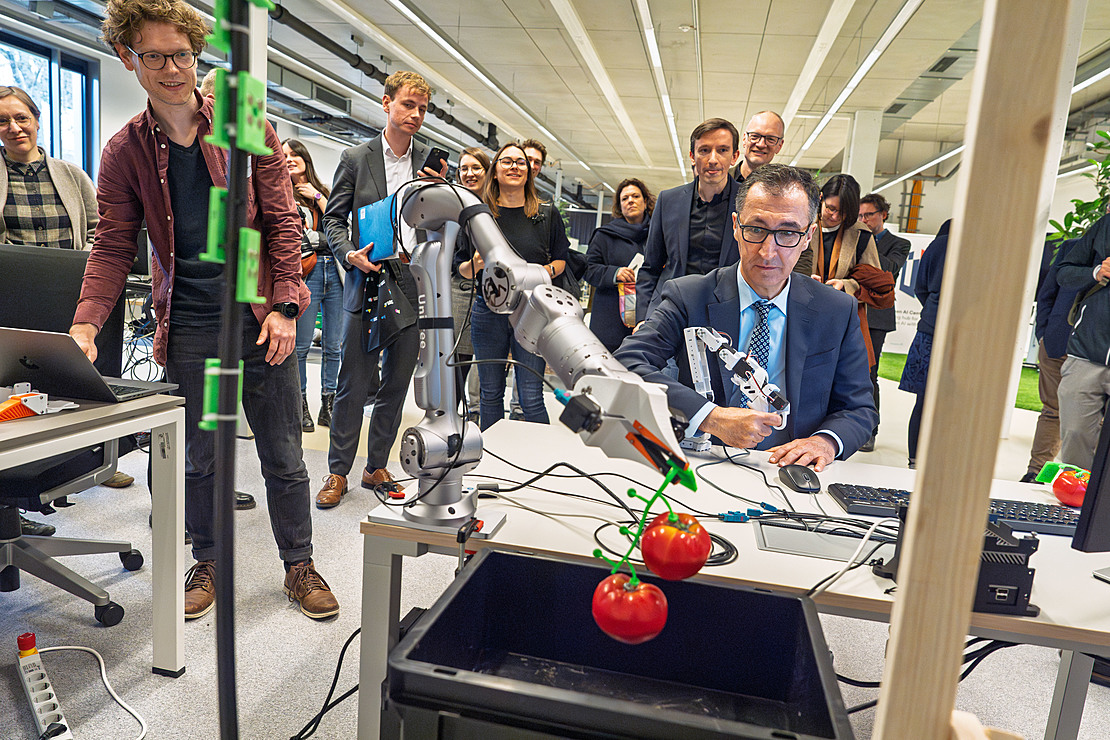
Vom 25. bis 27. März 2025 findet das hochkarätige »European Robotics Forum« des europäischen Roboterverbands euRobotics in der Stuttgarter Liederhalle statt. Zahlreiche Partner, prominente Gäste, ein breit gefächertes Programm und ein großer kostenfreier Beitrag zum Public Engagement am Nachmittag des 24. März machen Stuttgart zum wichtigsten Treffpunkt für Industrie, Wissenschaft und interessierte Öffentlichkeit rund um die Themen Robotik und KI.
Nach 15 Jahren des Bestehens kommt das ERF erstmals nach Deutschland. In der Liederhalle im Herzen von Stuttgart trifft sich in der letzten Märzwoche die europäische Robotik-Community auf ihrem Flaggschiff-Event. Mit dem diesjährigen Motto »Boosting the Synergies between Robotics and AI for a stronger Europe« hat es das Ziel, Forschung und Industrie zusammenzubringen, den aktuellen Stand von Robotik und KI auf großer Bühne zu präsentieren und kommende technologische Entwicklungen mitzugestalten.
Branchenspezifische Industrieprogramme und inspirierende Keynotes
Das ERF vereint zahlreiche Veranstaltungsformate und ist deshalb ein einzigartiges Event in der europäischen Robotik-Community. Keynotes, Workshops und zahlreiche weitere Aktivitäten wie ein B2B-Matchmaking machen einen großen Teil des breit gefächerten Programms aus. So können die Teilnehmerinnen und Teilnehmer beispielsweise zwischen mehr als 50 Workshops wählen, die auch in branchenspezifischen Programmempfehlungen zusammengefasst sind:
- Advanced industrial robotics and humanoids
- Safety, security, and privacy of cobots
- Industrial and service robots
- AI and data solutions for robotics
- Sustainability, like disassembly or automation in agriculture
- Robots in healthcare and pharma
- Strategy policy of robotics in Europe
- Start-ups and entrepreneurships in Robotics
Mehrere euRobotics-Awards werden verliehen, eine Ausstellung im Stil einer Fachmesse ergänzt das Programm und es gibt Vor-Ort-Besuche im regionalen Robotik-Ökosystem.
Jeder Programmtag beginnt mit einer Keynote von hochkarätigen Persönlichkeiten:
- 25. März, 10 Uhr: Jörg Burzer, Mercedes-Benz AG: »Transformation in Production: Pioneering technologies for sustainable automotive production of the future«
- 26. März, 10 Uhr: Dieter Fox, Nvidia: »Where is RobotGPT?«
- 27. März, 10 Uhr: Nicole Hoffmeister-Kraut, Ministerin für Wirtschaft, Arbeit und Tourismus Baden-Württemberg: »AI-Driven Robotics from Baden-Württemberg: Pioneering the Future of European Industry« und David Reger, Neura Robotics: »Cognitive Robotics – A New Economic Engine for the Entire EU«
Alle Details zu den Programmpunkten: https://erf2025.eu/programme.
Universität Stuttgart und Fraunhofer zeigen intelligente Roboter für die Industrie
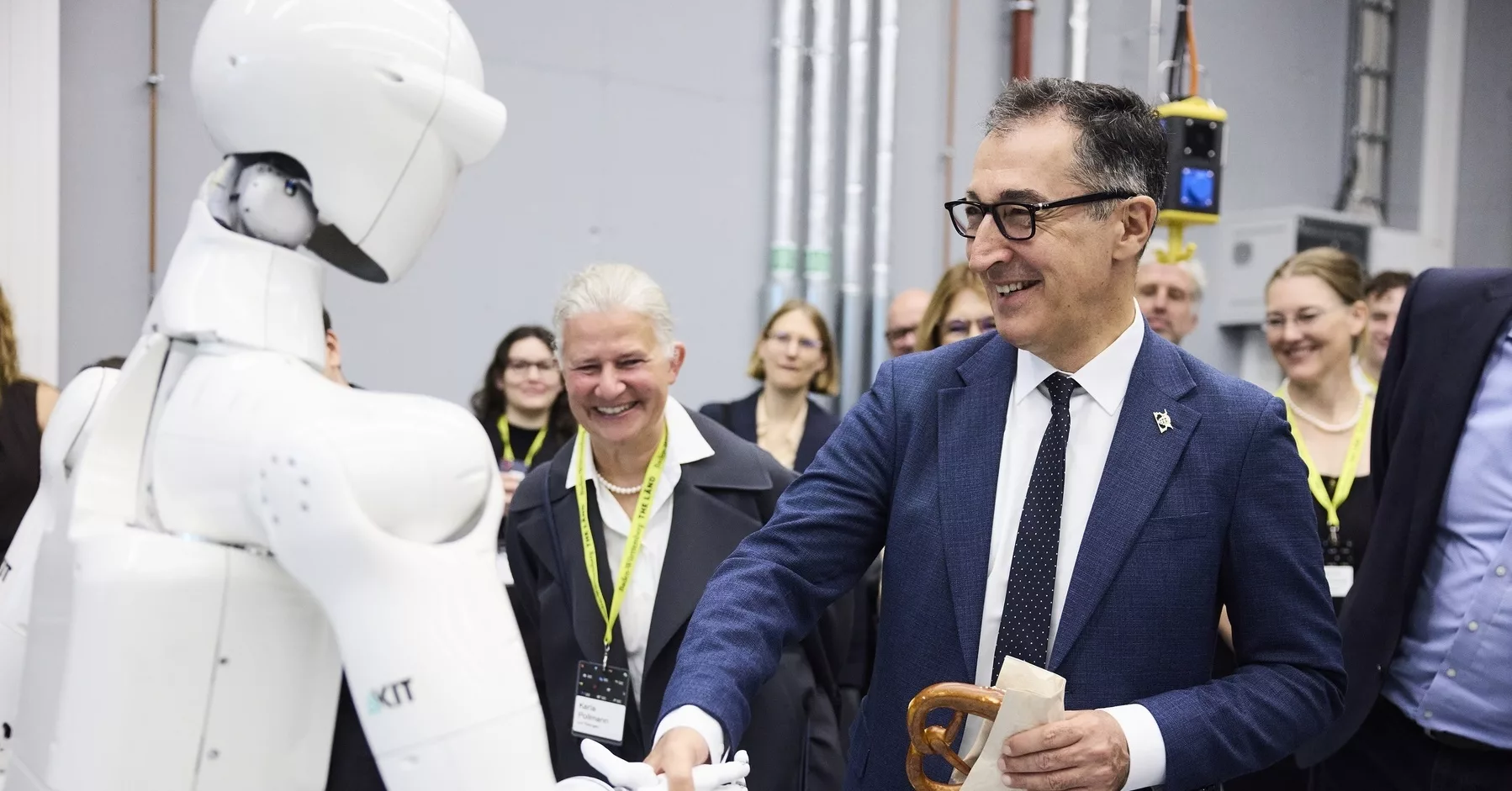
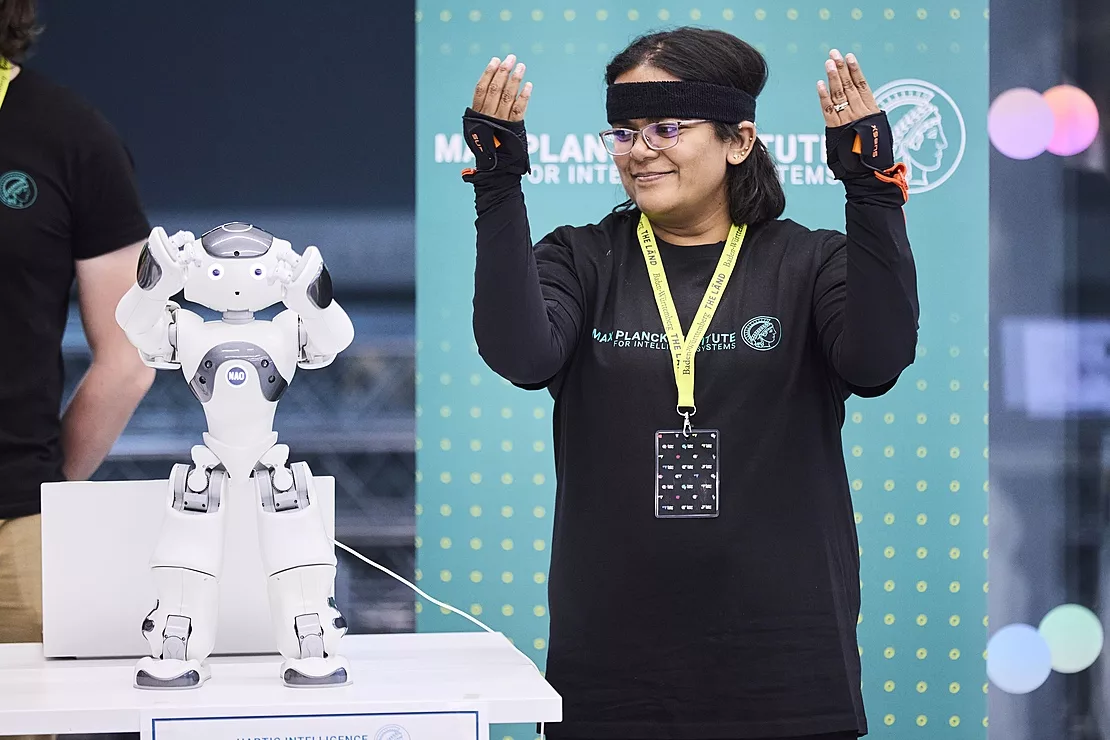
Die Universität Stuttgart gestaltet als einer der ERF-Partner die Veranstaltung maßgeblich mit. »Robotik und Künstliche Intelligenz in unterschiedlichsten Forschungs- und Anwendungsfeldern zusammenzubringen: Daran arbeiten interdisziplinäre Teams der Universität Stuttgart gemeinsam mit starken Partnern«, erklärt Rektor Prof. Peter Middendorf. »Unser Ziel ist es, mit exzellenter Forschung und schnellem Transfer einen Beitrag zur Lösung drängender Herausforderungen unserer Gesellschaft zu leisten. Das European Robotics Forum bietet uns die großartige Gelegenheit, neues Wissen und neue Technologien zu zeigen und zu diskutieren.« In der ERF-Ausstellung wird unter anderem das Projekt RoboCable von den Partnern Universität Stuttgart, Fraunhofer IPA und Innovationscampus Mobilität sowie eine Bin-Packing-Anwendung mit über 1300 Griffen unbekannter Objekte pro Stunde gezeigt.
Die Universität Stuttgart ermöglicht zudem einen Blick hinter die Kulissen der Robotik-Forschung. Wie können Algorithmen, Simulation und digitale Zwillinge Industrieroboter noch intelligenter und präziser für vielfältige Anwendungsbereiche machen? Bei Rundgängen durch das Institut für Steuerungstechnik der Werkzeugmaschinen und Fertigungseinrichtungen (ISW) sind unter anderem zu sehen: »Seilroboter« mit Einsatzpotenzial in der Logistik, Fräsroboter für die Metall- und Holzverarbeitung, digitale Zwillinge in der softwaredefinierten Produktion sowie Roboter für die Automobilindustrie, die Kabel automatisiert montieren. Wie Roboter professionell in der Automobilfertigung arbeiten können, erklärt das Team auch im wissenschaftlichen Teil des ERF 2025. Und das ISW-Spin-Off Sereact ist im Ausstellungsbereich mit einer KI-basierten Software für Warenhausroboter dabei.
Eine weitere geführte Tour bringt die ERF-Gäste von der Liederhalle an den Forschungscampus ARENA2036 sowie an das Fraunhofer IPA. Dabei werden Einblicke in die sich im Aufbau befindliche Test- und Entwicklungsumgebung des Projekts AI-Matters für KI-basierte Roboter sowie in das kürzlich gestartete Projekt RoX durch Mercedes-Benz gegeben. Weitere Höhepunkte sind beispielsweise kognitive Automatisierungslösungen für die Kreislaufwirtschaft und für mittelständische Schweißbetriebe.
Kostenfreies Public-Engagement-Event für alle Interessierten
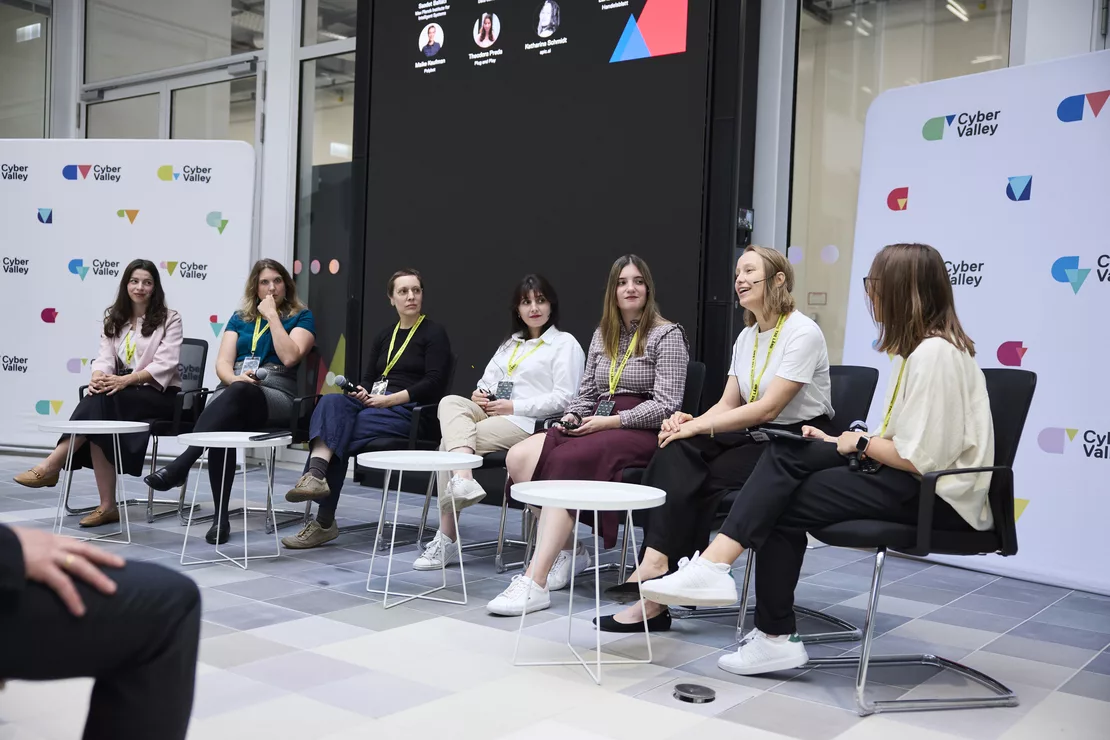
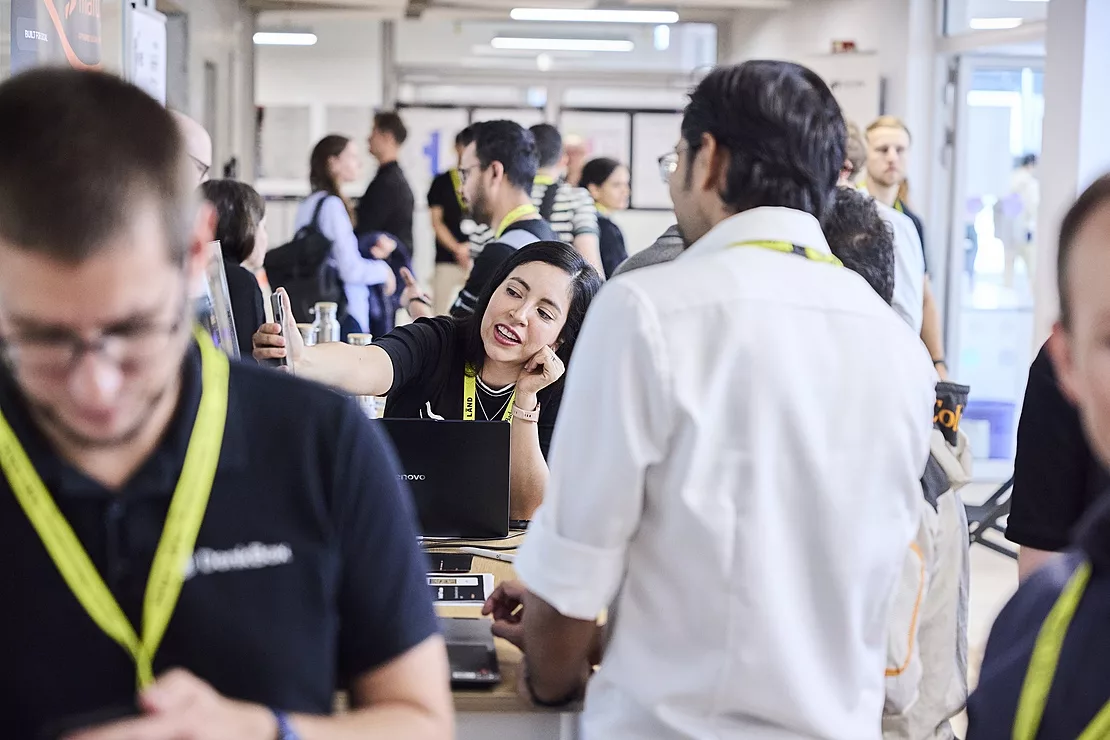
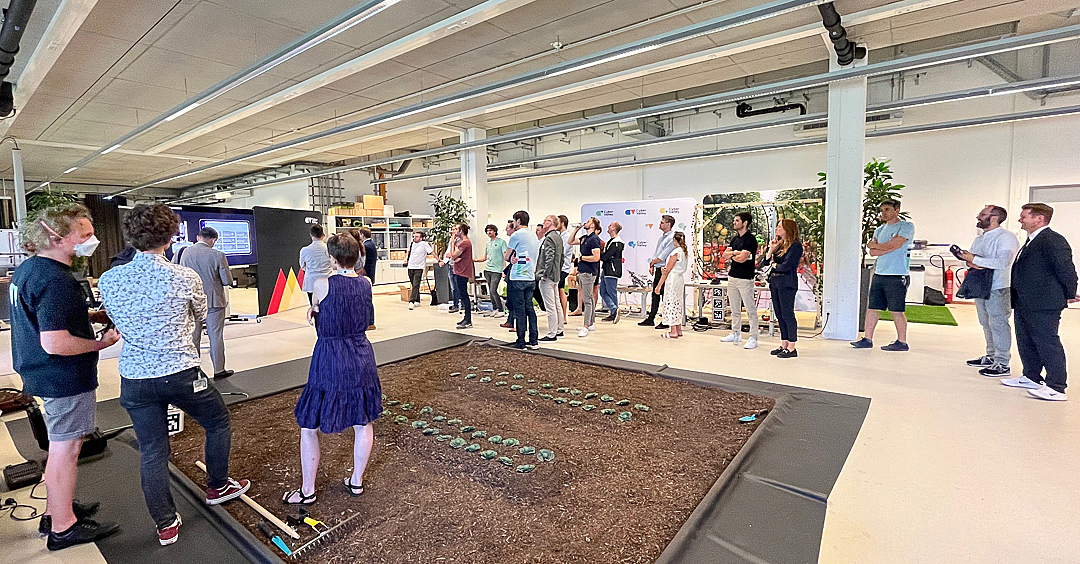
Bereits am 24. März steht die Ausstellung in der Liederhalle allen Interessierten kostenlos offen. Zudem gestalten die Veranstaltungspartner Cyber Valley und das Fraunhofer-Institut für Arbeitswirtschaft und Organisation IAO den Nachmittag im Sinne des Public Engagement. Unter dem Motto »Leben und Arbeiten mit Robotern: Erleben. Begreifen. Mitgestalten.« können interessierte Bürgerinnen und Bürger auch ganz ohne Robotik-Vorkenntnisse kostenlos an einem dreistündigen Programm teilnehmen. Dieses beinhaltet nicht nur eine interaktive Tour durch die Ausstellung.
Auch das »KI-Infomobil« aus dem vom Bundesministerium für Arbeit und Soziales geförderten Projekt »KI-Studios« macht Künstliche Intelligenz mit verschiedenen Demoanwendungen vor Ort erlebbar. Hier erarbeiten die vier Zielgruppen Schulen, Unternehmen und Forschung, Bürgerinnen und Bürger sowie Arbeitnehmerinnen und Arbeitnehmer Ideen für die zukünftige Zusammenarbeit mit Robotern. Den Abschluss bildet eine Podiumsdiskussion, in der Fachleute aus Politik, Wirtschaft und Forschung die Perspektiven zur Zukunft des Lebens und Arbeitens mit Robotern erörtern.
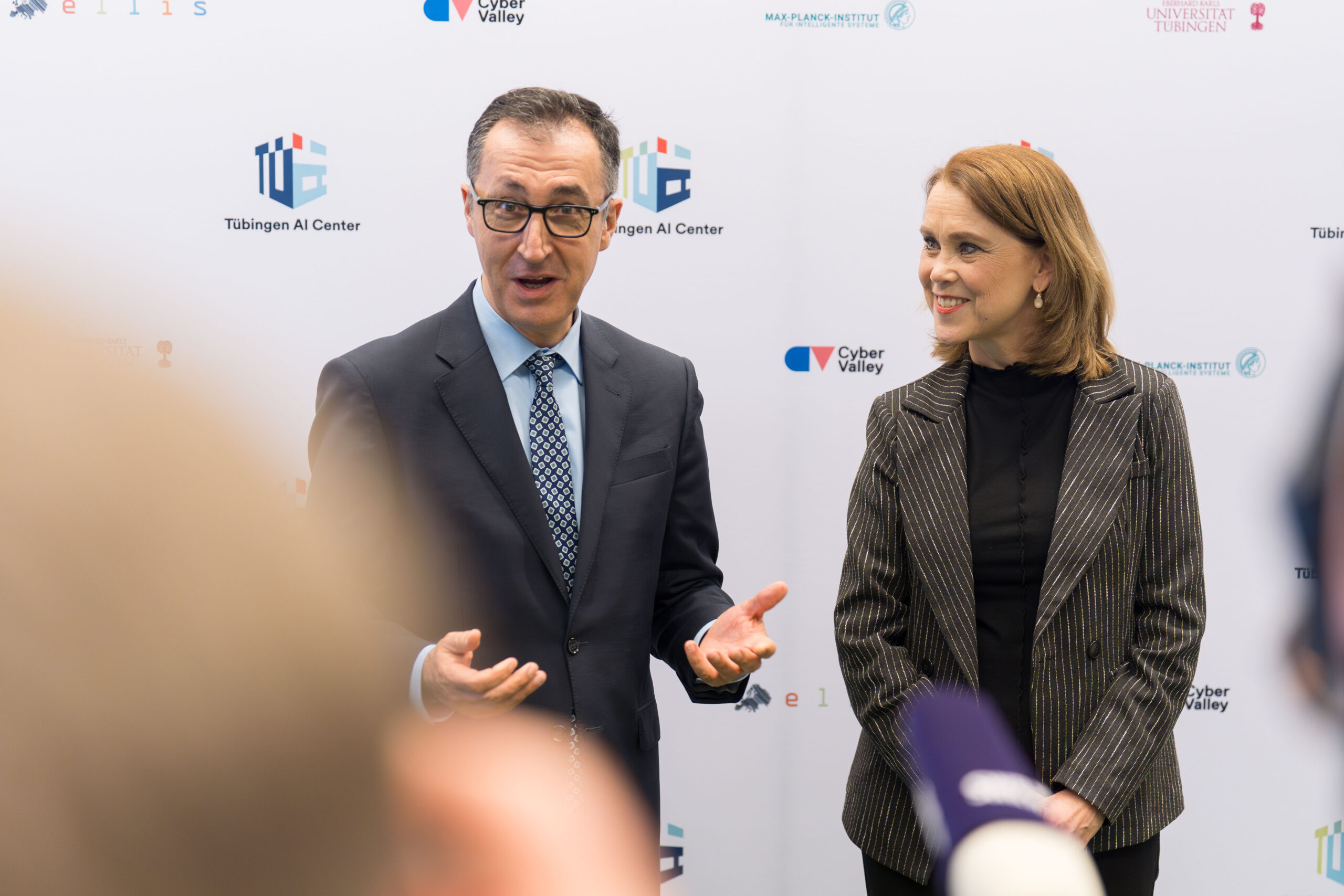
»Jede und jeder Einzelne von uns wird künftig mit Robotern in Kontakt kommen – beruflich, privat oder beides«, erklärt Rebecca C. Reisch, Geschäftsführerin der Cyber Valley GmbH und General Co-Chair Public Engagement Artificial Intelligence beim ERF. »Der Austausch mit der Gesellschaft zu diesem wichtigen Thema liegt uns daher sehr am Herzen – auch, um Potenziale aufzuzeigen und Berührungsängste abzubauen«, so Reisch. Und Matthias Peisser, Leiter Forschungsbereich Mensch-Technik-Interaktion am Fraunhofer IAO und General Co-Chair Future of Work beim ERF, ergänzt: »Intelligente Robotik kann viel Positives erreichen – auch in der Arbeitswelt. Die Technikentwicklung darf sich nicht darauf beschränken, menschliche Fähigkeiten zu simulieren. Nachhaltige Innovation entsteht, wenn Neues ermöglicht wird und Menschen befähigt werden. Unser Public Engagement zielt darauf ab, einen Dialog über eine wünschenswerte Zukunftsarbeit mit Robotik zu initiieren.«
Die Registrierung sowie weitere Informationen: https://erf2025.eu/public-engagement.
Region Stuttgart mit Robotik und KI stark aufgestellt
Der europäische Roboter-Verband euRobotics ist mit dem Fraunhofer-Institut für Produktionstechnik und Automatisierung IPA als wissenschaftlichem Kooperationspartner sowie gemeinsam mit einer Eventagentur für die Veranstaltung verantwortlich. Ebenfalls zu den Kooperationspartnern gehören die Cyber Valley GmbH (Europas Zentrum für Exzellenz in KI und moderner Robotik), die Universität Stuttgart, das Fraunhofer IAO sowie das Ministerium für Wirtschaft, Arbeit und Tourismus Baden-Württemberg. Am Donnerstag wird Wirtschaftsministerin Nicole Hoffmeister-Kraut auch vor Ort sein. »Wir heißen die führenden Robotik-Experten Europas herzlich willkommen beim ERF 2025 in Stuttgart. Der industrielle Erfolg Baden-Württembergs lebt von Innovationen im Bereich Robotik. Das ERF ist die ideale Plattform, um unsere Kompetenz in der modernen Robotik zu präsentieren«, so Hoffmeister-Kraut.
Und auch die Stadt Stuttgart unterstützt das ERF. Oberbürgermeister Frank Nopper wird beim Vorabend-Empfang, den die Stadt ausrichtet, die Begrüßung übernehmen. »Es ist eine einzigartige Gelegenheit für Stuttgart, Gastgeber des European Robotics Forum 2025 zu sein«, erklärt er. »Als ein Hotspot für Robotik und Künstliche Intelligenz ist Stuttgart stolz darauf, seinen Beitrag zur Weiterentwicklung des Fachgebiets zu leisten. Ich freue mich darauf, das ERF im März 2025 zu einem inspirierenden Ideenaustausch willkommen zu heißen.«
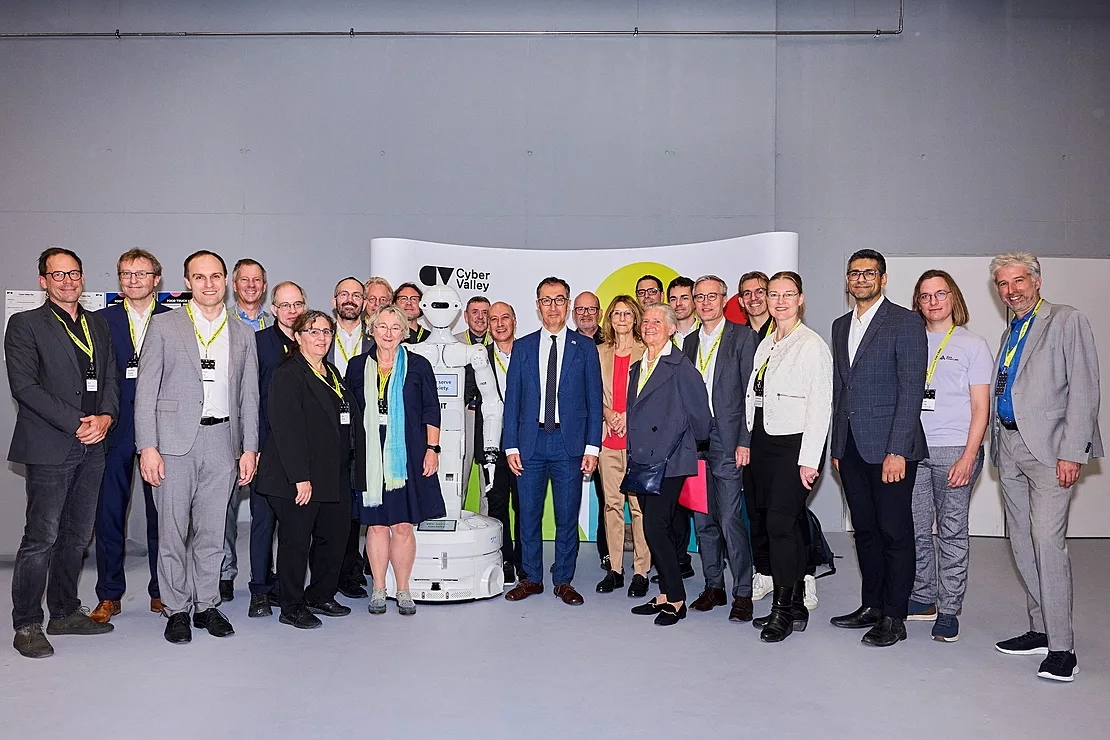
Weitere Unterstützung erhält das ERF von der Wirtschaftsförderung Region Stuttgart GmbH, dem Bundesministerium für Bildung und Forschung sowie durch die Schirmherrschaft des Bundesministeriums für Wirtschaft und Klimaschutz, das anlässlich der Eröffnung durch Staatssekretär Udo Philipp vertreten sein wird. Weitere prominente Gäste rund um das ERF sind Prof. Holger Hanselka, Präsident der Fraunhofer-Gesellschaft, sowie Lucilla Sioli, Direktorin für »Künstliche Intelligenz und digitale Industrie« in der Generaldirektion CONNECT bei der Europäischen Kommission.
Informationen für Presse- und Medienkontakte
Vertreterinnen und Vertreter von Tages-, Wochen- und Fachpresse sind herzlich eingeladen, am gesamten ERF kostenfrei teilzunehmen. Hierfür ist eine Registrierung mit entsprechendem Nachweis erforderlich. Neben dem beschriebenen Programm gibt es am 25. März um 13.15 Uhr ein moderiertes Pressegespräch speziell für Medienkontakte, das auch hybrid verfolgt werden kann. Daran werden der General Chair der Veranstaltung, Werner Kraus (Fraunhofer IPA), sowie die Co-Chairs Matthias Peissner (Fraunhofer IAO), Professor Alexander Verl und Professor Marco Huber (beide Universität Stuttgart) sowie eine Person von Cyber Valley teilnehmen. Bernd Liepert wird vonseiten euRobotics als dessen Präsident vertreten sein. Im Gespräch wird es um den Status und die Möglichkeiten Europas in Bezug auf Robotik und KI-Technologien gehen und jeder Chair steht für Fragen zu seinem inhaltlichen Schwerpunkt zur Verfügung.
Weitere Informationen für alle Interessierten, Medienvertreterinnen und Medienvertreter, potenzielle Sponsoren und Aussteller sowie alle Details zum Programm und zur Anmeldung: www.erf2025.eu.
Die regulären Ticketpreise gelten bis zum 14. März, 12 Uhr MEZ. Danach gilt der Preis für späte Registrierungen.
Veranstaltungs- und wissenschaftliche Partner:
euRobotics:
euRobotics:
euRobotics aisbl ist ein internationaler gemeinnütziger Verband für alle Interessengruppen der europäischen Robotik mit Sitz in Brüssel. Er wurde im September 2012 mit dem Ziel gegründet, die Wettbewerbsfähigkeit Europas zu stärken und die industrielle Führung von Herstellern, Anbietern und Endnutzern von auf Robotertechnologien basierenden Systemen und Dienstleistungen zu sichern. Die Ziele von euRobotics sind die Förderung der europäischen Robotikforschung, -entwicklung und -innovation sowie die Förderung einer positiven Wahrnehmung der Robotik. euRobotics hat das ERF 2010 begründet und veranstaltet es jährlich in Kooperation mit einem Partner vor Ort.
Fraunhofer IPA:
Das Fraunhofer IPA ist mit rund 1200 Mitarbeitenden eines der größten Institute der Fraunhofer-Gesellschaft. Der Forschungsbereich »Automatisierung und Robotik« entwickelt seit über 50 Jahren Automatisierungslösungen zum Beispiel für Produktion und Intralogistik, hat zahlreiche wegweisende nationale und internationale Forschungsprojekte geleitet ist besonders auf den Transfer von Forschungsergebnissen rund um die KI-basierte Robotik in die Anwendung fokussiert. Das Fraunhofer IPA ist der wissenschaftliche Kooperationspartner beim ERF.
Fraunhofer IAO:
Digitale Technologien verändern unsere Arbeitswelt und haben tiefgreifende Auswirkungen auf Wirtschaft und Gesellschaft. Lang etablierte Methoden und Prozesse werden durch die Digitalisierung in kürzesten Zeiträumen modernisiert und revolutioniert. Das Fraunhofer-Institut für Arbeitswirtschaft und Organisation IAO entwickelt gemeinsam mit Unternehmen, Institutionen und Einrichtungen der öffentlichen Hand Strategien, Geschäftsmodelle und Lösungen für die digitale Transformation. Das Fraunhofer IAO trägt Themen rund um die Zukunft der Arbeit zum ERF bei.
Universität Stuttgart:
Die Universität Stuttgart ist eine führende technisch orientierte Universität mit weltweiter Ausstrahlung. Sie folgt mit ihren 22.000 Studierenden und rund 5.500 Mitarbeiterinnen und Mitarbeitern der Vision „Intelligente Systeme für eine zukunftsfähige Gesellschaft“. Mit ihrem starken Forschungsprofil, ihrer erfolgreichen Verbundforschung und ihren aktuell zwei Exzellenzclustern gehört sie zu den erfolgreichsten Universitäten in Deutschland. Ihr besonderes Profil, der »Stuttgarter Weg«, steht für die konsequente interdisziplinäre Vernetzung komplementärer Fachdisziplinen sowie die Integration von Ingenieur-, Natur-, Geistes- und Sozialwissenschaften. Die Universität Stuttgart organisiert beim ERF gemeinsam mit dem Fraunhofer IPA den wissenschaftlichen Programmteil.
Cyber Valley GmbH:
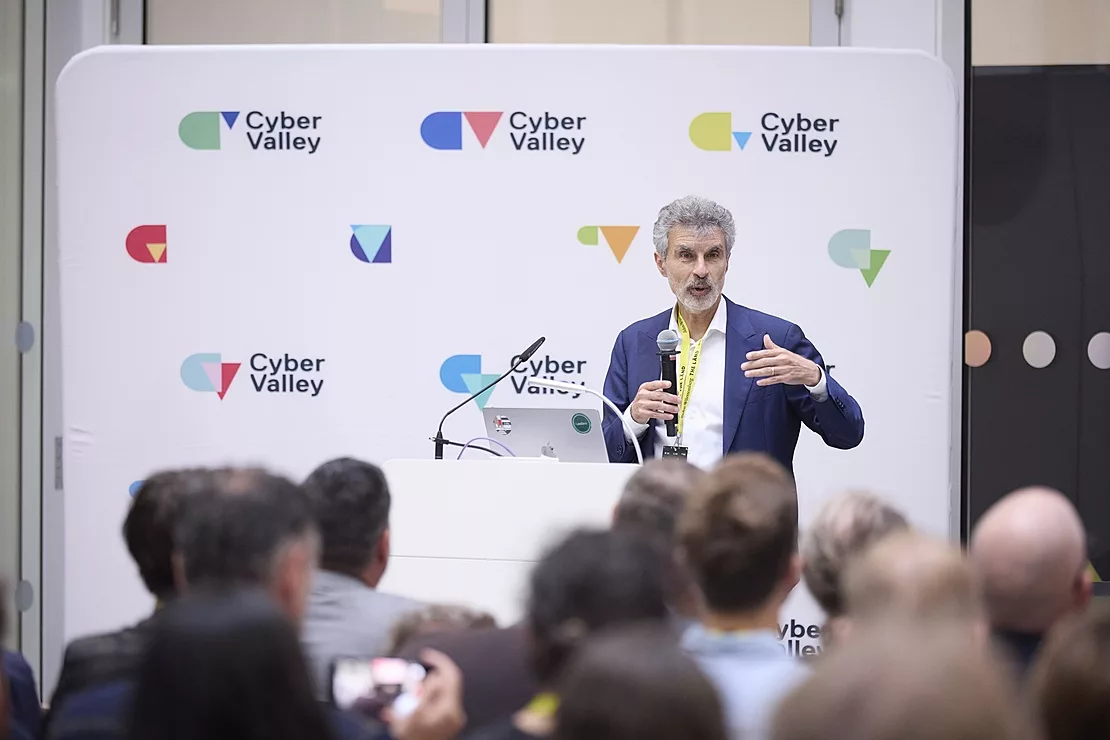
Cyber Valley ist Europas größtes und führendes Zentrum für Exzellenz in Künstlicher Intelligenz und moderner Robotik. Die Mission und der öffentliche Auftrag bestehen darin, sich für Forschung, Entwicklung, Anwendung und Akzeptanz von Technologien sowie Methoden intelligenter Systeme einzusetzen. Cyber Valley fördert die Gründung von KI-Start-ups, indem es wissenschaftliche Exzellenz mit Innovation und Technologietransfer verbindet. Außerdem unterstützt Cyber Valley die kritische Reflexion der ethischen und sozialen Auswirkungen von KI. Cyber Valley strebt eine Zukunft an, in der das Potenzial intelligenter Systeme zum Wohle der Gesellschaft voll ausgeschöpft wird. Cyber Valley trägt mit dem Public Engagement zum ERF bei.
Ministerium für Wirtschaft, Arbeit und Tourismus Baden-Württemberg
Baden-Württemberg hat eine starke Wirtschaft: hohes Wachstum, qualifizierte Arbeitskräfte, Innovationskraft, niedrige Arbeitslosigkeit und hohe Exporte. Die Wirtschaftspolitik zielt darauf ab, diese Spitzenposition zu halten und auszubauen, basierend auf nachhaltiger sozialer Marktwirtschaft, freiem Marktzugang und fairem Wettbewerb. Baden-Württemberg ist sowohl einer der größten Industriestandorte in Deutschland als auch eine der innovationsstärksten Regionen in Europa und weltweit. Um diese Position zu halten, wird auf intelligente Spezialisierung in Digitalisierung, KI, Industrie 4.0, Mobilität, Gesundheit und Nachhaltigkeit gesetzt. Das Ministerium für Wirtschaft, Arbeit und Tourismus ist Veranstaltungspartner des ERF.
Landeshauptstadt Stuttgart:
Stuttgart ist ein bedeutender Wissenschaftsstandort. Die Stadt ist das wissenschaftliche Zentrum Baden‐Württembergs mit einer hohen Dichte an wissenschaftlichen Einrichtungen. Als einer der forschungsstärksten Standorte Deutschlands konzentrieren sich laut Statistischem Landesamt 45 Prozent der Forschungs‐ und Entwicklungskapazitäten des Landes in Stuttgart. Die Stadt ist die einzige Stadt in Baden‐Württemberg mit gleich zwei Universitäten, dazu kommen fünf öffentliche Hochschulen und eine Vielzahl von privaten Hochschulen. Mit circa 59.000 Studierenden ist Stuttgart die größte Studierendenstadt in Baden‐Württemberg. Zudem tragen zahlreiche forschende Unternehmen zur wissenschaftlichen Stärke Stuttgarts bei und bilden eine wesentliche Grundlage für die Prosperität der Stadt. Die Stadt Stuttgart organisiert und sponsort die VIP Reception am 24. März 2025, bei der Oberbürgermeister Frank Nopper eine Begrüßungsrede halten wird.