News Category: Press Release

  • „Cyber and the City“ – Team der Universität Tübingen gewinnt Kommunikationspreis

    „Cyber and the City“ – Team der Universität Tübingen gewinnt Kommunikationspreis

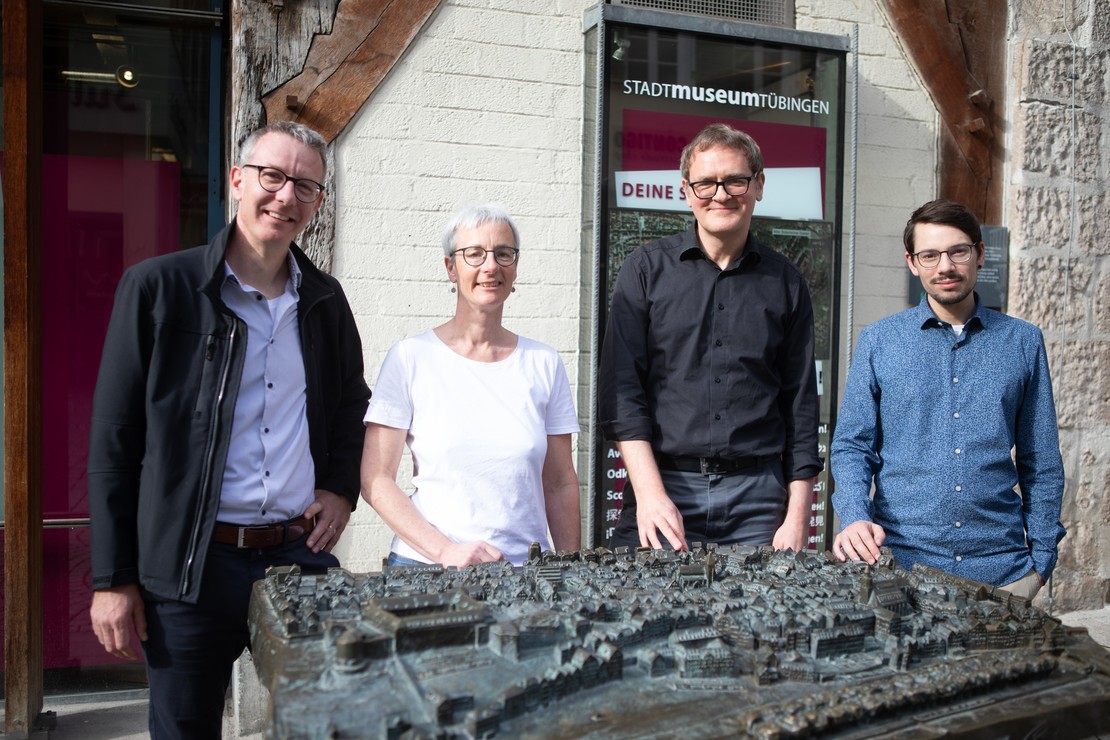
    Die Ausstellung war von Februar 2023 bis Januar 2024 im Stadtmuseum Tübingen zu sehen und ist interdisziplinär und gemeinsam mit dem Stadtmuseum Tübingen, insbesondere dessen Ausstellungskurator Guido Szymanska, konzipiert und umgesetzt worden. Teil des Ausstellungsteams waren außerdem mehr als 30 Studierende der Empirischen Kulturwissenschaft und des Masterstudiengangs Machine Learning der Universität Tübingen.

    Ulrike von Luxburg: „Die Ausstellung konnte nur deshalb so überzeugen, weil wir von Anfang an verschiedene Perspektiven auf das Thema eingebracht und mitgedacht haben. Die Studierenden mit ihren diversen Hintergründen, Meinungen und Herangehensweisen und die langjährige Erfahrung von dem Kurator des Stadtmuseums, Guido Szymanska, wie man abstrakte Ideen in konkrete Exponate umsetzen kann, haben die Ausstellung so erfolgreich gemacht.

    Die Jury aus Wissenschaftsjournalistinnen und -journalisten, Kommunikations- und PR-Fachleuten unter dem Vorsitz von DFG-Vizepräsident Professor Dr. Johannes Grave würdigte bei ihrer Entscheidung, dass das Team „Cyber and the City“ das so abstrakte wie kontroverse Thema Künstliche Intelligenz in die Lebens- und Erfahrungswelt der Menschen holt. Zudem eröffne es einen Dialograum, in dem sehr unterschiedliche Positionen und Interessen verhandelt werden können.

    Dazu habe das Team in einer erfolgreichen interdisziplinären Zusammenarbeit von Informatik und Empirischer Kulturwissenschaft eine Ausstellung im Tübinger Stadtmuseum und ein Begleitprogramm entworfen. Studierende der beiden Disziplinen erarbeiteten die Grundlagen für die Ausstellung und die weiteren Kommunikationsformate und bezogen dabei Interessengruppen, Bürgerinnen und Bürger, Aktivistinnen und Aktivisten oder auch Entscheidungsträgerinnen und Entscheidungsträger in die Konzeption und Umsetzung ein. Auf diese Weise, so die Jury des Communicator-Preises, sei eine Kommunikationsplattform entstanden, die eine gemeinsame Sprache zu Herausforderungen und Chancen von Künstlicher Intelligenz findet und sowohl Befürworterinnen und Befürworter als auch Skeptikerinnen und Skeptiker von KI zu Wort kommen lässt.

    Flankiert wurde die Ausstellung von einem umfangreichen Begleitprogramm, in das sich die an der Ausstellung beteiligten Akteurinnen und Akteure mit eigenen Veranstaltungen einbringen konnten. Zu den Veranstaltungen zählten etwa die „Retro Gaming Night meets KI“ sowie die in Kooperation mit dem SWR veranstaltete Podiumsdiskussion „Wer kontrolliert KI?“. Die Ausstellung zog insgesamt mehr als 40.000 Besucherinnen und Besucher unterschiedlicher Altersgruppen an. Durch Ausstellung und Begleitprogramm entstand so insgesamt ein Dialograhmen, der die am Standort sehr kontrovers geführte Diskussion rund um Künstliche Intelligenz versachlicht hat, ohne dabei Emotionen und Positionierungen zu ignorieren.

    Die Jury für den Communicator-Preis hob hervor, dass die lokale Verortung der Kommunikation bei diesem Projekt eine besondere Bedeutung habe: Künstliche Intelligenz – als global wirksames und zugleich schwer greifbares Thema – wurde hier am konkreten Fall, als Konsequenz von kontroversen Debatten in der Stadt und gemeinsam mit lokalen Akteurinnen und Akteuren verhandelt. Und dies geschah nicht in digitalen Foren, sondern im direkten Austausch der Beteiligten. Damit sei es dem Team hervorragend gelungen, ein schwieriges Thema leicht, humorvoll und dabei sachlich und intelligent umzusetzen. Insgesamt, so die Jury, sehe sie in der Arbeit des Teams den gelungenen Weg einer dialogischen Wissenschaftskommunikation, die weit über den Standort und das konkrete Thema hinausweise. Insbesondere vor dem Hintergrund der aktuellen Dialogkultur, in der verschiedene Argumente und Positionen kaum noch in einen konstruktiven Austausch zu bringen sind, sei dies ein besonders ermutigendes Projekt.

    Der „Communicator-Preis – Wissenschaftspreis des Stifterverbandes“ wird seit dem Jahr 2000 verliehen und gilt als der wichtigste Preis seiner Art in Deutschland. Ausgezeichnet werden Wissenschaftlerinnen und Wissenschaftler, die in ihrer Wissenschaftskommunikation besonders kreativ sind, neue, auch mutige Wege gehen und ihre Zielgruppen auf geeignete und wirksame Weise ansprechen. Sie sollen zudem die gesellschaftliche Dimension ihrer Forschung erkennen und ihr Wissen in öffentliche Debatten, Meinungsbildungsprozesse und Entscheidungen einbringen. Das Preisgeld soll die Ausgezeichneten in ihrem Engagement unterstützen und auch die Umsetzung neuer Projekte ermöglichen.

    Die Jury wählte das nun ausgezeichnete Team in einem mehrstufigen Auswahlprozess aus 38 Be- werbungen und Vorschlägen aus. Verliehen wird der Communicator-Preis im Rahmen der Jahresversammlung der DFG am 1. Juli 2024 in Potsdam.

  • Cyber Valley fördert CELL’n’ROLL mit 500.000 Euro durch das 2023 Innovation Fellowship Programm

    Cyber Valley fördert CELL’n’ROLL mit 500.000 Euro durch das 2023 Innovation Fellowship Programm

    CELL’n’ROLL aims to develop next-generation diagnostic solutions for detecting complex diseases such as cancer. Leveraging robotics, artificial intelligence, and microtechnology, the initiative aims to democratize access to these diagnostic tools worldwide. CELL’n’ROLL envisions a future where diagnostics are not only swift and precise but also accessible in resource-constrained settings by harnessing the power of robotics, artificial intelligence, and microfluidics. 

    The CELL’n’ROLL team consists of Postdoctoral Researchers Alp Can Karacakol, Erdost Yildiz, and the project leader Ugur Bozuyuk. As emerging scientific talents, the team comprises three scientists from the Max Planck Institute for Intelligent Systems, each with interdisciplinary expertise spanning medicine and engineering, and a collective experience exceeding three years of collaboration. Additionally, the team benefits from mentorship provided by international experts from academia and industry. 

    The Innovation Fellowship program will support their journey from outstanding research to practical application. The program’s aim is to bridge the gap between research and commercial application by fostering scientific breakthroughs that add value to science, economy, and society. The Innovation Fellowship program is funded by the Carl-Zeiss-Stiftung (CZS) and offers talented individuals or teams the opportunity to translate their research into tangible applications. With a duration of up to 24 months, researchers work on a project that is not yet commercially viable and requires time for further development and product transformation in a research environment. The program focuses on application-oriented research related to artificial intelligence and robotics. Its goal is to create an innovative spin-off from the project after the funding term has ended.  

    With its mission of creating “an open environment for scientific breakthroughs”, the Carl Zeiss Foundation is an essential Cyber Valley partner. The foundation aims to accompany the entrepreneurial path of young talent from research to application. It strives to achieve scientific breakthroughs that support research, the economy, and society through funding elementary research and specific applications.  

    The next Cyber Valley Innovation Fellowship call for proposals will be announced in April 2024. Scientists employed by the Max Planck Institute for Intelligent Systems, the University of Stuttgart, and the University of Tübingen are eligible to apply. All external scientists affiliated with these Institutes may also apply.  

    About Cyber Valley  

    Cyber Valley is Europe’s largest and leading center for excellence in artificial intelligence and modern robotics. Its mission and public mandate are to advocate for research, development, application, and acceptance of technologies and methods in the field of intelligent systems. Cyber Valley encourages entrepreneurship by uniting scientific excellence with innovation and technology transfer. In addition, Cyber Valley facilitates critical reflection on the ethical and social implications of AI through public engagement. Cyber Valley envisions a future in which the full potential of intelligent systems is leveraged for the greater good of the world. Cyber Valley GmbH, with locations in Stuttgart in Tübingen, is owned by the State of Baden-Württemberg and the Max Planck Society.  
     

    About the Carl-Zeiss-Stiftung  

    The Carl-Zeiss-Stiftung’s mission is to create an open environment for scientific breakthroughs. As a partner of excellence in science, it supports basic research as well as applied sciences in the STEM subject areas (science, technology, and mathematics). Founded in 1889 by the physicist and mathematician Ernst Abbe, the Carl-Zeiss-Stiftung is one of the oldest and biggest private science funding institutions in Germany. It is the sole owner of Carl Zeiss AG and SCHOTT AG. Its projects are financed from the dividend distributions of the two foundation companies.  

    About CELL’n’ROLL 

    CELL’n’ROLL, established two years ago, is driven by a team of three dedicated scientists with varied expertise, spanning engineering and medicine. Their collective passion lies in pioneering cutting-edge diagnostic systems for the detection of complex diseases, such as cancer. They envision a future where diagnostics are not only swift and precise but also accessible in resource-constrained settings by harnessing the power of robotics, artificial intelligence, and microfluidics. 

  • Cyber Valley feiert eine neue Partnerschaft mit UTokyo IPC

    Cyber Valley feiert eine neue Partnerschaft mit UTokyo IPC

    (Stuttgart, 30.04.2024) The strategic alliance is Cyber Valley's first collaboration with UTokyo IPC, promising a range of exciting opportunities between Europe and Japan. The LOI establishes the framework for various programs aimed at promoting innovation from cutting-edge research by building bridges between scientific, corporate and start-up networks.  

    Rebecca C. Reisch, Managing Director of Cyber Valley, remarks, “Together, this alliance is set to not only benefit our respective regions, but it will also make a significant contribution to innovation on a global scale. By pooling our shared commitment to excellence and advancements, we will foster a cross-cultural exchange of ideas towards AI and robotics.” 

    The highlights of this partnership include a dedicated market exploration trip, offering participating start-ups a unique opportunity to expand within international markets by connecting with essential partners, investors, and customers. Additionally, the collaboration offers the potential of non-dilutive funding to facilitate the growth of start-ups into these markets.  

    Exclusive networking opportunities with major corporations, including venture capital firms in the targeted markets, are also included in the program. Start-ups will benefit from monthly mentoring sessions over a six-month period, fostering sustainable growth and knowledge exchange. Additionally, they will have the chance to undertake proof-of-concept projects with corporate partners, further solidifying their market presence. 

    UTokyo IPC, established in 2016 by the University of Tokyo, operates as an investment company dedicated to expanding the University's innovative ecosystem. It drives innovation through three core business perspectives: investment, incubation (1st round), and human resource assistance (DeepTech Dive). It supports affiliated start-ups in five fields: healthcare/agriculture, space, robotics/hardware, IT/services, and artificial intelligence. The organization is a key player in Japanese innovation, having invested in and/or supported more than 140 start-ups so far. 

    Kosuke Ueda, President and CEO of UTokyo, elaborates, "UTokyo IPC, as a wholly owned subsidiary of the University of Tokyo, works diligently to create and nurture university-related startups and to build a startup ecosystem, in collaboration with a wide range of stakeholders including academia, government and municipalities, corporations, and venture capitals. In particular, we are intensifying our cooperation with Cyber Valley, which leads Europe in AI and robotics, leveraging its extensive research network and rich experience in societal implementation. This enhances the commercialization of valuable technologies and ideas from universities and research institutions beyond international frameworks. By doing so, we aim to provide value to Europe's advanced start-up ecosystem, fully leverage Japan's deep tech potential, and contribute to the creation of start-ups that tackle global challenges, thereby fostering the development of a global innovation ecosystem." 

    Through this collaboration, Cyber Valley and UTokyo IPC aim to foster innovation, accelerate growth in the advancement of artificial intelligence and modern robotics, and connect thriving communities for start-ups in both Europe and Japan. 

    About Cyber Valley 

    Cyber Valley is Europe’s largest and leading center for excellence in artificial intelligence and modern robotics. Its mission and public mandate are to advocate for research, development, application, and acceptance of technologies and methods in the field of intelligent systems. Cyber Valley encourages entrepreneurship by uniting scientific excellence with innovation and technology transfer. In addition, Cyber Valley facilitates critical reflection on the ethical and social implications of AI through public engagement. Cyber Valley envisions a future in which the full potential of intelligent systems is leveraged for the greater good of the world.   

    About UTokyo Innovation Platform Co., Ltd. (UTokyo IPC) 

    UTokyo IPC was established in 2016 as a wholly owned subsidiary of the University of Tokyo, aiming to further develop the venture ecosystem cultivated in and around the University of Tokyo. Alongside investing in over 60 university-related start-ups both domestically and internationally through two funds, UTokyo IPC provides comprehensive hands-on support, including human resource assistance. It also operates "1stRound", Japan's largest cross-university accelerator, co-sponsored by 14 universities. This program is designed to accelerate the commercialization of cutting-edge technologies and ideas emerging from universities. By collaborating with a broad spectrum of stakeholders, including universities, corporations, venture capitals, and the government, UTokyo IPC plays a pivotal role in the global innovation landscape, fostering cross-border collaboration and the development of transformative technologies. 

  • IntegraSkin, MiraVision, and SPAICE drive the Cyber Valley Start-up Network forward

    IntegraSkin, MiraVision, and SPAICE drive the Cyber Valley Start-up Network forward

    The three innovative start-ups offer groundbreaking solutions in their respective fields. IntegraSkin focuses on personalized medicine for skin diseases; MIRA Vision revolutionizes image analysis in microscopy and digital pathology through AI; and SPAICE pioneers autonomous space maintenance.  

    IntegraSkin combines molecular biological methods and AI to offer personalized medical treatment, focusing on chronic inflammatory skin conditions. Skin conditions affect 90% of individuals at some point in their lifetimes. Severe cases can disrupt lives and social interactions, often leading to a cycle of trial-and-error treatments. IntegraSkin is highly motivated to change this narrative, aiming to identify optimal treatments for dermatological conditions and provide effective solutions. 

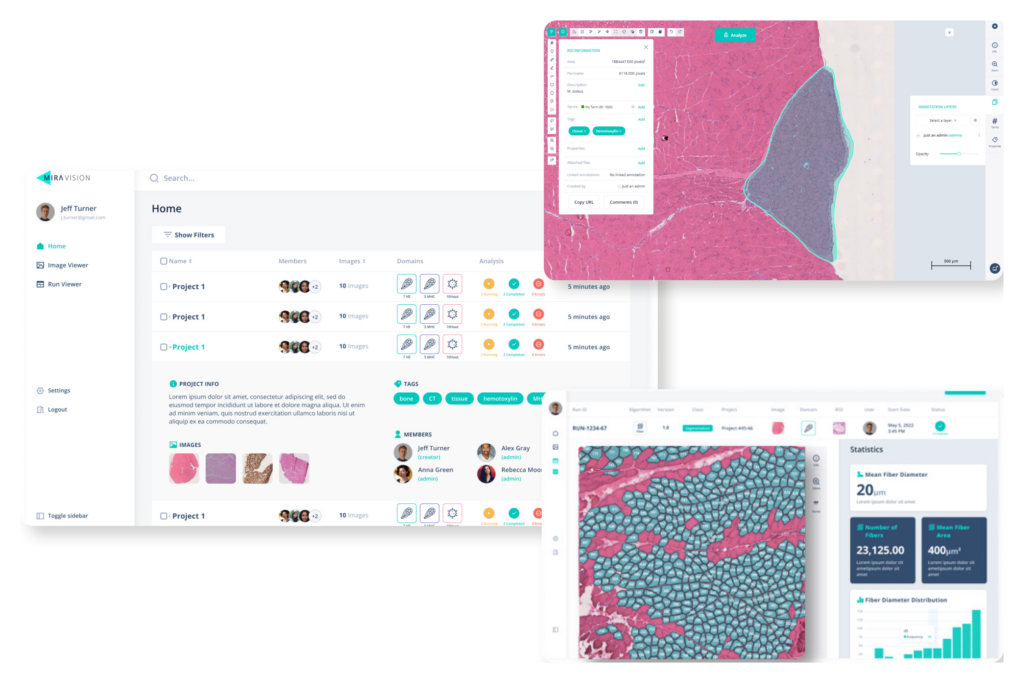
    MIRA Vision is an AI-powered platform designed for quantitative image analysis in microscopy and digital pathology. It streamlines the process by offering fast, accurate, and reproducible analysis, significantly enhancing researchers' and pathologists' capabilities. With its innovative and patented technology, MIRA Vision integrates machine intelligence into microscopy, enabling users to analyze data at previously unattainable scales. Users can upload their image data, define regions of interest, select AI-assisted analysis, and explore the results, making complex analyses accessible in just four simple steps. 

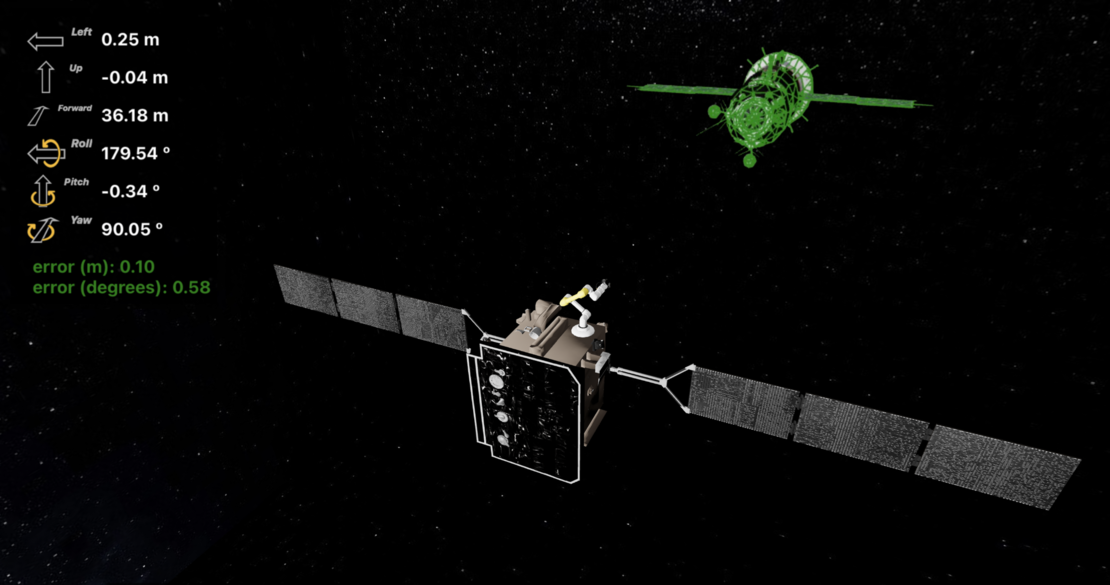
    SPAICE offers the first fully autonomous solution for In-Orbit Services, specializing in tasks in the realm of space operations, including satellite life extension and debris removal. Their software is delivered through a plug-and-play servicing platform that includes sensors, robotic arms, and a computing unit. Their solutions can affordably enhance satellite lifespans by more than 50%, boost their revenue generation by more than 50%, and reduce collision risks by more than 20%. SPAICE enhances navigation by optimizing fuel consumption, enabling real-time onboard planning, and improving safety and precision in space operations. Founded by a top-tier team from prestigious institutions, SPAICE is currently validating multiple solutions through Proof-of-Concepts (PoCs) with leading European and US space entities. 

    These start-ups showcase the diverse applications of AI across various domains. Joining the Cyber Valley Start-up Network opens up numerous collaboration opportunities with the Cyber Valley Community. These three new additions will advance research and development in artificial intelligence, foster interdisciplinary synergy, and drive technological innovation forward. 

  • NEURA Robotics joins the Cyber Valley Start-up Network

    NEURA Robotics joins the Cyber Valley Start-up Network

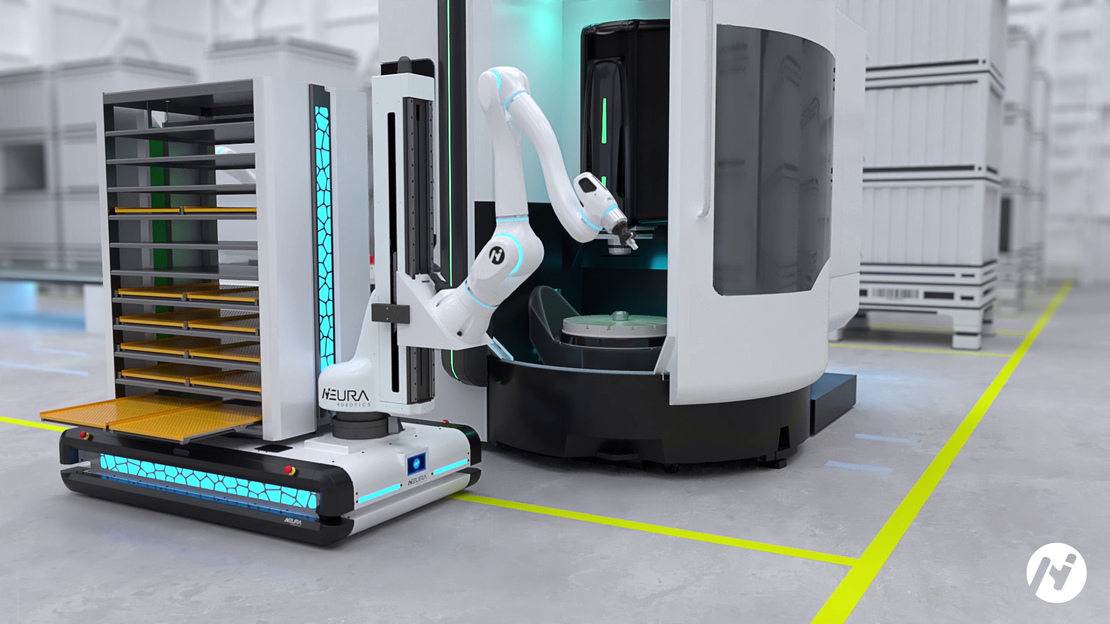
    NEURA Robotics was founded in 2019 in Metzingen near Stuttgart. The start-up builds robotics assistants to collaborate naturally with humans. Among its products is the world’s first commercially available cognitive robot MAiRA, which integrates AI and a Touchless Safe Human Detection sensor technology to perceive its surroundings and easily adapt to different environments. Its other products include:
     

    • LARA, a Lightweight Agile Robotic Assistant that combines a lightweight design with industrial performance.         
    • MAV, a Multi-Sensing Autonomous Vehicle that can autonomously move and load any type of good
    • MiPA, an intelligent, versatile robotic assistant designed to support people in various domains

    MAV MAIRA

    With these robotic assistants, NEURA Robotics has laid the groundwork for humans and robots to work hand-in-hand. By enabling seamless interaction with humans in existing environments, NEURA eliminates the need for complex and expensive safety systems. Their guiding principle, “we serve humanity”, underscores their commitment to creating attractive, safer, and more sociable workspaces.

    NEURA Robotics‘ unique approach is to develop key components in-house, including AI, control software, sensors and mechanical parts. Under the leadership of founder David Reger, they have made remarkable advances in environmental perception, control engineering, materials science and artificial intelligence, and are on track to bring the first cognitive humanoid robot to market.

  • Cyber Valley joins forces with Seoul AI Hub and AIIS in historic MOU signing

    Cyber Valley joins forces with Seoul AI Hub and AIIS in historic MOU signing

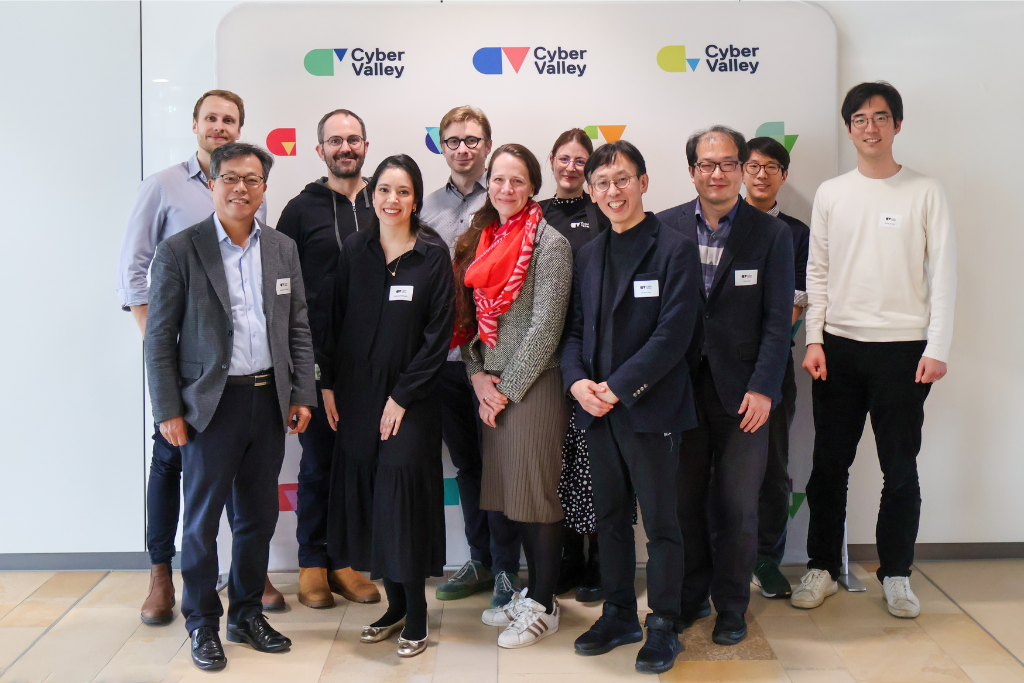
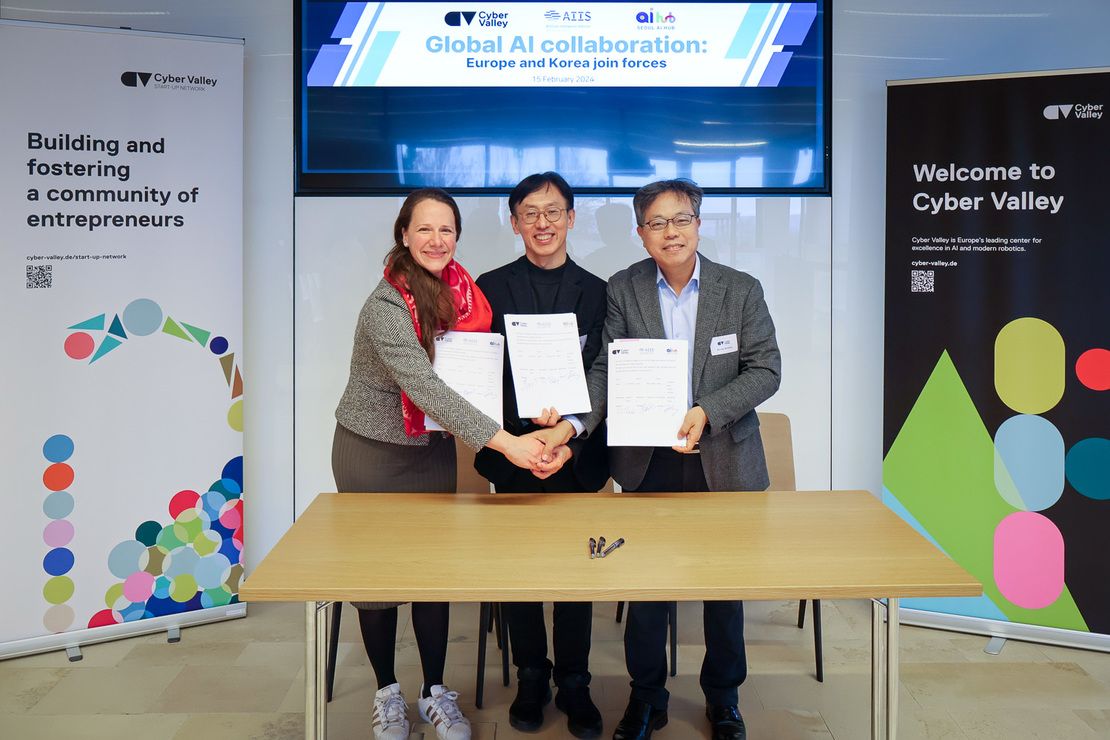
    (Tübingen, 15.02.24) – An official Memoranda of Understanding (MOU) signing ceremony took place on February 15th, 2024, at the Max Planck Institute for Intelligent Systems (MPI-IS) in Tübingen, Germany. This collaboration marks a historic achievement, as it signifies the first official partnership between Cyber Valley and two significant artificial intelligence institutes in Asia.   

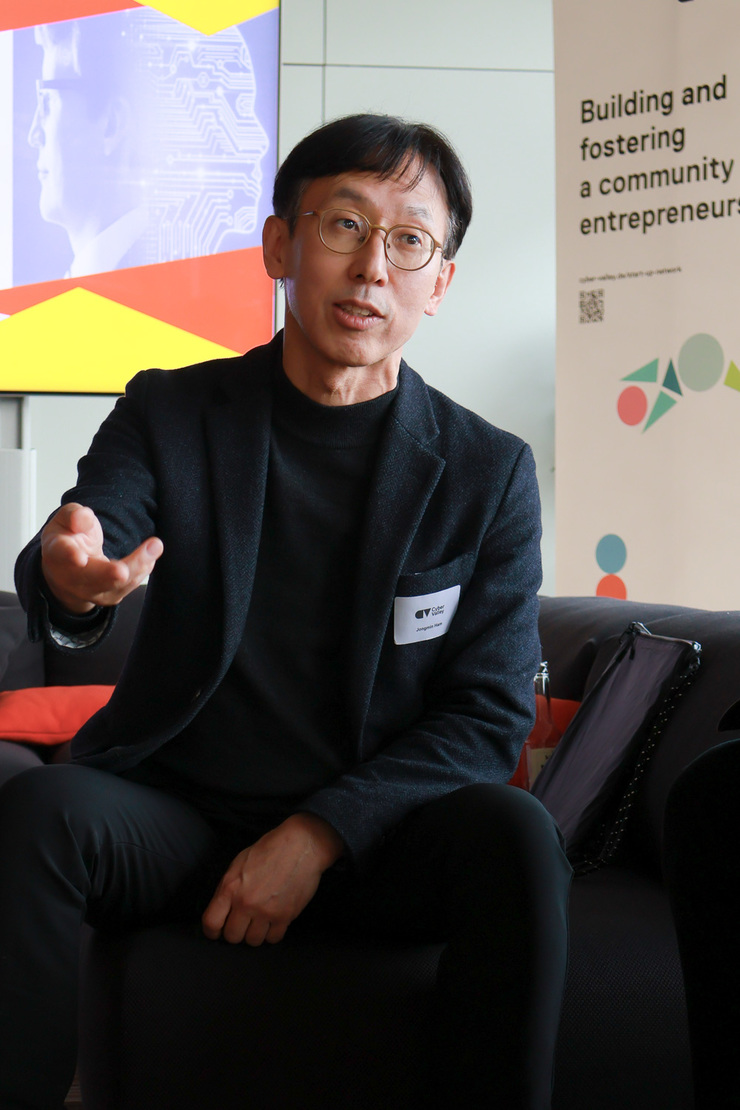
    The ceremony was attended by Rebecca C. Reisch, Managing Director of Cyber Valley, who warmly welcomed the Chief of the Seoul AI Hub, Jong-min Ham, as well as the Director of Artificial Intelligence Institute Seoul National University (AIIS), Byoung-Tak Zhang, highlighting the significance of this unique event. The ceremony featured presentations by two start-ups from the Cyber Valley Community – NeurCG and Tabularis.AI – who underscored the benefits of being situated in Baden Württemberg. Following the ceremony, attendees enjoyed a tour of MPI-IS Tübingen, along with a special lab tour.  


    Strengthening partnership on a global scale  

    The MOU serves as a testament to the commitment of both organizations to foster innovation and collaboration in the field of artificial intelligence. It opens avenues for extensive networking opportunities in Asia and Europe, laying the foundation for future advancements and partnerships.  

    Rebecca C. Reisch elaborates, „The partnership with AI Hub Seoul and the Artificial Intelligence Institute of Seoul National University marks Cyber Valley’s first-ever collaboration between South Korea’s premier AI institutes. This collaboration is poised to transform the artificial intelligence landscape across Asia and Europe, making a lasting impact. The impact of #bettertogether is particularly evident here, where our goal is to advance the growth of start-ups through the collective use of our resources.” 

    Key highlights of the collaboration between the three parties include the sharing of resources, with a specific focus on establishing a funding network and investment avenues for start-ups. Joint research projects and start-up research residencies are also integral components of this partnership, providing a platform for shared exploration and development.

    Innovation and Growth: Seoul AI Hub and AIIS  

    The Seoul AI Hub was established in December 2017 by the city of Seoul and has evolved significantly since then. Thus far, it has facilitated the growth of over 360+ AI start-ups, with particular note on the recent successful IPO of Crowdworks among its portfolio.  

    The Seoul AI Hub plays a role in supporting AI start-ups in Korea. Its assistance spans technical problem-solving, overseas expansion, and management support, among other areas. The strategic location near Gangnam, a pivotal hub in the IT industry with research facilities of major companies, further enhances seamless communication with industry members. The Seoul AI Hub has emerged as a vital stepping stone in the AI start-up realm. 

    Jongmin Ham, Chief of Seoul AI Hub, said, “We have great expectations for jointly fostering and supporting Korean AI start-ups through our collaboration with Cyber Valley and AIIS.” He added, “We hope that our global AI network has paved the way for Korean AI start-ups to thrive in the European market.“

    Established in 2019, the AIIS is an interdisciplinary research institute committed to consolidating and promoting AI-related research. Positioned as a central hub for research in Core AI and X+AI domains, AIIS encourages collaboration among researchers from various disciplines. Their guiding principles include a commitment to AI for All Research, AI for All Industries, and AI for All People. Presently, AIIS boasts approximately 300 affiliated faculty members actively engaged in its initiatives. 

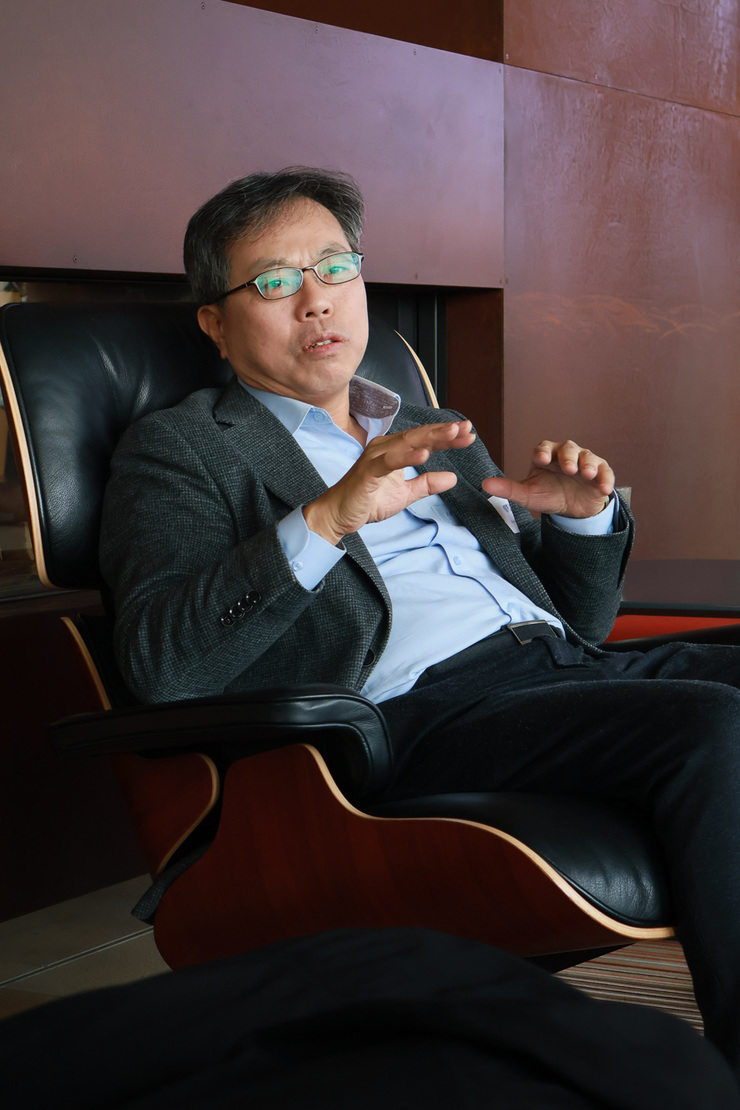
    Byoung-Tak Zhang, Director of the AIIS, said, “ Byoung-Tak Zhang, Director of the AIIS, said, “Since the beginning of the AIIS in 2019, we have always envisioned a global network of specialists in the AI field collaborating with one another to become more than the sum of our parts.” He added, “We are excited to partner with some of the brightest minds in the AI field here at Cyber Valley along with Seoul AI Hub and eagerly anticipate what the future holds for all of us.” 

    Cyber Valley, Seoul AI Hub, and Artificial Intelligence Institute of Seoul National University (AIIS) are excited about the prospects this collaboration brings and anticipate the positive impact it will have on the global AI community.  

    About Cyber Valley  

    Cyber Valley is Europe’s largest and leading center for excellence in artificial intelligence and modern robotics. Its mission and public mandate are to advocate for research, development, application, and acceptance of technologies and methods in the field of intelligent systems. Cyber Valley encourages entrepreneurship by uniting scientific excellence with innovation and technology transfer. In addition, Cyber Valley facilitates critical reflection on the ethical and social implications of AI through public engagement. Cyber Valley envisions a future in which the full potential of intelligent systems is leveraged for the greater good of the world.  

    About Seoul AI Hub  

    Seoul AI Hub is a non-for-profit organization that was established in 2017 by the Seoul Metropolitan Government in order to foster the AI industry. In this regard, Seoul AI Hub now cultivates AI human resources, provides accelerating programs to 250+  membership AI start-ups, and tries to form synergistic connections within the industry. 

    About Artificial Intelligence Institute of Seoul National University (AIIS)  

    Artificial Intelligence Institute of Seoul National University is an intercollegiate research institute established in 2019, committed to integrating and supporting AI-related research. As a hub of AI research both in Core AI and X+AI areas, Seoul National University’s 300+ professors and 2,000+ researchers of diverse disciplines collaborate through AIIS.

  • KI-Forscher Philipp Hennig erhält ERC Consolidator Grant der Europäischen Union

    KI-Forscher Philipp Hennig erhält ERC Consolidator Grant der Europäischen Union

    Philipp Hennig is Professor of Machine Learning Methods in the Department of Informatics at the University of Tübingen, part of Cyber Valley, and a member of the board of the Tübingen AI Center and the cluster of excellence Machine Learning: New Perspectives for Science. 

    ANUBIS objectives

    The ANUBIS project aims to manage the computing resources of scientific AI applications comprehensively and consistently. In climate models, geological and neuroscientific simulations, many inference problems occur in which information or a data set is used to indirectly deduce or “infer” the information that is actually being sought. "To solve such inference problems, we need large amounts of data and large computing resources," Hennig explains. "A single partial data set from climate research, for example, can be as large as 100 terabytes (i.e. 100,000 gigabytes)."

    Data processing challenges

    In the project, what a computer does – computing – is regarded as a source of information. This information relates to questions that cannot be answered definitively and perfectly (such as "What will the weather be like in 10 years' time?"). Such questions usually consist of an infinite number of sub-questions that are not fully answered by the calculation. Therefore, while the computer is answering these sub-questions, it should simultaneously keep a record of which parts of the question have already been answered and how well. This is not so easy, because the record-keeping itself is also a calculation. For the whole thing to remain feasible, the record-keeping must therefore be simpler than the calculation itself.

    Innovative approaches to solutions

    To do this, it will be necessary to extend modern machine learning methods so that their functionality harmonizes with the new concept. The advantages of the extended methodology are not only more economical algorithms, but also new functionality. "It will then be easier for researchers from the geosciences, climate sciences and neurosciences, for example, to flexibly incorporate very different types of data such as specific measurements, simulation data and expert knowledge into their code," says Hennig. "The uncertainty of the information from the different data sources must be quantified. Neither was possible with the previous methods."

    Related Links

    Media Contact

    Claudia Brusdeylins
    Tübingen AI Center / Universität Tübingen

  • Cyber Valley-Professor Steffen Staab zum Fellow der ACM ernannt

    Cyber Valley-Professor Steffen Staab zum Fellow der ACM ernannt


    Der Stuttgarter Informatiker Prof. Steffen Staab wurde zum Fellow der renommierten Association for Computing Machinery (ACM) ernannt. Sie würdigt damit Staabs Forschungsbeiträge zum Fachgebiet der Wissenstechnologien, einem Feld, das immer mehr an praktischer Bedeutung gewinnt.


    „Ich freue mich über diese Auszeichnung, die bislang nur wenigen deutschsprachigen Forschenden zuteilgeworden ist“, sagt Staab. Der 54-Jährige untersucht, wie sich Computer dazu bringen lassen, komplexe Probleme zu lösen, indem sie aus Daten und Wissen lernen. „Bislang lernt eine Künstliche Intelligenz aus Daten. Sie reichen aber oft nicht aus, um einen Algorithmus umfassend zu trainieren“, erklärt Staab. „Mein Team und ich untersuchen daher, wie sich dieses Problem mit vorhandenem Wissen lösen lässt, das wir bislang nur unzureichend nutzen.“ Diese Frage verfolgt der Informatiker in interdisziplinärer Zusammenarbeit an der Universität Stuttgart, im Exzellenzcluster „Daten-integrierte Simulationswissenschaft“ (SimTech) und im Cyber Valley, Europas größtem KI-Forschungskonsortium aus Wissenschaft und Wirtschaft.

    Bessere Simulationen für Kunstdünger und Krebs

    An den Beispielen Kunstdünger und Krebs lässt sich Staabs Forschung illustrieren. Für Landwirtschaft und Gesellschaft wäre es optimal, wenn nur die minimal nötige Menge an Kunstdünger auf ein Feld ausgebracht würde, um die erforderliche Konzentration im Boden zu erreichen. Das ist aber gar nicht so einfach, weil die Bedingungen in den Böden sehr stark variieren. Auch beim Krebs gibt es große Variationen: Der eine Tumor wächst verästelt, der andere bleibt kompakt. Für die weitere Behandlung ergeben sich daraus jedoch unterschiedliche Implikationen. In SimTech arbeiten nun Forschende wie Staab an der Entwicklung von Simulationen, die solche komplexen Vorgänge besser prognostizierbar machen.

    „Oft wissen wir nicht, welcher Teil der komplexen mathematischen Beschreibung – nichts anderes ist ja der Ausgangspunkt für eine Simulation – für aussagekräftige Ergebnisse besonders relevant ist“, erklärt Staab. Das wäre aber wichtig für die Simulation. „KI-Algorithmen helfen uns dann weiter, allerdings müssen wir diese ja mit Daten trainieren – und das sind eben oft zu wenige“, so der Informatiker. „Wenn wir aber zusätzlich existierendes Wissen nutzen könnten, ließen sich die Simulationen stringenter und realitätsnäher durchführen.“ Dieses Wissen liegt tatsächlich oft aus Labormessungen vor, die andere Forschende – teils schon vor vielen Jahren – durchgeführt haben, sowohl bei Kunstdüngern als auch bei Tumoren. „Unseren Ansatz könnte man auch als Knowledge-infused Simulation Science bezeichnen“, sagt Staab.

    Über die Association for Computing Machinery

    Die ACM ist die weltweit größte und älteste wissenschaftliche Vereinigung für Informatik. Ihr gehören Fachleute aus Bildung und Forschung an, um die Informatik als Wissenschaft und Beruf zu fördern. Die ACM vergibt auch den Turing-Preis, die höchste Auszeichnung in der Informatik. Um als ACM Fellow ausgewählt zu werden, müssen die persönlichen Leistungen aus dem Feld der ACM-Mitglieder weit herausragen.

    Über Prof. Steffen Staab

    Steffen Staab, geboren 1970 in Würzburg, studierte Informatik und Computerlinguistik an der Universität Erlangen-Nürnberg und an der University of Pennsylvania. 1998 promovierte er an der Universität Freiburg in Informatik. Danach war er am Institut für Arbeitswissenschaft und Technologiemanagement (IAT) der Universität Stuttgart sowie am Fraunhofer-Institut für Arbeitswirtschaft und Organisation IAO tätig und wechselte später an die Universität Karlsruhe (heute: KIT). 2004 wurde Staab zum Professor für Datenbanken und Informationssysteme an der Universität Koblenz-Landau ernannt, wo er 2009 das Institute for Web Science and Technologies (WeST) gründete. Seit März 2015 hält er zudem einen Chair for Web and Computer Science an der University of Southampton.

    Im Februar 2020 trat Staab eine Cyber-Valley-Professur für Analytical Computing an der Universität Stuttgart an. Er ist Gründer des Instituts für Künstliche Intelligenz der Universität und dessen geschäftsführender Direktor sowie einer der beiden Sprecher des Exzellenzclusters SimTech.

    Fachlicher Kontakt:

    Prof. Steffen Staab, Universität Stuttgart, Institut für Künstliche Intelligenz, Tel.: +49 711 685-88100, E-Mail: steffen.staab@ki.uni-stuttgart.de

    Pressekontakt:

    Lydia Lehmann, Universität Stuttgart, Hochschulkommunikation, 
    Tel.: +49 711 685-82297, E-Mail: 
    lydia.lehmann@hkom.uni-stuttgart.de

  • Wissenschaftsministerin Olschowski besucht Cyber Valley in Tübingen

    Wissenschaftsministerin Olschowski besucht Cyber Valley in Tübingen

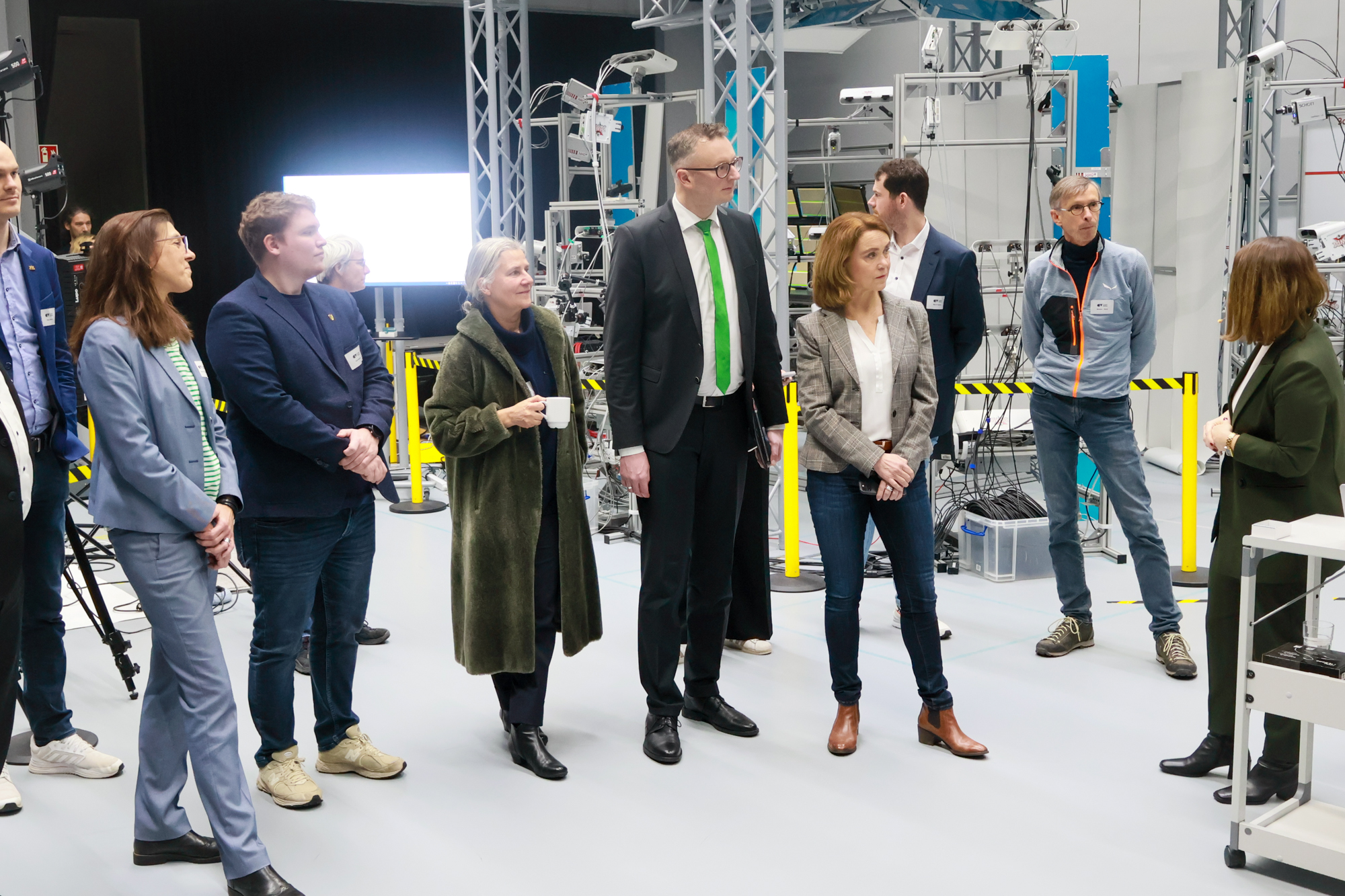
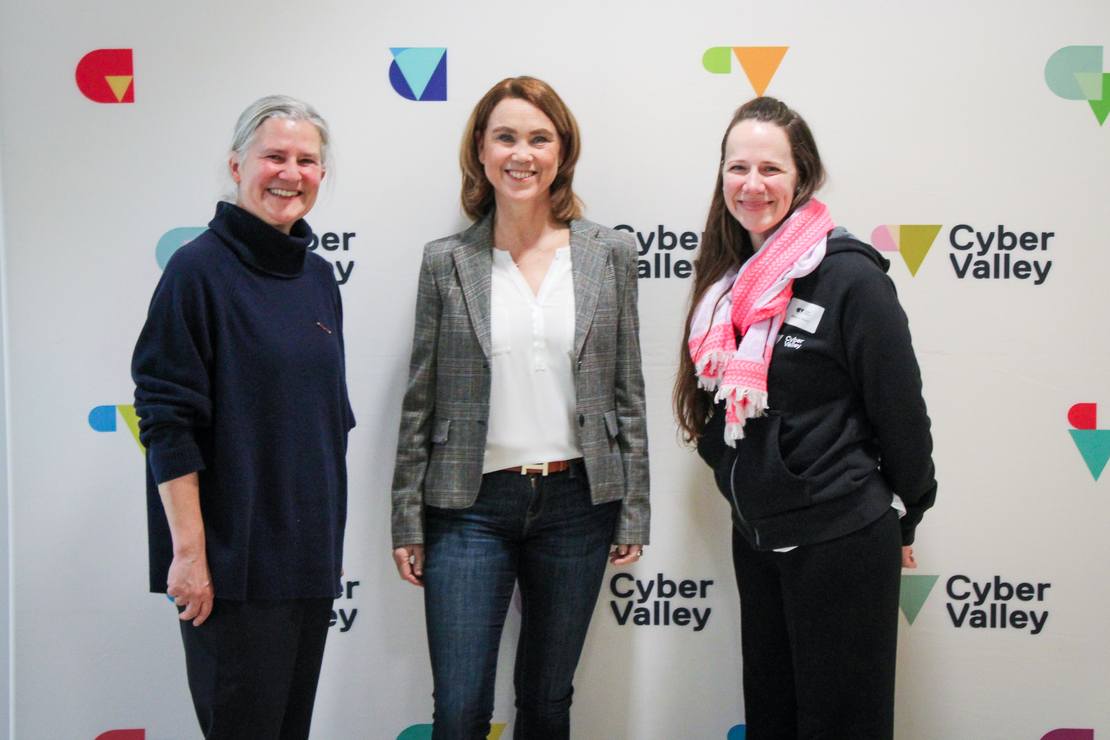
    Tübingen, January 28, 2024 – What will our future look like with AI? Minister of Science and MdL Petra Olschowski, chairman of the State Parliamentary Group of the Greens in Baden-Württemberg Andreas Schwarz, and further guests were able to experience this future at Cyber Valley, Europe’s largest and leading center for excellence in artificial intelligence and modern robotics. The special guests toured Cyber Valley at the Max Planck Institute for Intelligent Systems (MPI-IS) in Tübingen on Friday, January 26, gaining valuable insights into the cutting-edge research underway in the field of AI, modern robotics, and intelligent systems. Cyber Valley presented select projects led by eminent scientists from the Cyber Valley Community, which included the founding members MPI-IS and the University of Tübingen. 

    Rebecca C. Reisch, Cyber Valley Managing Director, provided an insightful overview underscoring the significance of the Cyber Valley Community. With the launch of ICAIN or the AI House Davos during the World Economic Forum, Cyber Valley is now leading the global conversation on AI. The Director of the Perceiving Systems Department at MPI-IS, Prof. Michael J. Black, emphasized: “Cyber Valley developed as a response to a changing world. With our excellence in AI, we have the opportunity to build a new economic foundation for the region. The strong partnership between the state government, industry, and academia has built this into one of the best locations for AI research worldwide.”

    The Rector of the University of Tübingen, Prof. Dr. Karla Pollmann, commented on the overall visit: "I am impressed by the diversity of topics being researched in the Cyber Valley Community and at the University of Tübingen and the interdisciplinarity we showcased. We will further support Cyber Valley, so that we can grow even stronger together. 

    Measuring power and rethinking agriculture with AI  

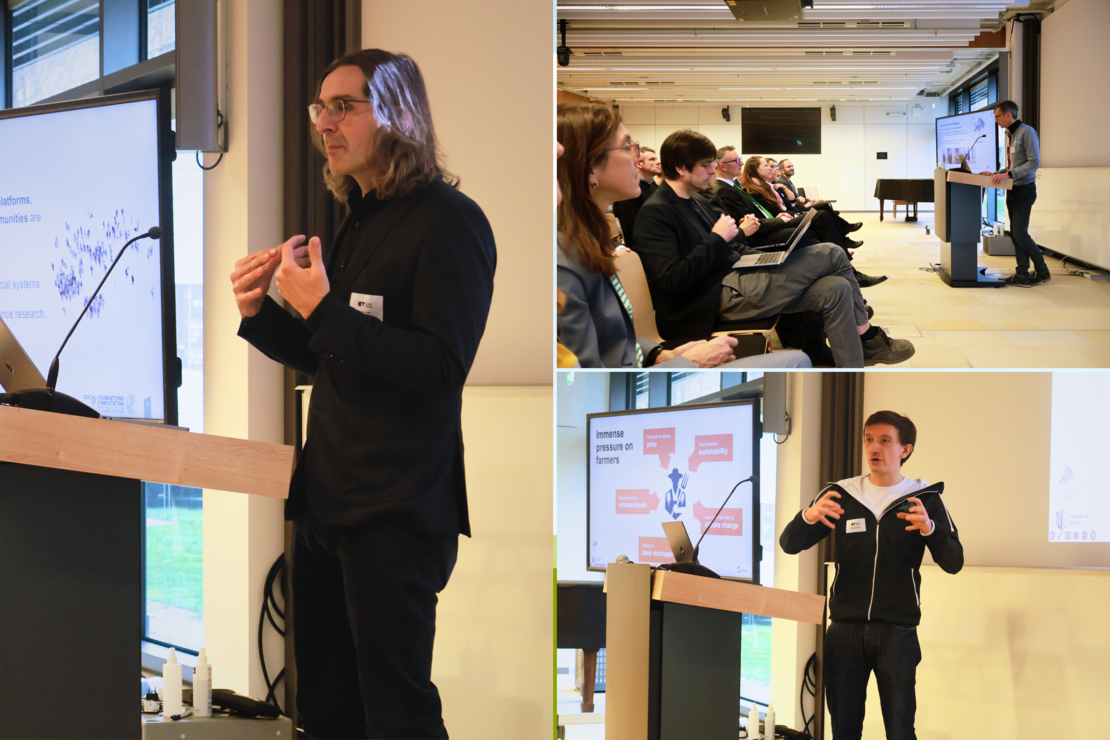
    Prof. Michael J. Black provided an overview of the excellent research at MPI-IS as well as the current status of AI. "Of course, there are limits to current AI systems; for example, they may generate images of people with six fingers. But whenever you think that AI is not going to be able to do a specific task – forget that. It will. And the scale of investment in AI means that it will happen more quickly than people imagine." Furthermore, he emphasized the need for more German venture investment and lower costs for computing resources, so that start-ups can make the transfer from AI research to entrepreneurship.

    By explaining that “AI in the real world is not about observation, but prediction”, Prof. Moritz Hardt, Director of Social Foundations of Computation Department at MPI-IS, elaborated on how to measure the power of social media platforms and the impact of their algorithms. Dr. Wieland Brendel, Research Group Leader for Robust Machine Learning, highlighted his research and technology transfer initiatives, with a focus on the integration of artificial intelligence into agriculture. More specifically, he showcased the Polybot farming robot and its contribution to more sustainable and environmentally friendly farming practices.

    Better together – Interdepartmental initiatives at the University of Tübingen 

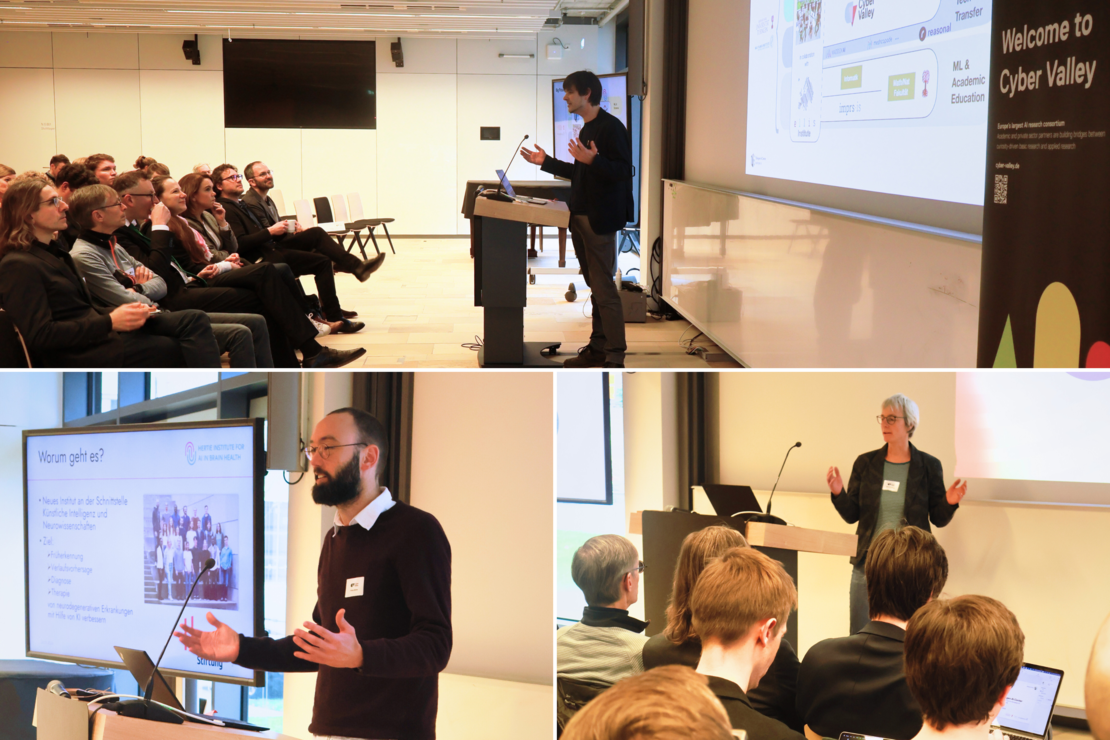
    The University of Tübingen shared detailed insights into their artificial intelligence research and programs, emphasizing their profound societal impact. The Cluster of Excellence, as described by Prof. Dr. Ulrike von Luxburg, is immersed in outstanding research, contributing to a wide variety of applications for AI in science. She further commented; “Simulation of data is currently a major area of application for AI in science. In the social and legal context, the explainability of AI is a major topic of research here in Tübingen, which was also spurred on by the AI Act.”  

    Prof. Dr. Philipp Berens, Director of the Hertie Institute for AI in Brain Health, stressed the significance of artificial intelligence in the medical domain and its crucial role in handling tasks in fields where there is a shortage of medical professionals. As an example, he elaborated on the use of AI in screening eyes for potential diabetes cases. 

    Furthermore, Prof, Dr. Matthias Bethge, Director of the Tübingen AI Center, emphasized the importance of excellent research for the future of technology: "Academia is a laboratory for the future. As researchers, we want to bring our ideas to life in order to make the world a better place. We need faster processes for the recruitment of excellent AI researchers and for spinning off start-ups and building up computing power."

    Modern robotics in action – showcasing practical examples of the future 

    What does the future look like with AI? The visit continued with lab tours at the Tübingen site. Tsvetelina Alexiadis, who leads the Data Team of the Perceiving Systems Department, presented the Capture Hall. She demonstrated the advancement of computer vision research through the digitization of the human body. The equipment teaches computers to understand human poses and motion through images and videos. It can interpret how humans interact with each other and the environment by gathering data, including the motion, shape, and texture of the body, and much more. It offers computers a form of sight, to be used in various industries, including medicine, fashion, and entertainment.  

    A demonstration of the table tennis robot highlighted the dynamic essence of robotics movement and illustrated how a robot can acquire basic skills, such as playing table tennis. This demonstration left a lasting impression on the visitors. Dieter Büchler, Research Group Leader, and Ph.D. student Jan Schneider explained that through reinforcement learning, the robot has acquired successfully over time the ability to play table tennis, progressively refining its skills through the learning process.

    Cyber Valley, the location for AI in Europe 

    Minister of Science and MdL Petra Olschowski expressed great satisfaction with her visit to Cyber Valley and the detailed overview of its associated projects, stating, "AI is shaping the world of tomorrow – impacting fields from manufacturing and engineering to medicine, along with our everyday lives. In Baden-Württemberg, we are leading the way. Excellent research and transfer into practice go hand in hand – that is the idea behind our Cyber Valley innovation campus. I am always impressed by what is created here. Today's visit for example showed the enormous potential in the field of intelligent robotics. At Cyber Valley, researchers together with industry partners are creating the future – which is not only important for our economy, but also for our prosperity and well-being. That is why the state government founded Cyber Valley in 2018 and why we are still supporting this innovation campus today as an investment in our future.”  


    About Cyber Valley

    Cyber Valley is Europe’s largest and leading center for excellence in artificial intelligence and modern robotics. Its mission and public mandate are to advocate for research, development, application, and acceptance of technologies and methods in the field of intelligent systems. Cyber Valley encourages entrepreneurship by uniting scientific excellence with innovation and technology transfer. In addition, Cyber Valley facilitates critical reflection on the ethical and social implications of AI through public engagement. Cyber Valley envisions a future in which the full potential of intelligent systems is leveraged for the greater good of the world.

    Press Contact