User Group: PhD Student

  • 2017: Training outstanding doctoral students at IMPRS-IS – Interview with Leila Masri

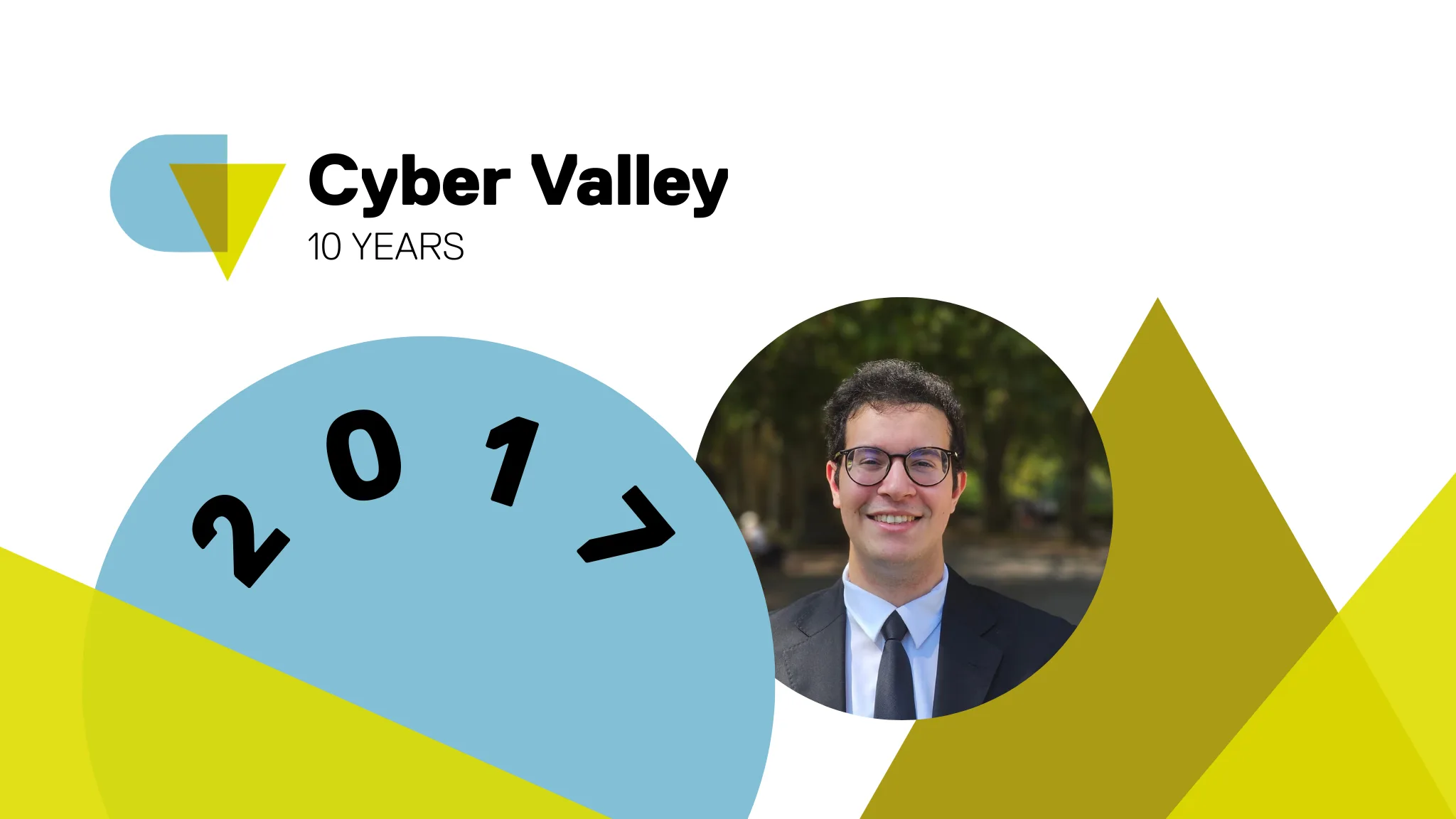
    2017: Training outstanding doctoral students at IMPRS-IS – Interview with Leila Masri


    In 2016, important actors from science, industry, and politics founded the Cyber Valley Consortium, which became the first Innovation Campus in Baden-Württemberg. Ten years on in 2026, we’re revisiting the most important milestones from the last decade. Each month, we’ll focus on a particular year since Cyber Valley’s beginning. 

    This month, we’re looking back to 2017 when Cyber Valley’s graduate school, the International Max Planck Research School for Intelligent Systems (IMPRS-IS), was founded. IMPRS-IS trains outstanding doctoral students from around the world and supports them in their PhD research so they can use their AI expertise to build a better future in Europe.

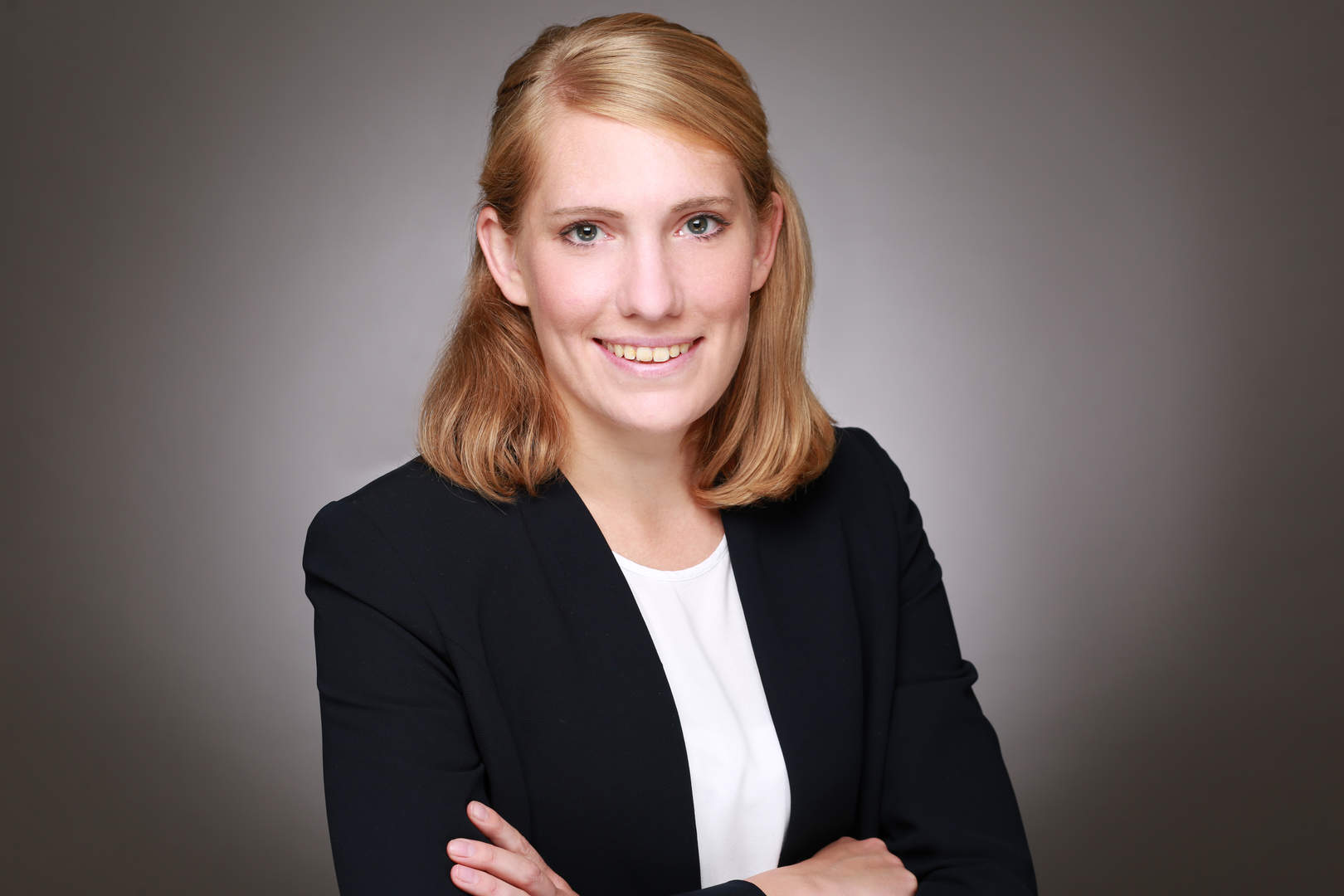
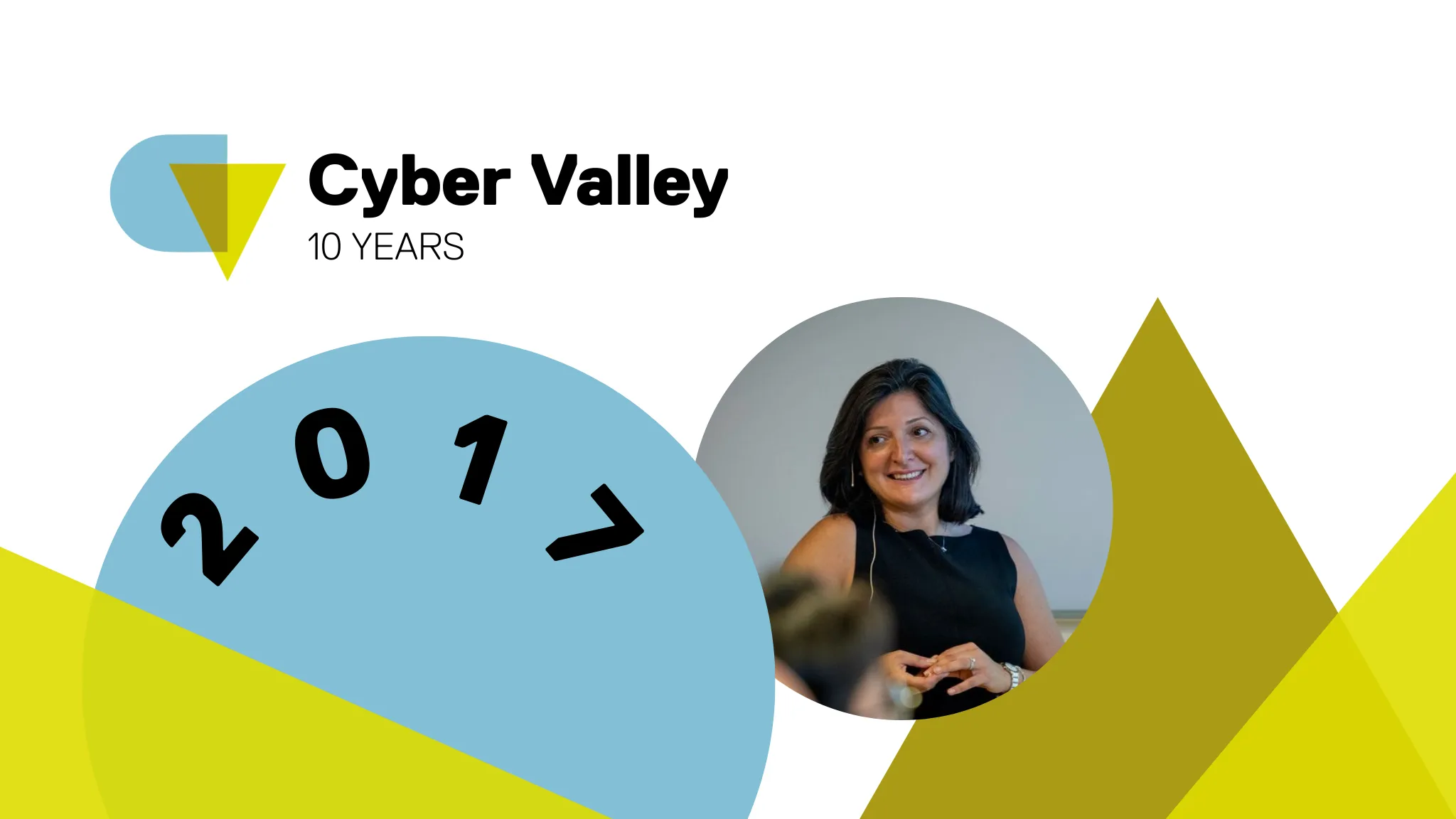
    Leila Masri has been the scientific coordinator at IMPRS-IS since 2017. She has supported its growth into one of Germany’s largest doctoral programs, now comprising more than 300 doctoral researchers and nearly 100 faculty members. Committed to fostering diversity in science, she also contributes to initiatives broadening access to research, including the CaCTüS and RIGI internship programs in Tübingen and Stuttgart. In the following interview, she reflects on IMPRS-IS’s founding and what makes the graduate school unique.

    When you helped launch IMPRS-IS in 2017, what vision did you have for the program, both for the students and for the broader research community?

    As a scientist myself, I completed my PhD in Tübingen and Kiel and later worked as a postdoctoral researcher in Austria. Throughout my academic career, I have been deeply committed to supporting students and teaching, an interest I further developed by earning a university teaching diploma from the University of Stuttgart. When Michael J. Black and Katherine J. Kuchenbecker at the Max Planck Institute for Intelligent Systems (MPI-IS) launched IMPRS-IS in 2017 and were looking for a coordinator, it felt like a natural fit. My vision was to help build a welcoming international community where doctoral researchers and faculty could connect, exchange ideas, and thrive together, while providing an environment in which excellent research can flourish. It has been incredibly rewarding to see this vision come to life.

    Looking back over the past years, which moments or milestones felt particularly defining for IMPRS-IS, and why do they stand out to you personally?

    Looking back, one of the defining milestones was how quickly IMPRS-IS grew. Our original goal was to build a doctoral program with around 100 PhD students over six years, so reaching that number in less than two years was incredibly encouraging. Over those six years, we ended up recruiting more than 400 doctoral researchers, making IMPRS-IS one of the largest yet youngest doctoral programs in Germany.

    Furthermore, we had long wanted to organize industry visits so our students could see how research works outside academia and exchange ideas with researchers working in industry. Interestingly, this happened quite naturally through our alumni, who started hosting us at companies like Bosch, with a visit to Amazon coming up soon; both also partners in Cyber Valley. That organic development has been particularly rewarding to see.

    From your perspective, what is unique about IMPRS-IS? What distinguishes it from other doctoral training programs? 

    What makes the program special is how it brings together the Max Planck Institute for Intelligent Systems with the Universities of Stuttgart and Tübingen. This gives doctoral researchers access to both cutting-edge research infrastructure and strong academic networks. The focus on intelligent systems naturally connects AI, robotics, engineering, and related fields, and the close ties to the Cyber Valley ecosystem help link fundamental research with industry and innovation.

    At the same time, the structured doctoral program – with thesis advisory committees, Think & Link gatherings, annual boot camps, and professional development opportunities – provides valuable support to its doctoral students as well as to its senior scientists. Furthermore, beyond all the institutional and program strengths, what truly sets IMPRS-IS apart for me is its people and culture. It genuinely feels like a home: a place defined by trust, support, warmth, and collaboration. 

    That strong sense of community, alongside research excellence, is what makes IMPRS-IS truly unique.

    IMPRS-IS students come from a broad range of backgrounds, but do you think that they share any particular mindsets or qualities?

    Yes – although IMPRS-IS students come from very different academic, cultural, and personal backgrounds, I do think they share common mindsets and qualities. The program is highly international, with doctoral researchers from over 35 countries, more than 60% non-German speakers, and about 28% female researchers, alongside a wide range of academic backgrounds and expertise. That diversity enriches the research they conduct, as people approach problems in different ways and contribute their own personal touch to the research they pursue.
    There’s a noticeable culture of empathy, openness, and mutual support – people are approachable, willing to exchange ideas, and genuinely invested in each other’s academic and personal success.

    What aspects of the program are you personally most proud of today?

    Honestly, I don’t think I can point to one single aspect in isolation – what I’m most proud of is really the people who make IMPRS-IS what it is. The program’s success stems from the collective effort and commitment of many individuals: the strong guidance from our spokesperson Katherine J. Kuchenbecker, the steady support of the executive board and coordination office, and the genuine engagement of faculty members and scholars who are consistently willing to support doctoral researchers. That level of dedication creates an environment where doctoral candidates feel encouraged, guided, and valued. We can now measure this success: IMPRS-IS has attracted top-tier scientists from around the world, involves nearly 100 faculty members, hosts over 300 doctoral candidates, and has graduated more than 150 PhD students since 2017.

    Combined with the program’s diversity, interdisciplinarity, and culture of openness and mutual support, IMPRS-IS is not just a strong academic program – it is a place where people can thrive both scientifically and personally.

    To celebrate Cyber Valley’s ten-year anniversary, we’ll be sharing a variety of content across our website and social media channels reflecting on milestones from the last decade. Stay tuned for the next installments! 

  • 2017: Training outstanding doctoral students at IMPRS-IS – Interview with Rachael Burns

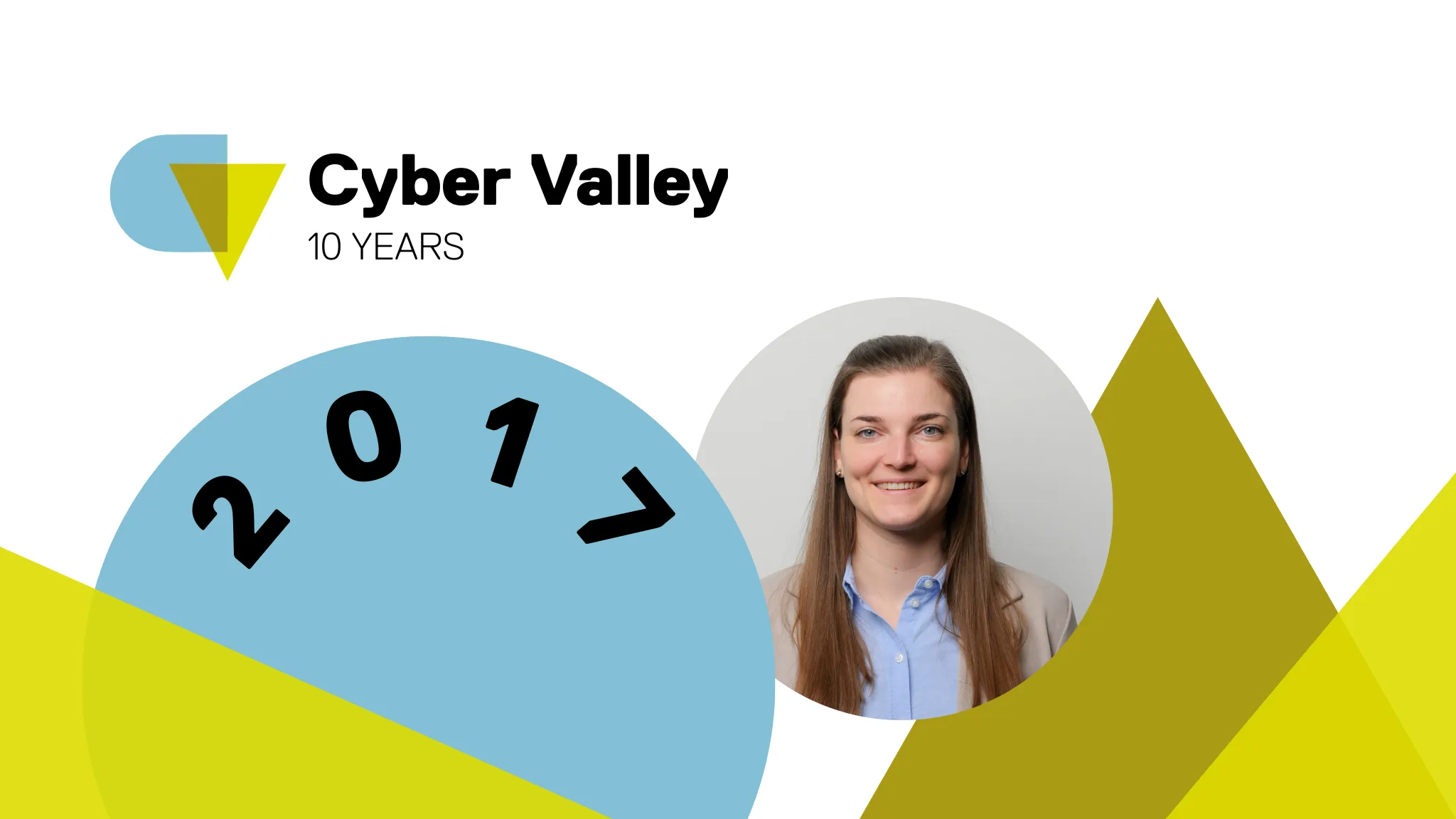
    2017: Training outstanding doctoral students at IMPRS-IS – Interview with Rachael Burns


    In 2016, important actors from science, industry, and politics founded the Cyber Valley Consortium, which became the first Innovation Campus in Baden-Württemberg. Ten years on in 2026, we’re revisiting the most important milestones from the last decade. Each month, we’ll focus on a particular year since Cyber Valley’s beginning. 

    This month, we’re looking back to 2017 when Cyber Valley’s graduate school, the International Max Planck Research School for Intelligent Systems (IMPRS-IS), was founded. IMPRS-IS trains outstanding doctoral students from around the world and supports them in their PhD research so they can use their AI expertise to build a better future in Europe.

    Rachael Burns is an alumna of IMPRS-IS. She joined the graduate school in 2018 to work in the Haptic Intelligence Department at the Max Planck Institute for Intelligent Systems in Stuttgart, under the department’s director, Dr. Katherine J. Kuchenbecker. Her PhD research focused on creating a Haptic Empathetic Robot Animal (HERA). HERA uses soft, squishy, custom tactile sensors and a machine learning algorithm to identify the different types of social touches it receives, like tickles or pokes.

    In the following interview, Rachael reflects on the unique opportunities offered by IMPRS-IS and her continuing connection to the Cyber Valley research community. 

    When you look back at your PhD, is there a moment that stands out as a defining highlight? What made it meaningful?

    One moment that stands out to me was actually at the very end of my PhD journey, during my defense. When the time came to give my presentation, I was excited to share with my committee all the work we had done. It was a happy and proud moment, not a scary one. And my favorite part was the questions at the end – it was a very thought-provoking discussion! All this to say, I realized that such a confident and positive thesis defense was the result of a wonderful PhD program. IMPRS-IS gave me an excellent education through excellent mentors, and the program really prepared me for the next steps in my research career.

    From your perspective, what is unique about IMPRS‑IS? What distinguishes it from other doctoral training programs?

    The ‘I’ in IMPRS-IS stands for ‘International’, and it’s very true! I loved how international my experience was. I met researchers and fellow IMPRS-IS scholars from all around the world – from Germany, Italy, and France, to Syria, Turkey, Canada, and South Korea. I am forever grateful that they are my friends and have shared their cultures and experiences with me. These are some of the best and brightest young minds in the field, all gathered together in Baden-Württemberg. 

    When you joined IMPRS‑IS, what were your expectations for the program and your PhD journey? Were there any surprises – positive or challenging– along the way?

    I wasn’t really sure what to expect when I started my PhD. Before coming to Germany, I had never travelled outside the US before, and lots of things felt different from what I was used to back home! Even though I felt homesick at first, everyone at IMPRS-IS and MPI-IS was so welcoming. I really enjoyed learning the German language and about German culture. The COVID-19 pandemic happened right in the middle of my PhD, which was an unexpected challenge, but we managed to run experiments during periods when the country reopened, and work remotely analyzing the data when it was important to stay home. For a positive surprise, I would say the many research conferences I was able to attend and present at. I had no idea of the amount of travelling I would get to do as part of my PhD!

    In what ways did IMPRS‑IS shape your development and how do those experiences influence your work today?

    Throughout my PhD program, IMPRS-IS provided many opportunities for me to grow as a leader. There were soft-skills seminars, such as conflict management, public speaking, and cultural awareness training, which helped me thrive in an international setting, be conscientious of others, and become a more confident speaker. There were also many opportunities for scientific growth – many postdocs and established researchers whom I could learn from, guest speakers, and the yearly IMPRS-IS bootcamp, where all the IMPRS-IS scholars gathered together and learned from each other. I carry these skills and memories with me now as I teach my own students, both in the classroom and in the research lab. 

    How does your work (both during your PhD and current) address real-world challenges and what kind of applications or long-term benefits could it have?

    During my PhD, my research focused on giving a robot the ability to understand different types of touch that we use during social interaction. The goal was that this robot could then be a teaching tool that therapists could use to teach children with autism about safe and appropriate touch. Now, as a professor at the University of Tennessee in the US, my students and I are continuing to investigate how social robots with touch sensing can be used to support people in their everyday lives, whether that be a robot teammate conducting safety inspections in a warehouse, or a robot animal providing comfort and companionship. Hopefully, this research will lead us to robots that are much better equipped to work alongside humans, with much more natural interaction approaches than current robots.

    IMPRS-IS is the graduate school of Cyber Valley, a network of leading research institutions, industry partners and start-ups working in AI and robotics. How has being part of this network influenced your development, whether in your research, skills, or career direction?

    Being part of Cyber Valley has actually played a large part in my career direction! This past year, I was honored to be selected as a Max Planck Partner Group leader, and my research lab – the Social Tactile & Assistive Robotics and Intelligence (STARI) Lab – is affiliated as a Max Planck Partner Group. This award means that for the next few years, my lab will remain part of the MPI-IS community and the Cyber Valley ecosystem. We are continuing to collaborate with the excellent research community here, such as with researchers at MPI-IS and clinicians at the University of Tübingen hospital. I am looking forward to several years of exciting and fruitful research!

    To celebrate Cyber Valley’s ten-year anniversary, we’ll be sharing a variety of content across our website and social media channels reflecting on milestones from the last decade. Stay tuned for the next installments! 

  • 2017: Training outstanding doctoral students at IMPRS-IS – Interview with Sofiane Ouaari

    2017: Training outstanding doctoral students at IMPRS-IS – Interview with Sofiane Ouaari


    In 2016, important actors from science, industry, and politics founded the Cyber Valley Consortium, which became the first Innovation Campus in Baden-Württemberg. Ten years on in 2026, we’re revisiting the most important milestones from the last decade. Each month, we’ll focus on a particular year since Cyber Valley’s beginning.

    This month, we’re looking back to 2017 when Cyber Valley’s graduate school, the International Max Planck Research School for Intelligent Systems (IMPRS-IS), was founded. IMPRS-IS trains outstanding doctoral students from around the world and supports them in their PhD research so they can use their AI expertise to build a better future in Europe.

    Sofiane Ouaari is a student at IMPRS-IS. He joined the graduate school in 2022 where he works with Nico Pfeifer in medical informatics. His research focuses on healthcare data, ensuring that machine learning pipelines protect this sensitive information. 

    In the following interview, Sofiane explains how IMPRS-IS has supported his development as both a researcher and an entrepreneur. 

    What initially drew you to IMPRS‑IS, and what convinced you that it was the right environment for your PhD?

    During the final year of my Data Science Master’s degree, I set my sights on pursuing a PhD. I wanted to deepen my knowledge in machine learning and push myself beyond my comfort zone. Research felt like the ideal environment for that kind of growth: challenging, exciting, and full of opportunities to develop.

    I first heard about International Max Planck Research Schools (IMPRS) through a contact, and once I looked into the ‘Intelligent Systems’ branch, it felt like a natural fit for my background in data science and machine learning. The application process itself was a good first impression, everything was clearly explained, both in writing and through videos, which made the whole experience smooth.

    What ultimately convinced me was the scale and richness of the network. The connection between Tübingen and Stuttgart, the diverse set of faculties and associated faculties, and the international community of PhD students all pointed to one thing: a genuinely vibrant research environment. It had all the right ingredients to excel and to properly and efficiently kick-start a research journey.

    From your perspective, what is unique about IMPRS‑IS’s culture and research community? What distinguishes it from other doctoral training programs?

    What makes IMPRS-IS stand out for me is how much it offers beyond the research itself. It’s almost like an n-in-1 program, where n represents the diverse number of workshops, training sessions, social events, and networking opportunities all layered into the experience alongside the actual PhD work. 

    One thing I’m particularly glad to have been part of is the organizing team for Think & Link, a monthly event that alternates between the MPI-IS campuses in Tübingen and Stuttgart. The concept is simple but highly effective: the ‘Think’ part gives PhD students a platform to share and discuss their research, while the ‘Link’ part is a fun social activity designed to break the ice and build real connections. And it works! IMPRS-IS isn’t just a doctoral program, it genuinely feels like a community and, in many ways, a family.

    What real-world impact do you envision for your research? Are there areas where you imagine it could make a difference in the future?

    Data is the fuel that powers any AI system. If you think of AI as an engine, data is what keeps it running. But while data enables AI models to learn and generate real value, it also carries risk: sensitive information about individuals can leak through the very models trained on it.

    That’s where privacy-preserving machine learning comes in. It addresses the security layer of that engine, and it’s becoming increasingly critical in a world shaped by regulations like GDPR and the EU AI Act in Europe, or CCPA and HIPAA in the US.

    Any company building intelligent systems today needs to think carefully about how they handle personally identifiable information, but also how robust their models are against attacks like membership inference, which can reveal whether a specific person was part of a training dataset, or model inversion attacks, where an adversary can reconstruct user data simply by querying a model.

    My work focuses on healthcare data, which raises the stakes even further. The EU AI Act explicitly classifies AI applications in healthcare as ‘High Risk’ and rightly so.

    This makes privacy-preserving solutions not just a nice-to-have but an essential part of any responsible AI pipeline. Ultimately, this is what drives me: building machine learning systems that are not only powerful, but safe and trustworthy.

    Looking ahead, what directions are you considering after your PhD, and in what ways do you feel IMPRS‑IS is preparing you for that next step?

    It’s genuinely hard to give a definitive answer right now, and I think that’s partly because we’re living through such a fast-moving moment in AI. Technologies like agentic AI are reshaping the landscape almost in real time, and the opportunities available in a year or two may look very different from today. 

    That said, whether I head into industry or pursue a postdoc, one thing I know is that I want to work on applied, real-world problems. I find it deeply motivating to see the concrete impact of my work and how it benefits others. IMPRS-IS has helped me stay grounded in that mindset while also giving me the tools, network, and broader perspective to navigate wherever that path leads. One concrete example of this is the S4 workshop series offered by IMPRS-IS. A particularly valuable session was ‘Successfully Apply for Industry Positions in Germany’, which gave me a much clearer picture of how to navigate the German job market and tailor my applications effectively. 

    Beyond workshops, there were also opportunities to visit industry directly. We had the chance to tour the BOSCH research and development center in Renningen, where we even presented our work to their team. That kind of direct interaction with industry is something you rarely get in a traditional doctoral program, and it really bridges the gap between academic research and the professional world.

    IMPRS-IS is the graduate school of Cyber Valley, a network of leading research institutions, industry partners, and start-ups working in AI and robotics. How has being part of this network influenced your development, whether in your research, skills, or career direction?

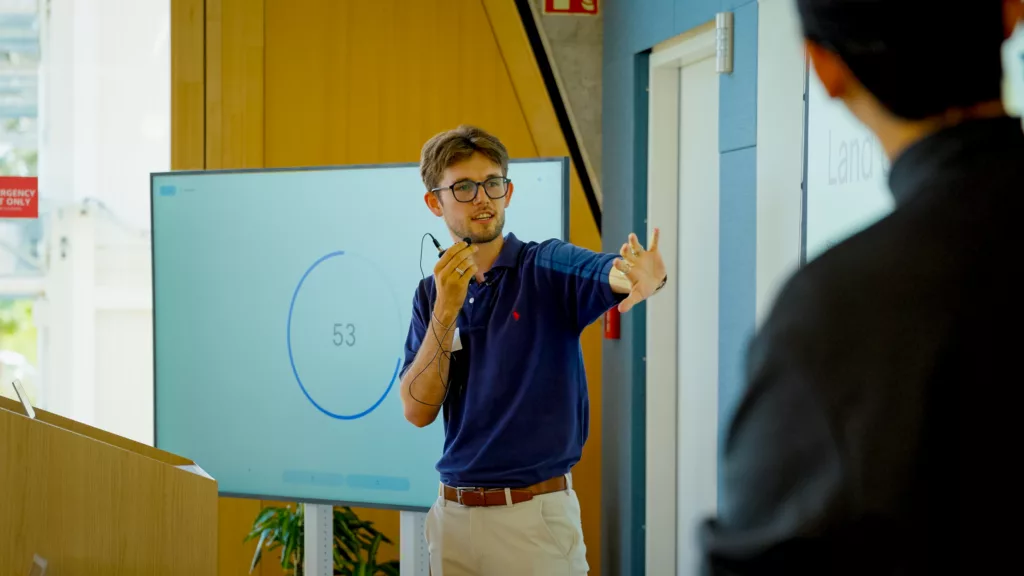
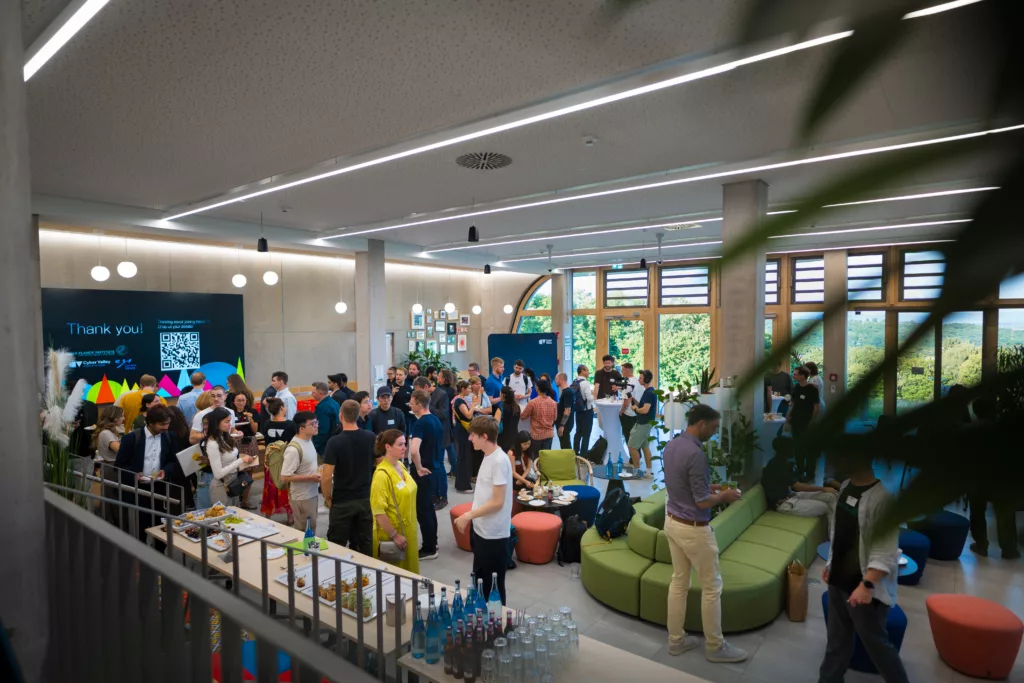
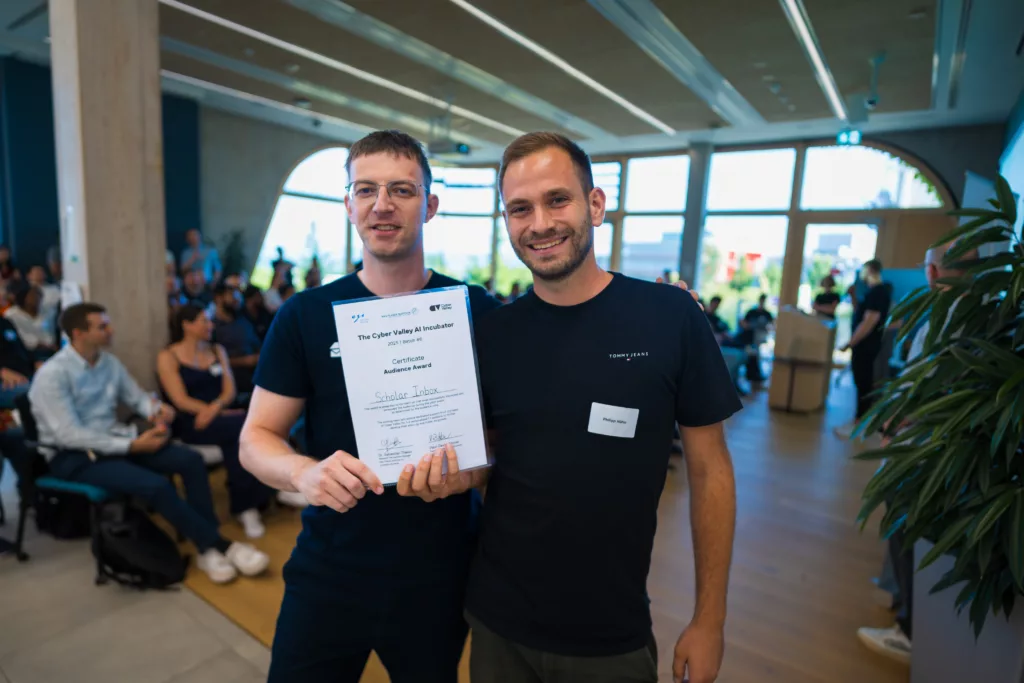
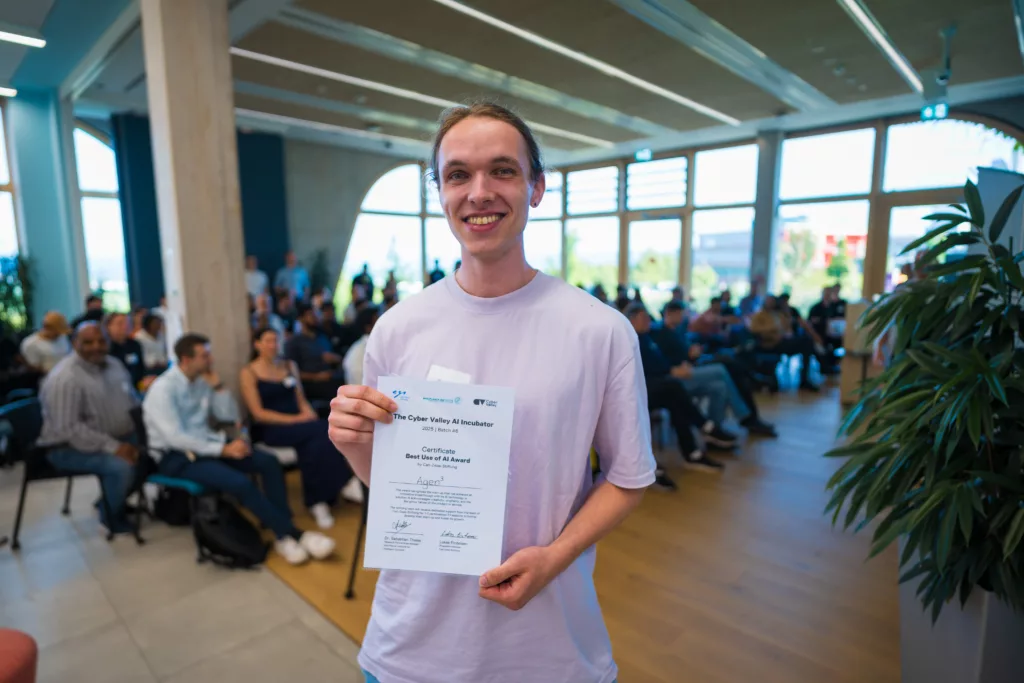
    Being part of Cyber Valley opened a dimension of my PhD I didn’t fully expect and one I’m grateful for. I participated in the Cyber Valley AI Incubator as part of its fourth cohort, an intensive eight-week program that took us through the full journey of turning a research idea into a real start-up: defining a vision, analyzing markets, developing business models, building prototypes, and ultimately pitching to potential investors. Our team ended up winning the public prize of that edition, which was a proud moment.

    More broadly, this experience reinforced something I now believe strongly: research and business aren’t opposites, they’re complementary. IMPRS-IS and Cyber Valley together push you to step outside the research bubble and think like an entrepreneur, to ask not just ‘is this interesting?’ but ‘does this create value?’ That shift in mindset has been one of the most valuable things I’ve taken from this journey so far.

    To celebrate Cyber Valley’s ten-year anniversary, we’ll be sharing a variety of content across our website and social media channels reflecting on milestones from the last decade. Stay tuned for the next installments! 


  • 2017: Training outstanding doctoral students at IMPRS-IS – Interview with Bernadett Kiss

    2017: Training outstanding doctoral students at IMPRS-IS – Interview with Bernadett Kiss


    In 2016, important actors from science, industry, and politics founded the Cyber Valley Consortium, which became the first Innovation Campus in Baden-Württemberg. Ten years on in 2026, we’re revisiting the most important milestones from the last decade. Each month, we’ll focus on a particular year since Cyber Valley’s beginning. 

    This month, we’re looking back to 2017 when Cyber Valley’s graduate school, the International Max Planck Research School for Intelligent Systems (IMPRS-IS), was founded. IMPRS-IS trains outstanding doctoral students from around the world and supports them in their PhD research so they can use their AI expertise to build a better future in Europe.

    Bernadett Kiss is currently a student at IMPRS-IS. She joined the graduate school in 2022 where she is working in the DFG-funded EcoWalk project. Her research aims to understand the catapult mechanism in the human leg and replicate it in a humanoid robotic model. This has the potential to reduce the performance gap between able-bodied human and artificial walking. 

    In the following interview, Bernadett explains why IMPR-IS has played such a pivotal role in her development as a researcher. 

    What initially drew you to IMPRS‑IS, and what convinced you that it was the right environment for your PhD?

    I was initially drawn to IMPRS-IS because of its workshops, seminars, and collaboration opportunities with other labs. I wanted to actively engage with researchers beyond my immediate group and benefit from regular scientific exchange. In addition, being mentored by outstanding scientists in my field convinced me that IMPRS-IS would provide the right environment for my PhD.

    From your perspective, what is unique about IMPRS‑IS’s culture and research community? What distinguishes it from other doctoral training programs?

    In IMPRS-IS, the students’ opinions and needs are genuinely taken seriously and acted upon. The soft skill workshops, for example, are not only highly relevant but clearly address real demands within the doctoral community, and they are led by excellent facilitators. The research community is very open and welcoming, even when members of my immediate group were not present at events, I could easily connect with like-minded peers. The bridging events between the Stuttgart and Tübingen sites of MPI-IS and the associated universities were particularly valuable. They created opportunities to exchange feedback with researchers working on related topics and to build lasting connections.

    What real-world impact do you envision for your research? Are there areas where you imagine it could make a difference in the future?

    My research provides insights into the separate roles of mono- and biarticular muscle-tendon units in the human leg catapult, while we also show functional details of the human leg catapult release mechanism through five distinct release processes on the EcoWalker robot. By validating our hypotheses on a physical robotic platform, we ensure that the findings are relevant to practical applications. In the long term, these insights could potentially support the development of more efficient and adaptable humanoid robots as well as assistive devices such as prostheses and exoskeletons. Ultimately, this may help reduce the performance gap between able-bodied human walking and artificial walking.

    Looking ahead, what directions are you considering after your PhD, and in what ways do you feel IMPRS‑IS is preparing you for that next step?

    At this point, I am considering research and development in industry as a potential next step. IMPRS-IS has supported this direction by offering dedicated career workshops focused on transitioning from academia to industry and preparing for applications in the German job market. In addition, organized visits to nearby companies provided direct insight into how research and development is carried out in practice.

    IMPRS-IS is the graduate school of Cyber Valley, a network of leading research institutions, industry partners and start-ups working in AI and robotics. How has being part of this network influenced your development, whether in your research, skills, or career direction?

    Through talks, symposia, and networking events, I gained insight into ongoing developments across academia, industry, and start-ups. This helped me better understand how fundamental research can connect to real-world applications and technological innovation. It has also broadened my perspective on potential career paths and sharpened my awareness of current trends in the field.

    To celebrate Cyber Valley’s ten-year anniversary, we’ll be sharing a variety of content across our website and social media channels reflecting on milestones from the last decade. Stay tuned for the next installments! 

  • International Max Planck Research School for Intelligent Systems

    International Max Planck Research School for Intelligent Systems

    Since its launch in 2017, the International Max Planck Research School for Intelligent Systems (IMPRS-IS) has established itself as a leading doctoral program through a unique partnership between the Max Planck Institute for Intelligent Systems (MPI-IS), the University of Tübingen, and the University of Stuttgart. This collaboration brings together three of Germany’s premier research institutions, combining the world-class research environment of the Max Planck Institute with the academic and teaching excellence of two renowned universities. This integrated partnership gives IMPRS-IS doctoral researchers access to resources, faculty, and interdisciplinary expertise across all three institutions, providing them with a strong foundation in machine learning, robotics, and computer vision.

    Currently, more than 300 doctoral researchers from over 45 nationalities are pursuing their doctorates through IMPRS-IS. To date, 78 scholars have graduated, expanding a global network of researchers. In the most recent admissions cycle, the program saw a record 797 completed applications from 74 countries. 

    Beyond scientific guidance, IMPRS-IS offers extensive support to doctoral researchers, hosting over 50 workshops and training sessions annually. In addition to scientific training, it offers sessions on topics such as inclusivity, work-life balance, mental well-being, and intercultural competence. IMPRS-IS is committed to creating a supportive, inclusive environment where all scholars can thrive both academically and personally. The program is also the official doctoral program of Cyber Valley, reinforcing IMPRS-IS’s role as a nexus for collaboration, innovation, and knowledge-sharing in intelligent systems.
    Website: http://imprs.is.mpg.de 

    Contact: imprs@is.mpg.de

    Contact

    We’re here for you—contact us!

  • 2017: Training outstanding doctoral students at IMPRS-IS – Interview with Lukas Schott

    2017: Training outstanding doctoral students at IMPRS-IS – Interview with Lukas Schott


    In 2016, important actors from science, industry, and politics founded the Cyber Valley Consortium, which became the first Innovation Campus in Baden-Württemberg. Ten years on in 2026, we’re revisiting the most important milestones from the last decade. Each month, we’ll focus on a particular year since Cyber Valley’s beginning. 

    This month, we’re looking back to 2017 when Cyber Valley’s graduate school, the International Max Planck Research School for Intelligent Systems (IMPRS-IS), was founded. IMPRS-IS trains outstanding doctoral students from around the world and supports them in their PhD research so they can use their AI expertise to build a better future in Europe.

    Lukas Schott is an alumnus of IMPRS-IS. He joined in 2017 to work with Matthias Bethge and Wieland Brendel. His PhD project investigated how to make AI ‘see’ more robustly so it could work safely in unpredictable environments. Lukas previously worked at Bosch (a member of the Cyber Valley Corporate Network) and has recently started at Aleph Alpha (a member of the Cyber Valley Start-up Network) with the aim of training sovereign LLMs in Europe. In the following interview, he reflects on what he learned during his PhD and how his training at IMPRS-IS has impacted his career. 

    When you look back at your PhD, is there a moment that stands out as a defining highlight? What made it meaningful? 

    The defining highlights were the collective ‘Eureka’ moments within the research group. Uncovering the hidden mechanisms behind AI behavior and gaining a deeper understanding of its inner workings made the long hours absolutely worth it. 

    From your perspective, what is unique about IMPRS-IS? What distinguishes it from other doctoral training programs? 

    I consider IMPRS-IS to be the leading AI graduate school in Germany. It distinguishes itself through an exceptional network that connects the Universities of Tübingen and Stuttgart with two Max Planck Institutes and leading industry partners, leading to exceptional AI research with high international impact. 

    When you joined IMPRS-IS, what were your expectations for the program and your PhD journey? Were there any surprises along the way? 

    I anticipated a purely academic focus, so the flexibility toward industry was a welcome surprise. Being able to intern at Google X [now: X, the Moonshot Factory] and Amazon Web Services without stalling my research was a unique advantage that really broadened my perspective. 

    In what ways did IMPRS-IS shape your development and how do those experiences influence your work today?

    It allowed me to peek behind the curtain and grasp the inner workings of AI systems. This experience refined my problem-solving skills and taught me to remain humble, always questioning assumptions since things often don’t work the way we think they do. 

    How does your work (both during your PhD and current) address real-world challenges and what kind of applications or long-term benefits could it have? 

    My PhD work on robustness against corruptions (like rain or blur) directly addresses the safety of vision systems in the real world. My work on neural network compression solves the energy and hardware constraints of edge computing, allowing powerful Foundation Models to run locally on devices like automobiles. In my current job, we are training sovereign LLMs for Europe. 

    IMPRS-IS is the graduate school of Cyber Valley, a network of leading research institutions, industry partners, and start-ups working in AI and robotics. How has being part of this network influenced your development, whether in your research, skills, or career direction? 

    The strong reputation of the research community in Tübingen was a door-opener. It gave me the credibility to get a foot in the door for competitive international internships, which was crucial for my professional growth. 

    To celebrate Cyber Valley’s ten-year anniversary, we’ll be sharing a variety of content across our website and social media channels reflecting on milestones from the last decade. Stay tuned for the next installments! 

  • 2016: The foundation of an AI ecosystem

    2016: The foundation of an AI ecosystem

    In 2016, important actors from science, industry, and politics founded the Cyber Valley Consortium, which became the first Innovation Campus in Baden-Württemberg. Ten years on in 2026, we’re revisiting the most important milestones from the last decade. Each month, we’ll focus on a particular year since Cyber Valley’s beginning.

    This month, we’re returning to 2016 to look back at Cyber Valley’s foundation. Back then, the AI boom and the wholesale use of LLMs were still some years away. Actors from science, industry, and politics in Baden-Württemberg nevertheless knew that this technology would play an essential role in the state’s future.  

    Baden-Württemberg was already in an unrivalled position to create AI for the benefit of future society since it is home to several top AI research institutions: the Max Planck Institute for Intelligent Systems, the University of Stuttgart, the University of Tübingen, Fraunhofer-Gesellschaft, and Karlsruhe Institute of Technology (KIT). The next step was to apply their cutting-edge research to solving real-world problems.

    This was where Cyber Valley came in. In 2016, the Cyber Valley Consortium was founded with the mission of advocating for the research, development, application, and acceptance of AI and modern robotics. Cyber Valley was to unite excellent research with practical application to build the AI of tomorrow in Baden-Württemberg.

    At its founding, Cyber Valley Consortium consisted of the Max Planck Society (which includes the Max Planck Institute for Intelligent Systems, MPI-IS), the state of Baden-Württemberg, and the Universities of Stuttgart and Tübingen, alongside partners from industry: Amazon, BMW, Bosch, IAV, Mercedes-Benz Group, Porsche AG, and ZF Friedrichshafen. Other research institutions joined later, including Fraunhofer-Gesellschaft (in 2019), KIT, and ELLIS Institute Tübingen (both 2024).

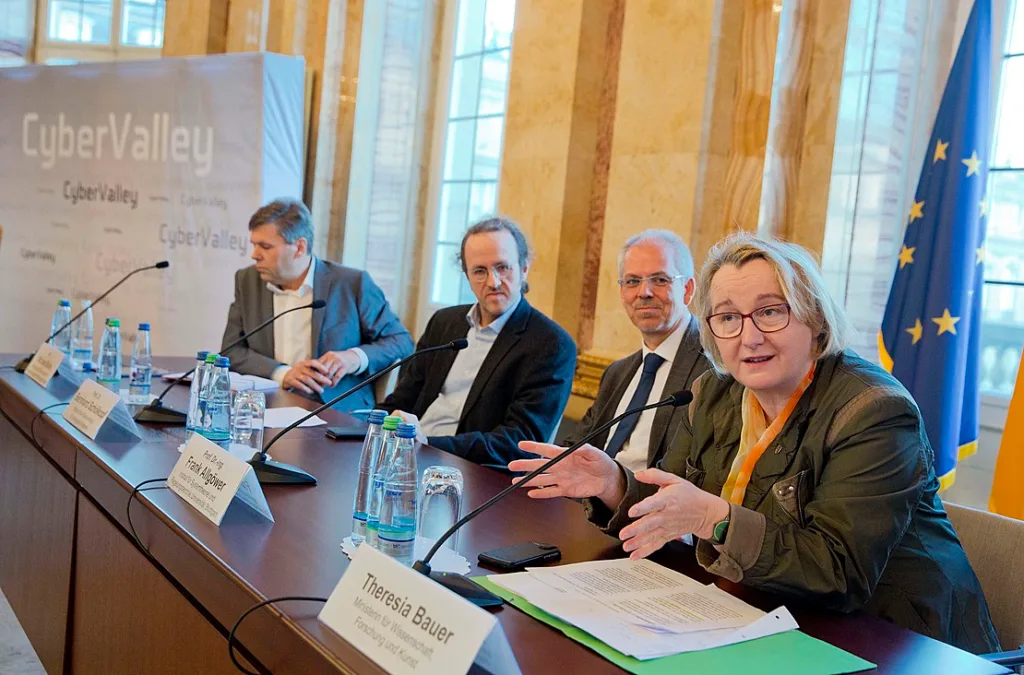
    Winfried Kretschmann, Minister-President of Baden-Württemberg, Theresia Bauer, who was then Minister of Science, Research and Art in Baden-Württemberg, and Martin Stratmann, who was then President of the Max Planck Society, launched the consortium on December 15, 2016, in Stuttgart’s Neues Schloss along with other participants from the consortium, including Bernhard Schölkopf(MPI-IS), Frank Allgöwer (University of Stuttgart) and Bernd Engler (University of Tübingen). The result was one of the largest research–industry partnerships for AI and modern robotics in Europe.

    Photo: MPI-IS / U. Regenscheit

    Theresia Bauer, Managing Director of the Baden-Württemberg-Stiftung, and Baden-Württemberg’s Minister of Science, Research and Art at the time of Cyber Valley’s founding:

    “At the time, I was thrilled by the great opportunity to bundle the excellent research landscape in the fields of AI and computer science in a condensed innovation ecosystem and make it more attractive for top international talent. When Cyber Valley was founded, I hoped that this concentration of cutting-edge research, the promotion of young talent, and responsible innovation would have what it takes to develop great appeal and grow rapidly. Today, you can see that we have succeeded in developing such a positive dynamic, which has a far-reaching impact on science, business, and the entire location.”

    Bernhard Schölkopf, Scientific Director of the ELLIS Institute Tübingen and Director of Empirical Inference at MPI-IS:

    “We started Cyber Valley with the belief that AI has the potential to change the world, and with the goal to do so in a positive way. This is now commonplace, but launching in 2016 gave us a head start and with a number of exciting start-ups, outstanding research institutions, and initiatives such as ELLIS and MP-AIX, we now have one of the most vibrant AI ecosystems in Europe.”

    Michael Black, Director of Perceiving Systems at MPI-IS:

    “The goal of Cyber Valley has always been to give Germany the chance to build a new high-growth economy around AI. In 2016, AI was not in the headlines, but we believed that we had the raw materials needed to succeed. Through the partnership of government, academia, and industry, we grew the AI faculty, attracted top researchers, built a top graduate program, trained hundreds of AI scientists, attracted investment, and helped launch a network of start-ups. These start-ups were always the goal and they hold the promise of a new Germany economy.” 

    Photo: MPI-IS / U. Regenscheit

    Peter Middendorf, Rector of the University of Stuttgart:

    “From the very beginning, the University of Stuttgart pursued the goal of pooling expertise in artificial intelligence and particularly in robotics, within and for the Stuttgart region. Together with the University of Tübingen, the Max Planck Institute for Intelligent Systems, and other partners, we have played a decisive role in shaping and advancing Cyber Valley. This strong network has given rise to excellent research, new professorships, and innovative projects, which we continue to actively drive forward – soon also in the new Cyber Valley building here in Stuttgart.” 

    Philipp Hennig, Director of Tübingen AI Center, University of Tübingen:

    “The world was a different place ten years ago, but even then it was clear that Europe, Germany, and Baden-Württemberg had to increase their efforts to stay relevant for AI. A decade later, I’m glad that we got the political mandate to get started then. The urgency of our tasks has only grown since then; but so have our opportunities.” 

    Bernhard Beckert, Dean of the KIT Department of Informatics:

    “When Cyber Valley was founded in 2016, we saw its potential to increase the visibility of AI research in Baden-Württemberg and to build a regional network that connects talent and accelerates scientific progress. Today, more than ever, this collaborative approach remains essential for supporting responsible AI development and for strengthening the region’s position within an increasingly complex international environment.”

    Matthias Tröndle, Head of the Scientific Coordination Office, MPI-IS:

    “When we founded Cyber Valley in 2016, we envisioned creating a bold innovation ecosystem focused on artificial intelligence at a time when its transformative impact was not yet widely recognized. By bringing together universities, non-university research institutions, industry, start-ups, foundations, and government in an unprecedented partnership, we broke new ground. The outstanding success of Cyber Valley has since made it a blueprint for subsequent innovation campuses.” 

    To celebrate Cyber Valley’s ten-year anniversary, we’ll be sharing a variety of content across our website and social media channels reflecting on milestones from the last decade. Stay tuned for the next instalments!

  • Health Network

    Health Network

    About the Cyber Valley Health Network

    The Cyber Valley Health Network strengthens the cooperation between science and industry that utilize artificial intelligence and modern robotics in health and medical fields. The Network provides an ecosystem that brings together players working on this important intersection to consolidate Germany’s position as a beacon for artificial intelligence and improve global health. The Health Network promotes joint AI and health/medicine initiatives, supports start-ups and corporate innovations, and provides members access to relevant networks and business opportunities.

    ContacT

    Alina Benze is dedicated to building strong relationships with corporate partners. She connects them with start-ups, technologies, and leading researchers from Baden-Württemberg to enable impactful partnerships and successful knowledge transfer.

    Academic and state partners

    • Max Planck Institute for Intelligent Systems
    • University of Stuttgart
    • University of Tübingen

    Corporate partners

    • BioPro
    • BioRegio Stern
    • Boehringer Ingelheim
    • CeGat
    • Immatics
    • Medical Innovations Incubator GmbH
    • Ovesco
    • Roche
    • Zeiss

    Start-ups

    • Actimi
    • AIRAmed
    • Ambigate
    • Auditect
    • BinDoc
    • Biocompile
    • BrainKey
    • Cerebri Health
    • Cytolytics
    • Deep Care
    • Deep Scenario
    • dxOmics
    • Earlytrace
    • EndoSurge
    • Hellstern Medical
    • IntegraSkin
    • Medicalvalues
    • MiraVision Gmbh
    • OSORA
    • SKAI
    • Vicinity Bio
    • Visual Abstract
  • Cyber Valley continues to grow

    Cyber Valley continues to grow


    Antonia Georgopoulou started her Cyber Valley Max Planck Independent Research Group "Cyborg Robotics and Intelligent Sensing (CyRIS)" on October 15, 2025.

    Antonia’s research focuses on bio-inspired materials and structures, additive manufacturing and functional materials for soft and biohybrid robotic applications. Her work bridges materials science, robotics, and bioengineering to create adaptable and intelligent robotic platforms. Building on her work in electronic skin and multifunctional sensors, her group aims to develop robotic systems capable of adapting to complex, real-world environments.

    Antonia received her degree (M.Eng.) in Chemical Engineering with distinction from the University of Patras, Greece, in 2017. In 2019, she received her degree (M.S.) in Biomedical Engineering from ETH Zürich. She received her Ph.D. in Engineering Science at Vrije Universiteit Brussel with highest distinction in 2022 before joining the department of Advanced Materials and Surfaces at Empa, the Swiss Institute for Materials Science and Technology. In 2023, she was awarded the prestigious fellowship Women in Science (WINS) and joined the soft materials laboratory at EPFL and the NCCR Bio-Inspired Materials.

    https://is.mpg.de/cyris

    Philipp Müller started his Cyber Valley Max Planck Independent Research Group "Embodied Social Interaction" on November 1, 2025 at the MPI-IS Stuttgart.

    Philipp’s current research aims to establish the foundations for the next generation of embodied AI systems that can integrate seamlessly into human social life. He develops methods for analyzing and responding to complex, multimodal human behaviors – for instance, inferring user engagement, emotional expressions, and emotion regulation. Philipp combines theories and methodologies from psychology with multimodal artificial intelligence. He also applies his methods in psychiatric contexts, supporting clinical assessment and the evaluation of patient–therapist relationships

    Philipp received a Bachelor's degree in Psychology as well as Bachelor's and Master's degrees in Computer Science from Saarland University. After a research stay as a Visiting Student at Stanford University, he completed his Ph.D. at the Max Planck Institute for Informatics. He subsequently held research positions at the University of Stuttgart and most recently worked as a Senior Researcher at the German Research Center for Artificial Intelligence (DFKI) in Saarbrücken.

    https://is.mpg.de/esi

    Renate Sachse joined the MPI-IS Stuttgart on January 1, 2026 with her Independent Cyber Valley Research Group "Mechanics for Intelligent Structures".

    Renate Sachse’s research advances computational methods for designing intelligent structures that can actively shape, adapt, and respond to their environment. Her group develops high-fidelity simulation models to capture the complex, nonlinear deformation behavior of thin-walled, compliant, and soft robotic systems. A key focus is on engineering and programming nonlinear deformation patterns, as well as tailoring mechanical properties through geometry, material choice, and actuation. These methods aim to support the design of soft robotic and bioinspired structures that can achieve predictable, reliable and programmable motion.

    Renate has recently been a postdoctoral researcher at the Technical University of Munich and has completed a research stay at Harvard University. She received her Ph.D. in Civil Engineering from the University of Stuttgart in 2020 and has been recognized with multiple prestigious awards, including the Bertha Benz Prize 2022, the Dr. Wilhelmy-VDI Award, and the Klaus Tschira Boost Fund Fellowship.

    https://is.mpg.de/mis

  • Cyber Valley AI Incubator

    Cyber Valley AI Incubator

    Supercharge your start-up idea!

    The Cyber Valley AI Incubator empowers scientists and entrepreneurs with ingenious AI ideas. Begin your entrepreneurial journey and give your business ideas a successful lift-off! 

    Take advantage of start-up experts from the Cyber Valley Community, who will be on board to support the success of all participating teams.

    Interested?

    Check out the new

    Cyber Valley AI Incubator

    website and register

    for Batch #9!

    The Cyber Valley AI Incubator in action

    You are currently viewing a placeholder content from YouTube. To access the actual content, click the button below. Please note that doing so will share data with third-party providers.

    More Information

    Organizers of the Cyber Valley AI Incubator

    The Cyber Valley AI Incubator is organized by the Max Planck Institute for Intelligent Systems, and funded by the Carl-Zeiss-Stiftung. Partners and start-up experts from the Cyber Valley Community will be on board to promote the success of all active participating teams. 


    The Max Planck Institute for Intelligent Systems spans two campuses in Stuttgart and Tübingen, working together toward a common goal: advancing the frontiers of artificial intelligence and robotics. By combining our expertise, we explore the fundamental principles of intelligent systems from multiple perspectives.

    The Carl-Zeiss-Stiftung’s mission is to create an open environment for scientific breakthroughs. As a partner of excellence in science, it supports basic research as well as applied sciences in the STEM subject areas (science, technology, engineering and mathematics). Founded in 1889 by the physicist and mathematician Ernst Abbe, the Carl-Zeiss-Stiftung is one of the oldest and biggest private science funding institutions in Germany. It is the sole owner of Carl Zeiss AG and SCHOTT AG. Its projects are financed from the dividend distributions of the two foundation companies.

    Cyber Valley is Europe’s leading center for excellence in advanced AI and robotics. Cyber Valley creates a vibrant ecosystem that enables seamless collaboration and rapid exchange between academia, business and society.

    As an ambassador for entrepreneurship, Cyber Valley’s mission is to strengthen the research, development, and application of intelligent systems, providing a platform for collaboration, resource sharing, and advancement of modern AI and robotics. With a focus on the ethical and societal aspects of AI, Cyber Valley fosters dialogue between society and AI researchers and strives for a future in which the full potential of intelligent systems is used for the benefit of society.

    Organizers

    • Max Planck Institute for Intelligent Systems
    • Carl Zeiss Stiftung