News Category: Press Release

  • Bioinspired cilia help understand which movement pattern generates maximal fluid flows

    Bioinspired cilia help understand which movement pattern generates maximal fluid flows

    Stuttgart – Scientists at the Max Planck Institute for Intelligent Systems (MPI-IS) have developed millimeter-sized magnetic arrays, which can pump viscous fluids as effectively as biological cilia that are common throughout nature. Their research was recently published in Science Advances with the title “Bioinspired cilia arrays with programmable nonreciprocal motion and metachronal coordination”. The authors Dr. Xiaoguang Dong, Dr. Wenqi Hu, Ziyu Ren, and Prof. Metin Sitti are members of the Physical Intelligence Department at the MPI-IS, where Sitti is the Director.

    Cilia are hair-like structures that exist, for instance, in the respiratory tract of the human body to clear away mucus and dirt, and in the female reproductive system to transport oocytes. Reef corals also have cilia – tiny slender appendages that can stir water to bring nutrients and oxygen.

    The soft robotic devices that the scientists have created greatly resemble real cilia. The only difference is the size: each replica array is just under one millimeter in size. This is one hundred times larger than natural cilia found in a lung, for instance.

    The scientists built the artificial cilia arrays from an elastomer into which they embedded magnetic particles in a very specific pattern. In this way, each array becomes programmable: the researchers can remotely control not only the asymmetric motion of each cilium, but also the coordinated motion of all cilia relative to their neighbors.


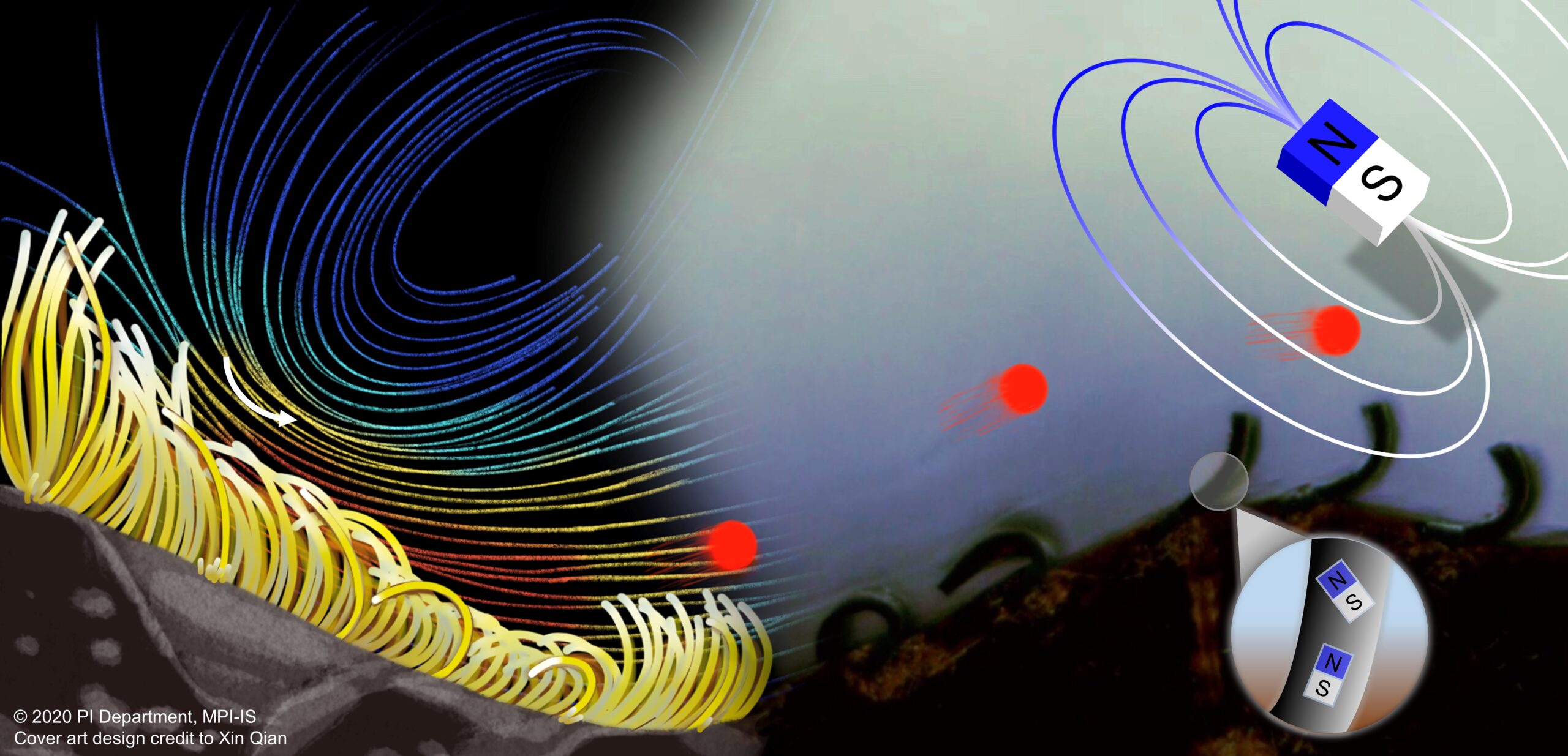
    Figure 1. Inspired by biological cilia (left), the artificial cilia arrays (right) pump fluid and transport particles efficiently thanks to their optimally coordinated movement. Copyright: Physical Intelligence Department (MPI-IS).

    The researchers applied a rotating external magnetic field and showed that their artificial cilia arrays performed a wave-like motion similar to natural cilia (Figure 1). They used a red-color dye and particle imaging techniques to show how the arrays pump a viscous fluid (glycerol) and transport particles efficiently thanks to the arrays’ optimally coordinated movement (Figure 2).


    Figure 2. The bioinspired cilia arrays pump a viscous fluid (glycerol) visualized by a red-color dye at the low Reynolds number regime. Scale bar, 1 mm. Copyright: Physical Intelligence Department (MPI-IS).

    The researchers recorded the movement of the artificial cilia using a high-speed camera, as featured in this video. The clip shows how the slender structures beat in a coordinated manner, similar to real cilia: the artificial arrays neither move back and forth in synchrony nor randomly. In fact, they perform a coordinated traveling wave-like movement. Research has shown that this so-called metachronal wave has been perfected in the course of evolution, optimizing the fluid flows.

    Investigating natural cilia and their collective behavior is a challenging task, as they are only a few micrometers small. Even with a microscope, cilia arrays are very difficult to see. Additionally, it is impossible to control their movement. Now, however, for the first time, the Stuttgart-based scientists were able to experimentally reveal the fundamental quantitative relationship between metachronal coordination and its induced fluid flow. “With our artificial system, we can mimic the cilia motion in a similar way to real cilia at a larger scale, while always maintaining the same physical laws. In this way, we can generate much cleaner data. We can quantify what movement patterns generate the maximal fluid flow,” Xiaoguang Dong says.

    In their experiments, the team showed that only antiplectic metachronal waves can enhance the fluid flow. Antiplectic means that the wave propagation direction is opposite to that of the fluid flow. “Our observation proves the critical function of antiplectic metachronal waves and reveals the fundamental quantitative relationship between metachronal coordination and the induced fluid flow in both artificial and biological cilia,” Ziyu Ren says.

    The team envisions that their research project could inspire many more: “Our artificial cilia arrays could be used to further investigate many interesting scientific questions, such as how the fluid flow patterns change when varying the cilia beating dynamics, boundary geometries, or the type of surrounding fluid,” Wenqi Hu says.

    “My team, the Physical Intelligence Department, is inspired by various biological systems. We want to learn the underlying physical principles behind their locomotion, intelligence and functional behavior and then use this knowledge to create state-of-the-art miniature robots. By doing so, we not only better understand the biological systems: in the future, we also aim to use our robots as innovative wireless medical devices to advance the healthcare system, helping to improve the welfare of our society,” Sitti says. 

    The full scientific paper can be found here:

    https://advances.sciencemag.org/content/6/45/eabc9323.full

    About the scientists:

    Dr. Xiaoguang Dong is a Postdoctoral Researcher in the Physical Intelligence Department. He received a Ph.D. degree in Mechanical Engineering from Carnegie Mellon University, USA in 2019. His research focus is developing miniature soft robots and devices for answering scientific questions in biomechanics and resolving engineering challenges in biomedical applications.

    Dr. Wenqi Hu comes from South West China. He received his Ph.D. from the University of Hawaii in 2014. He has been working on soft millirobots since he joined the Physical Intelligence Department team in Stuttgart back in 2014.

    Ziyu Ren is a Ph.D. student in the Physical Intelligence Department at the Max Planck Institute for Intelligent Systems in Stuttgart. Ziyu received his BSc and MSc degrees in mechanical engineering from Beihang University, China in 2014 and 2017. In his Ph.D. he focuses on developing magnetic soft millirobots.

    Prof. Dr. Metin Sitti has been the Director of the Physical Intelligence Department at the Max Planck Institute for Intelligent Systems in Stuttgart, Germany since 2014. As his current ancillary academic positions, he is a professor at ETH Zurich, Switzerland, professor at Koç University, Turkey, and an honorary professor at the University of Stuttgart, Germany. He was a professor in the Department of Mechanical Engineering and Robotics Institute at Carnegie Mellon University, Pittsburgh, USA (2002-2014), and a research scientist at the University of California at Berkeley, USA (1999-2002). He received the BSc (1992) and MSc (1994) degrees in electrical and electronics engineering and physics from Boğaziçi University, Turkey, and the Ph.D. degree (1999) in electrical engineering from the University of Tokyo, Japan.

    Sitti and his team aim to understand the principles of design, locomotion, perception, learning, and control of small-scale mobile robots made of smart and soft materials. The intelligence of such robots mainly comes from their physical design, material, adaptation, and self-organization more than from their computational intelligence. Such physical intelligence methods are essential for small-scale milli- and micro-robots especially due to their inherently limited on-board computation, actuation, powering, perception, and control capabilities. Sitti envisions his novel small-scale robotic systems to be applied in healthcare, bioengineering, manufacturing, or environmental monitoring to name a few.

  • Metin Sitti receives the «Breakthrough of the Year» Award at the Fallings Walls World Science Summit in Berlin

    Metin Sitti receives the «Breakthrough of the Year» Award at the Fallings Walls World Science Summit in Berlin

    Berlin – At its Grand Finale on November 9, exactly 31 years after the fall of the Berlin Wall, Falling Walls presented Prof. Dr. Metin Sitti with the «Breakthrough of the Year» Award in the Engineering and Technology category. The Falling Walls World Science Summit is an annual international scientific event in Berlin that serves as a forum for discussion and debate about the scientific breakthroughs of the future.

    Sitti is a pioneer in many research areas, such as wireless miniature medical robots, gecko-inspired microfiber adhesives, bio-inspired miniature robots, and physical intelligence. “I am honored to receive this award. It is a great acknowledgment of my team's breakthrough research efforts,” says Sitti who is the Director of the Physical Intelligence Department at the Max Planck Institute for Intelligent Systems in Stuttgart, a Professor in the Department of Information Technology and Electrical Engineering at ETH Zurich, and a Professor at the School of Medicine and College of Engineering at Koç University.

    “My research breaks down barriers for the use of wireless medical devices inside the human body. I was greatly inspired by Fantastic Voyage, a 1966 science-fiction film about a microscopic submarine that ventures into a stroke patient’s body to open the blood clot in his brain. The moment I saw it, I started dreaming of creating tiny medical devices that could navigate complex regions inside our body. In minimally invasive procedures, these machines could diagnose and treat diseases at early stages and with few side effects,” Sitti says.

    In recent months, nearly 1000 nominees from 111 countries have competed for a Science Breakthrough of the Year Award in ten different categories. The awards honor some of the world’s most outstanding science projects and bright minds. At today’s Grand Finale, Sitti and the other recipients came together to discuss how science and innovation can contribute to the state of humanity.

    Sitti is an acclaimed scientist. In March 2019, he received a prestigious Advanced Grant from the European Research Council (ERC), which is awarded only to established researchers with a proven track record of excellence. In terms of the originality and significance of research contributions, grant recipients are exceptional leaders in their given fields. What is more, Sitti and his team recently received the Best Paper Award at the prestigious Robotics Science and Systems Conference for their invention of a baby jellyfish-inspired soft millirobot with medical functions.

    “I am passionate about pushing the scientific boundaries of what is currently possible with wireless tiny soft robots and their use in clinical applications, with the ultimate aim of saving more lives,” says Sitti.

    Soft milli- and microrobots such as those Sitti and his team are developing hold huge potential and could one day have a radical impact on medicine. The scientists are working intensively on developing wireless tiny machines that will, in the near future, be able to access smaller, difficult-to-access high-risk regions inside the body. As semi-implantable medical devices, these technologies will remain in patients’ bodies for long periods of time, enabling minimally or non-invasive diagnostic and therapeutic interventions.

    However, many challenges must still be overcome before these tiny robots can be applied. For instance, scientists must develop ways to move and control these tiny robots inside the body with high levels of precision, taking body fluid flows and organ movement into account. They must also ensure that patient safety is guaranteed, and that these robots can be in us for long periods of time, even in the face of potential immune or other reactions.

    Sitti and his team have been working on shape-programmable tiny soft machines built with biocompatible magnetic soft materials for many years. Their findings have been published in the world’s most respected scientific journals. For instance, in a Nature publication, his team showed how to program the shape deformations of a soft millirobot via external magnetic fields. This enables the robot to crawl, swim, jump, and roll safely through the complex regions of the human body. The robot can deliver medication at a target location, while being tracked by medical imaging systems remotely.

    Sitti received his BSc and MSc degrees in electrical and electronics engineering and physics from Bogazici University in Istanbul in 1992 and 1994, respectively, and his Ph.D. degree in electrical engineering from the University of Tokyo in 1999. He was a research scientist at UC Berkeley from 1999 to 2002 and a Professor at the Department of Mechanical Engineering and Robotics Institute at Carnegie Mellon University from 2002 to 2014. He became a Director at the Max Planck Institute for Intelligent Systems in Stuttgart in 2014.

    About Falling Walls:

    The fall of the Berlin Wall marked the dawn of a new era of freedom by breaking barriers both physical and imaginary in Germany and around the world. Three decades on, the night of 9 November 1989 has become a symbol of changing status quos and overcoming divisions of all kinds. Drawing inspiration from this historic moment, the Falling Walls Conference is driven by the desire to find out: which are the next walls to fall in science and society?

    Since its inception, the conference has become a unique global platform connecting science, business and society through a shared commitment to create breakthrough solutions to challenges across borders and disciplines.

    https://falling-walls.com/

  • Cyber Valley researchers enable better analyses of large networks

    Cyber Valley researchers enable better analyses of large networks

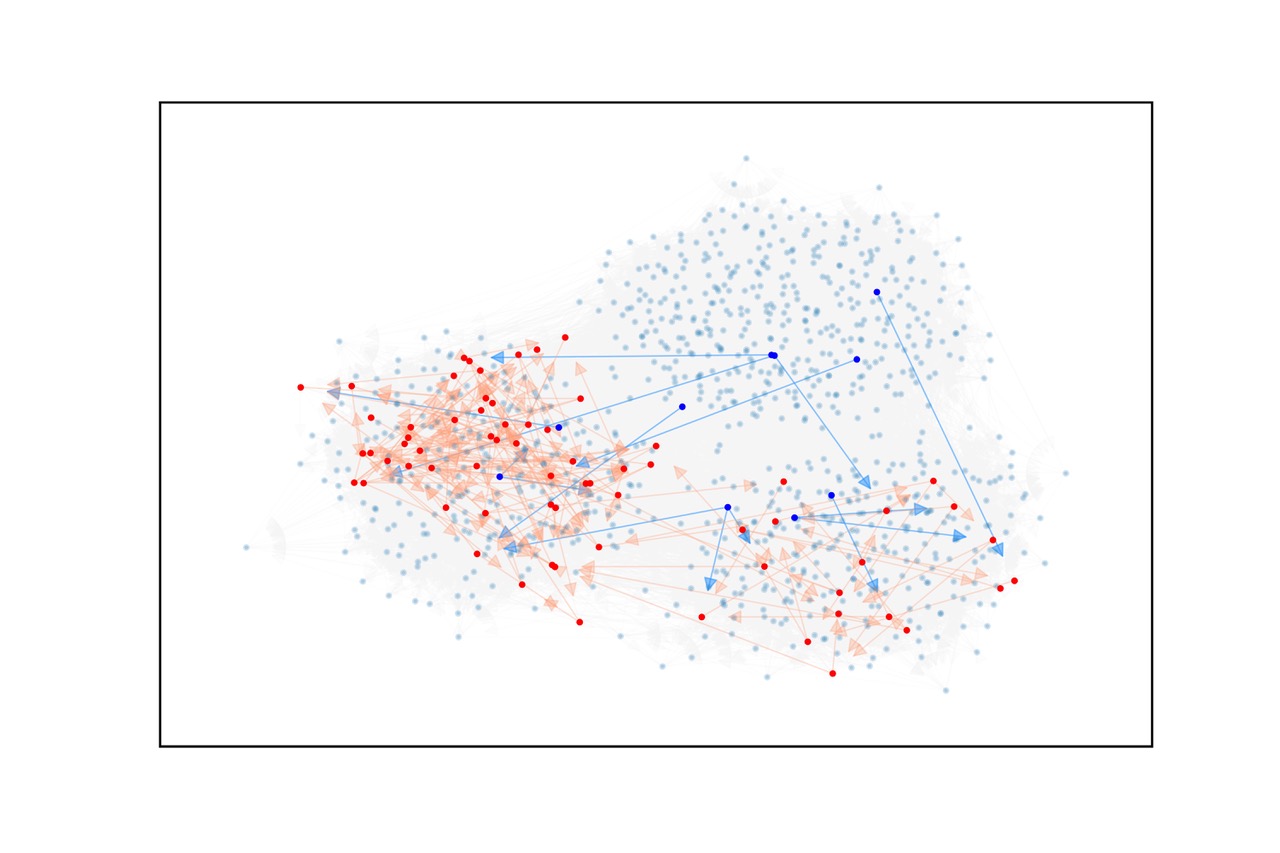
    In an effort to enable more accurate network analyses in applied network science, scientists at the Max Planck Institute for Intelligent Systems in Tübingen recently developed the Theoretical Criterion for Eigenvector Centrality (TCEC), a quantitative sampling method. The method aims to preserve representative network properties within finite data samples by measuring the influence of a single node in a network. Now, Nicolò Ruggeri and Caterina De Bacco are expanding the model to include a new sampling algorithm that improves estimates of PageRank centrality (PR), the algorithm used by Google Search to rank web pages in search engine results.

    They present their research in the paper entitled “Sampling on networks: estimating spectral centrality measures and their impact in evaluating other relevant network measures.” The paper was recently published in Applied Network Science. Ruggeri, the paper’s lead author, is a PhD student in the Cyber Valley Physics for Inference and Optimization group at MPI-IS in Tübingen and at ETH Zurich. De Bacco, who co-authored the paper, is group leader. 

    Ruggeri and De Bacco’s research can make a decisive contribution in a broad range of research fields, for instance in social science analyses that seek to infer the relationship between nodes in a network, such as social media channels.  

    “Our work was inspired by a conversation we had with a sociologist whose research focuses on analyzing the dynamics of hate speech on Twitter,” said Ruggeri. In such analyses, a major challenge lies in analyzing data samples drawn from complex networks. In most cases, not all the relevant information is available in the sample, and this can lead to biases in the analysis of the network properties under investigation. For instance, social scientists attempting to make an accurate analysis of the most influential users in an entire network would need a data sample that reflected influence accurately. 

    This is where the TCEC sampling model comes in. With it, Ruggeri and De Bacco have made it possible to get representative snapshots of user dynamics in major networks like Facebook and Twitter. It does this by selecting subsamples that well represent a measure of influence of single nodes in the network, which is also known as eigenvector centrality. “If a researcher selects network users randomly, the sampled network will likely be very different than the actual whole. Any analysis will then be a distortion of reality. With TCEC, a scientist sampling a network of millions of users like Twitter can select a data sample of 10,000 nodes that is more representative of the whole, in terms of users’ influence as measured by eigenvector centrality,” says De Bacco. 

    By expanding the model to include PageRank centrality, Ruggeri and De Bacco hope to further improve data samples, thus making network analyses even more accurate. Until now, however, the theoretical results of their research have shown that sampling for PR would lower the performance of the original TCEC algorithm. In a next step, the researchers plan to continue fine-tuning their method and applying it in collaboration with sociologists to study how influence on online social networks is related to real-life events.

    The original TCEC sampling method is available for use: Ruggeri and De Bacco have released the code, which is available at: https://github.com/cdebacco/tcec_sampling

  • Cyber Valley expands its Start-up Network with AIRAmed and Computomics

    Cyber Valley expands its Start-up Network with AIRAmed and Computomics

    AIRAmed develops software as a service (SaaS) that compares radiological image data based on neural networks with reference data in the background and extracts measurable disease characteristics. Computomics applies advanced machine learning (ML) methods to analyze genomic data in agriculture more quickly, thus enabling more precise predictions in plant breeding.

    “AIRAmed’s admission to the Cyber Valley Start-up Network highlights the growing importance of AI technology in medical applications,” said Michael Black, Director of the Perceiving Systems Department at the Max Planck Institute for Intelligent Systems and Cyber Valley spokesperson. “As a leader in machine learning-based data analysis, Computomics shows the contribution AI can make to food security – especially in times of climate change and in light of the growing world population. AIRAmed and Computomics are up-and-coming companies that exemplify the Cyber Valley ecosystem’s great potential for innovation.”

    AIRAmed: Reliable measurements for personalized medicine

    In Germany alone, about 350,000 new cases of dementia are diagnosed each year. Imaging technologies are of crucial importance in the diagnosis of dementia and other neurodegenerative diseases such as Alzheimer’s, Parkinson’s, and multiple sclerosis. Imaging-based structural changes precede the clinical symptoms of these diseases by many years. When it comes to prevention and selecting the right drug therapies, the best possible early detection and correct diagnosis are therefore essential. AIRAmed provides reliable measurement values as a basis for individual biomarkers in the context of personalized medicine.

    “We want to bring top university research to the patients. With AIRAmed’s service, treating physicians can recognize specific illnesses much earlier on the basis of quantitative and objective measurement parameters. In turn, this enables them to initiate appropriate therapies at an early stage and monitor their success in the course of the treatment,” said Tobias Lindig, one of the founders and managing directors of AIRAmed. The software uses neural networks to compare radiological image data with a large reference sample of healthy individuals of the same age and gender. It then extracts measurable disease characteristics from these data. Structural changes in the brain are detected almost in real time and in the highest quality and quantified in the background through a comparison with reference data. “The result enables objective and rapid diagnostics as detailed therapy monitoring. This is entirely in the patients’ interest, as it improves quality of life,” said Lindig.

    AIRAmed is a spin-off of the University Hospital Tübingen (UKT) and is located in Tübingen. The start-up has a cooperation agreement with the UKT regarding the acquisition of data for quality assurance, validation, and further development of the software. It is also involved in joint research projects with the Department of High-field Magnetic Resonance at the Max Planck Institute for Biological Cybernetics.

    Computomics: More efficient plant breeding thanks to AI

    Tübingen is also home to Computomics, a start-up that was founded in 2012. Its team comprises leading experts in the fields of machine learning, plant breeding, and bioinformatics. To date, Computomics has more than 100 projects in twelve countries under its belt. Among others, the company cooperates with the University of Tübingen’s Quantitative Biology Center (QBiC).

    “Around the globe, the agricultural sector faces the challenge of supplying new plant varieties for a changing climate and with fewer resources,” said Sebastian Schultheiss, founder and CEO of Computomics. “Until now, it has taken an average of 13 years to breed new varieties. In recent years, more and more data has been incorporated, for example for phenotyping, as well as drone images and climate, soil and marker data. We have developed unique machine learning methods that enable companies to improve traits such as yield, taste, color, texture, and shelf life.” By using AI models, millions of incidents of cross-breeding could be simulated in a very short time without having to plant them in the field. This would make it possible to calculate the yield of agricultural products much more reliably.

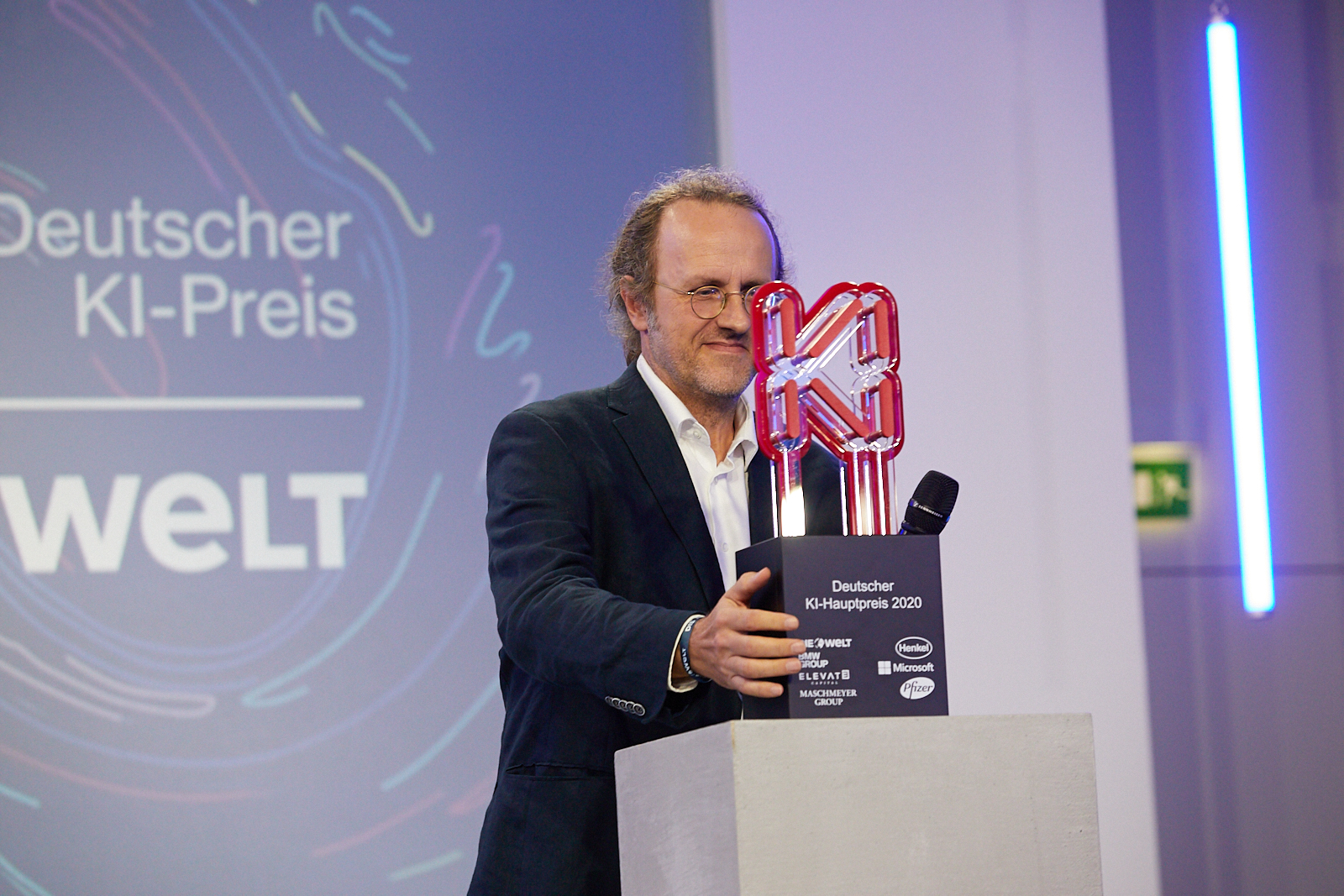
  • Bernhard Schölkopf gewinnt den Deutschen KI-Innovationspreis

    Bernhard Schölkopf gewinnt den Deutschen KI-Innovationspreis

    Berlin – WELT hat am Donnerstag, 1. Oktober 2020, den Zweiten „Deutschen KI-Preis“ verliehen und damit bahnbrechende Leistungen auf dem Gebiet der Künstlichen Intelligenz gewürdigt. Bei Axel Springer kamen führende Persönlichkeiten aus Politik, Forschung, Wirtschaft sowie der Tech– und Start-up-Szene zusammen. Die Preisverleihung fand aufgrund der Corona-Krise in einer hybriden Form statt, viele weitere Gäste konnten per Live-Stream die Veranstaltung verfolgen.

    Peter Altmaier, Bundesminister für Wirtschaft und Energie, hielt die Eröffnungsrede und zeigte sich bereits im Vorfeld überzeugt von Deutschlands KI-Community: „Es sind genau solche Innovationen, wie sie die Preisträger und Teilnehmer hier geschaffen haben, die wir mit einem europäischen Ordnungsrahmen ermöglichen und fördern wollen. Wir setzen uns in unserer Ratspräsidentschaft daher dafür ein, bei der Ausgestaltung eines europäischen Ordnungsrahmens den Fokus ganz klar auf Innovationen zu legen.“

    Der „Deutsche KI-Preis“ wurde in drei Kategorien verliehen: Mit dem 100.000 Euro dotierten KI-Innovationspreis zeichnete WELT Professor Dr. Bernhard Schölkopf, Direktor der Abteilung für Empirische Inferenz am Max-Planck-Institut für Intelligente Systeme in Tübingen, aus. Schölkopf fördert und betreibt seit Jahren anwendungsnahe Spitzenforschung im Bereich der Künstlichen Intelligenz. Er ist einer der international angesehensten KI-Forscher und eine der prägendsten Persönlichkeiten der deutschen KI-Szene.

    „Maschinelles Lernen und Kausale Inferenz sind wesentliche Teilgebiete der modernen Künstlichen Intelligenz. Meine Forschungsgruppe entwickelt Algorithmen, die mit großen Datensätzen gefüttert werden und durch dieses Training lernen, selbstständig Regelmäßigkeiten in den Daten zu erkennen – ebenso, wie ein Gehirn aus Beobachtungen Gesetzmäßigkeiten erkennt und Schlussfolgerungen zieht. Daher das Wort „Inferenz“: es geht um Wissen, das durch Schlussfolgern gewonnen wird. Eine Maschine findet in großen Datenmengen oft Strukturen, die ein Mensch nicht finden würde. Ich möchte mit meiner Forschung dazu beitragen, dass die theoretischen Methoden des maschinellen Lernens Anwendung finden, so z.B. in der Medizin oder Astronomie“, erklärt Schölkopf seine Forschungsgebiet.

    Klaus Boldt, Senior Editor und Mitglied der Chefredaktion WELT: „Künstliche Intelligenz ist schon heute allgegenwärtig, doch ihr Einfluss und ihre Bedeutung wird in Zukunft noch rasanter ansteigen. Um zu verstehen, welchen Einfluss KI auf die Wirtschaft und Gesellschaft hat und um diesen verantwortungsvoll zu gestalten, gilt es, Forschung und Wissenschaft vor Ort in Deutschland zu fördern. Mit dem ‚Deutschen KI-Preis‘ verschafft WELT dem Thema eine große Bühne und bringt KI-Experten mit Entscheidern aus Politik und Wirtschaft zusammen.“

    Über die Preisvergabe des Haupt- und Anwenderpreises und die Nominierung für den Sonderpreis entschied eine Jury bestehend aus herausragenden Vertretern der KI-Anwendung und -Forschung, unter Vorsitz von Hans-Christian „Chris“ Boos, Gründer und Geschäftsführer der KI-Firma Arago und einer der Vordenker der Branche.

    Unterstützt wird der „Deutsche KI-Preis“ von der BMW Group, Berlin Partner für Wirtschaft und Technologie (Sonderpreis), Elevate Capital, Henkel, der Maschmeyer Group, Microsoft und Pfizer.

  • New AI in medicine initiative launched

    New AI in medicine initiative launched

    According to Professor Bernd Engler, President of the University of Tübingen, the new initiative is open to further prominent players from universities, non-university research institutions, and companies. “In particular, we aim to cooperate closely with the University of Stuttgart, which is a world-class institution in areas such as data integration and simulation technology.” Both universities would also benefit from their membership in the Cyber Valley initiative, Europe’s largest research consortium in the field of modern AI. Other important partners are the German Cancer Research Center (DKFZ), the European Molecular Biology Laboratory (EMBL), the University of Heidelberg, and all medical universities in Baden-Württemberg. Companies from Baden-Württemberg’s world-renowned medical technology industry are also on board. Moreover, the research field offers enormous potential for new start-ups in the fields of diagnostics, medical technology, pharmaceuticals, and medical-related services.

    Engler announced that the university and its medical faculty will, in a first step, establish four additional professorships this year in this promising field of research. They will focus on the evaluation of medical image data, sequencing, and meta data, as well as on time series or statistics using machine learning methods, among other things, thus creating new AI-supported instruments for diagnosis, therapy decisions, and the development of new drugs. “With the construction of the Cyber Valley building in the Tübingen Technology Park, which is currently in the planning stage, the Max Planck Society and the university have made provisions for the possible accommodation of the new professorships and their research groups in the second construction phase,” the President said.

    The project of the university, its faculty, and the Max Planck institutes is also supported by the non-profit Hertie Foundation, among others. The foundation has set itself the goal of supporting the establishment of a further scientific lighthouse project on the use of artificial intelligence in the neurosciences in Tübingen. For 20 years, the foundation has supported  the Hertie Institute for Clinical Brain Research in Tübingen, which is now considered a model for the transfer of findings from cutting-edge basic research to clinical application.

    In addition to numerous research groups, some 15 professors in Tübingen are already researching the use of computer science methods in medicine and the life sciences. Funded by the German government, university institutions such as the “Machine Learning for Science” Cluster of Excellence and the AI Competence Center have made Tübingen a leading German location for basic research in machine learning. In addition, a growing number of local medical start-ups are part of the Cyber Valley Start-up Network.

    “With our AI Health Initiative, we will continue to build on an already strong foundation,” said Michael Black, Director of the Max Planck Institute for Intelligent Systems in Tübingen. “From patient care to diagnostics and individualized treatment, the possibilities for enhancing modern medicine with AI and robotics are endless. By pooling our strengths, we aim to make a decisive contribution to driving research in the field of AI and health forward.”

    “Our basic research helps offer a firm foundation for the pioneering translational plans of this excellent initiative,” said Peter Dayan, Managing Director at the Max Planck Institute for Biological Cybernetics. “For instance, work on the advanced analysis of high-resolution magnetic resonance images of the human brain offers new insights that could illuminate normal and dysfunctional neural organization. Cognitive tasks designed in consilience with artificial intelligence principles to index hidden dimensions of human decision-making are being purposed to examine the nature and course of psychiatric disease.”

    The Dean of the Faculty of Medicine, Professor Bernd Pichler, said that the use of modern medical diagnostic procedures generates enormous amounts of data, the evaluation of which can hardly be handled by conventional methods: “Similar challenges arise in the life sciences for a wide range of issues, from basic research to the translation of research results into clinical application, for example in personalized medicine. I am thus convinced that in the coming years and decades, groundbreaking successes in medical research and patient care will be accompanied by the use of artificial intelligence.” The analysis and intelligent interpretation of health data will not only simplify the prognosis of disease progression or improve the prevention and early detection of diseases, but also support the search for new drugs and therapeutic options.


    Media contacts:

    Dr. Karl G. Rijkhoek
    Director Communications University of Tübingen
    Phone: +49 7071 29-76788
    karl.rijkhoek@uni-tuebingen.de

    Valérie Callaghan
    Communications Manager Max Planck Institute for Intelligent Systems
    Phone: +49 7071 601-1832
    valerie.callaghan@tuebingen.mpg.de

    Dr. Daniel Fleiter
    Head of Communications Max Planck Institute for Biological Cybernetics
    Phone: +49 7071 601-777
    daniel.fleiter@tuebingen.mpg.de

  • ELLIS inaugurates 30 research units at leading institutions across Europe

    ELLIS inaugurates 30 research units at leading institutions across Europe

    Tübingen, September 15, 2020 – The European Laboratory for Learning and Intelligent Systems (ELLIS) today inaugurated 30 research units at a virtual ceremony. Spanning 14 European countries, the ELLIS network includes several world-class institutions (see a full list of units below). The ELLIS units will make a decisive contribution to> securing Europe’s sovereignty and leadership in the research field of modern AI. 

    “Today, we celebrate the momentum that the ELLIS initiative has gained since it was founded just two years ago,” said Bernhard Schölkopf, co-founder of ELLIS and Director of the Max Planck Institute for Intelligent Systems in Tübingen, Germany, which will also be home to an ELLIS unit. “Since the first 17 units were announced at the end of 2019, we’ve added 13 more to the network. With their combined strengths, the units will contribute to enabling Europe to compete with the world’s AI hotspots, particularly the US and China. Together, the units are creating new opportunities for collaboration with scientists across Europe, and a strong foundation for developing AI that is in line with the values of open European societies.” 

    ELLIS is a pan-European effort initiated in 2018. Its central goal is to foster European research excellence in machine learning and related fields by offering scientists outstanding opportunities to carry out their research in Europe, and to train the next generation of young European researchers in this field of strategic importance. It focuses particularly on tackling fundamental research challenges in the field of AI that promote positive economic and societal impacts. At present, research topics within the ELLIS network include fundamental machine learning, computer vision, natural language processing, robotics, human-centric and trustworthy AI, and areas of application such as environmental modeling, autonomous systems design, biology, and health.

    The ELLIS units were selected on the basis of scientific excellence by a committee of leading scientists from several different countries. In total, they have committed funding of some 300 million euros for an initial period of five years. Twenty percent of this sum will go toward ELLIS network activities such as student and faculty exchanges and the organization of joint ELLIS research programs and workshops. 

    ELLIS Units

    1. Alicante (Nuria Oliver, Foundation ELLIS Unit Alicante)
    2. Amsterdam (Max Welling, University of Amsterdam)
    3. Berlin (Klaus-Robert Müller, TU Berlin)
    4. Cambridge (Carl Rasmussen, Jose Miguel Hernandez Lobato, University of Cambridge)
    5. Copenhagen (Ole Winther, University of Copenhagen)
    6. Darmstadt (Stefan Roth, Technical University of Darmstadt)
    7. Delft (Robert Babuska, Delft University of Technology)
    8. Edinburgh (Chris Williams, University of Edinburgh)
    9. Freiburg (Wolfram Burgard, University of Freiburg)
    10. Genoa (Massimiliano Pontil, Lorenzo Rosasco, Italian Institute of Technology and University of Genoa)
    11. Heidelberg (Oliver Stegle, German Cancer Research Center, EMBL, University of Heidelberg)
    12. Helsinki (Samuel Kaski, Finnish Center for Artificial Intelligence FCAI, Aalto University)
    13. Lausanne (Pascal Frossard, EPFL)
    14. Leuven (Matthew Blaschko, KU Leuven)
    15. Linz (Sepp Hochreiter, JKU Linz)
    16. Lisbon (Mario Figueiredo, Instituto Superior Tecnico)
    17. London (Arthur Gretton, University College London) 
    18. Munich (Daniel Cremers, Fabian Theis, Massimo Fornasier, Technical University of Munich, Helmholtz Zentrum München)
    19. Oxford (Yee Whye Teh, Stephen Roberts, Michael Wooldridge, University of Oxford) 
    20. Paris (Gabriel Peyre, PaRis AI Research Institute, DataIA Institute, Sorbonne Center for Artificial Intelligence)
    21. Prague (Josef Sivic, Czech Technical University, Czech Institute of Informatics, Robotics and Cybernetics) 
    22. Radboud (Marcel van Gerven, Radboud University Nijmegen)
    23. Saarbrücken (Bernt Schiele, Max Planck Institute for Informatics, Saarland University)
    24. Technion (Shie Mannor, Technion – Israel Institute of Technology)
    25. Tel Aviv (Amir Globerson, Tel Aviv University)
    26. Turin (Barbara Caputo, Politecnico di Torino)
    27. Tübingen (Matthias Bethge, Bernhard Schölkopf, University of Tübingen, Max Planck Institute for Intelligent Systems)
    28. Unimore (Rita Cucchiara, University of Modena)
    29. Vienna (Christoph Lampert, IST Austria) 
    30. Zurich (Andreas Krause, ETH) 

    About the European Laboratory for Learning and Intelligent Systems (ELLIS):

    Established in December 2018 at the Conference on Neural Information Processing Systems

    (NeurIPS), the European Laboratory for Learning and Intelligent Systems (ELLIS) is a pan-European scientific organization that focuses on research and the advancement of modern AI, which relies heavily on machine learning methods that allow computers to learn from data and experience.

    In March 2019, ELLIS established 11 research programs spanning a broad set of areas within modern AI, involving over 100 European researchers.

    More information on ELLIS can be found at: https://ellis.eu

    #SupportingEllis

    Twitter: @ELLISforEurope

    Press Contact:

    Valérie Callaghan
    Communications Manager
    c/o Max Planck Institute for Intelligent Systems, Tübingen
    T: +49 7071 601 1832
    M: +49 151 1560 4276
    valerie.callaghan@mpg.tuebingen.de

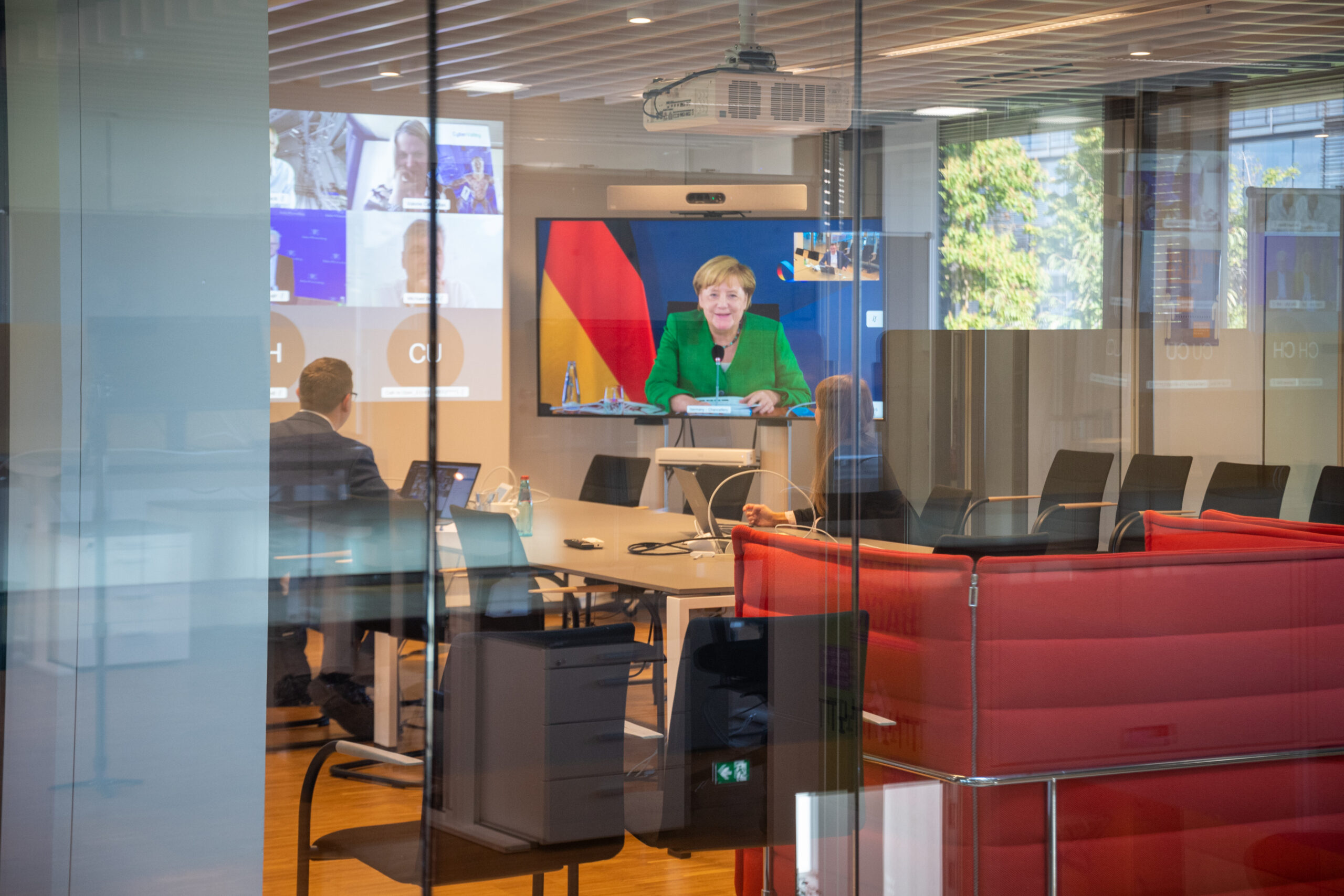
  • Chancellor Angela Merkel and Minister-President Winfried Kretschmann visit Cyber Valley

    Chancellor Angela Merkel and Minister-President Winfried Kretschmann visit Cyber Valley

    The virtual conference was also attended by the Federal Minister of Science Anja Karliczek, Baden-Württemberg’s Minister of Science Theresia Bauer, State Secretary Florian Stegmann, the directors of the Max Planck Institute for Intelligent Systems Bernhard Schölkopf and Michael Black, and the Managing Director of Technology of Robert Bosch GmbH Michael Bolle, among others. In a mixture of film clips and live contributions, the Cyber Valley research consortium presented its evolution since it was founded at the end of 2016, as well as concise examples of its research results. In addition, selected start-ups from the Cyber Valley Start-up Network presented their projects, and Cyber Valley leadership highlighted the initiative’s important for the German economy.

    “AI is one of the most important topics for the future of Germany and Europe. For this reason, we must now find answers to urgent questions and jointly develop solutions. We must use the COVID-19 pandemic to accelerate tangible technological successes. And this is where AI is the ideal tool,” said Kretschmann. The idea of ‘strengthening strengths’ should be the guiding principle, and existing AI hotspots should be developed further. With Cyber Valley, Baden-Württemberg already has one of the largest research consortia in Europe in the field of AI, with partners from science, industry, and society.

    “The state of Baden-Württemberg has so far invested around 180 million euros in Cyber Valley. We would like to further expand this important research cooperation, preferably in close cooperation with the Federal government. With joint funding from the federal, state, and private sectors, a European center for artificial intelligence could be realized that would also be perceived internationally as a relevant player,” Kretschmann said. “The consolidation of the AI competence centers planned by the Federal Government and the establishment of AI application hubs in Germany are important steps in this direction. In Baden-Württemberg, we are clearly focusing on excellence instead of quantity.”

    Bundeskanzlerin Angela Merkel, Cyber Valley

    “We see that many scientists from Europe are still being poached. If we want to help shape AI development from the European continent, we need an attractive and agile environment,” said Minister Theresia Bauer. “The close international networking of top AI research is a central component of this. That is why we now need an impetus in the direction of Europe.”

    “We are delighted that Chancellor Merkel and Prime Minister Kretschmann have visited us,” said Bernhard Schölkopf. “Our virtual working meeting was a good opportunity not only to present the current status of AI research in Cyber Valley, but also to discuss the national and European AI strategy. It is important for us to remain competitive in the future to develop AI that is in line with the values of Europe’s open societies. We are thus very pleased about the interest and support of the German and Baden-Württemberg governments, as we can create research conditions that attract the best minds from Germany and abroad.”

    “It is the primary goal of Cyber Valley to create the jobs of the future – right here in the Stuttgart-Tübingen region, which boasts the highest density of world-class AI researchers in Germany,” said Michael Black. “Furthermore, the Cyber Valley ecosystem with the universities of Stuttgart and Tübingen, as well as the Max-Planck-Institute for Intelligent Systems, provides first-class education to the world’s top young scientists in the broad field of intelligent systems, preparing them for careers in academia and industry. Last but not least, the strong economic infrastructure in Baden-Württemberg provides an ideal breeding ground for AI start-ups.”

  • Cyber Valley launches Investor Network

    Cyber Valley launches Investor Network

    The Cyber Valley initiative has launched the Cyber Valley Investor Network. The Network makes a significant contribution to making Europe’s largest research consortium in the field of artificial intelligence (AI) a breeding ground for successful AI start-ups. The initial five network members are well-known venture capital (VC) firms: Atlantic Labs (Berlin), IT-Farm (Tokyo/Palo Alto), BMW i Ventures (Mountain View/Munich), Grazia Equity (Stuttgart), and Gründermotor (Stuttgart). They are committed to providing mentorship to scientists within the Cyber Valley ecosystem by helping them turn research and business ideas into thriving companies. The VC firms’ guidance will serve as a springboard for future entrepreneurs, creating the AI jobs of the future. For the state of Baden-Württemberg, one of the core Cyber Valley partners, transferring knowledge into successful businesses is a top priority.

    “Cyber Valley has always aimed to bring science and industry together to develop innovative solutions through artificial intelligence,” said Baden-Württemberg’s Science Minister Theresia Bauer. “With the Cyber Valley Investor Network, our start-up scene and its young talent now have even greater support when it comes to commercializing their AI applications. This is where excellent research meets experienced investors: with both sides helping each other, the Cyber Valley ecosystem can reach its full potential. Once again, Cyber Valley has proven that it is not only a hot spot for cutting-edge research, but also an exciting place for forward-thinking investors.”

    The Cyber Valley ecosystem provides optimal conditions for successful start-ups: First, the region boasts the highest density of world-class AI researchers in Germany. Cyber Valley faculty includes more than 50 internationally renowned scientists in the fields of machine learning, computer vision, haptics, and robotics, working at the leading edge of science. Second, the International Max Planck Research School for Intelligent Systems (IMPRS-IS), an interdisciplinary doctoral program, is one of the key elements of the Cyber Valley research consortium. IMPRS-IS provides first-class education to the world’s top young researchers in the broad field of intelligent systems, preparing them for careers in academia and industry. Third, the strong economic infrastructure of the Stuttgart-Tübingen region provides an ideal breeding ground for new ventures.

    “The primary goal of Cyber Valley has always been to create the jobs of the future right here in the Stuttgart-Tübingen region,” said Michael J. Black, Cyber Valley Spokesperson and Director of the Perceiving Systems Department at the Max Planck Institute for Intelligent Systems. “The Investor Network will be a driving force in making this goal a reality. With the launch of the Cyber Valley Start-up Network in 2019, we created a platform for networking and scientific exchange among some the most promising AI companies in the region. With the Investor Network, we are taking the next step: some of the best local and international VC investors are providing our scientists with professional advice. Potential young entrepreneurs need expert guidance to transform an idea into a successful business. And they need financial support to grow.”

    All five initial members of the Cyber Valley Investor Network have extensive experience advising and funding successful start-ups. Like the scientists in the Cyber Valley ecosystem, these VC firms are active on a global scale. Having both local and global investors reflects Cyber Valley’s roots as well as the initiative’s international visibility.

    Venture capital firms support aspiring entrepreneurs with a long-term perspective on sustainable business development. Especially in the early developmental stages of start-ups, the members of the Cyber Valley Investor Network will provide guidance based on their expertise. They will share their knowledge about successfully kickstarting a company at informal and formal gatherings, such as workshops, tutorials and talks.

    “We are very happy to welcome Atlantic Labs, IT-Farm, BMW i Ventures, Grazia Equity and Gründermotor into the Cyber Valley ecosystem. This is just the first step for the Investor Network. We are looking forward to expanding this platform in the future”, said Black.

  • Christoph Keplinger joins the Max Planck Institute for Intelligent Systems as new Director

    Christoph Keplinger joins the Max Planck Institute for Intelligent Systems as new Director

    Stuttgart – The Max Planck Society has appointed Christoph Keplinger as a director at the Stuttgart location of the Max Planck Institute for Intelligent Systems (MPI-IS). He will lead the newly established “Robotic Materials” department to pursue research on soft robotics, functional polymers and energy capture – three interrelated areas that are critical to robotic materials, a new class of material systems that tightly integrate actuation, sensing and even computation to provide physical building blocks for the intelligent systems of the future. Keplinger joins MPI-IS from the University of Colorado Boulder in the US, where he was an Assistant Professor of Mechanical Engineering and a Fellow of the Materials Science and Engineering Program, and where he held an endowed appointment serving as Mollenkopf Faculty Fellow. He earned his Ph.D. (Dr. techn.) in physics from the Johannes Kepler University Linz in Austria, and he did his postdoctoral research at Harvard University in the US. Outside academia, he co-founded the start-up Artimus Robotics in 2018 and currently serves as its Chief Scientist.

    In parallel to receiving his offer to join the Max Planck Society as a director, Dr. Keplinger was also selected for a 2021 Alexander von Humboldt Professorship at TU Dresden. He declined this prestigious appointment during the negotiations process in order to focus on his activities at MPI-IS.

    “I feel honored that the Max Planck Society puts its trust in me,” says Dr. Keplinger. “I am thrilled about the prospect of true academic freedom, curiosity-driven research and the generous amount of long-term funding that comes with being a director at a Max Planck Institute. Clearly, this is a once-in-a-lifetime professional opportunity that will enable me to pursue a bold scientific agenda and to produce a higher level of creative research output than in any other institution that I am aware of. Here, I will be able to establish a large, world-leading research group in the field of robotic materials that can simultaneously address questions in the underlying materials science using tools from physics or chemistry, with lots of opportunities to collaborate with other groups on the Stuttgart campus, as well as work on new designs of robots that are based on intelligent materials systems, and that can tap into the rapidly growing toolkit from the areas of learning and perception, emerging from the Tübingen campus. Thus, my team and I can go from inventing new materials to testing these in complex robotic systems that make use of the latest discoveries in machine learning in an extremely short period of time, thereby creating a cutting-edge research ecosystem that will rapidly advance the state of the art.”

    “I truly couldn’t be happier about the fact that Christoph Keplinger has joined our Board of Directors,” says Katherine J. Kuchenbecker, who heads the Haptic Intelligence Department and is currently Managing Director of MPI-IS. “Christoph started his first faculty position only five years ago but shows remarkable maturity as a scientist, a mentor, and a leader. I can’t wait to see the fundamental insights and clever innovations that he and his team create here in Stuttgart in the coming decades.”

    “Prof. Keplinger is a remarkably creative and well-rounded scientist and a demonstrated leader in the robotic materials field,” says Metin Sitti, who heads the Physical Intelligence Department at the MPI-IS. “He has achieved international distinction and a reputation for scholarly excellence already very early in his independent career, with multiple highly influential publications in key areas of robotics and materials science that are critical for the future of intelligent systems.”

    Challenging the status quo of how we build robots

    Robots today rely on rigid components and electric motors based on metal and magnets, making them heavy, unsafe near humans, expensive and ill-suited for unpredictable environments. Nature, in contrast, makes extensive use of soft materials, such as muscle and skin, and has produced organisms that drastically outperform robots in terms of agility, dexterity, and adaptability. Christoph Keplinger’s research aims to fundamentally challenge current limitations of robotic hardware, using an interdisciplinary approach that synergizes concepts from soft matter physics and chemistry with advanced engineering technologies to introduce robotic materials that enable creation of intelligent machines that mimic the astonishing capabilities of organisms in nature.

    The Robotic Materials Department at the Max Planck Institute for Intelligent Systems in Stuttgart, Germany.

    For Keplinger’s first research focus of soft robotics, one central theme of research is the development of new classes of actuators – a key component of all robotic systems – that replicate the sweeping success of biological muscle, a masterpiece of evolution featuring astonishing all-around actuation performance, the ability to self-heal after damage, and seamless integration with distributed sensing. Areas of application for soft robotics will span from industrial automation, over medical and wearable robotics all the way to new types of human-machine interfaces. A second theme of research is functional polymers with unusual combinations of properties, such as electrical conductivity paired with stretchability, transparency, biocompatibility and the ability to self-heal from mechanical and electrical damage – key features for future biologically inspired robotic systems. A third theme of research is the discovery of new energy capture principles that can provide power to intelligent autonomous systems, as well as – on larger scales – enable sustainable solutions for the use of waste heat from industrial processes or the use of untapped sources of renewable energy, such as ocean waves.

    “Looking at my future career here in Stuttgart, my long-term goal is to continuously push boundaries and explore new frontiers, and in particular, to completely transform the capabilities of humanity to build complex intelligent machines that rival or exceed the capabilities of organisms found in nature. I personally draw a lot of energy and excitement from envisioning the practical applications that will be triggered by the creation of new knowledge in my lab. In particular, my research program has impact on multiple areas that are directly tied to human quality of life, including aging, where wearable soft robotic devices will allow older people to maintain mobility and autonomy for longer parts of their lives, and also health, where my research will have applications in medical robotics. Our research will also make it possible to automate household chores and enable the creation of household robots based on inexpensive and adaptive robotic materials. Another important aspect we will work on is the development of intelligent material systems for use in energy, where new energy-capture principles will enable the economically viable use of untapped sources of renewable energy.
    I am mentioning the exciting practical applications that will be enabled by my research because I am fully aware of the responsibility that comes with having control over a large amount of public funding. As a research leader, I will continuously strive to give back to society by creating knowledge, by stimulating prosperity through innovation and creation of startup companies, by inspiring and mentoring the next generation of emerging research leaders, and by engaging the public into the celebration of scientific progress through outreach activities. I hope that many young people from many different backgrounds will join me and my team on this exciting journey and help shape the future of robotics by introducing new concepts inspired by nature.”

    With the focus on robotics materials, Christoph Keplinger perfectly complements and extends the spectrum of research at MPI-IS. With campuses in Tübingen and Stuttgart, MPI-IS combines theory, software, and hardware expertise in a single interdisciplinary center. The Stuttgart site in particular concentrates on research on physically intelligent systems such as humans, robots, and animals. The “Haptic Intelligence” department led by Katherine J. Kuchenbecker deals with robot and human interaction through the sense of touch. The “Physical Intelligence” department led by Metin Sitti aims to understand the principles of design, locomotion, control, perception, and learning of small-scale mobile robots made of smart and soft materials. These two existing departments in Stuttgart are complemented by research groups that focus on biomechanics and neurocontrol of legged robots; the interaction of optical, electric, and magnetic fields with matter at small length scales; and on research at the intersection of biology and robotics, exploring the behavioral and morphological adaptations of natural systems to achieve robust locomotion.

    The Stuttgart area is a great fit for Christoph Keplinger to advance his career. Several research centers at the University of Stuttgart and the two Fraunhofer Institutes IPA and IAO are in close proximity to the Stuttgart site of MPI-IS. These academic institutions are surrounded by several of the world’s top industry players, creating Europe’s largest ecosystem in the field of artificial intelligence (AI): Cyber Valley, founded in 2016, with partners from politics, science, business and society. This partnership strengthens research and teaching in the fields of machine learning, computer vision and robotics as well as the links between these fields. “Yes, that’s one thing I would like to help strengthen: Cyber Valley’s efforts in robotics. There is already a strong focus on computer science and AI, and I would like to significantly expand and strengthen the area of material science and robotics. I will continuously strive to promote the close integration of basic research and the development of new applications,” Keplinger says.

    About

    Christoph Keplinger is Austrian and 36 years old. Before joining the Max Planck Society as a director at the Max Planck Institute for Intelligent Systems (MPI-IS), he was an Assistant Professor of Mechanical Engineering and a Fellow of the Materials Science and Engineering Program at the University of Colorado Boulder in the US, where he also held an endowed appointment serving as Mollenkopf Faculty Fellow. Before joining CU Boulder, he did his postdoctoral research in mechanics and chemistry at Harvard University in the US, and he earned his Ph.D. in physics from the Johannes Kepler University Linz in Austria. His research has been published in top journals including Science, Science Robotics, PNAS, Advanced Materials and Nature Chemistry, as well as highlighted in popular outlets such as National Geographic and on TED.com.

    In November 2018, he co-founded Artimus Robotics, a spin-out commercializing the HASEL artificial muscle technology invented in the Keplinger Research Group at CU Boulder. He has served as Chief Scientist of Artimus since its founding.

    Dr. Keplinger has already won many awards for his outstanding research. In 2019, he received the Young Scientist Award at the International Conference on Active Materials and Soft Mechatronics, AMSM, for “very significant contributions to the field of soft sensors, actuators, and robotics”. In 2017, he received the Packard Fellowship for Science and Engineering, one of the most prestigious awards given to early-career scientists; this award provides funding over 5 years “to think big and look at complex issues with a fresh perspective”. In 2013, he received the EAPromising European Researcher Award from the European Scientific Network for Artificial Muscles, and in 2012, he received both the Loschmidt Award from the Chemical-Physical Society of Austria as well as the Erwin Wenzl Award for his outstanding dissertation; in 2011 he received the Award of Excellence from the Austrian Federal Ministry for Science and Research.