News Category: Press Release

  • From picking up a cube to writing with a pen – learning dexterous manipulation skills on real-world robotic systems

    From picking up a cube to writing with a pen – learning dexterous manipulation skills on real-world robotic systems

    Tübingen – On August 3, the Max Planck Institute for Intelligent Systems (MPI-IS) in Tübingen, Germany, will launch the first global real-world robotics manipulation challenge in the cloud. The robotics challenge aims to democratize research by giving researchers around the globe access to advanced robotic systems. Until now, this access has generally been limited to top academic and industrial labs in the US, Europe, and Japan.


    “We hope that this competition will lead to a more inclusive robotic learning community, foster exchange across academic and industry labs, and spark cooperation,” says Stefan Bauer, a research group leader in the Empirical Inference Department at the MPI-IS. “But we also want to create a benchmark to know what algorithm works best. We can collect much more data than what is possible in individual labs, as we have standardized tasks on a standardized platform.” Manuel Wüthrich, who is also part of the challenge’s organizing team, adds: “Since the robotic systems run around the clock, they generate enough data to actually use deep learning.”


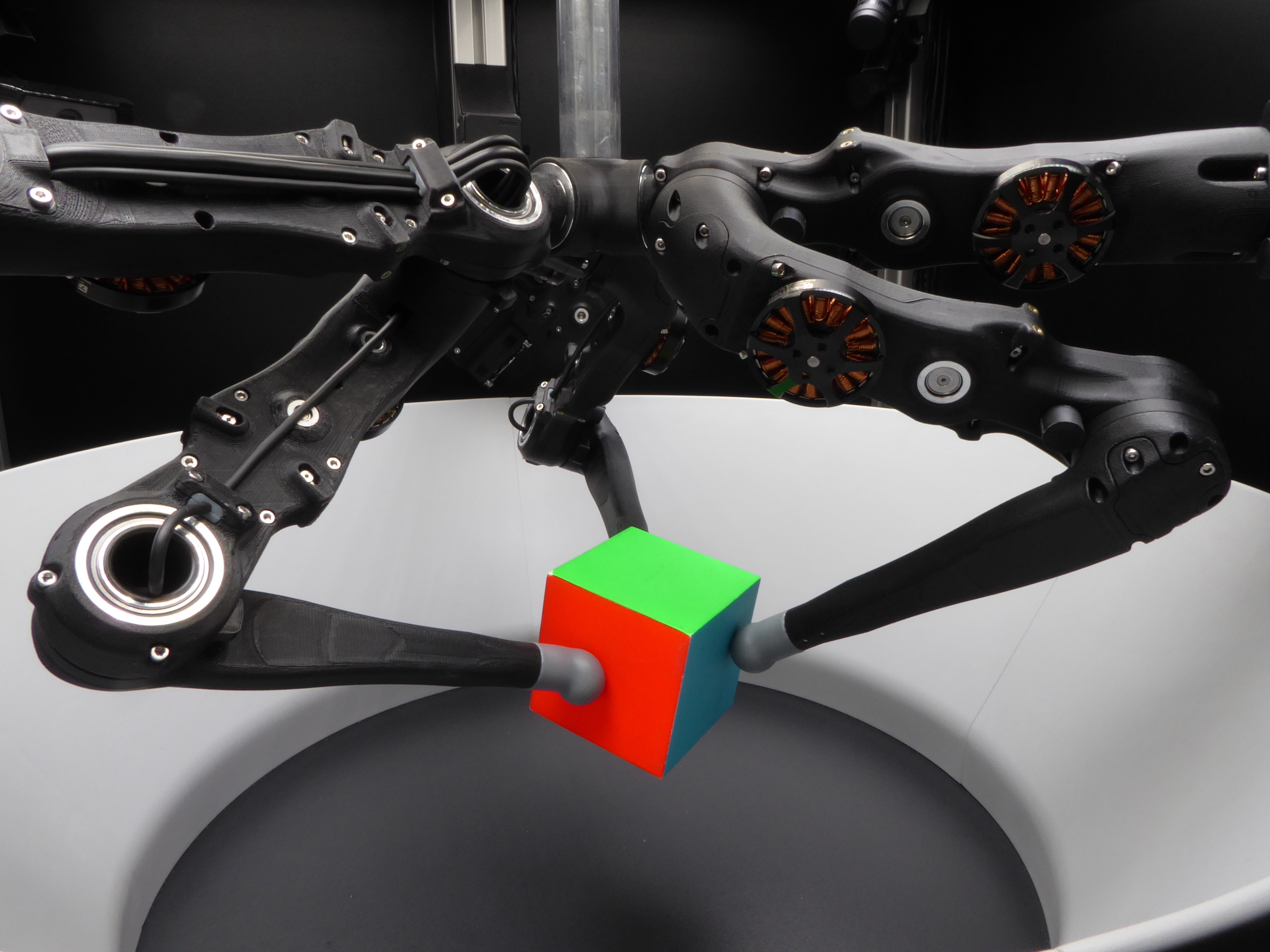
    The robotic platform resembles a hand with three fingers. It is surrounded by three cameras that provide images to measure the results. Several identical robotic platforms have been set up around the robotic lab at the MPI-IS in Tübingen to run the learning algorithms the participating teams submit. Participants can execute their algorithms remotely thanks to a convenient and simple interface. Each team will have a budget of more than 100 real robot hours on one of the high-performing robotic platforms, without any restrictions on the algorithms they execute.


    The challenge comprises three stages. First, participants familiarize themselves with the overall setup and aim to solve a task in a physical simulator. Next, they solve simple real-world tasks: specifically, they are required to train the robot to pick up an object and perform in-hand manipulation with a cube. In the final stage, the robot has to pick up a pen and write a short phrase like “I won!”.


    To achieve these tasks, participants need to design advanced control or reinforcement learning algorithms. “We want to see the extent to which the teams are able to tune their algorithms to fulfill these very difficult tasks. Using a learning-based algorithm for writing with a pen can probably be considered a breakthrough in robotic manipulation,” says Wüthrich.


    “For the first time, we can benchmark all these algorithms on real robots, making them comparable,” says Bauer. “Before, this kind of benchmarking was done mainly in simulation. There is no noise or friction, and contacts are simplified, which makes very impressive results in simulation possible. However, these insights do not typically translate to real robots, in particular for tasks that involve contact and complex interactions with the environment.” Wüthrich adds: “Now, a relatively large number of people who previously didn’t have access to such an advanced robotic platform are able to participate. While some top-notch universities may have extraordinarily good and advanced robots, for most researchers, it is very difficult to gain access to real robotic systems. It is very costly in terms of time and money. Our goal is thus to give a greater number of people  access and an opportunity  to achieve impressive manipulation results.”


    The Real Robotic Challenge will run for 16 weeks. Ultimately, it will help advance the state of the art in dexterous manipulation, which has myriad applications. These include, for instance, construction, cleaning, patient and elder care, agriculture, and product assembly.


    Twitter: @robo_challenge #RoboChallenge

    https://real-robot-challenge.com/
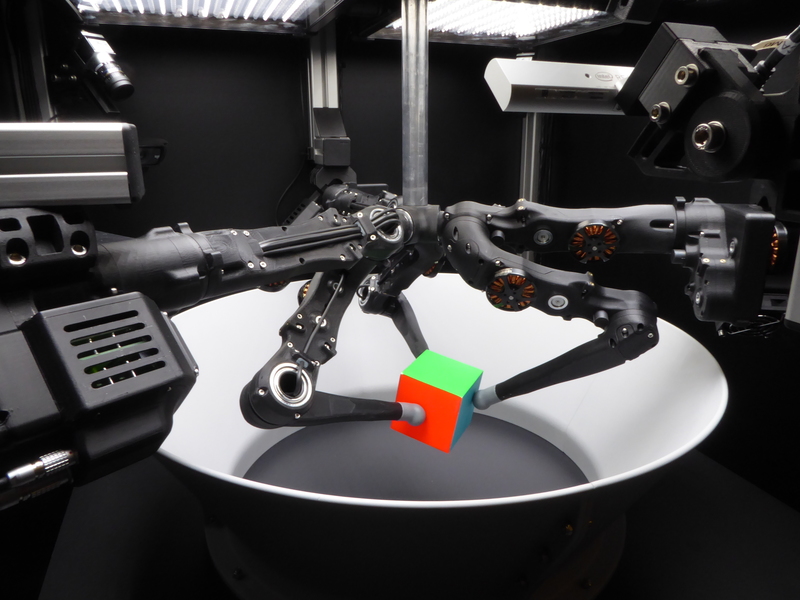
    The robot hand lifts an object and twists it around.
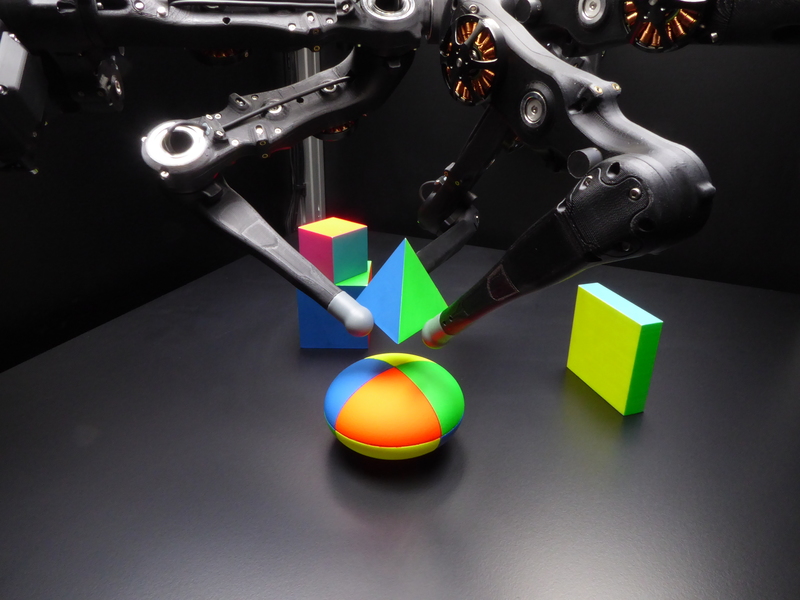
    Several objects make this task more difficult.
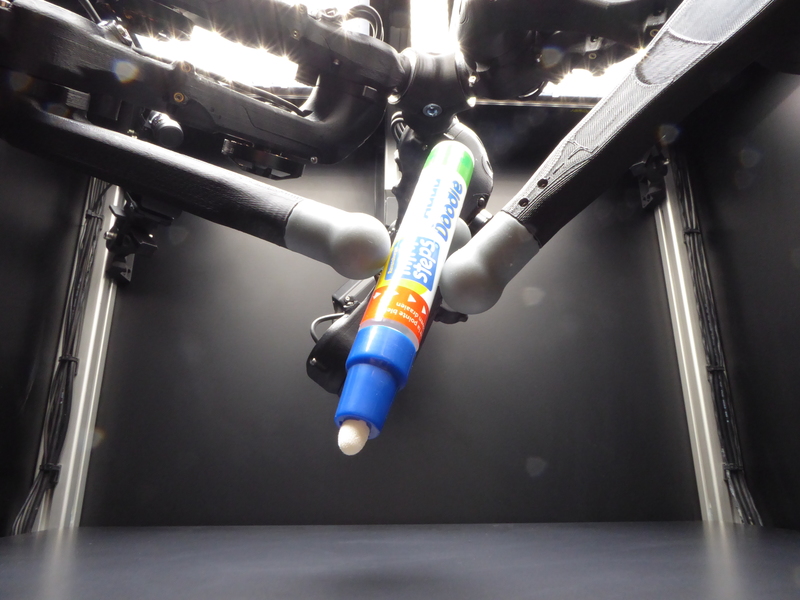
    Grabbing a pen is one thing….
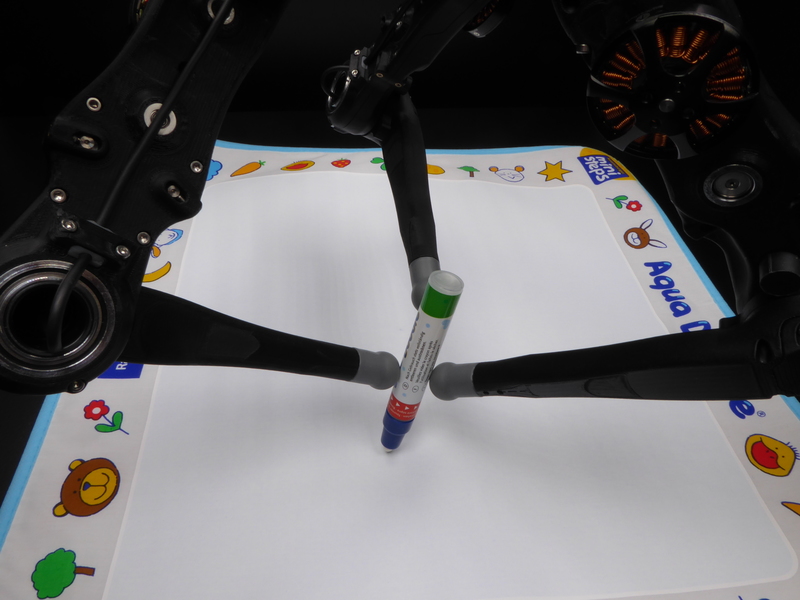
    ….but actually writing with it quite another.
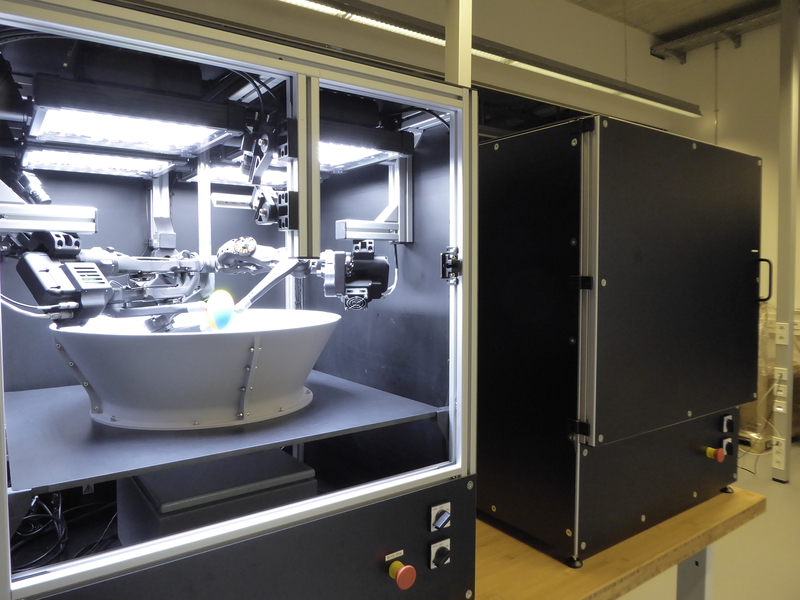
    Several completely identical setups are waiting for algorithms to run on them.

  • IMPRS-IS sends a new generation of young scientists into the world

    IMPRS-IS sends a new generation of young scientists into the world

    Tübingen/Stuttgart – Just three years after this interdisciplinary Ph.D. program was launched, the International Max Planck Research School for Intelligent Systems (IMPRS-IS) is seeing six of its doctoral students graduate. Ingrid Blaschzyk, Siyavash Haghiri, Steve Heim, Matthias Kümmerer, Brahyam Ponto, and Alonso Marco Valle will be honored at a ceremony following the Max Planck Institute for Intelligent Systems Summer Colloquium on Friday, July 24.

    IMPRS-IS is a key element of the Cyber Valley research consortium. The interdisciplinary doctoral program focuses on providing first-class education to the world’s top young researchers in the broad field of intelligent systems. The graduates’ research projects spanned a variety of topics in computer vision, robotics, and machine learning.

    “These first six IMPRS-IS graduates have backgrounds ranging from mathematics and computer science to physics and engineering. The sheer breadth of their research clearly demonstrates the potential impact of intelligent systems on society. Whether they choose to continue working toward an academic career, make the jump to industry, or start their own companies, we look forward to seeing how these young scientists influence the future,”  says Katherine J. Kuchenbecker, spokesperson of the IMPRS-IS, a faculty member in the school, and Director of the Haptic Intelligence Department at the Max Planck Institute for Intelligent Systems.

    “I really enjoyed supporting this future generation of scientists and helping shape their career. We are proud of what they have become and wish them all the best for the future,” says Leila Masri, the IMPRS-IS coordinator.

    The graduate school brings together the Max Planck Institute for Intelligent Systems (MPI-IS), the University of Tübingen, and the University of Stuttgart. In total, the program counts 56 internationally renowned faculty and associated faculty working at the leading edge of science. Their research fields cover all three of the key areas of intelligent systems, which are commonly described as perception, action, and learning. The approach of offering research opportunities at three nearby institutions has been extremely well received, with doctoral students praising the ease of interaction among scientists from different disciplines.

    “I really enjoyed meeting other scholars from different fields of research and seeing what they work on. I came out of my mathematics and stochastic bubble to meet mechanical engineers and roboticists. It was great to interact with scientists in many different disciplines,” says Blaschzyk, whose research project focused on statistically analyzing localized support vector machines (SVMs).

    The school unites existing strengths and builds bridges between the three participating institutions. “Before joining IMPRS-IS, I was always a bit disappointed that there is so much interesting AI research going on in Tübingen and Stuttgart, however in so many different institutes and departments that it was very hard to know what research is actually done where and to get in contact with other researchers formally and informally. To me, IMPRS-IS was exactly the central point of contact I was looking for,” says Kümmerer.

    Since it was launched in July 2017, IMPRS-IS has gained high visibility within the scientific community. To date, over 2,000 aspiring researchers from around the globe have applied for a spot in the school through its annual recruitment effort; the next application deadline is November 2, 2020. 160 students are currently pursuing their doctorates within IMPRS-IS. This total far exceeds the school’s initial vision of recruiting 100 Ph.D. scholars over the course of its initial six-year grant. At present, IMPRS-IS is one of the largest doctoral programs of the 65 within the Max Planck Society (MPG).

    Apart from the initial grant from the Max Planck Society to MPI-IS, IMPRS-IS also receives significant funding from the state of Baden-Württemberg for doctoral education at the Universities of Tübingen and Stuttgart. The scholars are selected in a highly competitive multi-stage process, with an acceptance rate of between five and eight percent. Depending on their background and interests, each scholar has the option of earning their doctoral degree from either the University of Tübingen or the University of Stuttgart. 

    Hagihiri aptly summarizes the school’s draw, saying “I joined IMPRS-IS because of its excellent academic reputation, the world-renowned faculty and fantastic executive team. And I enjoyed the many opportunities to collaborate with others, and to learn a lot in the bootcamps and workshops.”

  • Sebastian Trimpe appointed full professor at RWTH Aachen University

    Sebastian Trimpe appointed full professor at RWTH Aachen University

    Stuttgart – Sebastian Trimpe, head of the Cyber Valley Intelligent Control Systems research group at the Max Planck Institute for Intelligent Systems (MPI-IS) in Stuttgart, recently took on a full professorship (W3) at RWTH Aachen University, the largest technical university in Germany. He is now Professor for Data Science in Mechanical Engineering and has begun building the corresponding institute, which he also heads. Over the course of the next year, Trimpe will transition his research group in Stuttgart, where he will keep a co-affiliation.

    “Leading my Cyber Valley research group has been an exciting chapter in my career. I have enjoyed working closely with everyone within the ecosystem since I joined MPI-IS in 2013. I am grateful for the opportunities I have had at the institute, and especially for all the great colleagues and collaborators,” says Trimpe.  

    “Sebastian’s academic success is exactly what we hope for from Cyber Valley,” says Michael J. Black, Director of the Perceiving Systems Department at the Max Planck Institute for Intelligent Systems and Spokesperson of the Cyber Valley research consortium. “The independent group leader positions and the world-class Cyber Valley research ecosystem give young scientists the opportunity to establish their careers at the very top of their field.  Training and supporting the next generation of scientific leaders is our core mission.  Whether they go on to academic jobs, industry positions, or start their own companies, this strengthens Germany’s position on the global AI playing field.”
     

    Cyber Valley is Europe’s largest research consortium in the field of artificial intelligence (AI) with partners from politics, science, industry, and society. The partnership strengthens research and teaching in the fields of machine learning, computer vision, and robotics as well as the links between these scientific fields. Partners are the Max Planck Institute for Intelligent Systems, the University of Stuttgart, the University of Tübingen, the Fraunhofer Gesellschaft, the State of Baden-Württemberg and seven industrial partners.


    Trimpe and his team investigate what he refers to as “machine learning for machines”: the fundamental question of how a machine is able to learn from data reliably, safely, and efficiently within certain limits. More specifically, his research focuses on understanding the basic principles that enable artificially intelligent systems such as robots and autonomous vehicles to act and learn autonomously in the physical world. To develop self-learning systems for the physical world, Trimpe joins classical methods of system and control theory with machine learning, for example, when devising algorithms that combine physical knowledge of the world with experimental data.

    Learning and decision algorithms are essential for the functioning of the cycle of perception-action-learning, which is also known as the feedback control loop. In simple terms, these algorithms are the “brain” of a technical system, and they are at the core of Trimpe’s research. Using sensor data, the machine perceives its own state and its environment. Based on this data, a decision algorithm decides what should happen next, and the machine then uses motors and other actuators to take action and achieve a desired goal. This cycle takes place continuously and often many times per second. For example, a car can automatically maintain the distance to the vehicle in front of it, an air conditioning system is capable of guaranteeing a certain temperature, and a robot in Trimpe’s laboratory can balance a rod on its own. An important research question is how such machines can learn from experience and interaction with the world in order to enhance their capabilities or improve their performance.

    Trimpe also looks at communication between several intelligent systems that want to perform a task together, such as groups of robots. Today, this is often done via wireless networks. When machines are constantly communicating with one another, however, the network is quickly overloaded and important data cannot be transmitted. To solve this problem, Trimpe is developing intelligent procedures that allow each subsystem to communicate only when it has something relevant to say. This makes it possible for many systems to act in concert or learn from each other without using more resources than necessary.

    Since Trimpe’s research is based on basic mathematical problem descriptions and their solutions, the results are generally valid and could potentially be applied to many different systems in the future. His team has validated theoretical results in laboratory experiments with humanoid robots and wirelessly networked mechatronic systems. In joint projects with the Cyber Valley partners Bosch and IAV, some of the algorithms have successfully been applied in industry. For example, the same algorithm used by the robot Apollo to learn how to balance a rod was also used to learn how to control a throttle valve in the automotive industry (collaboration with IAV).

  • IAV Develops Intelligent Early Detection System for Corona

    IAV Develops Intelligent Early Detection System for Corona

    Dr. Matthias Pätsch, responsible for business development in the water sectoir at IAV: “It can easily take several weeks between the moment when someone becomes infected with the novel coronavirus, the occurrence of first symptoms, taking a swab, obtaining the test results and notifying the responsible authorities. In this time, the virus can continue to spread unnoticed. On the other hand, the pathogen RNA (ribonucleic acid) can be detected immediately in wastewater. If we collate and evaluate the data from wastewater tests with public test and infection data in an integrated way, infection waves can be detected earlier and localized with greater precision than was the case up to now.”

    IAV’s concept for an early detection system is based on two developments: a tried-and-tested intelligent, cloud-based IoT platform for data synthesis and evaluation, and an AI method for intelligent positioning of devices in the sewerage system for automatic sampling (known as samplers).

    In this project, IAV is cooperating with Berlin University of Technology (Department of Urban Water Management) and ORI Abwassertechnik GmbH, a leading manufacturer of automated samplers with remote data transfer for sewerage systems. Berlin University of Technology is responsible for taking and analyzing the samples, while ORI GmbH supplies the samplers and measuring equipment. IAV in turn provides the IT environment with responsibility for data analysis and evaluation, connecting the different dimensions of the whole project.

    Matthias Kratzsch, President and CTO at IAV: “This is an outstanding example of how we at IAV transfer data management and AI know-how from automotive engineering to new areas of application, working at further development with excellent partners at our side, thus making a contribution to value creation.”

    In strict compliance with the statutory data protection regulations, IAV’s IoT platform encompasses publicly available health data from the authorities and other public institutions together with the data from the interconnected samplers, with real-time evaluation of the data. The results are depicted on an individually scalable, topographic map.

    To identify where the samplers should be positioned in the sewerage system, IAV examines and tests the use of artificial intelligence based on what’s known as a Bayesian network. Working with initial samples taken in the sewage works and in the sewerage system together with historical data about how infections have spread in the past as well as data about sources of infection from human tests, it is possible to calculate the probability of positive samples at a certain point in the sewerage system. The aim then is to take more samples in the sewerage system with its thousands of intake and discharge points, at exactly those nodes that promise a high hit rate, which means that they are particularly meaningful for localizing an infection outbreak.

    Here is a highly simplified example: the pathogen RNA is found in a wastewater sample taken from one of Berlin’s sewage works. That means there must be a positive case in the connected wastewater network. In the next step, the samplers are positioned at the main wastewater collectors of the neighborhood or district with the statistically greatest probability for a hit, possibly because a large number of cases had been registered here during a first wave of infection. If the pathogen RNA is found in the sample that is now taken, the source of infection is narrowed down by taking further samples at points selected by AI in the affected neighborhood/district, reducing the focus, if possible, to a specific quarter or apartment block. If there are no positive findings, the corresponding district is excluded and the resources can then be focused on another district.

    Dr. Matthias Pätsch explains: “Besides identifying the virus RNA, the main challenge is to decide where it makes sense to look for the RNA. A sewerage network has thousands of branches, each with constantly varying flow rates. The AI-based method produces meaningful results much faster, thus saving valuable time in detecting and localizing a new source of infection.”

    The early detection system concept is currently in the implementation phase. The next step towards commercial application consists in putting the concept to the test in a pilot project with a town or county.

    About IAV:

    IAV with its more than 8,000 employees is one of the world’s leading engineering partners to the automotive industry. The company has been developing innovative concepts and technologies for future vehicles for more than 35 years, generating turnover of over € 1 billion in 2019. The client base includes all renowned automotive manufacturers and suppliers. Besides vehicle and powertrain development, IAV has been involved in electromobility and autonomous driving from an early stage and is today one of the leading engineering providers in these fields. Together with the Development Centers in Berlin, Gifhorn and Chemnitz/Stollberg, IAV also has other sites in Munich, Sindelfingen and Ingolstadt, in Europe, Asia and also North and South America.

  • Swimming robot gives valuable insights into locomotion of fish

    Swimming robot gives valuable insights into locomotion of fish

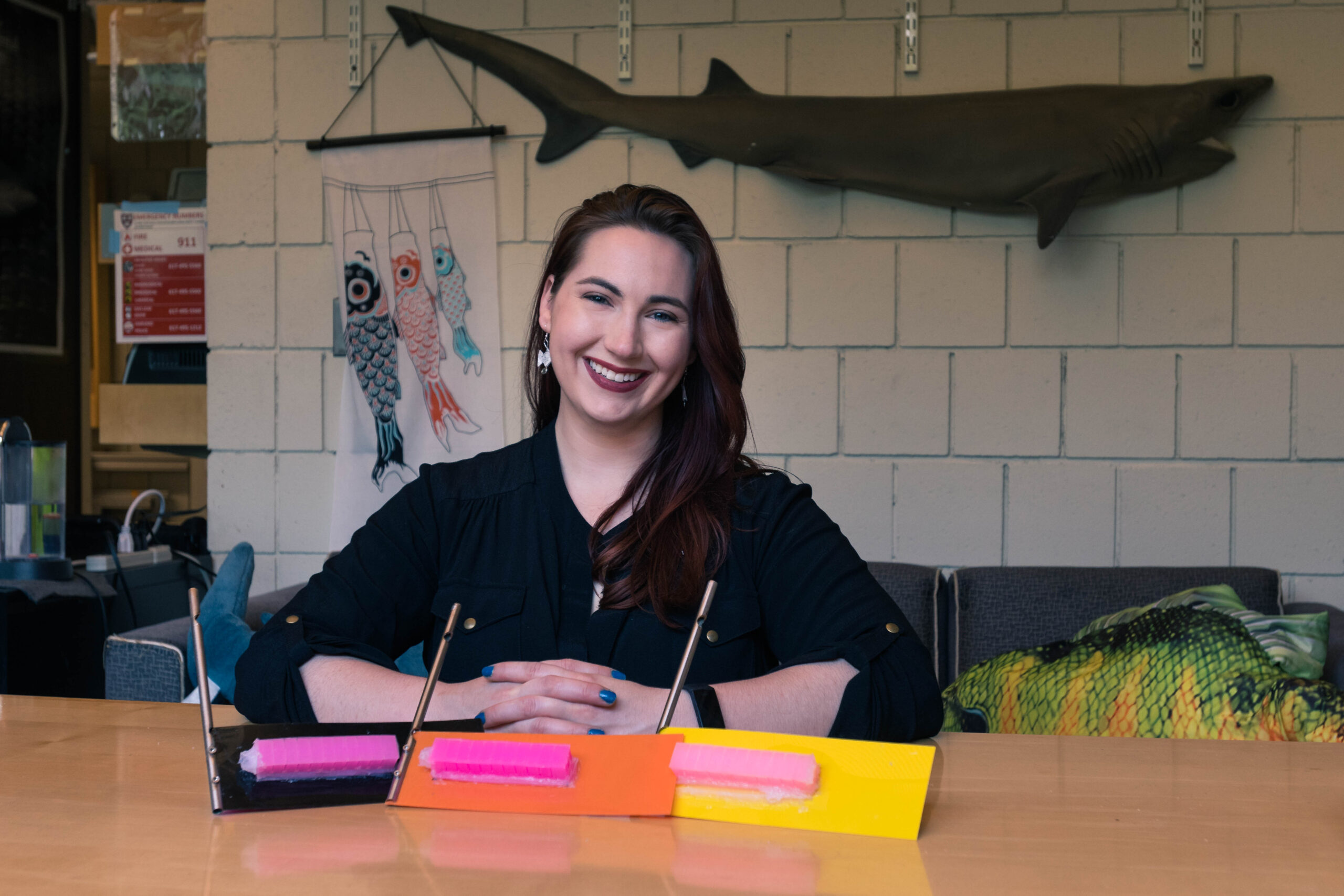
    Scientists at the Max Planck Institute for Intelligent Systems who are part of the Cyber Valley research consortium together with researchers from Harvard University developed a swimming soft robot and studied its wave-like forward propulsion under water. The soft robophysical model serves as a ‘model animal’ aiming to decipher the complex locomotion behaviors observed in the natural world. The scientists extract the design principles and locomotion capabilities to build better robots, but most importantly to gain valuable knowledge about the morphological intelligence of animals. Their paper “Fish-like aquatic propulsion studied using a pneumatically-actuated soft-robotic model” was published in the journal Bioinspiration & Biomimetics on June 9, 2020.

    When a fish swims in water, electrical impulses travel in waves through its muscles. From head to tail, the animal bends back and forth, creating a forward thrust during locomotion. The researchers investigated how different parameters affect the swimming movement. They wanted to find out what influence it has to swimming whether a fish body is stiff or floppy, by measuring how fast the body swings from right to left to propel the system. In real living fishes, such parameters are difficult to isolate and measure individually – hence the team around lead author Zane Wolf built a fish robot.

    The team developed a pneumatically actuated, fish-like model made of soft silicone and used it to investigate the thrust forces triggered by different parameters and how they influence each other. They measured the forward thrust as well as the side forces and torques generated during swimming using a statistical linear model.

    “We found that both stiffness and frequency substantially affect swimming kinematics, and that there are complex interactive effects of these two parameters on thrust,” says Ardian Jusufi, who is head of the Cyber Valley independent research group “Locomotion in Biorobotic & Somatic Systems” at the MPI-IS and who contributed to this paper. “The stiffer the backbone of our fish-like robot, the more important is an increasing frequency to generate thrust.” For stiffer biorobotic models, increasing frequency resulted in higher values for both thrust and lateral forces, he adds. However, large lateral forces in turn reduced the swimming efficiency. Jusufi and colleagues were able to mitigate this effect by smaller wave movements and by appropriately phasing the left and right body movements, reduced the amplitudes of the lateral force.

    “This research cooperation aims at understanding the musculoskeletal system of animals, which is our priority,” Jusufi says. “As we observe the unique maneuvers and strategies utilized by animals, our goal is also to decipher their morphological intelligence with robophysical modelling. Robotics-inspired biology can help us to better understand the spectacular and graceful movement observed in natural systems, drawing conclusions as to why evolution produced a certain solution.” It is a learning cycle where biology helps design better robot locomotion and the robot opens up insights into biology that would not be possible otherwise. In the end, researchers like Jusufi gain a deeper understanding of both. In this spirit, Jusufi’s lab has also advocated for the greater utilization of soft robotics (incl. soft sensors [1]) to uncover neuromechanical insights in a forthcoming publication in Wiley Advanced Intelligent Systems [2].


    Relevant sources:
    [1] Wearable and Stretchable Strain Sensors: Materials, Sensing Mechanisms, and Applications. Souri, Banerjee, Jusufi, Radacsi, Stokes, Park, Sitti, Amjadi. Advanced Intelligent Systems. 2020 (2). DOI: 10.1002/aisy.202000039. https://onlinelibrary.wiley.com/doi/10.1002/aisy.202000039

    [2] Soft Sensors for Curvature Estimation under Water in a Soft Robotic Fish. Wright, Vogt, Wood, and Jusufi. IEEE International Conference on Soft Robotics 2019. https://ieeexplore.ieee.org/document/8722806

    Contact information of cooperation team members:

    Zane Wolf
    Organismic and Evolutionary Biology
    Harvard University, Cambridge, USA
    Email: zwolf.mlxvi@gmail.com

    Dr. Ardian Jusufi
    Locomotion in Biorobotic & Somatic Systems
    Max Planck Institute for Intelligent Systems, Stuttgart, Germany
    Email: ardian@is.mpg.de    

    Daniel Vogt
    Harvard Microrobotics Lab and Wyss Institute
    Harvard University, Cambridge, USA
    Email: daniel.vogt@wyss.harvard.edu

    Prof. George Lauder
    Museum of Comparative Zoology
    Harvard University, Cambridge, USA
    Email: glauder@oeb.harvard.edu

    Editor's note: This news article was updated on June 12, 2020. An earlier version did not include the photo of lead author Zane Wolf.

  • Cyber Valley partner institutions shine once again at leading international conferences

    Cyber Valley partner institutions shine once again at leading international conferences

    In the coming weeks, the Cyber Valley research consortium will make a strong showing on the global stage once again: scientists from the Max Planck Institute for Intelligent Systems (MPI-IS), the University of Tübingen, and the Bosch Center for Artificial Intelligence (BCAI) will be well represented at the upcoming International Conference on Machine Learning (ICML) and Conference on Computer Vision and Pattern Recognition (CVPR), two of the leading conferences in global artificial intelligence (AI) research. As a result of the COVID-19 pandemic, both conferences are being held virtually this year. CVPR is set to run from June 14-19, and ICML will follow from July 12-18.

    With a total of 27 papers accepted at both conferences – 15 at CVPR and 12 at ICML – the initiative has once again demonstrated that southwestern Germany is a European hotspot for research in the fields of machine learning, computer vision, and robotics.

    “Just like last year, our success at these two highly competitive conferences shows that Cyber Valley researchers are among the world’s very best,” says Michael Black, Speaker of the Cyber Valley Executive Board and Director at the Max Planck Institute for Intelligent Systems, where he heads the Perceiving Systems department. In recent years, submissions to both conferences have exploded, reflecting rapid growth in the field of AI. In 2020, ICML received 4,090 papers, around 600 more than the previous year. The increase in submissions at CVPR was even more dramatic: this year, 6,656 papers were submitted, compared with 5,165 in 2019. For 2020, acceptance rates for the two conferences stood at around 22 percent.

    Several of the papers from Cyber Valley institutions accepted at ICML and CVPR are the product of joint research between the University of Tübingen and MPI-IS or BCAI. “The Cyber Valley initiative has created a campus-like environment that provides researchers at the partner institutions with the infrastructure they need to collaborate and learn from each other. Our consistent success at international conferences shows that this approach pays off,” says Philipp Hennig, Professor for the Methods of Machine Learning at the University of Tübingen and Deputy Speaker of the Cyber Valley Executive Board.

    Since the Cyber Valley consortium was founded at the end of 2016, it has grown into a dynamic ecosystem in the Stuttgart/Tübingen region, with newly established professorships, research groups, industry research labs, doctoral programs, and Germany’s first international master’s program in machine learning. The initiative has attracted a growing number of talented young people from around the world, and has quickly built an international reputation as a top research location in the field of modern AI.

    A full list of papers and authors is available here.

  • Cyber Valley welcomes five new members to its Start-Up Network

    Cyber Valley welcomes five new members to its Start-Up Network

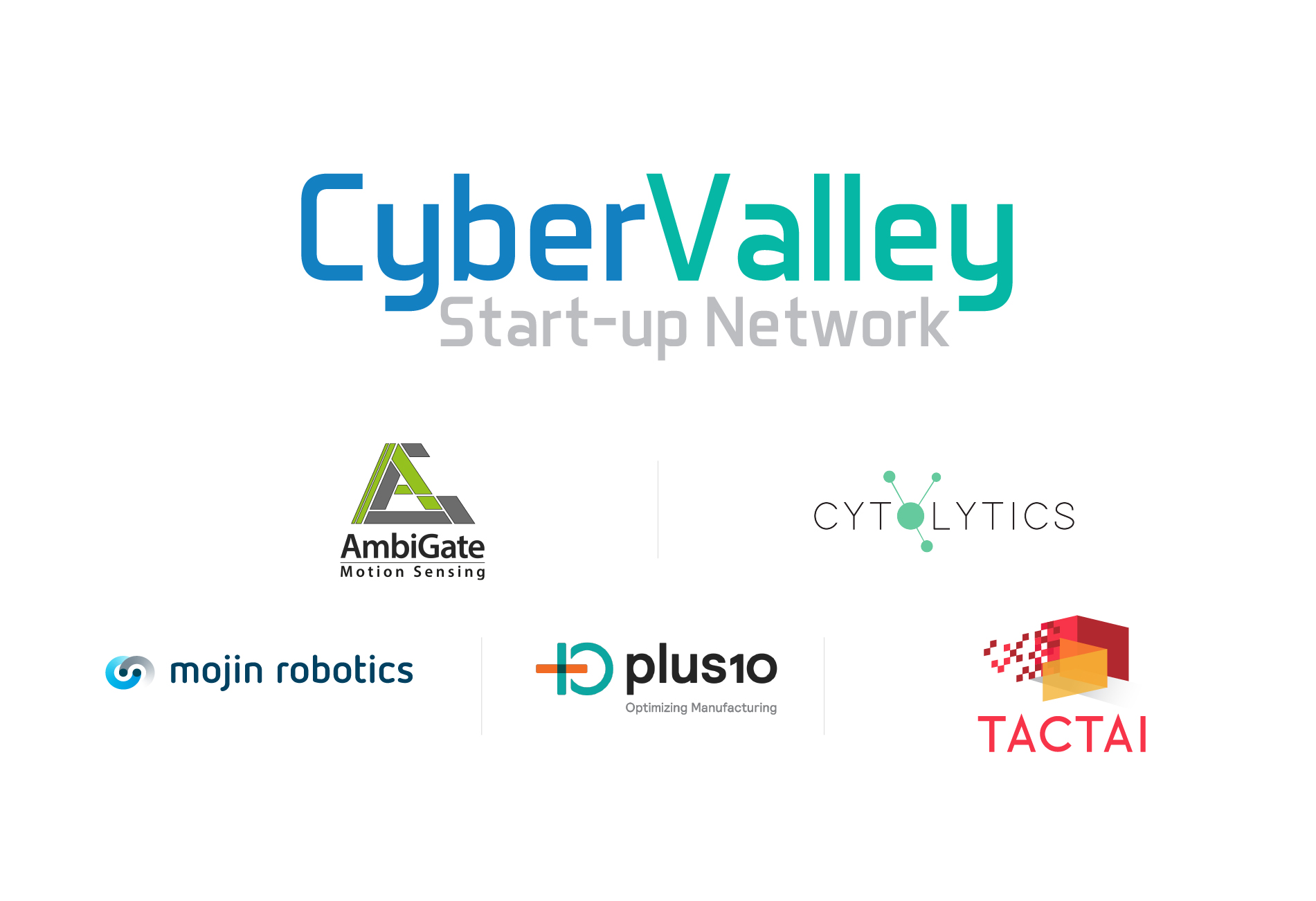
    “We are pleased to be welcoming these new members to the Cyber Valley Start-up community”, said Michael Black, Director of the Perceiving Systems Department at the Max Planck Institute for Intelligent Systems and Spokesperson of Cyber Valley. “These companies show that the AI ecosystem that we’ve built is thriving. Since it was launched less than a year ago, the Start-Up Network has gained significant momentum. The diversity of its members testifies to the broad scope of AI expertise in southwestern Germany and demonstrates the region’s strength as a tech hotspot.”

    AmbiGate is a Tübingen-based software company that specializes in human motion sensing. The spin-off of the University of Tübingen has developed software that – combined with 3D camera systems or common smartphone cameras – precisely analyses human motion to offer a solution for one of society’s most widespread health problems: back pain.

    Also based in Tübingen, Cytolytics has developed software that improves medical analyses and generates knowledge for research. Based on machine learning, the software speeds up flowcytometry analysis while at the same time ensuring more reliable results. Flowcytometry is used for routine diagnostics in hematology, infectiology and immunology, among others. Cytolytics is already collaborating with the Tübingen University Hospital.

    In Mojin Robotics, an already well-known player has joined the Cyber Valley start-up community. Its “Care-O-bot®4” robotics platform offers individual solutions in all kinds of customer service scenarios, such as retail, hotels, museums, hospitals, and airports. In 2015, Care-O-bot® won the prestigious RedDot Design Award with the distinction “best of the best” and in 2017, Mojin’s service robot Paul won at the retail technology awards europe (reta) in the category “Best Customer Experience”. The company, which is a spin-off of the Fraunhofer IPA Stuttgart and is based in Leinfelden-Echterdingen, is currently working on its next product: a mobile service robot for the logistics and manufacturing industry.

    plus10 has developed AI-based software tools to optimize automated manufacturing lines in the fields of consumer goods, medical devices and pharmaceutical production. For instance, its “Shannon®” virtual assistant system for machine operators helps increase productivity by delivering information about possible sources of error and identifying quick fixes. In addition, the “Darwin” software continuously learns about the behavior of automated stand-alone machines and provides feedback about technical improvements for each of machine. plus10 is also a Fraunhofer high-tech spin-off, operating from offices in Stuttgart and Augsburg.

    Tactai has developed software and hardware products that bring the natural sense of human touch to online digital interactons across a wide range of applications, among them touchscreens, VR devices, and haptic sensors. The company’s “Dynamic Haptics Platform” can be used for both commercial and medical applications. Tactai was cofounded by Katherine J. Kuchenbecker, Director of the Haptic Intelligence Department at the Max Planck Institute for Intelligent Systems in Stuttgart. The company is based in both Stuttgart and Boston, USA.

  • Scientists in Tübingen develop 3D head model that can be used to design better-fitting protective gear

    Scientists in Tübingen develop 3D head model that can be used to design better-fitting protective gear

    Tübingen – Researchers at the Max Planck Institute for Intelligent Systems in Tübingen, Germany have developed a statistical three-dimensional (3D) model of the human head that can be used to design, test, and fit facial protective gear. The model, called FLAME, allows designers to create strikingly realistic 3D heads corresponding to any type of facial shape. The model can smile, frown, and shout just as people do. The scientists have made FLAME available free of charge to researchers and companies.

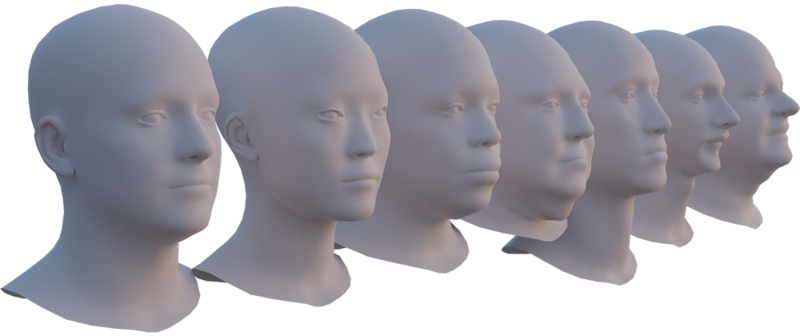
    Fig 1: One size doesn’t fit all. The average human head shown on the left looks very different from the individuals to the right. FLAME represents the 3D head shape of real people like the six real people on the right. By accurately representing head shape in the population, FLAME can help designers create better masks and test how well they fit.

    “With the COVID-19 pandemic, we’ve seen healthcare workers around the world struggling with ill-fitting protective gear,” says Michael Black, Director at the Max Planck Institute for Intelligent Systems, Head of the Perceiving Systems department, and leader of the project team. “And as a growing number of communities make mask-wearing mandatory in public life, masks are becoming the new normal. That’s why we see an urgent need for masks that are designed to fit well, and FLAME could be part of the solution.”

    To develop FLAME, Black and his team used machine learning to create a head model from over 30,000 detailed 3D scans of real human heads and faces. “FLAME can represent the shape of anyone’s face because it has seen so many different shapes. This makes it an ideal tool for designing facial protective clothing,” says Timo Bolkart, who is a research scientist at the MPI-IS and one of the lead members of the FLAME project team.

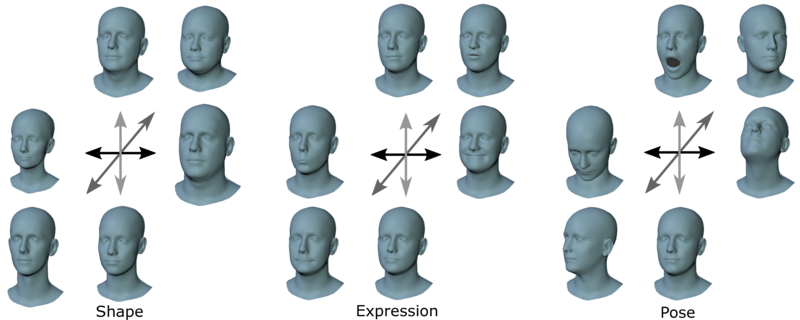
    Fig 2: FLAME is a statistical 3D head model created from over 30,000 3D head scans using machine learning. FLAME separates head shape from facial expression and head pose, which all influence mask fit. This allows designers to explore how these different aspects affect all-day comfort.

    “Masks have to fit well to be effective but not everyone has the same shaped face,” Black adds. “Companies sell different sized shoes and clothes, so why do masks come in only one size?” The researchers provide an interactive tool that lets designers explore the natural range of 3D facial shapes and expressions.

    The scientists see FLAME as a good example of technology transfer between research and industry. “We see this project as one of many ways in which machine learning and AI can benefit society, and we hope it has a positive impact in addressing the pandemic,” says Black, who is also Speaker of Cyber Valley, Europe’s largest research consortium in the field of artificial intelligence.

    For more about FLAME visit the website.

    About Cyber Valley

    Cyber Valley is Europe's largest research cooperation in the field of artificial intelligence with partners from politics, science, business and society. The partnership strengthens research and teaching in the fields of machine learning, computer vision and robotics as well as the links between these fields. Partners are the Max Planck Institute for Intelligent Systems, the University of Stuttgart, the University of Tübingen, the State of Baden-Württemberg and seven industrial partners: Amazon, the BMW Group, IAV GmbH, Daimler AG, Porsche SE, Robert Bosch GmbH and ZF Friedrichshafen AG. Cyber Valley is also supported by the Christian Bürkert Foundation, the Gips-Schüle Foundation, the Vector Foundation and the Carl Zeiss Foundation.

  • 3D printers run hot in Cyber Valley: Rapid help for hospitals

    3D printers run hot in Cyber Valley: Rapid help for hospitals

    Hospitals are currently facing shortages of many medical consumables, not just face masks. Rapid help is needed. These are problems with which the Project Group for Automation in Medicine and Biotechnology PAMB, Mannheim, a spin-off from Fraunhofer IPA, is well acquainted. After all, it engages with medical professionals on a daily basis. Its headquarters are located at the heart of the grounds that house Mannheim University Hospital and it has a coronavirus diagnosis station right outside its window. The project group’s medical technicians have provided rapid, direct support to the doctors.

    Medical safety eyewear in short supply

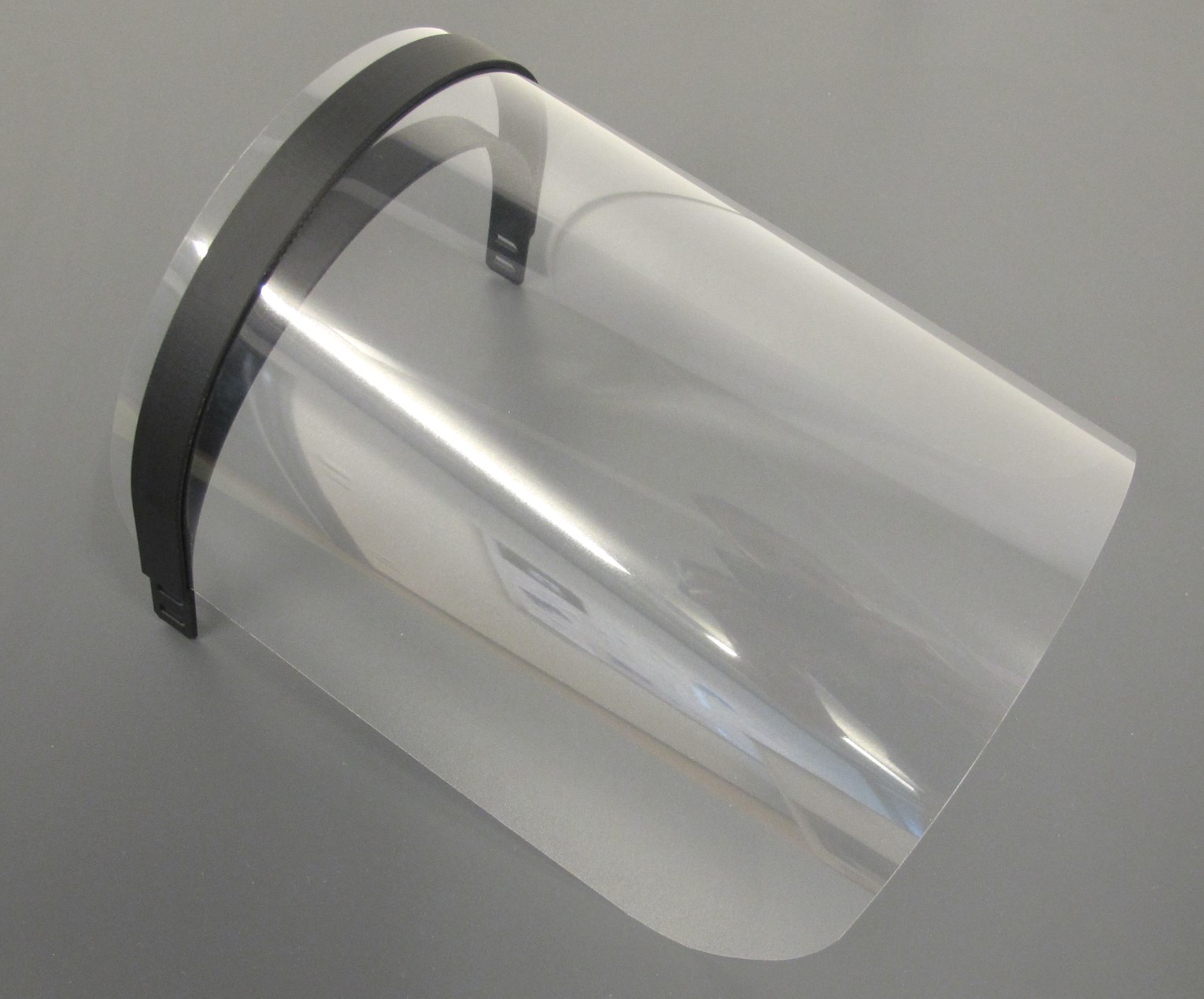
    Protective goggles are above all in short supply – a mass product for single use. Theyare similar to welding goggles and consist of a frame and a transparent plastic screen. Although there is no shortage of screens in the hospital, there has been a lack of frames. Even though these plastic components are not high-tech products, they still need to comply with the quality specifications – familiar ground for IPA scientists as they are well acquainted with risk assessments and guidelines in medical technology.

    A prototype was quickly developed, manufactured and clinically tested for usability: The tests proved that it could be sterilized and did not cause skin irritation. It was not long before the Project Group was able to provide an initial sample to the doctors. These samples were highly successful and the hospital requested 500 units. But this was not so simple. Although the Project Group has its own 3D printer which can manufacture plastic components such as these, it is unable to make more than 20 frames per day, even when working around the clock. This is where the Mannheim-based company Hänssler Kunststoff- und Dichtungstechnik GmbH comes in. Over the weekend, it manufactured an initial batch, which has now been delivered and is being used in the university hospital. The Project Group will also be able to step in and help other hospitals if required.

    The 3D printers at the Max Planck Institute for Intelligent Systems in Tübingen are also running hot. To date, several researchers have printed hangers for 60 face shield holders and have delivered them to the neighbouring University Hospital in Tübingen. They are participating in the #MaskUpInitiative. The aim of the network is to get as many users of 3D printers worldwide as possible to produce components for protective gear.


    Disinfectant dispensers from the printer

    Dispensers for disinfectants also come from the 3D printer. In this project, the Fraunhofer researchers are cooperating with the neighboring chemical company BASF, which supplies enough disinfectant, but dispensers are now in short supply. Here too, Fraunhofer employees have produced a sample copy and will produce 100 to 150 of such dispensers.

    Self-made ventilators

    Many of the Project Group members are now working from home, but this has not stopped them tackling the coronavirus outbreak on yet another front. Coordinated by Fraunhofer, the Project Group is aiming to have developed an alternative emergency ventilator within a few weeks. It is likely to comprise suitable materials that will also be in good supply throughout the crisis in addition to components that can be easily manufactured, so that the solution can be rapidly used as an alternative in regions experiencing ventilator shortages. The aim is to have the documents for an operational device ready as soon as the end of April and then make these available alongside the training documents.

    For more information about the Fraunhofer project visit: https://www.ipa.fraunhofer.de/en/press-media/press_releases/medical_safety.html

  • Fraunhofer: “Access checker” remotely measures body temperature in addition to heart and breathing rate

    Fraunhofer: “Access checker” remotely measures body temperature in addition to heart and breathing rate

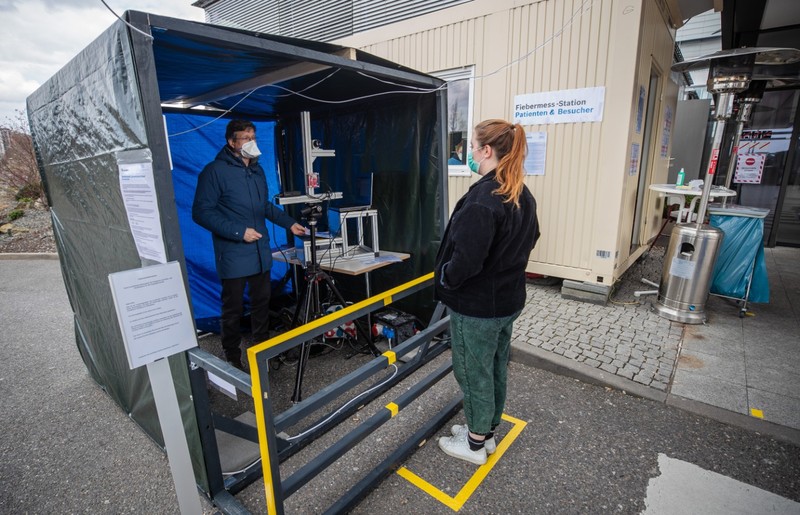
    Hospitals are presently obliged to maintain entrance controls. Given the spread of coronavirus, it is essential to ensure that patients, hospital staff and visitors are not carrying the virus into the hospital and thereby endangering people who already have compromised immune systems. In front of the main entrance of the Robert Bosch Hospital (RBK) in Stuttgart, Fraunhofer IPA and Fraunhofer IAO, together with the RBK, are currently testing a procedure that is set to simplify these controls.

     © Robert Bosch Hospital/Christoph Schmidt
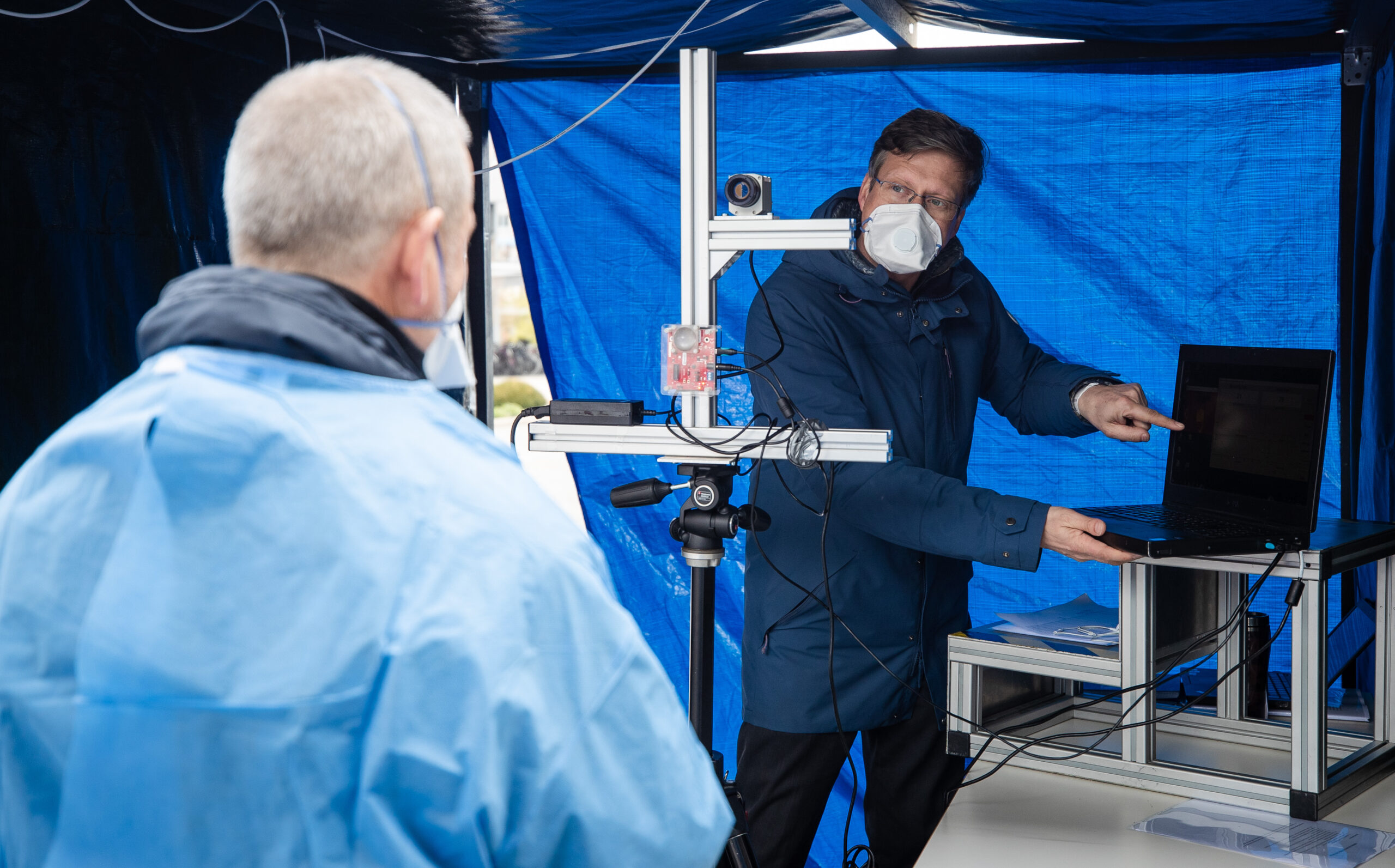
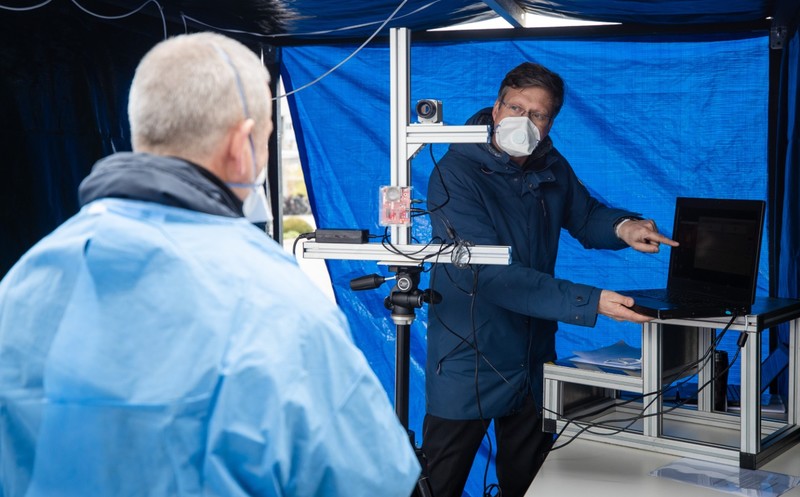
    Fraunhofer IPA’s Dr. med. Urs Schneider conducts the test method on a test subject.

    The innovative method developed by the Fraunhofer Institute for Manufacturing Engineering and Automation IPA measures all the relevant parameters from a distance of one meter. The professional carrying out the test via a laptop is able to maintain the required minimum distance of 1.5–2 meters without a problem. As a result, they are not put at risk and do not need to wear any PPE. This is an invaluable advantage in these present times, when not even basic face masks are available in sufficient quantities.

    Infrared camera and radar measure vital parameters

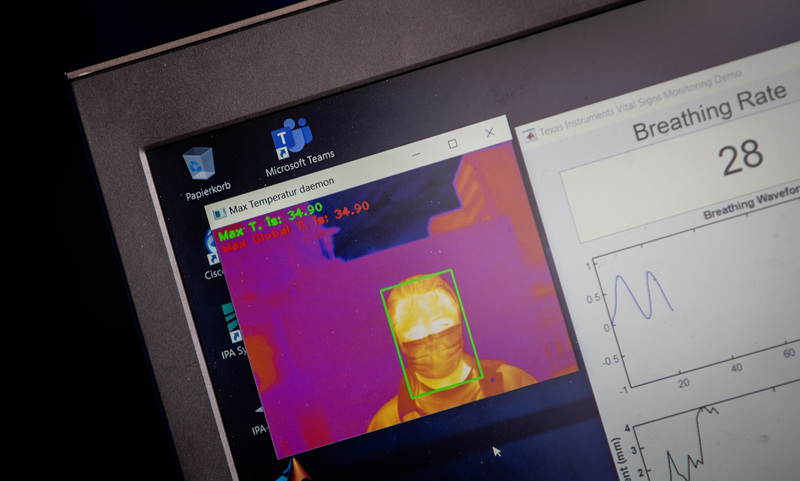
    The test measures not only body temperature using an infrared camera but also heart and breathing rates by way of microwaves. To this end, a radar module featuring a micro-Doppler method is used.

     © Robert Bosch Hospital/Christoph Schmidt
    Detail of test evaluation with infrared image of the face and breath.

    The research team is now examining on site whether and how precisely the testing procedure correlates with the data collected from hospital staff in the entrance area and whether the procedure is practical. The test was developed within a matter of weeks and should play a part in curbing the coronavirus pandemic as quickly as possible: A team headed up by Dr. Urs Schneider, a medical professional who works at Fraunhofer IPA, has many years of experience in areas such as occupational health and safety, medical technology, image processing and object recognition. As a result, it has an excellent grasp of all the necessary testing procedures.

    © Robert Bosch Hospital/Christoph Schmidt
    Dr. med. Urs Schneider from Fraunhofer IPA explains the test procedure.

    The staff at the Fraunhofer Institute for Industrial Engineering IAO are responsible for ensuring the ideal process integration of Fraunhofer IPA’s technological innovation. In this context, the scientists are analyzing its usability for hospital staff and patients as well as, above all, movement patterns of patients and treatment chains using a contactless movement sensor. The aim is to soon integrate this technology into the hospital’s admission process.

    The medics, engineers and labor organization experts have now applied their expertise to help in the efforts to deal with the coronavirus crisis. They have put together a prototype at an astonishing speed. They have even considered data protection: The patients’ data is not stored but rather anonymously documented on a paper spreadsheet.

    Initial tests successful

    The first trial run is now being carried out in conjunction with Dr. Christoph Wasser, who is Medical Director ER at the Robert Bosch Hospital. The automated examination is as quick as the usual procedure. It remains to be seen whether fewer staff are also required to carry out the procedures. There is huge interest in the mobile “access checker”. Other institutes such as Tübingen University Hospital and several coronavirus screening checkpoints in the area are also keen to use the new test method. Fraunhofer IPA plans to build four more systems within just two weeks and has also applied for a patent. Schneider says: “We are convinced that we have developed a sound concept that can also be used when the coronavirus crisis is over.” He highlights that the test can be used not only by hospitals and care homes but also at airports and other important establishments. After all, the world will always suffer pandemics.

    For more information visit the Fraunhofer IPA website.