User Group: Researcher

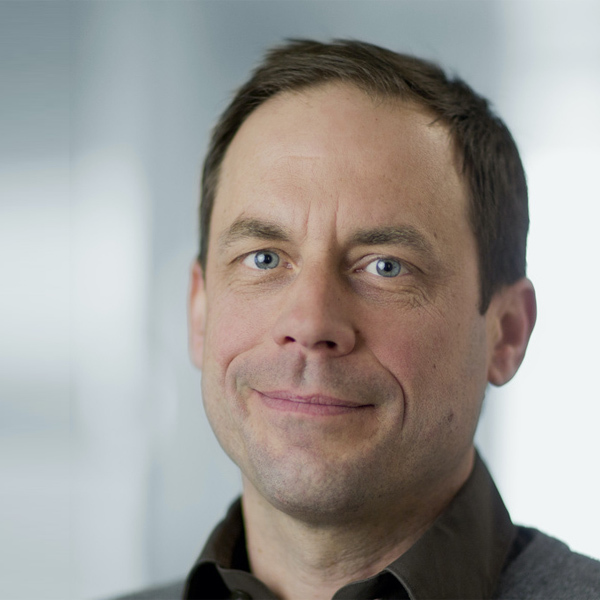
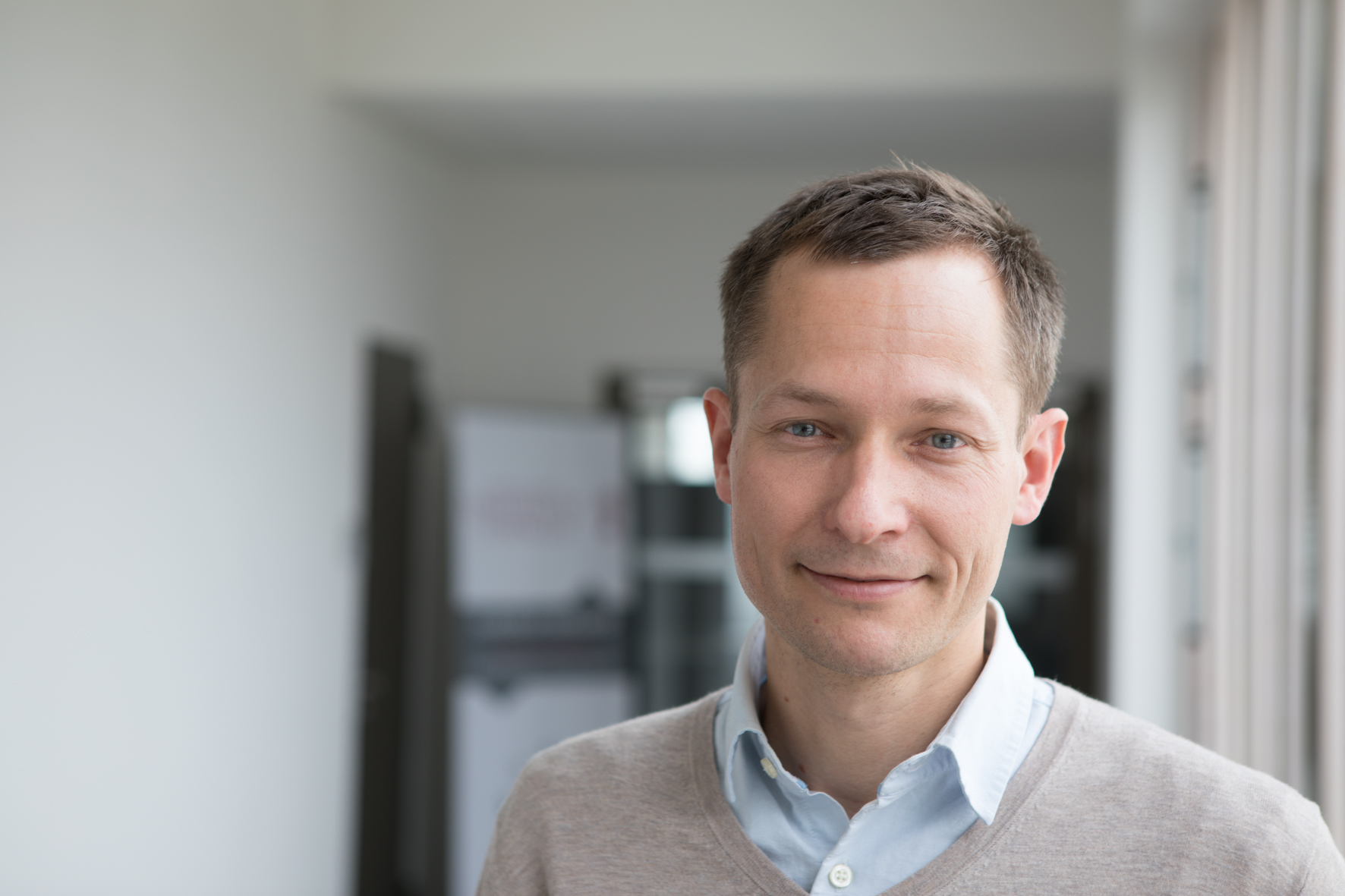
  • Jakob Macke: new professor for Machine Learning

    Jakob Macke: new professor for Machine Learning

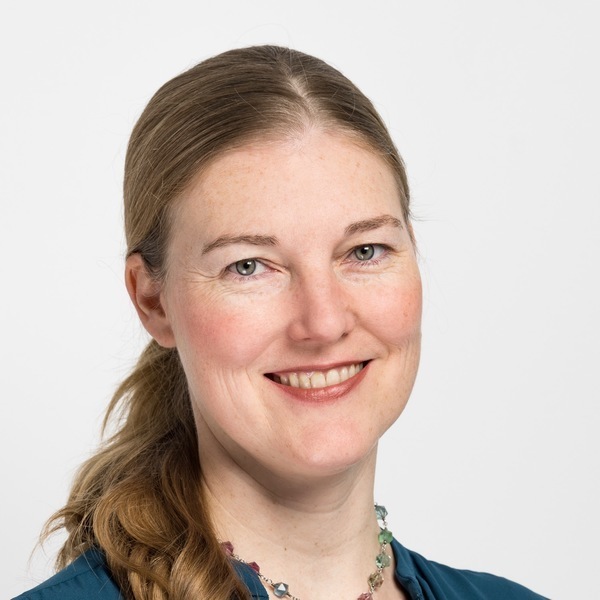
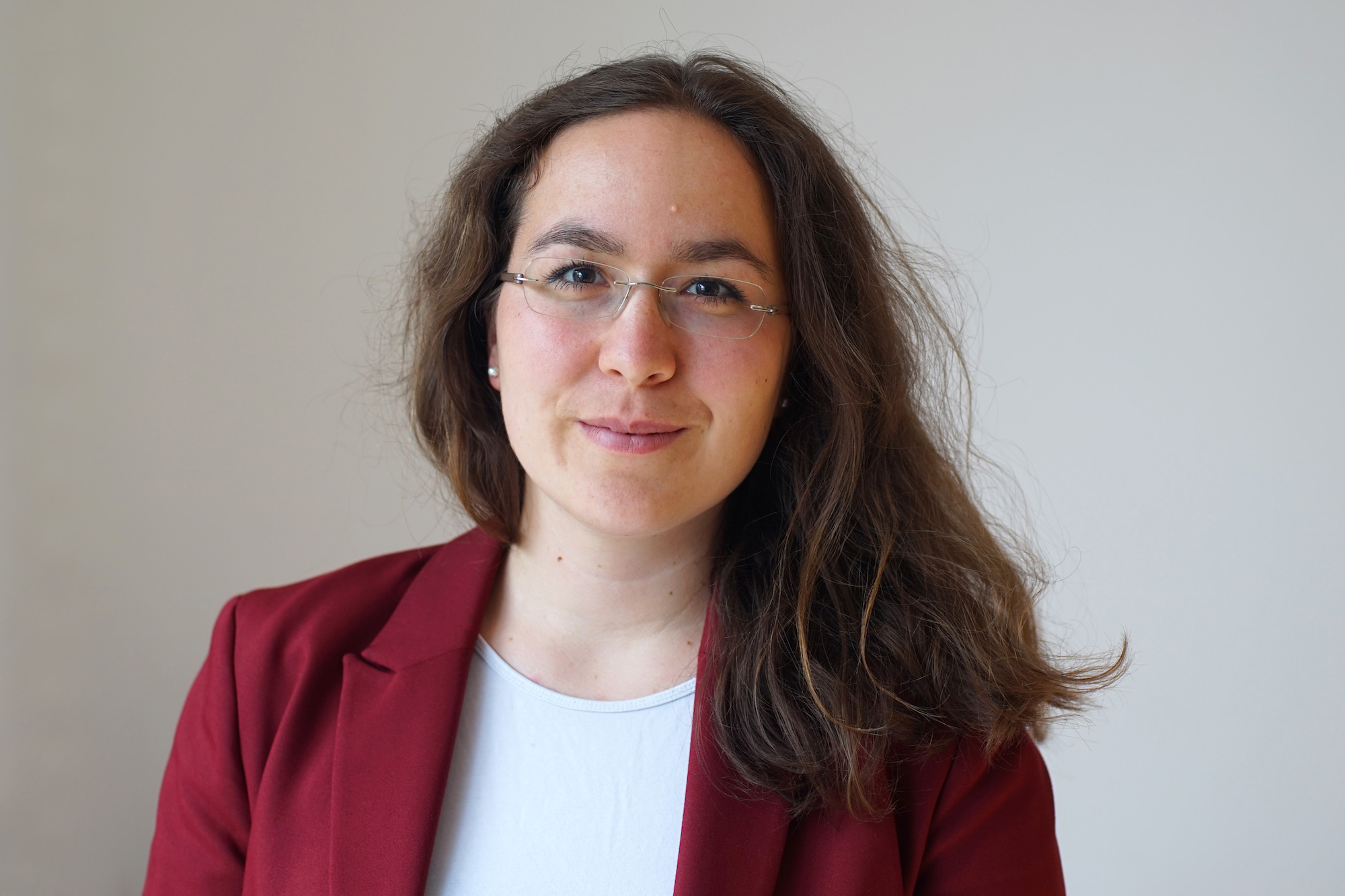
    Macke studied mathematics at the University of Oxford. After his studies, he worked as a doctoral student at the Max Planck Institute for Biological Cybernetics in Tübingen, as a postdoc at the Gatsby Unit at University College London and as a Bernstein Fellow at the Max Planck Institute in Tübingen. From 2015 to 2018, he was Max Planck Group Leader at the Caesar Research Centre in Bonn, and from 2017 he was also professor at the Centre for Cognitive Science at the Technical University of Darmstadt. From 2018 to 2020, Macke was Professor of Computational Neuroengineering at the Technical University of Munich. From 2013 to 2018 he was a member of the Young Academy at the German Academy of Sciences Leopoldina.

    Jakob Macke’s research goal is to accelerate scientific discovery using machine learning and artificial intelligence: He wants to develop computational methods that help scientists interpret empirical data and use them to discover and constrain theoretical models. To this end, he collaborates with experimental researchers from various disciplines. He is particularly interested in applications in the neurosciences: He wants to understand how neuronal networks in the brain process sensory information and control intelligent behavior, and to develop methods for the diagnosis and therapy of neuronal dysfunction.

    Further information can be found here.

  • Sebastian Trimpe appointed full professor at RWTH Aachen University

    Sebastian Trimpe appointed full professor at RWTH Aachen University

    Stuttgart – Sebastian Trimpe, head of the Cyber Valley Intelligent Control Systems research group at the Max Planck Institute for Intelligent Systems (MPI-IS) in Stuttgart, recently took on a full professorship (W3) at RWTH Aachen University, the largest technical university in Germany. He is now Professor for Data Science in Mechanical Engineering and has begun building the corresponding institute, which he also heads. Over the course of the next year, Trimpe will transition his research group in Stuttgart, where he will keep a co-affiliation.

    “Leading my Cyber Valley research group has been an exciting chapter in my career. I have enjoyed working closely with everyone within the ecosystem since I joined MPI-IS in 2013. I am grateful for the opportunities I have had at the institute, and especially for all the great colleagues and collaborators,” says Trimpe.  

    “Sebastian’s academic success is exactly what we hope for from Cyber Valley,” says Michael J. Black, Director of the Perceiving Systems Department at the Max Planck Institute for Intelligent Systems and Spokesperson of the Cyber Valley research consortium. “The independent group leader positions and the world-class Cyber Valley research ecosystem give young scientists the opportunity to establish their careers at the very top of their field.  Training and supporting the next generation of scientific leaders is our core mission.  Whether they go on to academic jobs, industry positions, or start their own companies, this strengthens Germany’s position on the global AI playing field.”
     

    Cyber Valley is Europe’s largest research consortium in the field of artificial intelligence (AI) with partners from politics, science, industry, and society. The partnership strengthens research and teaching in the fields of machine learning, computer vision, and robotics as well as the links between these scientific fields. Partners are the Max Planck Institute for Intelligent Systems, the University of Stuttgart, the University of Tübingen, the Fraunhofer Gesellschaft, the State of Baden-Württemberg and seven industrial partners.


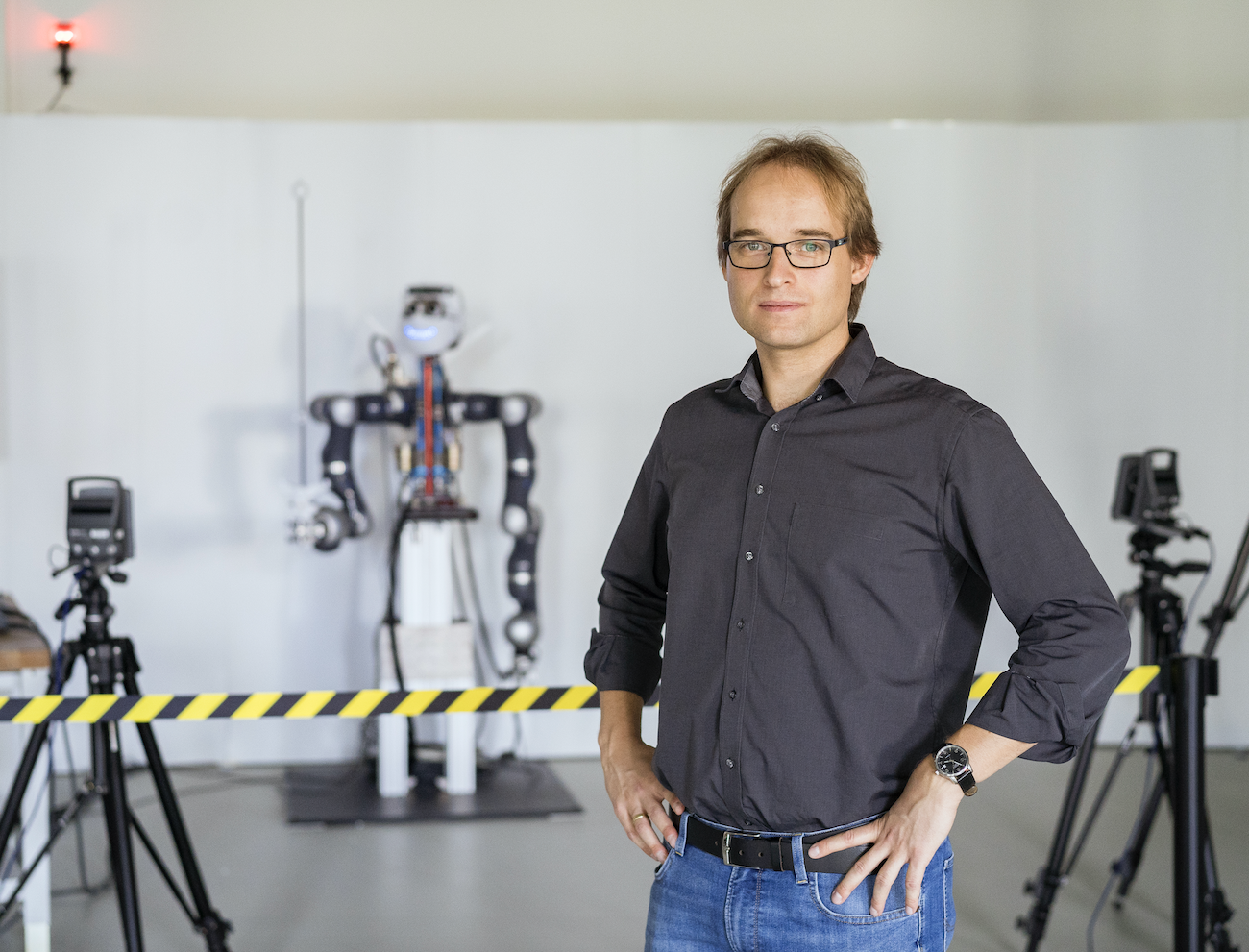
    Trimpe and his team investigate what he refers to as “machine learning for machines”: the fundamental question of how a machine is able to learn from data reliably, safely, and efficiently within certain limits. More specifically, his research focuses on understanding the basic principles that enable artificially intelligent systems such as robots and autonomous vehicles to act and learn autonomously in the physical world. To develop self-learning systems for the physical world, Trimpe joins classical methods of system and control theory with machine learning, for example, when devising algorithms that combine physical knowledge of the world with experimental data.

    Learning and decision algorithms are essential for the functioning of the cycle of perception-action-learning, which is also known as the feedback control loop. In simple terms, these algorithms are the “brain” of a technical system, and they are at the core of Trimpe’s research. Using sensor data, the machine perceives its own state and its environment. Based on this data, a decision algorithm decides what should happen next, and the machine then uses motors and other actuators to take action and achieve a desired goal. This cycle takes place continuously and often many times per second. For example, a car can automatically maintain the distance to the vehicle in front of it, an air conditioning system is capable of guaranteeing a certain temperature, and a robot in Trimpe’s laboratory can balance a rod on its own. An important research question is how such machines can learn from experience and interaction with the world in order to enhance their capabilities or improve their performance.

    Trimpe also looks at communication between several intelligent systems that want to perform a task together, such as groups of robots. Today, this is often done via wireless networks. When machines are constantly communicating with one another, however, the network is quickly overloaded and important data cannot be transmitted. To solve this problem, Trimpe is developing intelligent procedures that allow each subsystem to communicate only when it has something relevant to say. This makes it possible for many systems to act in concert or learn from each other without using more resources than necessary.

    Since Trimpe’s research is based on basic mathematical problem descriptions and their solutions, the results are generally valid and could potentially be applied to many different systems in the future. His team has validated theoretical results in laboratory experiments with humanoid robots and wirelessly networked mechatronic systems. In joint projects with the Cyber Valley partners Bosch and IAV, some of the algorithms have successfully been applied in industry. For example, the same algorithm used by the robot Apollo to learn how to balance a rod was also used to learn how to control a throttle valve in the automotive industry (collaboration with IAV).

  • Cyber Valley Research Forum (virtual)

    Cyber Valley Research Forum (virtual)

    At this edition of the event, we will focus on the University of Stuttgart's Cyber Valley groups as well as on a recently established group at the University of Tübingen. In addition, our partners from Fraunhofer IPA and IAO will present the AI Innovation Center "Learning Systems" and their AI-related areas of research.

    Due to COVID-19 restrictions, the workshop will be held online (Zoom). If you would like to participate, please register here.


    Schedule
    13:30 Welcome
    13:30 – 13:40 AI Innovation Center “Learning Systems”
    https://www.ki-fortschrittszentrum.de
    13:40 – 14:00

    Dr. Tian Qiu

    Biomedical Microsystems, Institute of Physical Chemistry, University of Stuttgart

    Title: Augmented Reality Organ Phantom for the Generation of Biomedical Data

    Abstract:
    Biomedical data of the human body is complex and difficult to acquire for safety, ethical, legal, and technical reasons.  Building a realistic organ phantom based on rapid prototyping and augmented reality technologies is one of our group's research focuses. The phantom system represents the anatomy and the material properties of real organs. Moreover, the model can sense what it experiences and generate a large amount of data, which is not even possible with a real organ. The data will offer unique opportunities to train surgeons and optimize surgeries, and to develop new medical instruments and life protection systems.

    14:00 – 14:20

    Prof. Dr. Michael Sedlmair

    Virtual Reality and Augmented Reality, Visualization Research Center (VISUS), University of Stuttgart

    Title: VR/AR research at VISUS

    Abstract:
    I will introduce several examples of current Virtual/Augmented Reality (VR/AR) projects from the Visualization Research Center (VISUS) at the University of Stuttgart. Much of our work focuses on how data visualization can be meaningfully combined with VR/AR. Also referred to as Immersive Analytics, this combination is a popular topic. However, many things can go wrong. We will look at some of these pitfalls, identify ways of overcoming them, and outline scenarios that could have a truly significant and lasting effect.

    14:20 – 14:40

    Prof. Dr. Jakob Macke

    Machine Learning in Science, Cluster of Excellence "Machine Learning", University of Tübingen

    Title: Simulation-based inference: Bridging the gap between machine learning and scientific modelling

    Abstract:
    Many fields of science and engineering make extensive use of complex simulations that describe the structure and dynamics of the process being investigated. These models are derived from knowledge of the underlying mechanisms and are of critical importance for scientific hypothesis-building. However, linking such complex models to high-dimensional empirical data can be challenging. My group develops computational tools that aim to bridge the gap between data-driven machine learning and theory-driven, scientific modelling, with a focus on applications in the life sciences. In this talk, I will focus on our recent work on using neural conditional density estimators to perform Bayesian inference on simulation-based models. I will demonstrate the efficiency and flexibility of this approach and highlight applications to dynamical models of biological systems and source-reconstruction in biological imaging.

    14:40 – 15:00

    Prof. Dr. Alexander Brem

    Entrepreneurship in Technology and Digitization, Institute of Entrepreneurship in Technology and Science, University of Stuttgart

    Title: How AI-driven applications enhance Innovation and Entrepreneurship

    Abstract:
    Artificial intelligence (AI) is changing how entrepreneurs and companies innovate. Startups and established companies are developing a wide range of AI-driven applications, addressing different tasks along the innovation process. These tasks include, just to mention a few, the detection of emerging technologies and trends, the identification of customer needs or lead users, the generation of user feedback from emotional facial recognition, or the automated creation of new product designs.
    In light of such rapid developments, we offer an overview on how AI is being current used in creativity, innovation, and entrepreneurship. We describe how technology and management researchers in these fields are studying the applications and impact of AI. Finally, we outline the current research areas (still emerging) and suggest areas for further management research using AI and research on AI’s impact on innovation and entrepreneurship processes.

    15:00 – 15:25

    Fraunhofer Institute for Manufacturing Engineering and Automation (IPA)

    Dependable AI built on Explainability, Verification and Uncertainty Quantification
    (Nina Schaaf, Xinyang Wu, Marcel Albus)

    Computer Vision for Quality Control and Robotics
    (Bernd Meese, Johannes Stoll)

    Cognitive Robotics: Deep Learning for Robotic Grasping and Assembly
    (Marius Moosmann, Arik Lämmle)

    15:25 – 15:50

    Fraunhofer Institute for Industrial Engineering (IAO)

    X-tended Reality@Fraunhofer IAO – Labs and Usecases in the field of Building Construction
    (Alexandros Giannakidis, Günter Wenzel)

    AI-based solutions for text documents analysis
    (Maximilien Kintz)

    Applied Neuroscience and Neuroadaptive Technology
    (Katharina Lingelbach, Mathias Vukelic)

    Variable and adaptive driving behaviour and vehicle interior: Robust, safe and fun with AI
    (Frederik Diederichs, Mathias Vukelic, Matthias Bues)

    15:50 – 16:00 Wrap-up
  • 2020 Intelligent Systems Summer Colloquium

    2020 Intelligent Systems Summer Colloquium

    MPI-IS cordially invites you to attend the 2020 Intelligent Systems Summer Colloquium

    Please see below for the schedule.

    The Max Planck Institute for Intelligent Systems is delighted to invite you to its annual scientific summer colloquium, formerly referred to as the Günter Petzow Colloquium.

    Date: Friday, July 24, 2020
    Virtual Meetup Time: 2:00 p.m.

    The event will commence at 2:00 pm that day and include four scientific presentations as well as a Ph.D. graduation ceremony. This year, it will be held virtually through a stable video-conferencing service. All current and former employees, friends of the institute, and the interested public are invited to this event.

    On the occasion of this year's summer colloquium, the Stuttgart site of the Max Planck Institute for Intelligent Systems will award the 15th annual Günter Petzow Prize to a young scientist from the institute for outstanding research in the field of materials science. Professor Günter Petzow was a Director at the Max Planck Institute for Metals Research in Stuttgart between 1973 and 1994. He is internationally renowned for his trend-setting research on multicomponent materials.

    The Günter Petzow Prize is funded by the Stifterverband für die Deutsche Wissenschaft and Volkswagen AG.

    Given his outstanding research success here at MPI-IS, the selection committee has chosen to bestow upon:

    Dr. Hakan Ceylan
    the
    2020 Günter Petzow Prize.

    Dr. Hakan Ceylan is a senior research scientist in the Physical Intelligence Department. He will be awarded this prize for his achievements in developing new design principles, materials, and manufacturing strategies that enable untethered soft robots as small as a single cell.

    Professor Metin Sitti will introduce Dr. Ceylan, who will then deliver a 25-minute presentation on his research.

    The final part of the colloquium will be a graduation ceremony for all of the MPI-IS Ph.D. students who completed their degree in the last year.

    Live transmission of the summer colloquium and the graduation ceremony will take place on the event website.


    Schedule

    14:00

    Opening by Katherine J. Kuchenbecker, Ph.D. (Managing Director)

    Max Planck Institute for Intelligent Systems, Stuttgart

    14:15

    Professor Syn Schmitt

    Morphological computation: from hopping robots to micro swimmers to human walking

    Institute for Modelling and Simulation of Biomechanical Systems, University of Stuttgart

    Abstract and speaker’s short biography >>

    Biological motion is fascinating. Especially locomotion plays a crucial part in the evolution of life. Highly evolved structures, like bones connected by joints and soft tissues and contracting proteins in a muscle-tendon unit, enable and prescribe the respective species' specific locomotion pattern. Most importantly, biological motion is autonomously learned, it is untethered as there is no external energy supply and typical for vertebrates, it's muscle-driven.

    This talk will focus on structures, which facilitate motion by their design and present criteria to measure to which extent a specific motion pattern is facilitated, i.e. morphological computation (MC). We will discuss, whether assessing MC helps in understanding how biology solves challenges, like non-linearity of materials, redundancy of actuators, delays of sensor signals and finally, learning motion.

    Syn Schmitt studied physics at the University of Stuttgart and graduated from the University of Tuebingen with a PhD in Theoretical Astrophysics (topic: muscle modelling / computational biophysics). In 2012, Schmitt was appointed as Juniorprofessor (assistant professor) at the University of Stuttgart. Since 2018, he is full professor of "Computational Biophysics and Biorobotics" at the University of Stuttgart and in 2019 he founded the Institute for Modelling and Simulation of Biomechanical Systems, together with his colleague Oliver Roehrle. Syn Schmitt is fellow of the Stuttgart Center for Simulation Science (SimTech) and a faculty member of the International Max Planck Research School for Intelligent Systems (IMPRS-IS). Recently, he was appointed as Adjunct Professor in the School of Mechanical, Medical and Process Engineering of the Queensland University of Technology in Brisbane, Australia. His research focuses on autonomous muscle-driven motion with special interests in design principles of the locomotion apparatus, non-linear dynamics of locomotion, motor control and morphological computation in biological and technical systems.

    14:45

    Peter Dayan, Ph.D.

    Model based and model free interactions: inference, influence and confidence

    Computational Neuroscience, Max Planck Institute for Biological Cybernetics, Tübingen

    Abstract and speaker’s short biography >>

    An influential reinforcement learning framework proposes that behaviour is jointly governed by model-free (MF) and model-based (MB) controllers. Whereas the former learns the values of actions directly from past encounters, the latter uses a cognitive map of the task to calculate them prospectively. Considerable attention has been paid to how these systems interact during choice, however, how they interact in more general facets of decision-making such as learning and confidence is unclear. Using variants of a simple task that lays out limpidly various aspects of the interaction, we show how MB information resolves uncertainty and focuses MF learning, and discuss unexpected facets of their joint contribution to confidence.

    Peter Dayan read Mathematics at Cambridge, studied for his PhD with David Willshaw in Edinburgh, and did postdocs with Terry Sejnowski at the Salk Institute and Geoff Hinton in Toronto. He was an assistant professor in the Department of Brain and Cognitive Sciences at MIT, and was a founding faculty member of the Gatsby Computational Neuroscience Unit at UCL, which he then ran for 15 years. He is currently a Director at the Max Planck Institute for Biological Cybernetics. His interests include affective decision making and neural reinforcement learning.

    15:15

    Professor Marco Hutter

    From legged robots to digital fabrication

    Institute of Robotics and Intelligent Systems (IRIS), ETH Zürich

    Abstract and speaker’s short biography >>

    Recent development in robotics, machine automation and intelligence has led to systems that are skilled and mature enough for real-world deployment. For example, quadrupedal robots have reached a level of mobility to navigate complex environments, which enables them to take over inspection or surveillance jobs in place like offshore industrial plants, in underground areas, or on construction sites. In this talk, I will present our research work with the quadruped ANYmal, mobile manipulators and automated construction machines, and explain some of the underlying technologies for locomotion control, manipulation, environment perception, and mission autonomy. I will show how these robots can learn and plan complex manoeuvres, how they can navigate through unknown environments and how they are able to conduct surveillance, inspection or construction tasks with super-human precision.

    Marco is an assistant professor for robotic systems at ETH Zurich, associate member of MPI-ETH Learning Center, and founder of ANYbotics AG. He studied mechanical engineering and completed his doctoral degree in robotics at ETH. Marco’s research interests are in the development of novel machines and actuation concepts together with the underlying control, planning, and learning algorithms for locomotion and manipulation. Marco is part of the National Centre of Competence in Research (NCCR) Robotics and NCCR Digital Fabrication and PI in various international projects (e.g. EU Thing) and challenges (e.g. DARPA SubT). His work has been recognized with a number of awards and prestigious grants such as the Branco Weiss Fellowship, ETH medal, IEEE/RAS Early Career Award or ERC Starting Grant.

    15:45
    Günter Petzow Prize Award Ceremony
    16:00

    Dr. Hakan Ceylan, Winner of the 2020 Günter Petzow Prize

    Cell-Size Robots for Minimally Invasive Medical Interventions and Targeted Delivery

    Physical Intelligence Department, Max Planck Institute for Intelligent Systems, Stuttgart

    Abstract and speaker’s short biography >>

    Untethered mobile robots the size of a human cell can make a disruptive impact in medicine. Their small size and wireless mobility can enable access and navigation in small, confined, hard-to-reach, and sensitive inner body sites, such as the central nervous system, the circulatory system, and the fetus. At these locations, such tiny machines can provide new ways of minimally invasive surgical interventions, remain inside for long durations as semi-implantable devices, and deliver targeted diagnosis and therapy with high precision and repeatability. To achieve these goals, however, there are many scientific and technical challenges to overcome. In this talk, I will present design, fabrication and control of cell-sized mobile robots for medical applications. I will demonstrate that the realization of coupled sensing, response and motion, the pillars of a robotic system, requires new materials and fabrication routes that can produce highly integrated systems that successfully interact with the environment. I will explore alternative power sources and design principles that would realistically sustain robotic operations at the microscopic size scales. I will demonstrate medical microrobots with the capabilities of moving around, sensing, responding to the local pathological information, and performing specific diagnostic and therapeutic tasks as orderly executed operations using their smart composite material architectures. Upon completing their functions, most of the microrobots I have developed are enzymatically degradable at the physiological conditions. Given the progress and the status of this emerging field, I will finally be providing a translational perspective on medical microrobotics research with an application-oriented, integrative design approach where powering, materials, fabrication, control, localization and medical functionalities need to be considered altogether at the same time. I will discuss the complexity of the challenges ahead and the potential directions to overcome them.

    Hakan Ceylan is a senior research scientist at Max Planck Institute for Intelligent Systems, Stuttgart, Germany, working on medical microrobots, bioinspired materials, molecular engineering, and intelligence at microscopic length scales. He received the BSc. degree in molecular biology and genetics (with high honor) and the Ph.D. degree in materials science and nanotechnology in 2010 and 2014, respectively, from Bilkent University, Ankara, Turkey. Dr. Ceylan was a post-doctoral researcher during 2014-2017 at Max Planck Institute for Intelligent Systems. He has been an associate member of Max Planck ETH Center for Learning Systems since 2015, the first joint institute of Max Planck Society and ETH Zurich. Dr. Ceylan’s inventions have resulted in one granted two pending patents and over twenty publications in the internationally renowned peer-reviewed journals. He has received several best paper, best talk and science-as-art awards as an extension of his research output. His studies have been publicized by Bayern2 radio, PC Magazine and a number of other printed and web-based German and international media. In 2019, PC Magazine featured Dr. Ceylan’s medical microrobot project among "5 amazing projects that will change the future of healthcare".

    16:30

    Ph.D. Graduation Ceremony

    We congratulate 15 young researchers who successfully defended their doctoral thesis during the past year

    Opening words from Professor Michael J. Black, Max Planck Institute for Intelligent Systems, Tübingen

    List of graduating Ph.D. students >>

    Six world-class universities are awarding doctoral degrees to this year’s batch of graduating students, who are affiliated either directly with MPI-IS or indirectly through our doctoral programs (Cam-Tue, CLS, CMU, and IMPRS-IS).

    University of Cambridge
    Matthias Bauer, Empirical Inference Department, Max Planck Institute for Intelligent Systems, Tübingen (Cam-Tue)
    Paul Rubenstein, Empirical Inference Department, Max Planck Institute for Intelligent Systems, Tübingen (Cam-Tue)

    Carnegie Mellon University
    Mehmet Berk Yigit, Physical Intelligence Department, Max Planck Institute for Intelligent Systems, Stuttgart
    Xiaoguang Dong, Physical Intelligence Department, Max Planck Institute for Intelligent Systems, Stuttgart

    Technical University of Darmstadt
    Dieter Büchler, Empirical Inference Department, Max Planck Institute for Intelligent Systems, Tübingen and Technical University of Darmstadt
    Sebastian Gomez-Gonzales, Empirical Inference Department, Max Planck Institute for Intelligent Systems, Tübingen and Technical University of Darmstadt

    University of Pennsylvania
    Siyao Hu, Haptic Intelligence Department, Max Planck Institute for Intelligent Systems, Stuttgart

    Eberhard Karls University Tübingen
    Anurag Ranjan, Perceiving Systems Department, Max Planck Institute for Intelligent Systems, Tübingen (CLS associate)
    Joel Janai, Autonomous Vision Group and Perceiving Systems Department, Max Planck Institute for Intelligent Systems, Tübingen
    Lars Mescheder, Autonomous Vision Group, Max Planck Institute for Intelligent Systems, Tübingen
    Matthias Kümmerer, Computational Neuroscience & Machine Learning Group, University of Tübingen (IMPRS-IS)
    Siyavash Haghiri, Theory of Machine Learning Group, University of Tübingen
    Steve Heim, Dynamic Locomotion Group, Max Planck Institute for Intelligent Systems, Stuttgart (CLS associate)

    ETH Zürich
    Ceren Yasa, Physical Intelligence Department, Max Planck Institute for Intelligent Systems, Stuttgart (CLS associate)
    Öncay Yasa, Physical Intelligence Department, Max Planck Institute for Intelligent Systems, Stuttgart

    17:30

    Closing by Katherine J. Kuchenbecker, Ph.D. (Managing Director)

    Max Planck Institute for Intelligent Systems, Stuttgart

  • Machine Learning Summer School (MLSS) Tübingen: the first-ever virtual event starts with a bang

    Machine Learning Summer School (MLSS) Tübingen: the first-ever virtual event starts with a bang

    The Max Planck Institute for Intelligent Systems’ Machine Learning Summer School (MLSS) is an internationally recognized and popular event that is regarded a major highlight at MPI-IS and beyond. This year, a record-breaking 1300 young researchers from around the globe applied to take part in the event, and 182 were accepted. Under normal circumstances, Tübingen would have become the global capital of machine learning for two weeks in July – with two weeks of talks, round-table discussions, and social events with the world’s leading scientists in the field. 

    However, the spread of COVID-19 began to worsen shortly after the application deadline for MLSS 2020, and the organizers were faced with the challenge of holding the event in the midst of the global pandemic. As it became clear that an in-person MLSS in Tübingen would not be possible, the organizers went back to the drawing board and came up with a virtual format that aimed to mimic the original version as closely possible. One week into the MLSS 2020, the speakers, participants, and organizers agree: while it doesn’t replace the real thing, the online event is a resounding success. 

    “There’s a lot of energy and enthusiasm that went into this, and I’ve really enjoyed the discussions that the online format has made possible,” said Bernhard Schölkopf, director at MPI-IS in Tübingen, where he heads the Empirical Inference Department. “When people ask questions, they fill your screen, and you can interact with them in a way that wouldn’t be possible if they were sitting at the back of a lecture hall.”

    The participants come from 39 countries on five continents, including five African countries. According to the organizers, the virtual format has revealed benefits that should be kept in mind once in-person events become possible again. “I think offering online streaming of physical events will them more accessible to a larger number of people, and that’s something we should consider in the future,” said Georgios Arvanitidis, a postdoctoral researcher in the Empirical Inference at MPI-IS in Tübingen and a member of the organizing committee.

    MLSS 2020 lectures are streamed and available for public viewing on the MLSS YouTube channel. The event, which began on June 29th, is running until Friday, July 10. For a complete schedule of lectures, please consult the MLSS 2020 event website.

  • Bernhard Schölkopf holds keynote speech at online event “No one size fits all: Artificial Intelligence as Key Technology for Personalised Medicine”

    Bernhard Schölkopf holds keynote speech at online event “No one size fits all: Artificial Intelligence as Key Technology for Personalised Medicine”

    The Cyber Valley ecosystem is one such powerful AI hub. Different universities and university hospitals, research institutes and industry are working closely together in an integrated approach. All partners have contributed to integrating this thriving research center into a globally recognised European network, the European Laboratory for Learning and Intelligent Systems, also known as Ellis.

    Bernhard Schölkopf, Director of the Empirical Inference Department at the Max Planck Institute for Intelligent Systems, is the co-founder of Cyber Valley and of the Ellis Society. He held a keynote speech at an online event hosted by the Representation of the State of Baden-Württemberg to the European Union in Brussels. The event is among the first held after Germany took on the EU's rotating six-month presidency on July 1st. The panelists who contributed to the “No one size fits all: Artificial Intelligence as Key Technology for Personalised Medicine” event discussed the various interfaces between AI and medicine, the cooperation between science and industry as well as the future funding instruments for health and AI planned by the European Commission. Schölkopf particularly stressed the importance of creating an ideal research environment to help keep and attract the best AI talents from all over the world.

    The event was moderated by Dr. Julia Stamm, Founder and Director of Berlin based Science Leads. She was also joined by

    • Bodo Lehmann, Head of the Representation of the State of Baden-Württemberg to the European Union
    • Theresia Bauer, Minister of Science, Research and Arts of the State of Baden-Württemberg,
    • Dr. Karim Berkouk, Deputy Head of Unit Combatting Diseases, DG Research and Innovation, European Commission
    • Dr. Nuria Oliver, Chief Data Scientist, Data-Pop Alliance, Member of the Board of ELLIS Society (European Laboratory for Learning and Intelligent Systems) and ELLIS Unit Alicante
    • Dr. Oliver Stegle, Head of Division, Computational Genomics and Systems Genetics, German Cancer Research Center Heidelberg and European Molecular Biology Laboratory Heidelberg
  • IAV Develops Intelligent Early Detection System for Corona

    IAV Develops Intelligent Early Detection System for Corona

    Dr. Matthias Pätsch, responsible for business development in the water sectoir at IAV: “It can easily take several weeks between the moment when someone becomes infected with the novel coronavirus, the occurrence of first symptoms, taking a swab, obtaining the test results and notifying the responsible authorities. In this time, the virus can continue to spread unnoticed. On the other hand, the pathogen RNA (ribonucleic acid) can be detected immediately in wastewater. If we collate and evaluate the data from wastewater tests with public test and infection data in an integrated way, infection waves can be detected earlier and localized with greater precision than was the case up to now.”

    IAV’s concept for an early detection system is based on two developments: a tried-and-tested intelligent, cloud-based IoT platform for data synthesis and evaluation, and an AI method for intelligent positioning of devices in the sewerage system for automatic sampling (known as samplers).

    In this project, IAV is cooperating with Berlin University of Technology (Department of Urban Water Management) and ORI Abwassertechnik GmbH, a leading manufacturer of automated samplers with remote data transfer for sewerage systems. Berlin University of Technology is responsible for taking and analyzing the samples, while ORI GmbH supplies the samplers and measuring equipment. IAV in turn provides the IT environment with responsibility for data analysis and evaluation, connecting the different dimensions of the whole project.

    Matthias Kratzsch, President and CTO at IAV: “This is an outstanding example of how we at IAV transfer data management and AI know-how from automotive engineering to new areas of application, working at further development with excellent partners at our side, thus making a contribution to value creation.”

    In strict compliance with the statutory data protection regulations, IAV’s IoT platform encompasses publicly available health data from the authorities and other public institutions together with the data from the interconnected samplers, with real-time evaluation of the data. The results are depicted on an individually scalable, topographic map.

    To identify where the samplers should be positioned in the sewerage system, IAV examines and tests the use of artificial intelligence based on what’s known as a Bayesian network. Working with initial samples taken in the sewage works and in the sewerage system together with historical data about how infections have spread in the past as well as data about sources of infection from human tests, it is possible to calculate the probability of positive samples at a certain point in the sewerage system. The aim then is to take more samples in the sewerage system with its thousands of intake and discharge points, at exactly those nodes that promise a high hit rate, which means that they are particularly meaningful for localizing an infection outbreak.

    Here is a highly simplified example: the pathogen RNA is found in a wastewater sample taken from one of Berlin’s sewage works. That means there must be a positive case in the connected wastewater network. In the next step, the samplers are positioned at the main wastewater collectors of the neighborhood or district with the statistically greatest probability for a hit, possibly because a large number of cases had been registered here during a first wave of infection. If the pathogen RNA is found in the sample that is now taken, the source of infection is narrowed down by taking further samples at points selected by AI in the affected neighborhood/district, reducing the focus, if possible, to a specific quarter or apartment block. If there are no positive findings, the corresponding district is excluded and the resources can then be focused on another district.

    Dr. Matthias Pätsch explains: “Besides identifying the virus RNA, the main challenge is to decide where it makes sense to look for the RNA. A sewerage network has thousands of branches, each with constantly varying flow rates. The AI-based method produces meaningful results much faster, thus saving valuable time in detecting and localizing a new source of infection.”

    The early detection system concept is currently in the implementation phase. The next step towards commercial application consists in putting the concept to the test in a pilot project with a town or county.

    About IAV:

    IAV with its more than 8,000 employees is one of the world’s leading engineering partners to the automotive industry. The company has been developing innovative concepts and technologies for future vehicles for more than 35 years, generating turnover of over € 1 billion in 2019. The client base includes all renowned automotive manufacturers and suppliers. Besides vehicle and powertrain development, IAV has been involved in electromobility and autonomous driving from an early stage and is today one of the leading engineering providers in these fields. Together with the Development Centers in Berlin, Gifhorn and Chemnitz/Stollberg, IAV also has other sites in Munich, Sindelfingen and Ingolstadt, in Europe, Asia and also North and South America.

  • No one size fits all: Artificial Intelligence as Key Technology for Personalised Medicine

    No one size fits all: Artificial Intelligence as Key Technology for Personalised Medicine

    Artificial intelligence is one of the technologies that are key to Europe’s future. The areas of application are manifold, but not yet fully anchored in society. In the field of healthcare, the crucial role that data collection and analysis can play in the treatment of diseases has already been recognised. Personalised medicine is one out of many key applications of this modern data-driven approach to healthcare. Cross-disciplinary collaboration and a strong European network of AI hubs are needed to lever the full potential of AI.

    With the Cyber Valley, Baden-Württemberg has created a powerful hub for AI. Different universities and university hospitals, research institutes and industry are working closely together in an integrated approach, having established a globally recognised European network.

    We will discuss with our distinguished panellists the interfaces between AI and medicine, the cooperation between science and industry as well as the future funding instruments for health and AI planned by the European Commission.


    Programme

    01:30 p.m.


    Welcome

    Bodo Lehmann, Head of the Representation of the State of Baden-Württemberg to the European Union


                      Introduction

                   Dr. Julia Stamm, Founder and Director, Science Leads, Berlin


    01:35 p.m.


    Keynote speech

    Minister Theresia Bauer MdL, Ministry of Science, Research and Arts of the State of Baden-Württemberg


    afterwards


    Keynote speech

    Prof. Dr. Bernhard Schölkopf, Director, Max Planck Institute for Intelligent Systems, Co-Founder of the Cyber Valley and Member of the Board of ELLIS Society (European Laboratory for Learning and Intelligent Systems)


    01:45 p.m. 


    Panel discussion with

    Dr. Karim Berkouk, Deputy Head of Unit Combatting Diseases, DG Research and Innovation, European Commission

    Dr. Nuria Oliver, Chief Data Scientist, Data-Pop Alliance, Member of the Board of ELLIS Society (European Laboratory for Learning and Intelligent Systems) and ELLIS Unit Alicante

    Dr. Oliver Stegle, Head of Division, Computational Genomics and Systems Genetics, German Cancer Research Center Heidelberg and European Molecular Biology Laboratory Heidelberg

    Moderator: Dr. Julia Stamm, Founder and Director, Science Leads, Berlin


    afterwards


    Q&A with the audience


    02:45 p.m.


    Outlook

    Priorities in research and innovation under the German EU Council Presidency

    Michael Vorländer, Head of Unit Education and Research, Permanent Representation of Germany to the European Union


    02:55 p.m.


    Closing remarks

    Dr. Julia Stamm, Founder and Director, Science Leads, Berlin


    Please use this link for your registration.
    You will receive the link for the online stream in your registration confirmation by email.
    We look forward to your participation!
    Yours sincerely,
    Bodo Lehmann
    Head of the Representation of the State of Baden-Württemberg
    to the European Union
    Please see attached for information on our data protection policy according to the General Data Protection Regulation.
    Note:
    With your registration, you give permission to publish photos and videos that will be taken or recorded during the event and you agree with the storage of your personal data.


  • Master’s student Mila Gorecki from Tübingen receives Women’s STEM Award

    Master’s student Mila Gorecki from Tübingen receives Women’s STEM Award

    “To address her very challenging research question, Mila had to fundamentally question current assumptions that are used to build and optimize machine learning systems and process the necessary data. She had to re-examine and re-evaluate these assumptions from the perspective of fairness,” said Jan Hofmann, Vice- President Top Program Lead AI at Deutsche Telekom, in his laudatory speech at the virtual award ceremony. “Not only is Mila Gorecki making a special contribution to the field of artificial intelligence, she is also making a broader contribution that is very socially relevant.”

    “Understanding your data is super important,” said Gorecki, in summarizing the main message of her work. “Where does the data come from? How has it been generated? To identify sources of unfairness, answering these questions is decisive.” The social significance of the topic was one of the reasons Gorecki chose to work on it. “Algorithmic decisions have a profound effect on people’s lives.” At present, algorithms are used to make decisions in a broad range of areas, from online advertising to determining credit scores and criminal prosecution. “There is a risk that certain groups could be disadvantaged by algorithmic decisions,” says Gorecki. This is an issue that will become even more widespread with the increased use of algorithms in everyday life.

    The Women’s STEM Award is awarded jointly by Deutsche Telekom, the audimax Medien student magazine, and the “MINT Zukunft schaffen” initiative. It honours female students who have submitted a thesis in the fields of Artificial Intelligence, Cloud, Cyber Security, Internet of Things or Networks of the Future. The first prize is endowed with 3,000 euros.

    “This prize is an incentive for me to continue my research in this direction,” Gorecki says. She also hopes to become a role model. “I would like to encourage young women to study STEM subjects because I strongly believe that technology will help shape society in the long term. Join in and help shape technology!”

  • Speaker Series: From an Idea to a Successful Startup

    Speaker Series: From an Idea to a Successful Startup

    In the second part of the series, the focus is on founder stories. Founders, investors, and University of Stuttgart Alumni join us to give you unique insights into an exciting world that is waiting for your entreprenuerial spirit!

    Meet the Speakers:

    • Jeff Burton – CEO, Woodside Creek Ventures
    • Konrad Wenzel – CEO and founder of nFrames