User Group: Researcher

  • Yoshua Bengio hält Max Planck Lecture 2020

    Yoshua Bengio hält Max Planck Lecture 2020

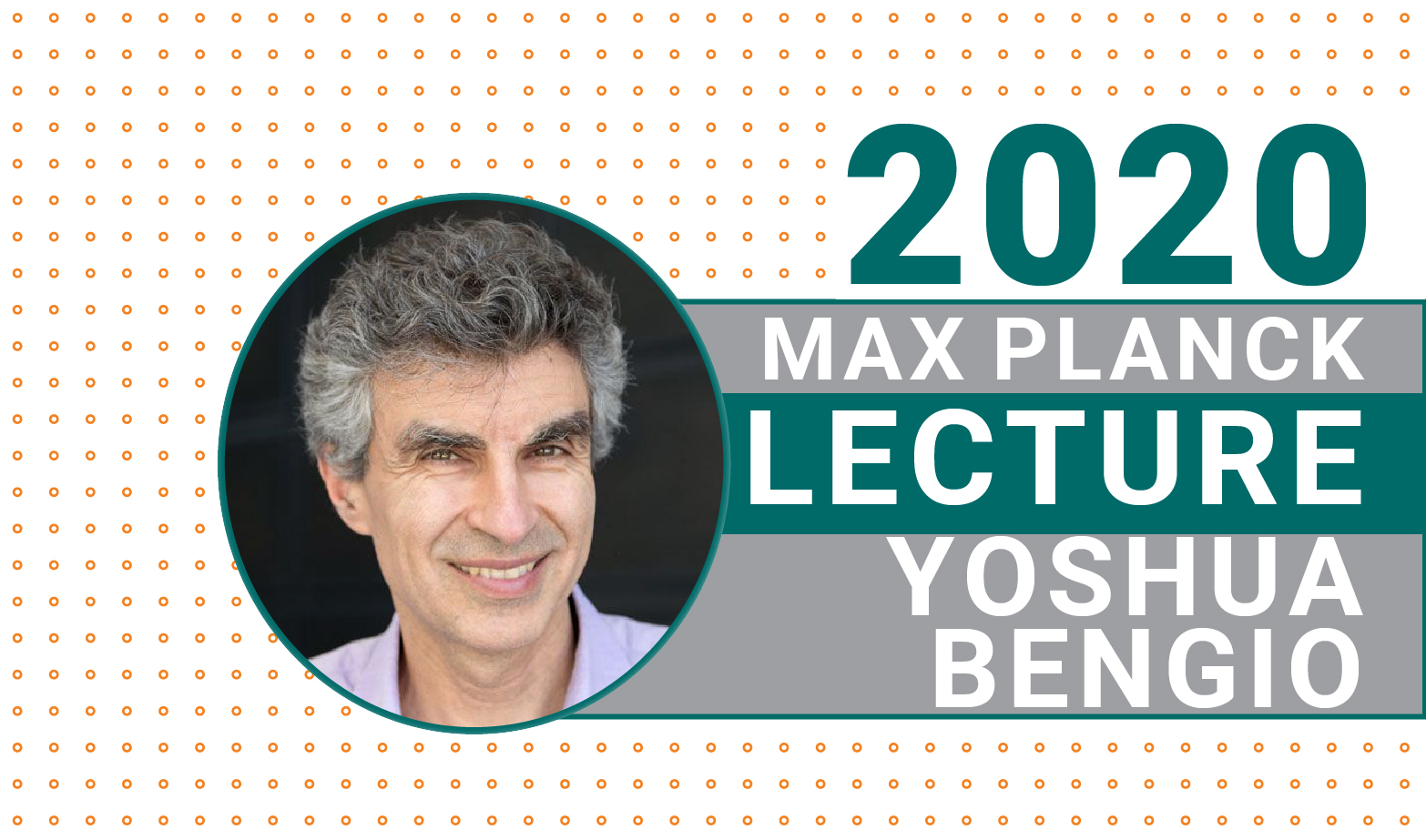
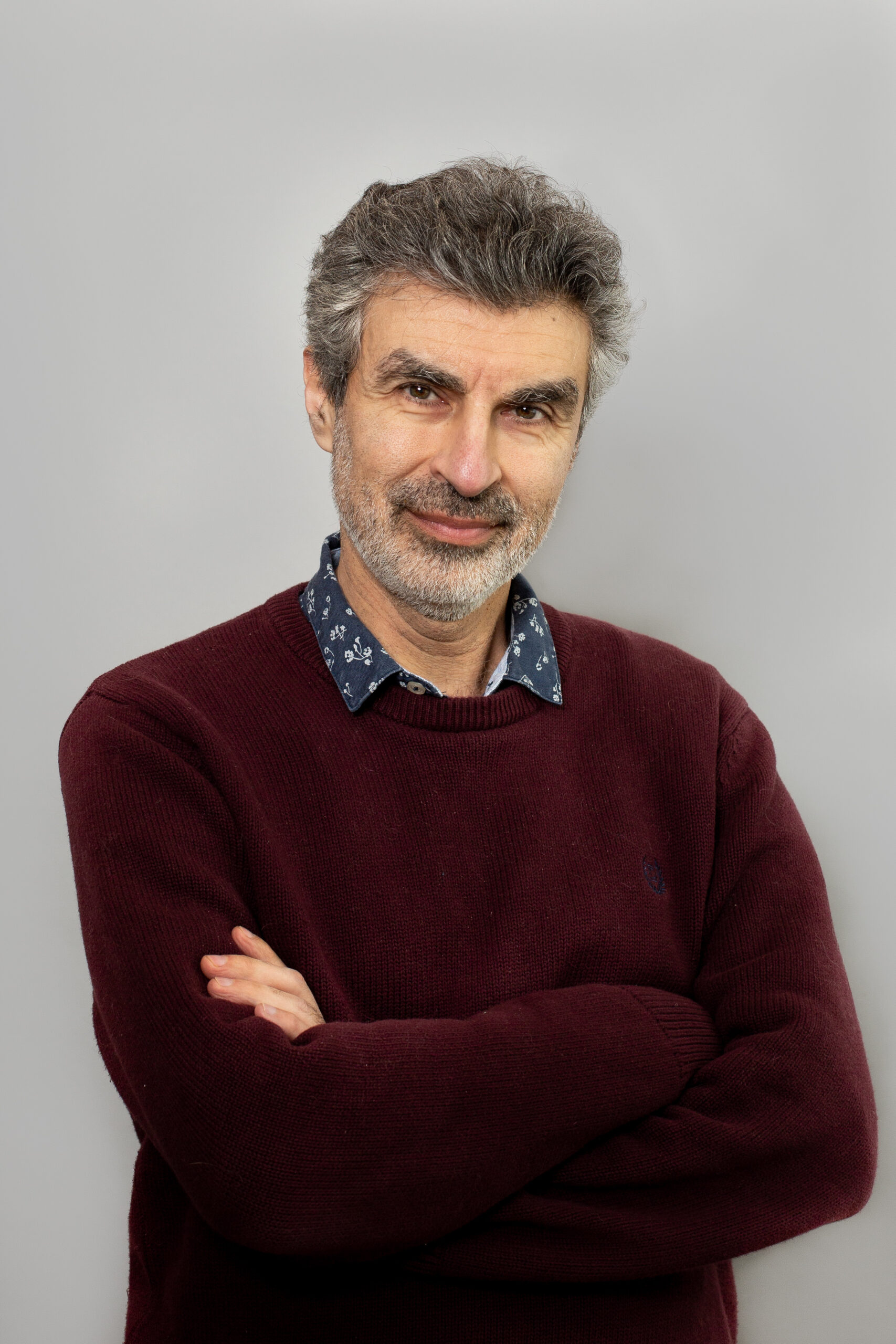
    Stuttgart – Der mehrfach preisgekrönte Informatiker Professor Yoshua Bengio hält am 23. Juni um 17:30 die Max Planck Lecture 2020, die in diesem Jahr virtuell stattfinden wird. Der Vortrag trägt den Titel "Machine Learning for COVID-19 Risk Awareness through Contact Tracing“ und wird vom Max-Planck-Institut für Intelligente Systeme veranstaltet.  

    Bengio ist ein Pionier auf dem Forschungsgebiet selbstlernender Maschinen. Zusammen mit einer Handvoll anderer herausragender Wissenschaftler gilt Bengio weithin als einer der „Väter der Deep-Learning-Revolution“. Im Jahr 2018 wurde er zusammen mit seinen Kollegen Geoffrey Hinton und Yann LeCunn mit dem Turing-Preis ausgezeichnet für seine konzeptionellen und experimentellen Arbeiten, die künstlichen neuronalen Netzen zum Durchbruch verholfen haben. Der Turing-Preis ist der weltweit bedeutendste Preis für Informatik und vom Ansehen her mit dem Nobelpreis vergleichbar. 

    „Yoshua Bengio hat jahrzehntelang das Forschungsfeld Deep Learning und Machine Learning wesentlich vorangetrieben und viele andere dabei unterstützt. Wir fühlen uns zutiefst geehrt, dass er dieses Jahr die Max Planck Lecture hält", sagt Bernhard Schölkopf, Direktor am MPI-IS in Tübingen, im Namen seiner Direktoren-Kolleg*innen Katherine J. Kuchenbecker, Michael J. Black, und Metin Sitti.

    Die Max Planck Lecture wird jährlich von einem/einer prominenten Wissenschaftler*in auf einem der Fachgebiete der beiden Stuttgart Max-Planck-Institute gehalten. Die Veranstaltung richtet sich an ein breites Publikum aus Wissenschaft, Wirtschaft und Politik sowie der interessierten Öffentlichkeit.

    Yoshua Bengio ist seit 1993 Professor in der Abteilung für Informatik und operationelle Forschung an der Université de Montréal. Neben dem kanadischen Forschungslehrstuhl für statistische Lernalgorithmen ist er Gründer und wissenschaftlicher Direktor von MILA, dem Institut für künstliche Intelligenz in Quebec, der weltweit größten universitären Forschungsgruppe auf dem Gebiet des Deep Learning. 

    Im Jahr 2018 wurde Yoshua Bengio als weltweit meistzitierter Informatiker ausgezeichnet. Er ist Mitglied des NeurIPS-Vorstands und Mitbegründer und allgemeiner Vorsitzender der ICLR-Konferenz sowie Programmdirektor des CIFAR-Programms Learning in Machines and Brains. Im Jahr 2020 wurde er zum Fellow der Royal Society of London ernannt.
     

    Informationen zum englischsprachigen Vortrag:

    The Covid-19 pandemic has spread rapidly worldwide, overwhelming manual contact tracing in many countries and resulting in widespread lockdowns for emergency containment. Large-scale digital contact tracing (DCT) has emerged as a potential solution to resume economic and social activity without triggering a second outbreak. Various DCT methods have been proposed, each making trade-offs between privacy, mobility restriction, and public health.

    Many approaches model infection and encounters as binary events. With such approaches, called binary contact tracing, once a case is confirmed by a positive lab test result, it is propagated to people who were contacts of the infected person, typically recommending that these individuals self-quarantine. This approach ignores the inherent uncertainty in contacts and the infection process, which could be used to tailor messaging to high-risk individuals, and prompt proactive testing or earlier self-quarantine. It also does not make use of observations such as symptoms or pre-existing medical conditions, which could be used to make more accurate risk predictions. 

    While methods that may use such information have been proposed, these typically require access to the graph of social interactions and/or the centralization of sensitive personal data, which is incompatible with reasonable privacy and security constraints. We use an agent-based epidemiological simulation to develop and test machine learning methods that can be deployed to a smartphone to locally predict an individual's risk of infection from their contact history and other information, while respecting strong privacy and security constraints. We use this risk score to provide personalized recommendations to the user via an app, an approach we call probabilistic risk awareness (PRA). We show that PRA can significantly reduce the spread of the disease compared to other methods, for equivalent average mobility and realistic assumptions about app adoption, and thereby save lives.

    To watch the live transmission of the 2020 Max Planck Lecture, please visit the MPI-IS youtube channel on Tuesday, June 23, at 5:30 p.m (CEST).
  • New video-based approach to 3D motion capture makes virtual avatars more realistic than ever

    New video-based approach to 3D motion capture makes virtual avatars more realistic than ever

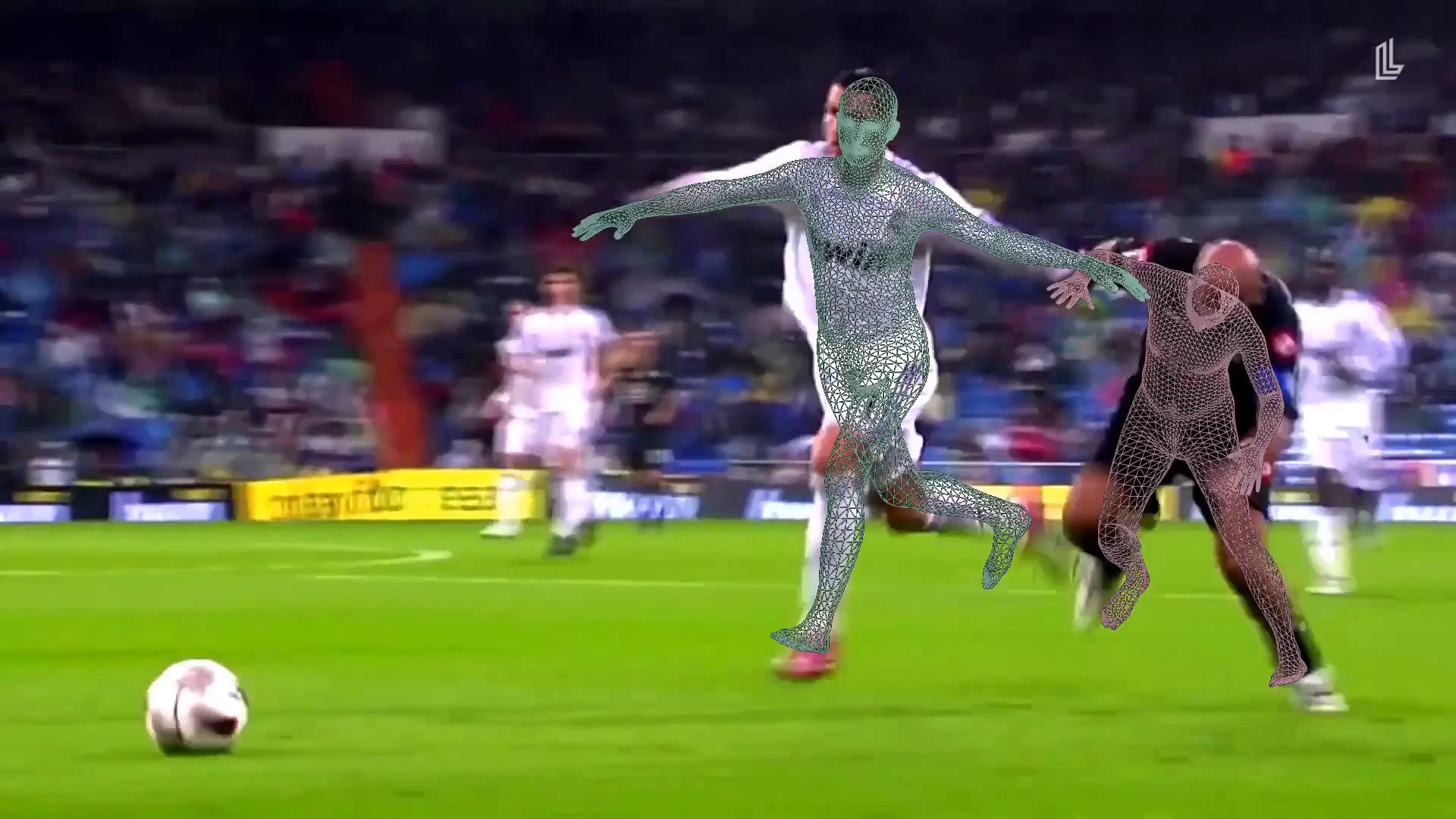
    Tübingen. June 17, 2020 – A team of scientists at the Max Planck Institute for Intelligent Systems (MPI-IS) in Germany has developed VIBE, an algorithmic model that enables more detailed and accurate estimates of 3D human motion from video than was previously possible. They describe the model in the recently published paper, “VIBE: Video Inference for Body Pose and Shape Estimation”, which they are presenting today at the Conference on Computer Vision and Pattern Recognition (CVPR). One of the most competitive conferences in the field, CVPR 2020 kicked off on June 14 and is being held online until June 18.

    “Previous frameworks do a good job of estimating 3D human pose and shape from a single image. But video-based models have not been able to mimic human motion realistically because of limited training data,” said Muhammed Kocabas, a Ph.D. student in the Perceiving Systems department at the MPI-IS and the paper’s co-author. “With VIBE, we have successfully addressed this challenge.”

    VIBE is a learning-based framework that draws on AMASS, a large-scale motion capture dataset developed at MPI-IS that can be used for animation, visualization, and generating training data for deep learning. The scientists trained the VIBE algorithm on an NVIDIA GPU not only to estimate 3D human motion, but also to distinguish between real and implausible movements. Here, AMASS is used as the source of real human motion. With a single video of a human moving, the model first extracts image features using a convolutional neural network (CNN), neural networks that are often used in the field of machine learning to recognize and classify images. These features are then processed by a recurrent neural network (RNN) – a network capable of classifying temporal sequences and thus of capturing the sequential nature of human motion. The result is a smooth, realistic prediction of human pose, shape, and motion. 

    “What sets VIBE apart is its ability to detect a human subject’s entire range of action and motion in detail, including the way limbs and extremities move,” says Nikos Athanasiou, who is also a Ph.D. student in the Perceiving Systems Department and co-author of the paper. “From a single video, VIBE can produce realistic human motion very quickly, without any additional effort.”


    With VIBE, 3D motion capture can be easier, faster, and much less expensive

    VIBE could have a decisive impact on 3D animation. While high-quality virtual movement has long been a fixture of animated film and video games, producing realistic human shapes and poses generally involves a great deal of handcrafting: annotating a few seconds of video takes graphic artists and technicians several hours and requires an elaborate set-up of sensors and cameras. With VIBE, 3D motion capture can be easier, faster, and much less expensive.

    “Understanding human behavior – how people move about in a scene, for example – is a fundamental task in the field of computer vision,” says Michael J. Black, Director at the Max Planck Institute for Intelligent Systems in Tübingen and head of the Perceiving Systems Department. “The VIBE model contributes to improve this understanding, and it shows promise for applications in a broad range of fields, from augmented reality to autonomous driving, robotics, and medical applications. More accurate 3D predictions of human motion will pave the way for computers to work more collaboratively with humans.” 

  • Four-legged robot makes research comparable worldwide

    Four-legged robot makes research comparable worldwide

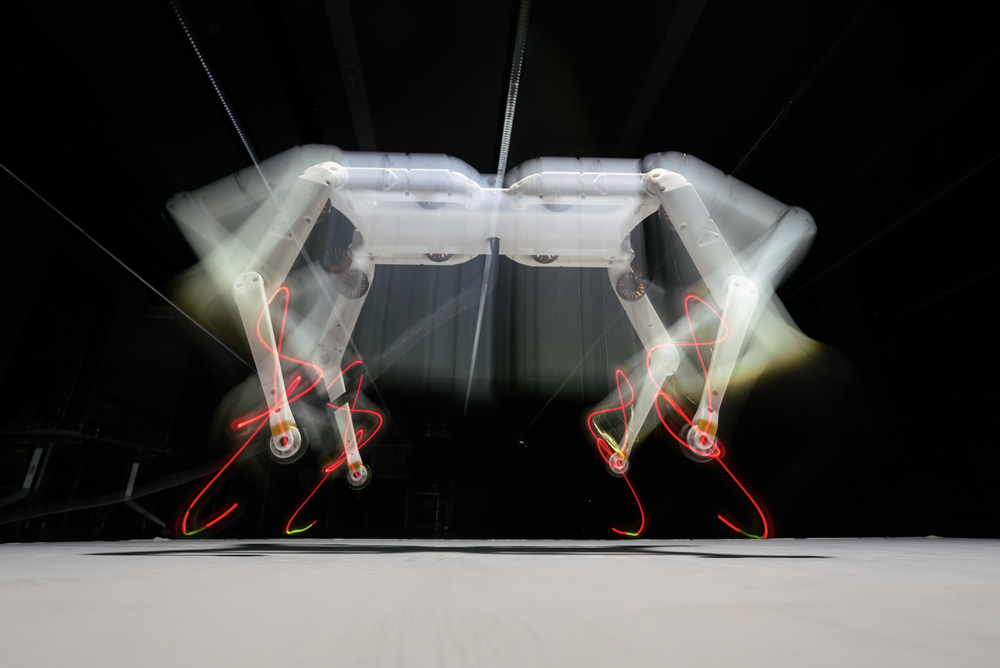
    Tübingen/Stuttgart/New York – In collaboration with roboticists in New York, scientists at the Max Planck Institute for Intelligent Systems (MPI-IS) in Germany developed an agile, four-legged robot that is among the most convenient, easy to use and dynamic research platforms in the world. The main idea behind the project is to make its technology available to any robotic research lab. Roboticists around the globe can exchange algorithms and compare methods on similar platforms, gaining insights from other teams’ experiments who use the identical robot hardware. In robotics, comparative data is a critical step towards rapid progress.

    Resembling an over-excited dog waiting to be walked, the light-weight and torque-controlled quadruped robot is state of the art. It already can do remarkably dynamic tricks, such as jumping waist high or toppling over and coming back onto its feet. The multi-disciplined research team behind the project prioritized the robot's dynamic capabilities but also its low cost and easy replication. The team envisions an accessible and affordable locomotion platform for research and teaching. Most parts of Solo 8 are 3D-printed, and the few remaining ones are purchasable off-the-shelf. The construction files and the GitHub documentation are published open-source under the BSD 3-clause license. And the open-access allows the project to grow and enable other scientists to leverage the modular set-up when prototyping and developing their own technology.

    Step by step, the four-legged robot is jumping into action

    Already a few universities have approached the team. “Our robot platform is a great base to quickly prototype and build high-performance hardware,” says Ludovic Righetti, who is an Associate Professor at the Tandon School of Engineering at New York University and a research group leader at the MPI-IS. “In return we benefit, because other researchers can contribute to the project, for example colleagues at the LAAS-CNRS in France have developed an electronic board to help communicate with the robot over WiFi. Also complex control and learning algorithms can be rapidly tested on the platform, decreasing the time from idea to experimental validation. It greatly simplifies our research and our open-source approach allows us to compare algorithms with other laboratories, allowing us to better compare their performance. In my lab here in New York, our most advanced algorithm was tested on Solo. It would have been much more difficult on a different platform. That was a big deal for us.”

    No need to reinvent the wheel

    “For a research group to develop such a robot themselves, it takes easily four years of work,” says Alexander Badri-Spröwitz, leader of the Dynamic Locomotion research group at the MPI-IS. “Additionally, you need a wide range of expertise. Our platform is the combined knowledge of several teams. Now any robotics lab worldwide can go online, download the files and print the parts, and buy the remaining components from the catalog. Roboticists can add extra features within a few extra weeks. Done – you’ve got yourself a world-class robot.” Home-made and easy to tweak to meet one’s individual research goal: all this without breaking a lab’s bank. Solo costs much less than what a store-bought legged robot would set you back


    Figure: Quadruped robot “Solo 8” jumps up 65 cm from a standing height of 24 cm (Photo: MPI for Intelligent Systems / W. Scheible)

    The Open Dynamic Robot Initiative was kick-started in 2016 by Felix Grimminger, Ludovic Righetti, and Alexander Badri-Spröwitz and their teams. The project was originally funded by Righetti's ERC Starting Grant and then by several MPI-IS' grassroot projects and a US National Science Foundation grant. Over the years, more scientists joined, combining expertise in mechanical engineering, mechatronics, electrical engineering, and computer science. In 2018, robot Solo 8 first roamed the research labs in Tübingen and Stuttgart. In May 2020, the publication “An Open Torque-Controlled Modular Robot Architecture for Legged Locomotion Research” was accepted to the Robotics and Automation Letters. The research will also be presented at ICRA, the International Conference on Robotics and Automation, one of the world’s leading robotic conferences. This year, ICRA will be held virtually, starting at the end of May. 

    “Solo has some novel capabilities that we are interested to explore in the future,” says Felix Grimminger, a Mechatronics Engineer at the MPI-IS. The concept for Solo was his idea, the constant optimization his incentive. “It has an extensive range of motion. When the robot falls on its back, it can configure the legs the other way and just stand up. Or it can jump up to reach 65 centimeters from a standing height of 24 cm.” 

    The robot achieves a spring-like behavior, i.e., its legs act as a rebounding structure. The torque-controlled motors perform like the muscles in animal legs or the elasticity in the tendons. "Note that the robot uses virtual springs, they are not mechanical springs. And as virtual springs, they can be programmed. You can, for instance, adjust the spring stiffness from soft to hard. A variable stiffness is what we see in animals and humans and Solo is just as able to adjust its stiffness as they can. This way, the robot achieves adaptive and robust locomotion behavior. With all the exciting results visible in the videos," Badri-Spröwitz adds. 

    Building a Zoo of robots 

    Another main feature is the lightweight design of just over 2 kg, providing a very high power to weight ratio. Most quadrupeds are significantly heavier and therefore harder to handle in a research environment. With a low weight, it now becomes easy for students to work with the robot, and it is safer. “If they want to, they can put Solo 8 in a backpack and take it home or to a conference,” Badri-Spröwitz says. 

    The researchers also put a lot of effort into optimizing and testing Solo’s core actuator module. “It was important to get this right. The core actuator is like the basic building block that we reuse with little variations over and over again,” Grimminger adds. “That way we can build a zoo of robots.” 

    The robot carries the number eight in its name, doing justice to its eight actuated joints: each robot leg can change the angles in its hip and knee. A new robot version was recently finished and first tests conducted with more degrees of freedom: a total of twelve, three per leg. The Solo 12 can now also step sideways. “That means Solo 12 – because of its additional degrees of freedom – will be even more versatile and able to display more complex behaviors,” Grimminger concludes. 


  • Michael J. Black awarded major “test of time” prize at the 2020 Conference on Computer Vision and Pattern Recognition (CVPR)

    Michael J. Black awarded major “test of time” prize at the 2020 Conference on Computer Vision and Pattern Recognition (CVPR)

    Tübingen. June 16, 2020 – Michael J. Black, Director at the Max Planck Institute for Intelligent Systems (MPI-IS) and Distinguished Amazon Scholar, has been awarded the 2020 Longuet-Higgins Prize at the IEEE Conference on Computer Vision and Pattern Recognition (CVPR). The award was announced today at the conference, which is being held online until June 18. 

    The prize is awarded annually by the IEEE Pattern Analysis and Machine Intelligence (PAMI) Technical Committee for “Contributions in Computer Vision that Have Withstood the Test of Time.” It recognizes CVPR papers from ten years ago that have made a significant impact on computer vision research. Black shares the award with his former students Deqing Sun (Google) and Professor Stefan Roth (TU Darmstadt) for their paper “Secrets of optical flow estimation and their principles”. 

    “I am deeply honored to have worked with great students and collaborators like Deqing and Stefan and I thank the Technical Committee for recognizing our work,” said Black, who is now the only researcher to have won all three major test-of-time prizes in the field of computer vision. In 2010, he received the Koenderink Prize at the European Conference on Computer Vision (ECCV). He was also awarded the Helmholtz Prize at the International Conference on Computer Vision (ICCV) in 2013. 

    The paper addressed the problem of computing motion in video sequences, that is, “optical flow”. It was presented at CVPR in 2010 and has since been widely cited. The researchers carefully evaluated many of the dominant techniques in the field to understand which ones were most important.  This revealed that a simple heuristic was a key to accuracy. By formalizing this heuristic, the scientists were able to improve upon it and incorporate it into a principled optical flow algorithm called “Classic+NL”, which was state-of-the-art at the time.

    Over the past decade, Michael J. Black has continued to drive groundbreaking research in the field of computer vision forward. He and his Perceiving Systems department have had 57 papers published at CVPR since 2010.

    More information:
    Michael J. Black: https://ps.is.tuebingen.mpg.de/person/black
    CVPR 2020: http://cvpr2020.thecvf.com/
    Longuet-Higgins Prize: https://www.thecvf.com/?page_id=534
    Award-winning paper: http://www.cs.brown.edu/people/dqsun/pubs/cvpr_2010_flow.pdf
    Cyber Valley: https://cyber-valley.de/en
    Max Planck Institute for Intelligent Systems: https://is.mpg.de/
    Amazon Science: https://www.amazon.science/
    Deqing Sun: https://deqings.github.io/
    Stefan Roth: https://www.visinf.tu-darmstadt.de/team_members/sroth/sroth.en.jsp

  • Machine Learning for Covid-19 Risk Awareness from Contact Tracing – Max Planck Lecture

    Machine Learning for Covid-19 Risk Awareness from Contact Tracing – Max Planck Lecture

    The Covid-19 pandemic has spread rapidly worldwide, overwhelming manual contact tracing in many countries, resulting in widespread lockdowns for emergency containment. Large-scale digital contact tracing (DCT) has emerged as a potential solution to resume economic and social activity without triggering a second outbreak. Various DCT methods have been proposed, each making trade-offs between privacy, mobility restriction, and public health. Many approaches model infection and encounters as binary events. With such approaches, called binary contact tracing, once a case is confirmed by a positive lab test result, it is propagated to people who were contacts of the infected person, typically recommending that these individuals should self-quarantine. This approach ignores the inherent uncertainty in contacts and the infection process, which could be used to tailor messaging to high-risk individuals, and prompt proactive testing or earlier self-quarantine. It also does not make use of observations such as symptoms or pre-existing medical conditions, which could be used to make more accurate risk predictions. Methods which may use such information have been proposed, but these typically require access to the graph of social interactions and/or centralization of sensitive personal data, which is incompatible with reasonable privacy and security constraints. We use an agent-based epidemiological simulation to develop and test ML methods that can be deployed to a smartphone to locally predict an individual's risk of infection from their contact history and other information, while respecting strong privacy and security constraints. We use this risk score to provide personalized recommendations to the user via an app, an approach we call probabilistic risk awareness (PRA). We show that PRA can significantly reduce spread of the disease compared to other methods, for equivalent average mobility and realistic assumptions about app adoption, and thereby save lives.


    As you may have read on Twitter, Professor Geoffrey Hinton has decided to cancel his talk at the 2020 Max Planck Lecture for scientific reasons. While we are very sorry that Professor Hinton will not be able to speak, we are pleased to announce that one of his fellow Alan Turing Award recipients has generously offered to hold the lecture. 


    Live transmission will take place on the event website on the day of the talk at 5:30 pm CEST.


    Biography: 

    Yoshua Bengio is recognized as one of the world’s leading experts in artificial intelligence and a pioneer in deep learning. Since 1993, he has been a professor in the Department of Computer Science and Operational Research at the Université de Montréal. He is the founder and scientific director of Mila, the Quebec Institute of Artificial Intelligence, the world’s largest university-based research group in deep learning. He is a member of the NeurIPS board and co-founder and general chair for the ICLR conference, as well as program director of the CIFAR program on Learning in Machines and Brains.In 2018, Yoshua Bengio ranked as the computer scientist with the most new citations, worldwide, thanks to his many publications. In 2019, he received the ACM A.M. Turing Award, “the Nobel Prize of Computing”, jointly with Geoffrey Hinton and Yann LeCun for conceptual and engineering breakthroughs that have made deep neural networks a critical component of computing. In 2020 he was nominated Fellow of the Royal Society of London.


    About the Max Planck Lecture

    In the past, Max Planck Lecture was hosted by Stuttgart’s Max Planck institutes, the Max Planck Institute for Intelligent Systems (MPI-IS) and the Max Planck Institute for Solid State Research (MPI-FKF). Since 2003, these two institutes have alternately organized the Max Planck Lecture once per year. 

    The Max Planck Lecture is given by outstanding scientists and leaders who are internationally recognized in their field. MPI-IS is delighted to announce that our 2020 speaker is Professor Yoshua Bengio from Université de Montréal.

    Max Planck Lectures are designed to be accessible to a wide audience including scientists, industry practitioners, government decision makers, and the general public interested in science and technology.

    Previous Max Planck Lectures.


  • Swimming robot gives valuable insights into locomotion of fish

    Swimming robot gives valuable insights into locomotion of fish

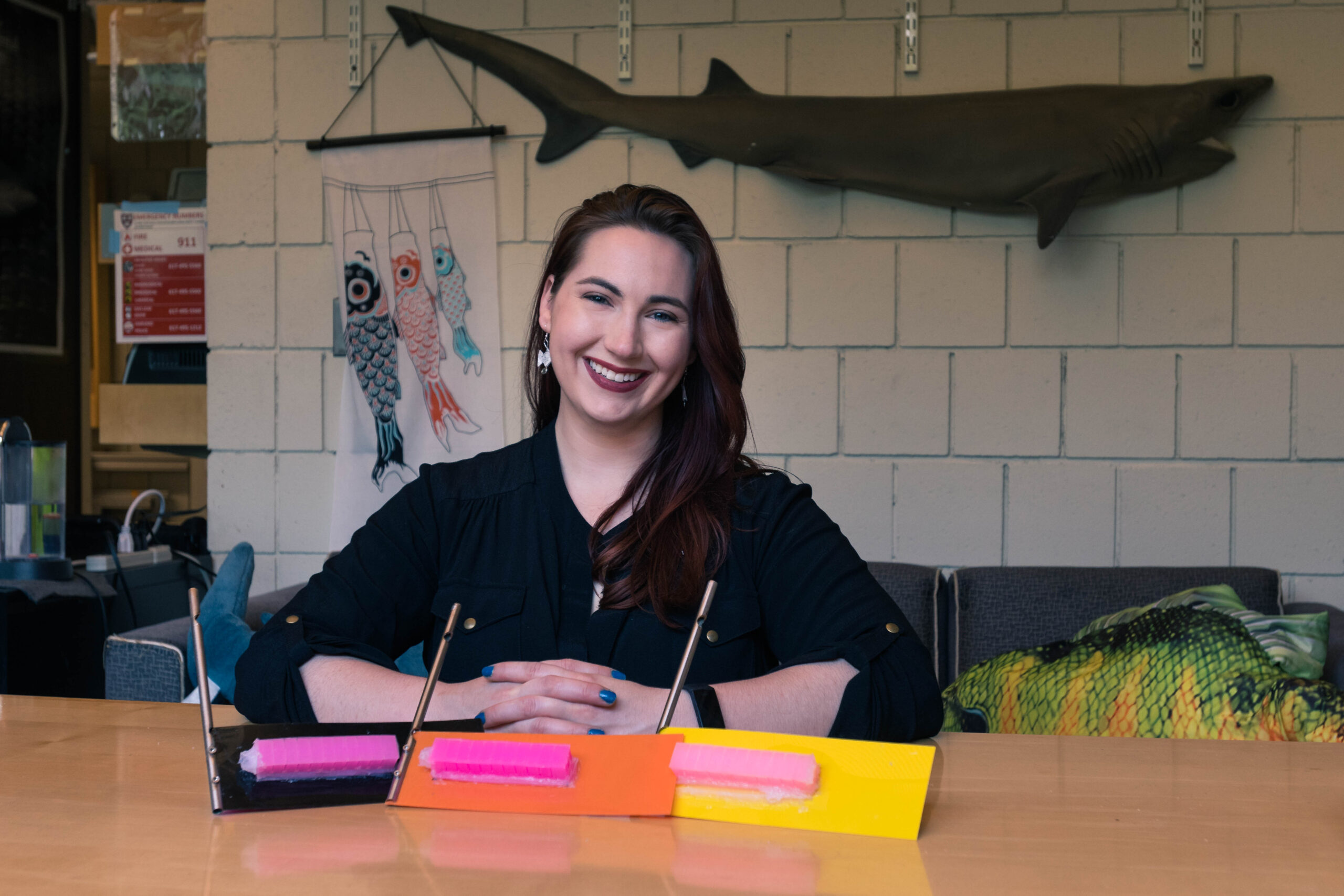
    Scientists at the Max Planck Institute for Intelligent Systems who are part of the Cyber Valley research consortium together with researchers from Harvard University developed a swimming soft robot and studied its wave-like forward propulsion under water. The soft robophysical model serves as a ‘model animal’ aiming to decipher the complex locomotion behaviors observed in the natural world. The scientists extract the design principles and locomotion capabilities to build better robots, but most importantly to gain valuable knowledge about the morphological intelligence of animals. Their paper “Fish-like aquatic propulsion studied using a pneumatically-actuated soft-robotic model” was published in the journal Bioinspiration & Biomimetics on June 9, 2020.

    When a fish swims in water, electrical impulses travel in waves through its muscles. From head to tail, the animal bends back and forth, creating a forward thrust during locomotion. The researchers investigated how different parameters affect the swimming movement. They wanted to find out what influence it has to swimming whether a fish body is stiff or floppy, by measuring how fast the body swings from right to left to propel the system. In real living fishes, such parameters are difficult to isolate and measure individually – hence the team around lead author Zane Wolf built a fish robot.

    The team developed a pneumatically actuated, fish-like model made of soft silicone and used it to investigate the thrust forces triggered by different parameters and how they influence each other. They measured the forward thrust as well as the side forces and torques generated during swimming using a statistical linear model.

    “We found that both stiffness and frequency substantially affect swimming kinematics, and that there are complex interactive effects of these two parameters on thrust,” says Ardian Jusufi, who is head of the Cyber Valley independent research group “Locomotion in Biorobotic & Somatic Systems” at the MPI-IS and who contributed to this paper. “The stiffer the backbone of our fish-like robot, the more important is an increasing frequency to generate thrust.” For stiffer biorobotic models, increasing frequency resulted in higher values for both thrust and lateral forces, he adds. However, large lateral forces in turn reduced the swimming efficiency. Jusufi and colleagues were able to mitigate this effect by smaller wave movements and by appropriately phasing the left and right body movements, reduced the amplitudes of the lateral force.

    “This research cooperation aims at understanding the musculoskeletal system of animals, which is our priority,” Jusufi says. “As we observe the unique maneuvers and strategies utilized by animals, our goal is also to decipher their morphological intelligence with robophysical modelling. Robotics-inspired biology can help us to better understand the spectacular and graceful movement observed in natural systems, drawing conclusions as to why evolution produced a certain solution.” It is a learning cycle where biology helps design better robot locomotion and the robot opens up insights into biology that would not be possible otherwise. In the end, researchers like Jusufi gain a deeper understanding of both. In this spirit, Jusufi’s lab has also advocated for the greater utilization of soft robotics (incl. soft sensors [1]) to uncover neuromechanical insights in a forthcoming publication in Wiley Advanced Intelligent Systems [2].


    Relevant sources:
    [1] Wearable and Stretchable Strain Sensors: Materials, Sensing Mechanisms, and Applications. Souri, Banerjee, Jusufi, Radacsi, Stokes, Park, Sitti, Amjadi. Advanced Intelligent Systems. 2020 (2). DOI: 10.1002/aisy.202000039. https://onlinelibrary.wiley.com/doi/10.1002/aisy.202000039

    [2] Soft Sensors for Curvature Estimation under Water in a Soft Robotic Fish. Wright, Vogt, Wood, and Jusufi. IEEE International Conference on Soft Robotics 2019. https://ieeexplore.ieee.org/document/8722806

    Contact information of cooperation team members:

    Zane Wolf
    Organismic and Evolutionary Biology
    Harvard University, Cambridge, USA
    Email: zwolf.mlxvi@gmail.com

    Dr. Ardian Jusufi
    Locomotion in Biorobotic & Somatic Systems
    Max Planck Institute for Intelligent Systems, Stuttgart, Germany
    Email: ardian@is.mpg.de    

    Daniel Vogt
    Harvard Microrobotics Lab and Wyss Institute
    Harvard University, Cambridge, USA
    Email: daniel.vogt@wyss.harvard.edu

    Prof. George Lauder
    Museum of Comparative Zoology
    Harvard University, Cambridge, USA
    Email: glauder@oeb.harvard.edu

    Editor's note: This news article was updated on June 12, 2020. An earlier version did not include the photo of lead author Zane Wolf.

  • Cyber Valley partner institutions shine once again at leading international conferences

    Cyber Valley partner institutions shine once again at leading international conferences

    In the coming weeks, the Cyber Valley research consortium will make a strong showing on the global stage once again: scientists from the Max Planck Institute for Intelligent Systems (MPI-IS), the University of Tübingen, and the Bosch Center for Artificial Intelligence (BCAI) will be well represented at the upcoming International Conference on Machine Learning (ICML) and Conference on Computer Vision and Pattern Recognition (CVPR), two of the leading conferences in global artificial intelligence (AI) research. As a result of the COVID-19 pandemic, both conferences are being held virtually this year. CVPR is set to run from June 14-19, and ICML will follow from July 12-18.

    With a total of 27 papers accepted at both conferences – 15 at CVPR and 12 at ICML – the initiative has once again demonstrated that southwestern Germany is a European hotspot for research in the fields of machine learning, computer vision, and robotics.

    “Just like last year, our success at these two highly competitive conferences shows that Cyber Valley researchers are among the world’s very best,” says Michael Black, Speaker of the Cyber Valley Executive Board and Director at the Max Planck Institute for Intelligent Systems, where he heads the Perceiving Systems department. In recent years, submissions to both conferences have exploded, reflecting rapid growth in the field of AI. In 2020, ICML received 4,090 papers, around 600 more than the previous year. The increase in submissions at CVPR was even more dramatic: this year, 6,656 papers were submitted, compared with 5,165 in 2019. For 2020, acceptance rates for the two conferences stood at around 22 percent.

    Several of the papers from Cyber Valley institutions accepted at ICML and CVPR are the product of joint research between the University of Tübingen and MPI-IS or BCAI. “The Cyber Valley initiative has created a campus-like environment that provides researchers at the partner institutions with the infrastructure they need to collaborate and learn from each other. Our consistent success at international conferences shows that this approach pays off,” says Philipp Hennig, Professor for the Methods of Machine Learning at the University of Tübingen and Deputy Speaker of the Cyber Valley Executive Board.

    Since the Cyber Valley consortium was founded at the end of 2016, it has grown into a dynamic ecosystem in the Stuttgart/Tübingen region, with newly established professorships, research groups, industry research labs, doctoral programs, and Germany’s first international master’s program in machine learning. The initiative has attracted a growing number of talented young people from around the world, and has quickly built an international reputation as a top research location in the field of modern AI.

    A full list of papers and authors is available here.

  • Scientists in Tübingen develop 3D head model that can be used to design better-fitting protective gear

    Scientists in Tübingen develop 3D head model that can be used to design better-fitting protective gear

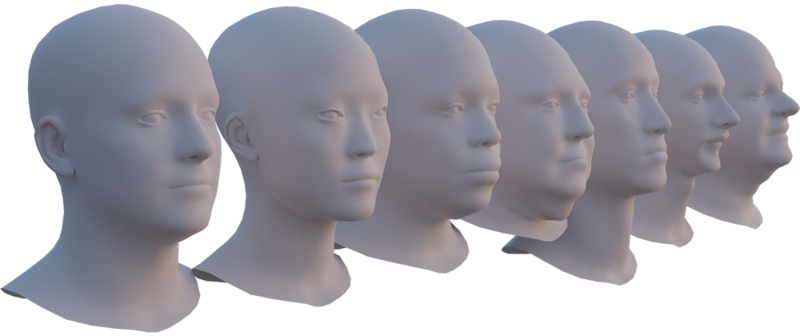
    Tübingen – Researchers at the Max Planck Institute for Intelligent Systems in Tübingen, Germany have developed a statistical three-dimensional (3D) model of the human head that can be used to design, test, and fit facial protective gear. The model, called FLAME, allows designers to create strikingly realistic 3D heads corresponding to any type of facial shape. The model can smile, frown, and shout just as people do. The scientists have made FLAME available free of charge to researchers and companies.

    Fig 1: One size doesn’t fit all. The average human head shown on the left looks very different from the individuals to the right. FLAME represents the 3D head shape of real people like the six real people on the right. By accurately representing head shape in the population, FLAME can help designers create better masks and test how well they fit.

    “With the COVID-19 pandemic, we’ve seen healthcare workers around the world struggling with ill-fitting protective gear,” says Michael Black, Director at the Max Planck Institute for Intelligent Systems, Head of the Perceiving Systems department, and leader of the project team. “And as a growing number of communities make mask-wearing mandatory in public life, masks are becoming the new normal. That’s why we see an urgent need for masks that are designed to fit well, and FLAME could be part of the solution.”

    To develop FLAME, Black and his team used machine learning to create a head model from over 30,000 detailed 3D scans of real human heads and faces. “FLAME can represent the shape of anyone’s face because it has seen so many different shapes. This makes it an ideal tool for designing facial protective clothing,” says Timo Bolkart, who is a research scientist at the MPI-IS and one of the lead members of the FLAME project team.

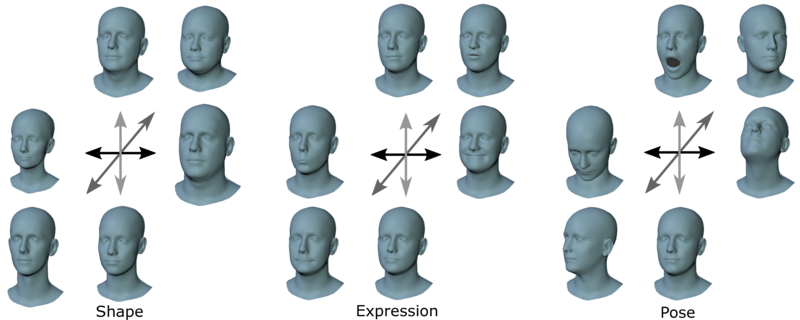
    Fig 2: FLAME is a statistical 3D head model created from over 30,000 3D head scans using machine learning. FLAME separates head shape from facial expression and head pose, which all influence mask fit. This allows designers to explore how these different aspects affect all-day comfort.

    “Masks have to fit well to be effective but not everyone has the same shaped face,” Black adds. “Companies sell different sized shoes and clothes, so why do masks come in only one size?” The researchers provide an interactive tool that lets designers explore the natural range of 3D facial shapes and expressions.

    The scientists see FLAME as a good example of technology transfer between research and industry. “We see this project as one of many ways in which machine learning and AI can benefit society, and we hope it has a positive impact in addressing the pandemic,” says Black, who is also Speaker of Cyber Valley, Europe’s largest research consortium in the field of artificial intelligence.

    For more about FLAME visit the website.

    About Cyber Valley

    Cyber Valley is Europe's largest research cooperation in the field of artificial intelligence with partners from politics, science, business and society. The partnership strengthens research and teaching in the fields of machine learning, computer vision and robotics as well as the links between these fields. Partners are the Max Planck Institute for Intelligent Systems, the University of Stuttgart, the University of Tübingen, the State of Baden-Württemberg and seven industrial partners: Amazon, the BMW Group, IAV GmbH, Daimler AG, Porsche SE, Robert Bosch GmbH and ZF Friedrichshafen AG. Cyber Valley is also supported by the Christian Bürkert Foundation, the Gips-Schüle Foundation, the Vector Foundation and the Carl Zeiss Foundation.

  • 3D printers run hot in Cyber Valley: Rapid help for hospitals

    3D printers run hot in Cyber Valley: Rapid help for hospitals

    Hospitals are currently facing shortages of many medical consumables, not just face masks. Rapid help is needed. These are problems with which the Project Group for Automation in Medicine and Biotechnology PAMB, Mannheim, a spin-off from Fraunhofer IPA, is well acquainted. After all, it engages with medical professionals on a daily basis. Its headquarters are located at the heart of the grounds that house Mannheim University Hospital and it has a coronavirus diagnosis station right outside its window. The project group’s medical technicians have provided rapid, direct support to the doctors.

    Medical safety eyewear in short supply

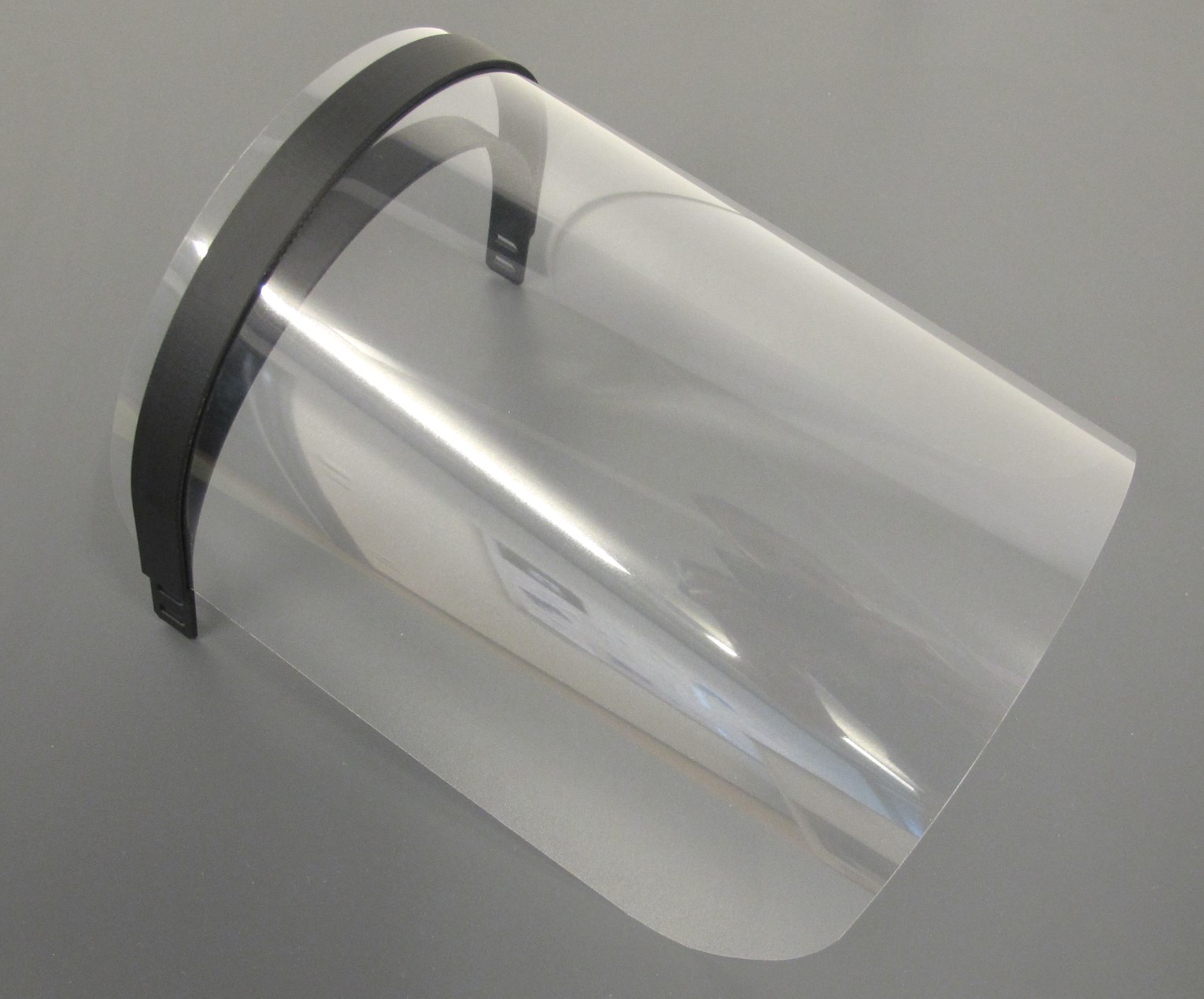
    Protective goggles are above all in short supply – a mass product for single use. Theyare similar to welding goggles and consist of a frame and a transparent plastic screen. Although there is no shortage of screens in the hospital, there has been a lack of frames. Even though these plastic components are not high-tech products, they still need to comply with the quality specifications – familiar ground for IPA scientists as they are well acquainted with risk assessments and guidelines in medical technology.

    A prototype was quickly developed, manufactured and clinically tested for usability: The tests proved that it could be sterilized and did not cause skin irritation. It was not long before the Project Group was able to provide an initial sample to the doctors. These samples were highly successful and the hospital requested 500 units. But this was not so simple. Although the Project Group has its own 3D printer which can manufacture plastic components such as these, it is unable to make more than 20 frames per day, even when working around the clock. This is where the Mannheim-based company Hänssler Kunststoff- und Dichtungstechnik GmbH comes in. Over the weekend, it manufactured an initial batch, which has now been delivered and is being used in the university hospital. The Project Group will also be able to step in and help other hospitals if required.

    The 3D printers at the Max Planck Institute for Intelligent Systems in Tübingen are also running hot. To date, several researchers have printed hangers for 60 face shield holders and have delivered them to the neighbouring University Hospital in Tübingen. They are participating in the #MaskUpInitiative. The aim of the network is to get as many users of 3D printers worldwide as possible to produce components for protective gear.


    Disinfectant dispensers from the printer

    Dispensers for disinfectants also come from the 3D printer. In this project, the Fraunhofer researchers are cooperating with the neighboring chemical company BASF, which supplies enough disinfectant, but dispensers are now in short supply. Here too, Fraunhofer employees have produced a sample copy and will produce 100 to 150 of such dispensers.

    Self-made ventilators

    Many of the Project Group members are now working from home, but this has not stopped them tackling the coronavirus outbreak on yet another front. Coordinated by Fraunhofer, the Project Group is aiming to have developed an alternative emergency ventilator within a few weeks. It is likely to comprise suitable materials that will also be in good supply throughout the crisis in addition to components that can be easily manufactured, so that the solution can be rapidly used as an alternative in regions experiencing ventilator shortages. The aim is to have the documents for an operational device ready as soon as the end of April and then make these available alongside the training documents.

    For more information about the Fraunhofer project visit: https://www.ipa.fraunhofer.de/en/press-media/press_releases/medical_safety.html

  • Fraunhofer: “Access checker” remotely measures body temperature in addition to heart and breathing rate

    Fraunhofer: “Access checker” remotely measures body temperature in addition to heart and breathing rate

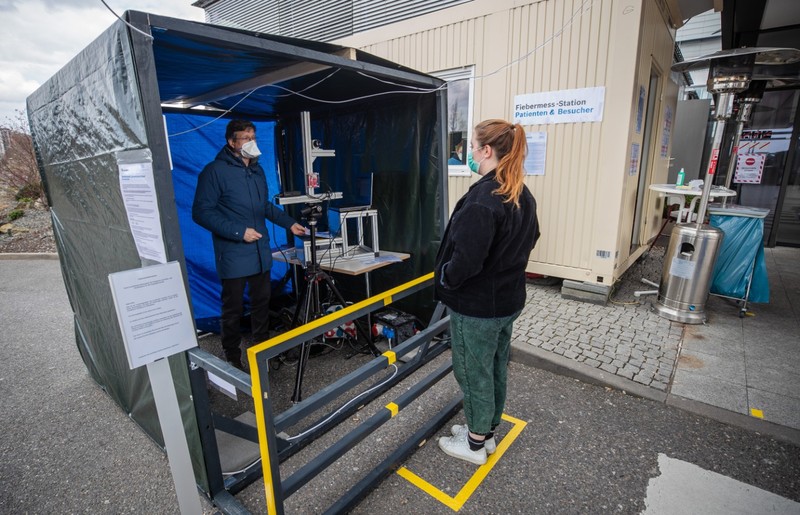
    Hospitals are presently obliged to maintain entrance controls. Given the spread of coronavirus, it is essential to ensure that patients, hospital staff and visitors are not carrying the virus into the hospital and thereby endangering people who already have compromised immune systems. In front of the main entrance of the Robert Bosch Hospital (RBK) in Stuttgart, Fraunhofer IPA and Fraunhofer IAO, together with the RBK, are currently testing a procedure that is set to simplify these controls.

     © Robert Bosch Hospital/Christoph Schmidt
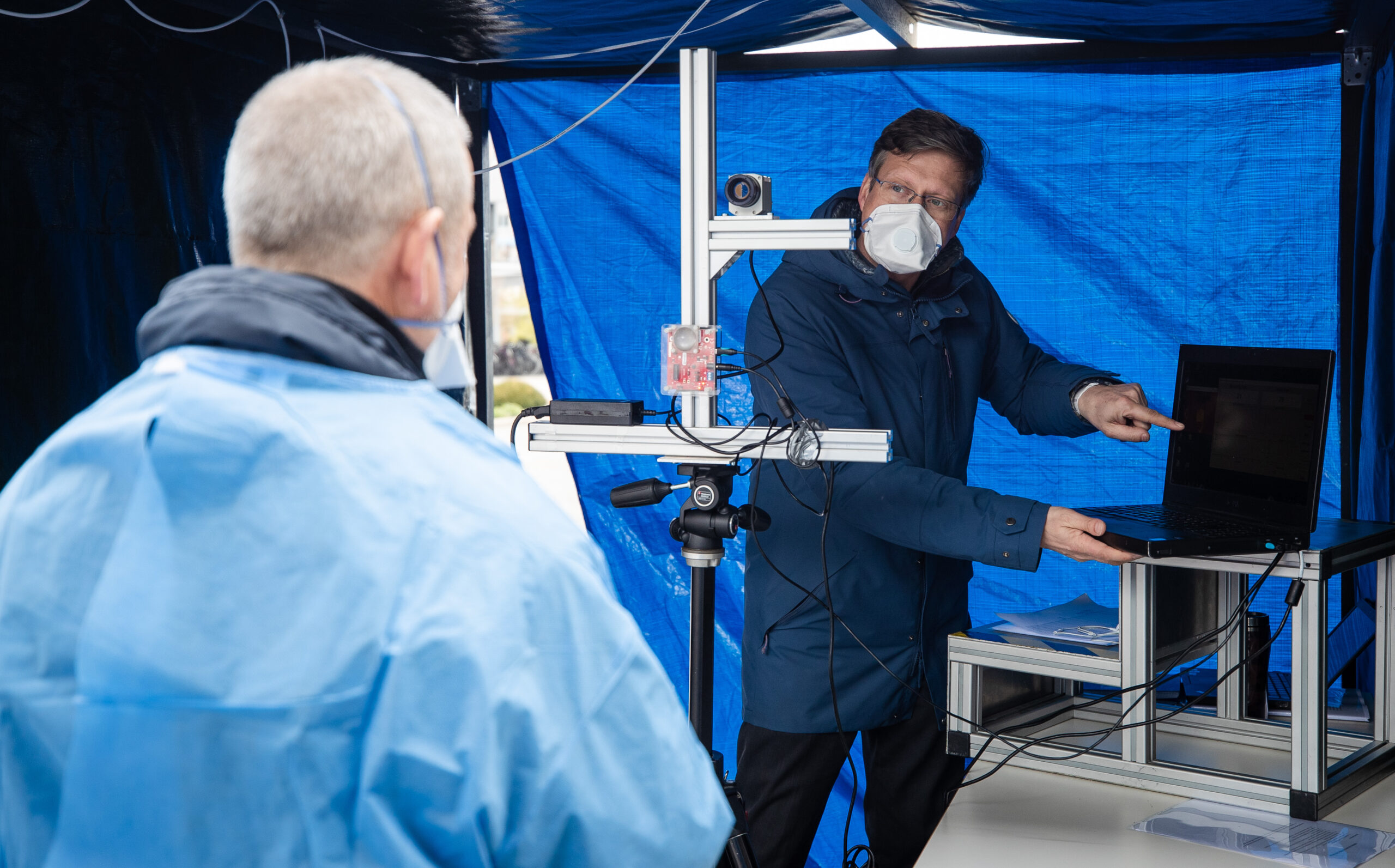
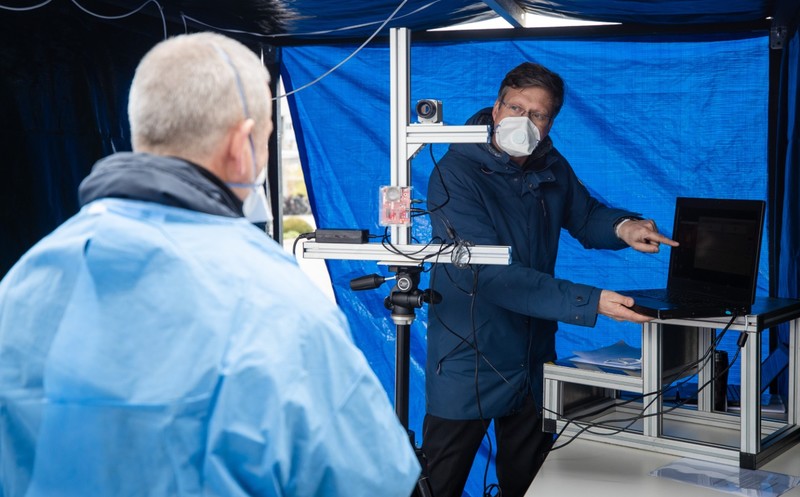
    Fraunhofer IPA’s Dr. med. Urs Schneider conducts the test method on a test subject.

    The innovative method developed by the Fraunhofer Institute for Manufacturing Engineering and Automation IPA measures all the relevant parameters from a distance of one meter. The professional carrying out the test via a laptop is able to maintain the required minimum distance of 1.5–2 meters without a problem. As a result, they are not put at risk and do not need to wear any PPE. This is an invaluable advantage in these present times, when not even basic face masks are available in sufficient quantities.

    Infrared camera and radar measure vital parameters

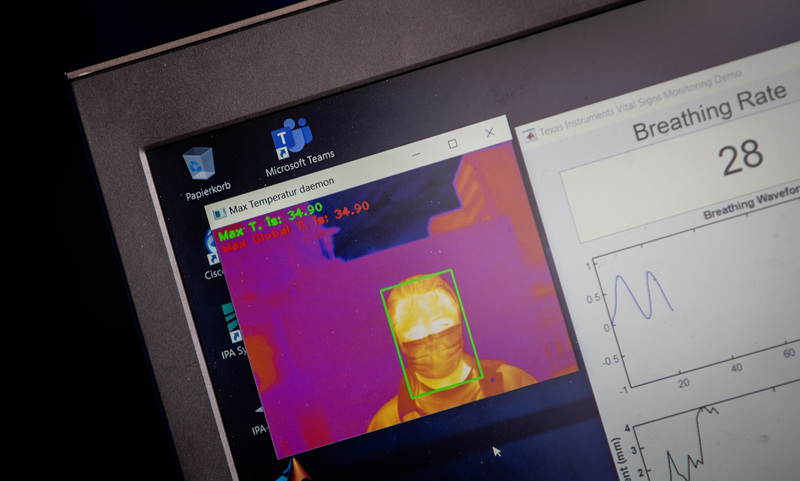
    The test measures not only body temperature using an infrared camera but also heart and breathing rates by way of microwaves. To this end, a radar module featuring a micro-Doppler method is used.

     © Robert Bosch Hospital/Christoph Schmidt
    Detail of test evaluation with infrared image of the face and breath.

    The research team is now examining on site whether and how precisely the testing procedure correlates with the data collected from hospital staff in the entrance area and whether the procedure is practical. The test was developed within a matter of weeks and should play a part in curbing the coronavirus pandemic as quickly as possible: A team headed up by Dr. Urs Schneider, a medical professional who works at Fraunhofer IPA, has many years of experience in areas such as occupational health and safety, medical technology, image processing and object recognition. As a result, it has an excellent grasp of all the necessary testing procedures.

    © Robert Bosch Hospital/Christoph Schmidt
    Dr. med. Urs Schneider from Fraunhofer IPA explains the test procedure.

    The staff at the Fraunhofer Institute for Industrial Engineering IAO are responsible for ensuring the ideal process integration of Fraunhofer IPA’s technological innovation. In this context, the scientists are analyzing its usability for hospital staff and patients as well as, above all, movement patterns of patients and treatment chains using a contactless movement sensor. The aim is to soon integrate this technology into the hospital’s admission process.

    The medics, engineers and labor organization experts have now applied their expertise to help in the efforts to deal with the coronavirus crisis. They have put together a prototype at an astonishing speed. They have even considered data protection: The patients’ data is not stored but rather anonymously documented on a paper spreadsheet.

    Initial tests successful

    The first trial run is now being carried out in conjunction with Dr. Christoph Wasser, who is Medical Director ER at the Robert Bosch Hospital. The automated examination is as quick as the usual procedure. It remains to be seen whether fewer staff are also required to carry out the procedures. There is huge interest in the mobile “access checker”. Other institutes such as Tübingen University Hospital and several coronavirus screening checkpoints in the area are also keen to use the new test method. Fraunhofer IPA plans to build four more systems within just two weeks and has also applied for a patent. Schneider says: “We are convinced that we have developed a sound concept that can also be used when the coronavirus crisis is over.” He highlights that the test can be used not only by hospitals and care homes but also at airports and other important establishments. After all, the world will always suffer pandemics.

    For more information visit the Fraunhofer IPA website.