User Group: Researcher

  • AI GameDev: new deadline for applications

    AI GameDev: new deadline for applications

    AI GameDev is Europe’s first competition that aims to facilitate technology and knowledge transfer from European AI research to the many possible applications in game development. Together with games publisher Square Enix and venture capital firm IT-Farm, Cyber Valley calls for start-ups and scientists who think their ideas could contribute to, or whose work focuses on, developing the most exciting artificial intelligence (AI) technologies for the entertainment and gaming industry.

    You can find more info about the competition, the awards and deadlines on aigame.dev.

  • Frontiers of Knowledge Award for Bernhard Schölkopf

    Frontiers of Knowledge Award for Bernhard Schölkopf

    The methods they developed in artificial intelligence are “transforming the everyday world, improving fields as diverse as medical diagnosis, computer vision, natural language processing and the monitoring of climate change. Vapnik, Guyon and Schölkopf,” the citation continues, “have collectively performed ground-breaking research that transcends traditional boundaries in computer science, and deservedly rank among the world’s leading innovators.”

    The ceremony of the 12th and 13th editions of the BBVA Foundation Frontiers of Knowledge Awards, which was held at the Euskalduna Conference Centre in Bilbao, highlighted the value of science and culture in tackling the great global challenges facing humanity, above and beyond the pandemic; among them, the environmental emergency, a profound technological transformation, and the risk of new economic crises.

    Read the full story with words from Schölkopf here.

  • Wanted: new research group leaders

    Wanted: new research group leaders

    The Max Planck Institute for Intelligent Systems and the Cyber Valley initiative invite applications for positions of up to

    Three Independent Research Group Leaders

    The Max Planck Institute for Intelligent Systems (MPI-IS) seeks to understand the principles of Perception, Action and Learning in autonomous systems that successfully interact with complex environments and to use this understanding to design future systems. The institute takes a highly interdisciplinary approach that combines mathematics, computation, materials science, and biology.

    The institute is part of Cyber Valley, Europe’s largest research consortium in the field of artificial intelligence, with partners from science and industry. The state of Baden-Württemberg, the Max Planck Society, the Universities of Stuttgart and Tübingen, the Fraunhofer-Gesellschaft, as well as Amazon, BMW AG, Daimler AG, IAV GmbH, Dr. Ing. h.c. F. Porsche AG, Robert Bosch GmbH, and ZF Friedrichshafen AG are partners of this initiative. Cyber Valley is a leading center for AI research, bringing together partners from science and industry to create a world-leading hub for research on intelligent systems and to establish an ecosystem for startups in the field of artificial intelligence.

    We are looking for outstanding candidates to establish up to two new independent Max Planck Research Groups at our institute’s Tübingen site and one independent Cyber Valley Research Group located at the Stuttgart site of the Max Planck Institute for Intelligent Systems. Candidates should have an exceptional international track record in research related to all aspects of intelligent systems.

    The group leader positions are at W2 level of the Federal Civil Service Remuneration Act (Bundesbesoldungsgesetz – BBesG). The successful applicants are provided considerable funds for personnel, equipment and running costs that enable the group leaders to flexibly engage in their independent research agenda. The Max Planck Research Groups are limited to a term of five years. Depending on the progress of the work and taking into account the financial possibilities and those under labor legislation, the employment can be extended at most twice, by two years in each case, on an individual basis according to scientific criteria and after a positive evaluation.

    The Max Planck Institute for Intelligent Systems is an equal opportunity employer dedicated to excellence through diversity and does not discriminate on the basis of age, race, sex, disability, sexual orientation, national origin, religion, marital status, gender identity, or any other non-job-related criteria. The MPI-IS recognizes the importance of a multicultural community of students, faculty, and staff who seek to advance our commitment to diversity. Committed to attracting and retaining diverse staff, the MPI-IS will honor your experiences, perspectives, and unique identity. Together, our community strives to create and maintain working and learning environments that are inclusive, equitable, and welcoming. The Max Planck Society wishes to increase the number of women in those areas where they are underrepresented. Women are therefore explicitly encouraged to apply. The Max Planck Society is committed to increasing the number of employees with severe disabilities in its workforce. Applications from persons with severe disabilities are expressly desired.
    For more detailed information, also regarding the research topics, we refer to the two job advertisements:

    The closing date for applications is November 14, 2021.

    Contact:

    Dr. Florian Mayer
    Max-Planck-Ring 4
    72076 Tübingen, Germany
    Email: applications@cyber-valley.de
    Phone: +49 7071 601 1501

  • Organ twin: a “flight simulator” for surgeons

    Organ twin: a “flight simulator” for surgeons

    While young surgeons’ training will always require the guidance and experience of a senior surgeon, artificial intelligence (AI) assisted training methods may one day provide valuable support. By drawing on data, such technologies could enhance training by complementing instruction with information on how a tumor could best be removed from healthy tissue.

    Until now, surgical education has been challenging at multiple levels: not only do young surgeons have limited time to practice, they must be supervised by senior surgeons whose schedules are often tight. At the same time, human tissue is hard to come by, and using animals to train students raises ethical concerns. Practicing on patients is also out of the question, as the risk of something going wrong or not meeting medical standards is too high.

    Development of artificial organs as training environment

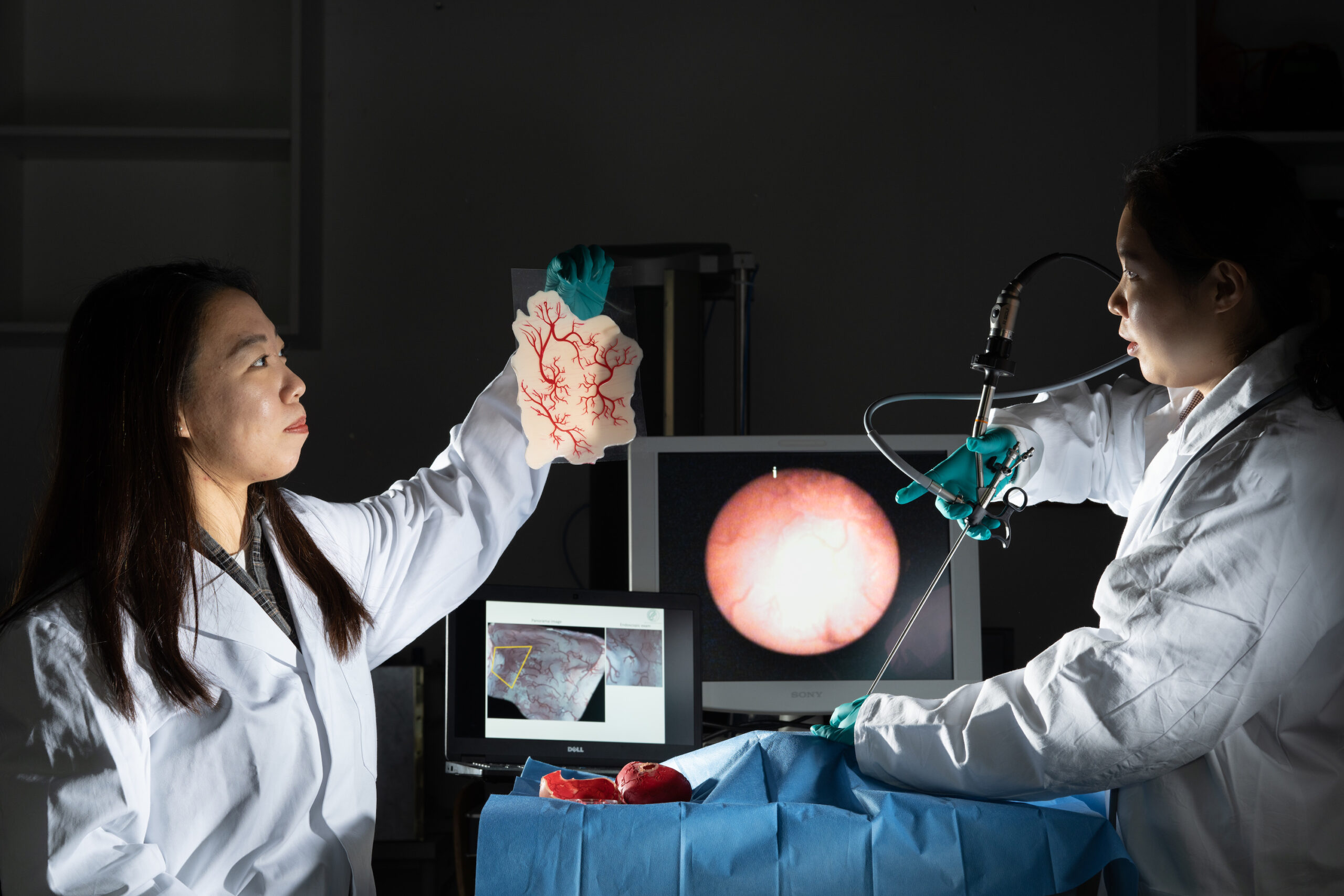
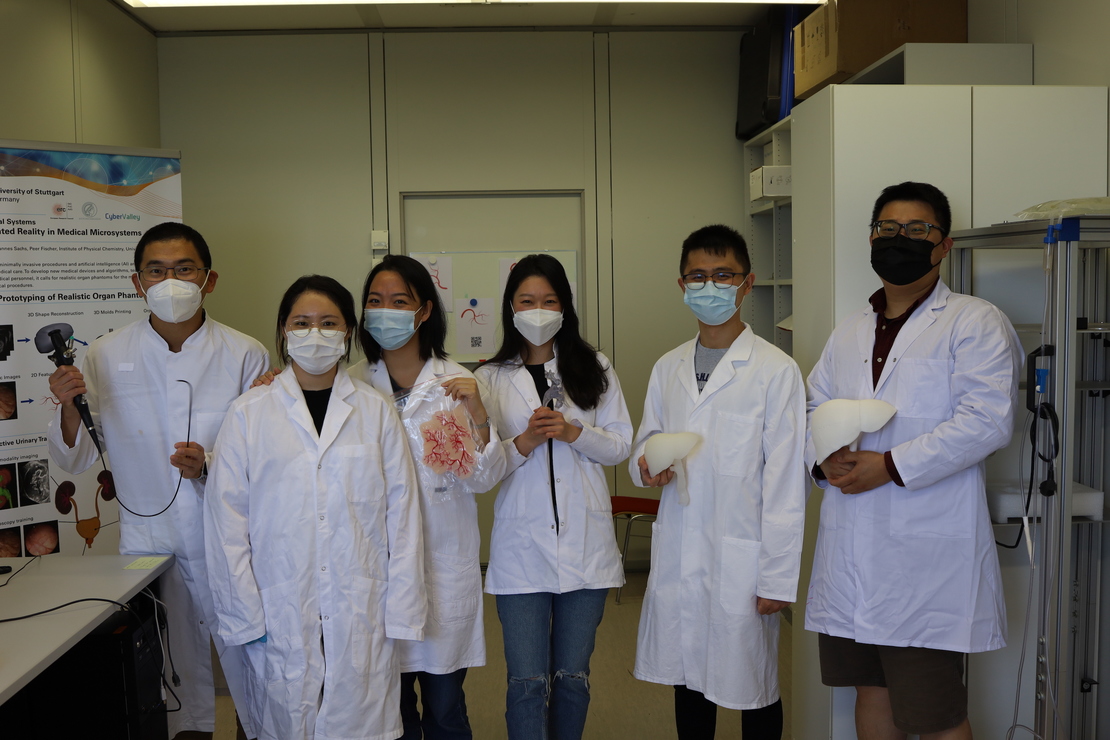
    In response to these challenges, researchers at the University of Stuttgart at the Institute of Physical Chemistry have created educational tools that could one day be used to train surgeons, much like flight simulators train pilots. The team, which comprises engineers and medical doctors, have developed a range of artificial organs – among them a liver, a kidney, and a bladder. With these artificial organs, the scientists aim to create a training platform that provides high-fidelity surgical scenes and a quantitative and objective assessment of a trainee’s skills in real time. Ultimately, the scientists want to develop organs that are easily reproducible and standardized, as this would enable their use in the training of surgeons around the world.

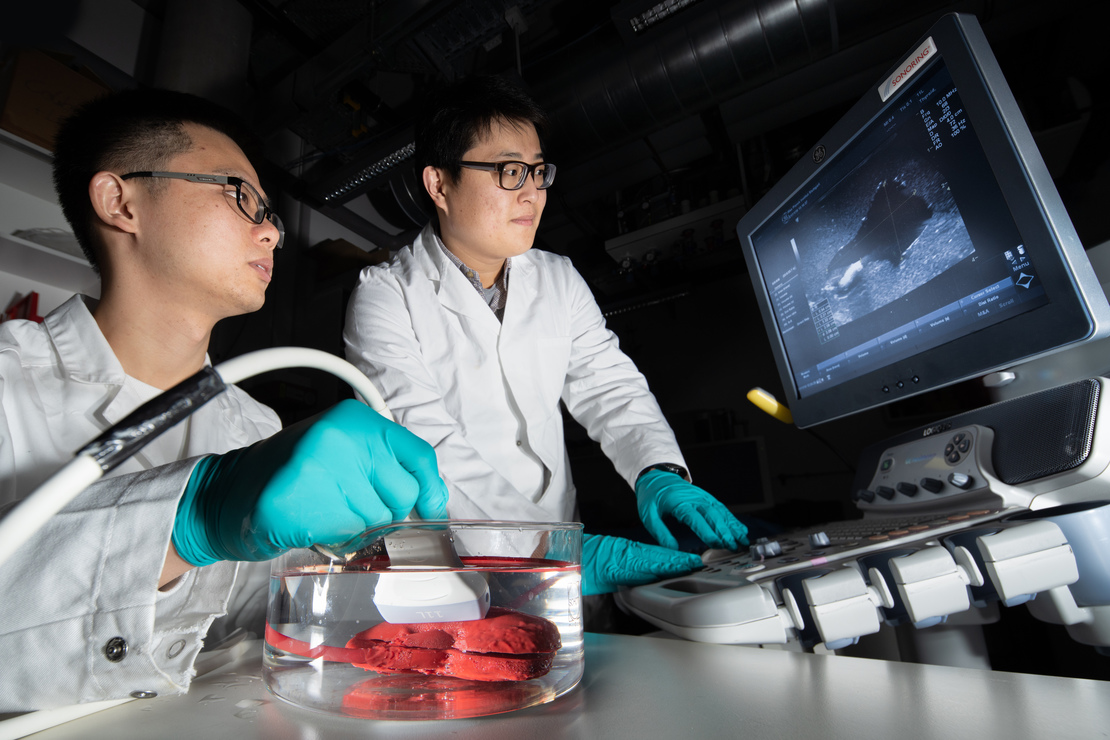
    The artificial organs are known as cyber-physical organ twins, which are physical systems combined with virtual features. The consistency of the tissue, the anatomy, the haptic perception, even the look of the tiny blood vessels are very similar to natural organs. Additionally, sensors measure a range of parameters, including the surgeon’s fine motor skills when moving an endoscope through the organ, whether a needle has punctured correctly at the required location, or the time needed to localize all the tumors. An open-source algorithm that is also applied in self-driving cars to distinguish between objects has been re-trained to detect the lesions, such as carcinomas or kidney stones. Once the endoscope reaches the realistic target, the trainee can simulate a biopsy of the protrusion and try to improve the accuracy and efficiency with each session. All the while, data is collected that would not otherwise be available, even in a real surgical procedure on a patient.

    Training environment makes evaluation of operations possible

    “If we look at computer vision or natural language processing, the data is very rich and structured. But in the area of biomedicine, especially in surgeries, data collection is very difficult. How can the quality of a surgical procedure be quantified? A real-life surgery happens in an environment in which collecting real-time data is almost impossible,” says Tian Qiu, leader of the Cyber Valley Biomedical Microsystems research group at the University of Stuttgart. The group, which focuses on integrating hardware with AI, develops tools that collect large amounts of data in biomedicine in order to learn from it and improve minimally-invasive surgical tools and procedures. The team collaborates closely with physicians from the university hospitals in Freiburg and Tübingen.

    “As we aim to enhance the field of biomedicine with artificial intelligence, we combine physical systems with virtual features. This enables us to collect data on surgical skills. Experienced surgeons lay the foundation and then we compare their skills with those of future surgeons. In each training session, we visualize a trainee’s data, assess how the surgery was performed, and evaluate which skills need to be improved,” says Tian Qiu.

    The team recently published the results of its work in three journal papers and one conference paper. In one of these papers, they present a soft liver phantom that can assess how well an endoscopic inspection and tumor biopsy is performed inside the hollow biliary ducts that weave through the liver. Creating a realistic soft liver replica is a challenging task. “Our organ phantoms offer much more objective evaluations and feedback, much better than virtual reality simulators can, for instance,” says Xiangzhou Tan, who is a physician at the University Hospital Tübingen and brings medical expertise to the Biomedical Microsystems group.

    Manipulating an endoscope, a long and thin instrument, equipped with a miniature camera at the tip, operated outside the patient’s body, is another important part of a surgeon’s training. “One prototype we developed can measure specific endoscopic controlling skills,” explains Do Yeon Kim, a Ph.D. student and engineer in the group. “When a trainee navigates through an organ, many factors are considered. For instance, they must assess how long it takes them to screen all areas inside the organ and make sure they haven’t missed anything and that they have detected all the tumors in a reasonable amount of time.” To evaluate manipulation skills, Do Yeon Kim trained the algorithm with data that experienced doctors provided. A trainee’s performance is then measured against these thresholds. “One could say we have created an advanced flight simulator for surgeons.”

    References of recent publications on the topic of cyber-physical organ twin:

    1. Liver phantom and needle puncture skill assessment
      Tan, X., Li, D., Jeong, M., Yu, T., Ma, Z., Afat, S., Grund, K.-E. & Qiu, T. Soft Liver Phantom with a Hollow Biliary System, Ann. Biomed. Eng. 2021. https://doi.org/10.1007/s10439-021-02726-x
    2. Bladder phantom with blood vessels and tumors for endoscopy
      Choi, E., Waldbillig, F., Jeong, M., Li, D., Goyal, R., Weber, P., Miernik, A., Grüne, B., Hein, S., Suarez-Ibarrola, R., Kriegmair, M. C. & Qiu, T. Soft Urinary Bladder Phantom for Endoscopic Training. Ann. Biomed. Eng. 2021. https://doi.org/10.1007/s10439-021-02793-0
    3. Endoscopic training and skills assessment
      Tan, X., Kim, D. Y., Jeong, M., Li, D., Miernik, A. & Qiu, T., Computer-Assisted Quantitative Assessment of Endoscopic Skills based on a High-fidelity Endourological Phantom. Under revision.
      Kim, D. Y., Tan, X., Jeong, M., Li, D. & Qiu, T., Computer-Assisted Quantitative Assessment of Endoscopic Skills based on a Urological Phantom. 55th DGBMT Ann. Conf. on Biomed. Eng. Accepted.
  • NoBIAS Summer School 2021

    Die Liste der Referent:innen umfasst:

    • Krishna Gummadi,
    • Ricardo Baeza-Yates,
    • Alexandra Olteanu,
    • Stephanie Law,
    • Mathias Niepert,
    • Hinrich Schuetze,
    • Katharina Kinder-Kurlanda
    • und Annette Zimmermann.

    Termin: 20.–22. September 2021, ab 9:30 Uhr CEST.

    Die Anmeldung ist kostenlos. Sie können sich für eine, zwei oder alle drei Sitzungen anmelden. Einzelheiten zur Anmeldung, den detaillierten Zeitplan sowie Informationen zu den Abstracts und den Referent:innen finden Sie unter https://nobias-project.eu/index.php/nobias-summer-school/.

  • Machine learning improves biological image analysis

    Machine learning improves biological image analysis

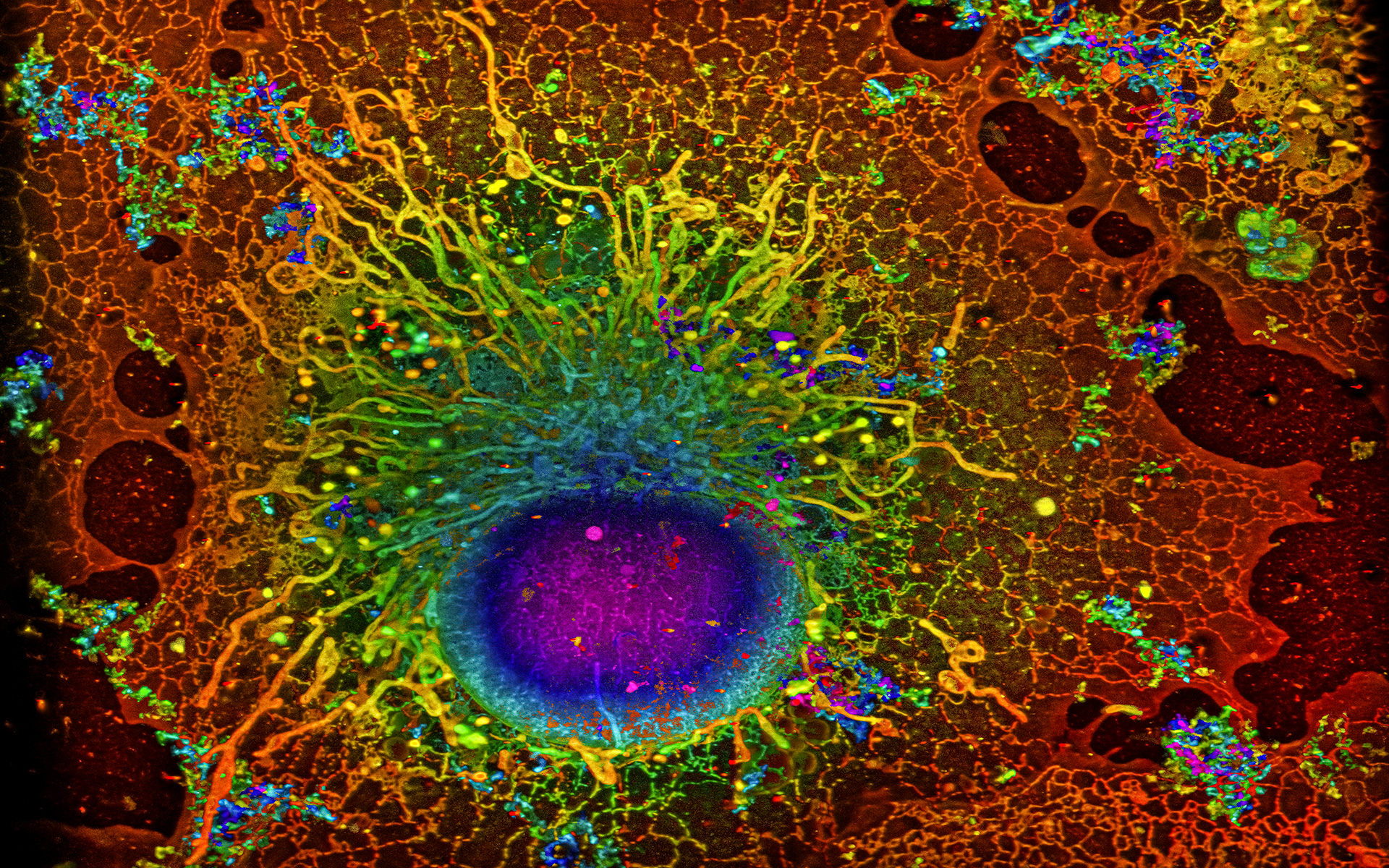
    Scientists use super-resolution microscopy to study previously undiscovered cellular worlds, revealing nanometer-scale details inside cells. This method revolutionized light microscopy and earned its inventors the 2014 Nobel Prize in Chemistry. In an international collaboration, AI researchers from Tübingen have now developed an algorithm that significantly accelerates this technology.

    Single-molecule localization microscopy (SMLM) is a type of super-resolution microscopy. It involves labelling proteins of interest with fluorescent molecules and using light to activate only a few molecules at a time. Using this trick, multiple images of the same sample are acquired. To create a meaningful picture, a computer program unscrambles the data and compiles the complete image. While the technique can be used to locate molecules with high precision, it has one major drawback – it requires scientists to acquire a large number of images, which makes the process very time-consuming.

    In an international collaboration, the team of Jakob Macke, Professor for Machine Learning in Science at the University of Tübingen, has developed a new algorithm that overcomes this limitation of SMLM. The joint work with the Ries Group at the European Molecular Biology Laboratory (EMBL) Heidelberg and Dr. Srinivas Turaga’s team at Janelia Research Campus (Virginia, USA) was published in Nature Methods.

    Deep learning enables highly accurate single-molecule localisation

    The DECODE (DEep COntext DEpendent) algorithm is based on deep learning: It uses a neural network that learns from training data. Instead of using real images, however, the network in this case is trained with synthetic data generated by a numerical simulation. By incorporating information about the microscopic setup and the imaging physics, the researchers achieved simulations that closely matched real-world acquisitions. “The neural network that we trained using simulated data can thus also detect and localize fluorophores in real images,” explains Artur Speiser, who, together with Lucas-Raphael Müller, was the lead author of the paper.

    One of the benefits of DECODE is that it accurately detects and localizes fluorophores at higher densities than were previously possible. This means that fewer images are needed per sample. As a result, imaging speeds can be increased up to tenfold with minimal loss of resolution. In addition, DECODE can quantify uncertainties – so the network itself can detect when it is unsure of its localization.

    Interdisciplinarity expands the perspectives of research

    “This work is indicative of the approach of our Cluster of Excellence ‘Machine Learning: New Perspectives for Science’”, Macke says, whose chair is part of the Tübingen cluster. “We originally developed the ideas underlying the machine learning approach in a very different context, but through collaborating with experts in computational microscopy we were able to turn them into powerful methods for analyzing SMLM data.”

    The team has also built a software package which implements the DECODE algorithm. “The software is simple to install and free to use, so we hope it will be useful for many scientists in the future”, adds Dr. Jonas Ries from EMBL.

    Contact:

    Prof. Dr. Jakob Macke
    University of Tübingen
    Cluster of Excellence – Machine Learning for Science
    jakob.macke@uni-tuebingen.de

  • Geckos glide, crash-land, but don’t fall thanks to tail

    Geckos glide, crash-land, but don’t fall thanks to tail

    Geckos’ impressive climbing abilities give them agility rarely surpassed in nature. With their highly specialized adhesive lamellae on their feet, geckos can climb up smooth vertical surfaces with ease and even move on a ceiling hanging upside down. Their ability to run on water adds is another superpower. Now another can be added.

    A scientific study published on September 2nd 2021 in Nature Communications Biology by researchers who work at the intersection between robotics and biology shows the geckos are capable of even more. In the publication titled Tails stabilize landing of gliding geckos crashing head-first into tree trunks, the authors Rob Siddall, Greg Byrnes, Robert Full, and Ardian Jusufi present footage showing that geckos with no major specializations for flight are in fact capable gliders. Experiments with a gecko-inspired robot confirm the reptile’s locomotion abilities are not entirely down to its feet. The tail plays just as much a pivotal role, the team from the Max Planck Institute for Intelligent Systems in Stuttgart, Siena College in New York, and the University of California at Berkeley discovered.

    In their work, the scientists begin by showing that the multi-talented lizard known as Hemidactylus platyurus is capable of gliding. In its natural habitat, it lives in trees and can jump many meters from one tree trunk to the next to avoid predators. When trees are close and the jump is short, the gecko is still accelerating so that everything between jump and landing happens at the blink of an eye. The gecko experiences an unbraked collision. Surprisingly, the gecko can cope with smashing full-on into a tree trunk.

    Ardian Jusufi, who initiated the study, set up several experiments in a wildlife reserve in the rainforests of Singapore. At the Max Planck Institute for Intelligent Systems, he leads the Cyber Valley research group “Locomotion in Biorobotic and Somatic Systems”. He has spent many years investigating geckos and their many locomotion abilities. In the tree canopy, Jusufi explored a situation where reptiles both with and without a tail face the challenge of a short accelerating glide.

    Placed on a platform seven meters above the ground, a tail-equipped gecko leaps down into the deep and glides to a nearby tree. High-speed cameras capture the fall and show that the jumping gecko reaches 6 m/s, just over 21 kph. Unlike a car that would be heavily dented after driving into a tree at this speed, the footage shows the gecko lands on the trunk without falling off. It moves away as if nothing happened. With tailless animals, it was quite the opposite. Geckos who had naturally lost their tails couldn’t maintain their grip after the crash and, consequently, fell off the tree trunk after landing.

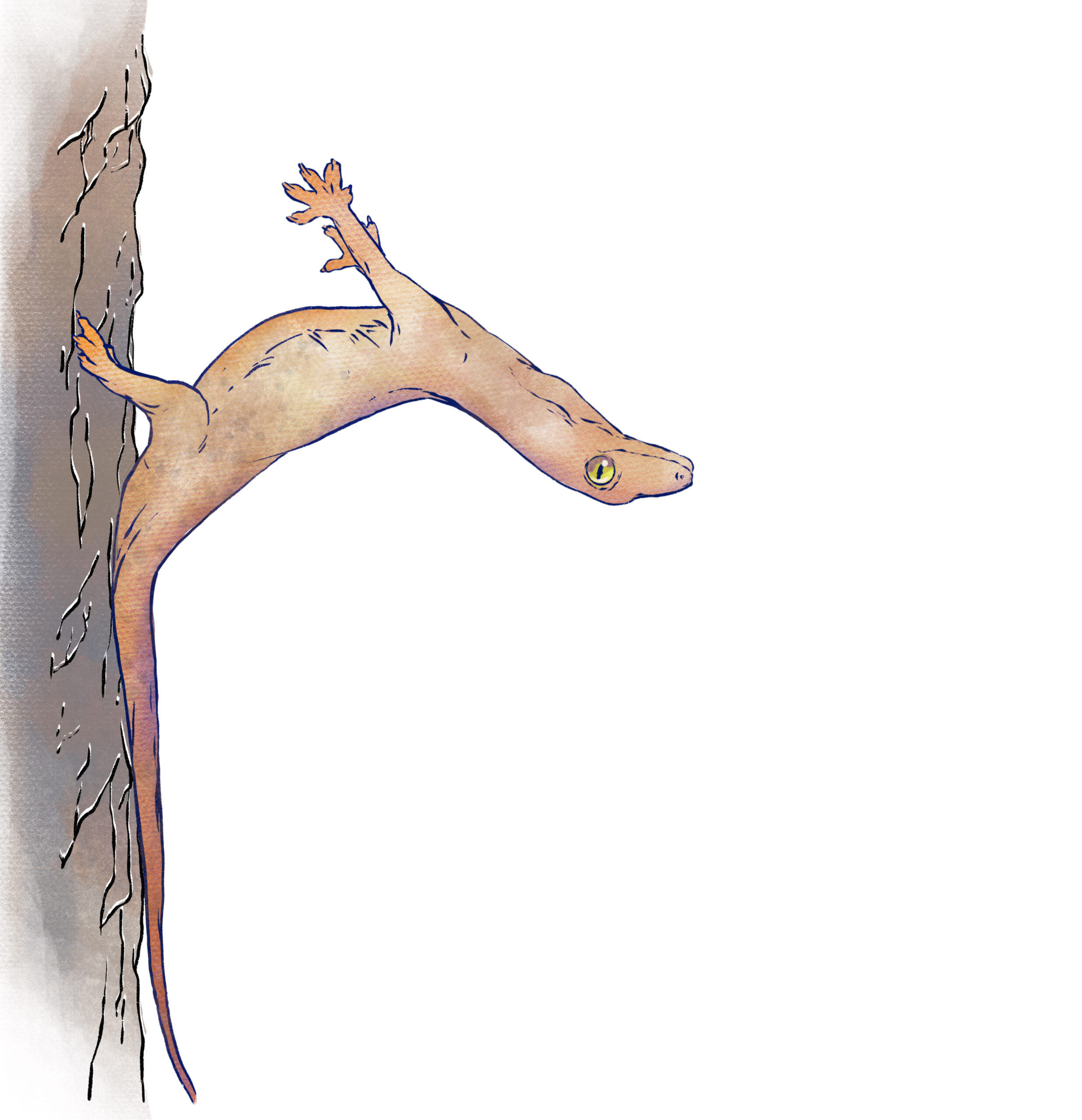
    As can be seen in the corresponding video, the mechanism the animal applies to cushion the impact is bending its torso backward as far as 100 degrees. During the bend, the front feet lose grip. Only the rear legs remain attached. This pitch-back of the torso dissipates energy as it pushes the tail hard into the trunk. Animals that have lost tails could not dissipate sufficient energy and fell. The tail acts as a fifth leg, helping the gecko stabilize after the impact, they believed. But without a control experiment can one conclusively show that the tail has this stabilizing effect? Hence, they set off to the lab.

    The scientists created a physical model of a gecko to better understand the forces the animal experiences. Their gecko-inspired robot features a soft torso, where the tail can be taken off and put back on. When the front foot hits a surface, the robot is programmed to bend its tail just like the reflex that Jusufi discovered previously in climbing geckos. The information is processed via a microcontroller on the shoulder. This signal activates the motor to pull on a tendon and hence pushes the tail into the wall to slow the head over heels pitchback.

    Back in the Locomotion in Biorobotic and Somatic Systems lab, Robert Siddall and Ardian Jusufi began by catapulting a soft robotic lizard onto a wall with an embedded force-sensitive scale (the simulated tree trunk) which is lined with felt, to which the robot’s Velcro-lined feet can stick. The robot hit the force plate as abruptly as the geckos hitting the tree, tilting back its torso at a right angle to the surface. The roboticists then measured the force the front and back feet of the robot endured upon impact. The longer the tail, they discovered, the lower the force pulling the back feet away from the surface. The lower that force, the easier it is for the robot (and likely the animal) to hold on. Without a tail, however, the forces on the back feet become too high – the robot loses grip, bounces off, and falls. This experiment validated the scientists’ hypothesis that the tail is essential for the gecko to be able to stabilize itself on a vertical surface after colliding with it at high speed – findings that could make a significant contribution to robot landings and beyond.

    “This field discovery on the perching behavior of geckos has important implications for our understanding of tails as multi-functional appendages that animals can rely on. Ranging from inertial to contact tails, they facilitate the most extreme transitions, such as from gliding flight to collision with a wall,” says Ardian Jusufi, the senior and corresponding author.

    “One of the most dramatic transitions we can think of in multi-modal locomotion is to alight on a vertical surface from high-speed gliding flight to a standstill,” continues Ardian Jusufi.

    Larger gliding specialists appear to avoid engaging in short glides, as there is not sufficient vertical drop height to reach terminal velocity, stop accelerating, and begin a dedicated landing maneuver with a stall prior to impact. Smaller animals may be able to use mechanically mediated solutions to negotiate such situations.

    However, no one had ever quantified this amazing animal’s gliding behavior before. Such video material from the rainforest is hard to come by. “Our attempts to film the small, camouflaged lizard in the rainforest revealed a fall arresting response nobody thought these geckos could do and showed us their tails were entirely underestimated. Previously contact tails were thought to be used to maintain grip during rapid wall-running, while the findings presented here suggest that geckos exhibit exaptation of the behavior to improve the success of landing in the wake of their directed aerial descent,” says Jusufi.

    “With the robot, we were able to measure something we could not with geckos in the field. The wall reaction forces at the impact upon landing confirmed that the tail is an essential part facilitating the landing in subcritical glides. Our soft robotic lander not only helps to make an impact in another field, but it can also help improve robot locomotion by increasing robustness and simplifying control,” explains Ardian Jusufi.

    "Nature has many unexpected, elegant solutions to engineering problems – and this is wonderfully illustrated by the way geckos can use their tails to turn a head-first collision into a successful perching maneuver. Landing from flight is difficult, and we hope our findings will lead to new techniques for robot mobility – sometimes crashes are helpful," Robert Siddall describes.

    Gliding flight has evolved repeatedly in the Indomalayan lowland tropical rainforest of Southeast Asia.

  • Research Forum

    Research Forum

    Aufgrund der COVID-19-Beschränkungen wird der Workshop online (Zoom) abgehalten. Wenn Sie teilnehmen möchten, registrieren Sie sich bitte hier.


    Schedule
    14:00 Welcome
    14:05 – 14:15

    Prof. Achim Menges

    Institute for Computational Design and Construction, University of Stuttgart, IntCDC

    Title: Introduction to IntCDC

    Abstract: The vision of the Cluster of Excellence Integrative Computational Design and Construction for Architecture (IntCDC) is to harness the full potential of digital technologies in order to rethink design, fabrication and construction based on integration and interdisciplinarity, with the goal of enabling game-changing innovation in the building sector as it can only occur through highly integrative fundamental research in an interdisciplinary, large-scale research undertaking.

    14:15 – 14:35

    Prof. Dr.-Ing Cristina Tarín

    Institute for System Dynamics, University of Stuttgart, IntCDC

    Title: Co-Design for Architecture, Engineering and Construction using Bipartite Graphs

    Abstract: The architecture, engineering and construction (AEC) industry consists of several players from different domains. They usually work in a sequential process, which is slow, costly and problems are identified in late stages. Co-design helps to identify and predict problems in early stages throughout different domains such that the design, engineering, manufacturing and construction process can be improved. We present an approach to enable co-design using bipartite graphs, which are capable to integrate expert knowledge, physical models and machine learning models from different domains. The different models form a computational network, which allows e.g. the architect to automatically analyze the feasibility of manufacturing a design.

    14:35 – 14:55

    Prof. Dr.-Ing. Peter Middendorf

    Institute of Aircraft Design, University of Stuttgart, IntCDC

    Title: Data-driven approaches for fiber composites technologies and simulation

    Abstract: Fibre composites for lightweight and wide-span architecture applications are one research area within IntCDC. The technology focus is laid here on freeform winding using collaborative robotics and the respective winding path is generated in a co-design approach. Whilst this is a collaborative effort from a group of IntCDC PIs, there is also a growing activity of supporting data-driven approaches at the Institute of Aircraft Design to make use of various sensor data along the process chain of a composite structure and thus to overcome limitations of classical modelling and simulation techniques.

    14:55 – 15:15

    Tenure-Track Prof. Dr. Thomas Wortmann

    Chair for Computing in Architecture, Institute for Computational Design and Construction, University of Stuttgart, IntCDC

    Title: AI for AEC

    Abstract: Tenure-Track Prof. Wortmann will present examples of the rich opportunities to apply AI in the Architecture, Engineering and Construction (AEC) sector, including architectural design optimization, modelling design and construction processes, predicting wind flow around buildings, predicting the behavior of heterogenous materials, and adaptive robotic control. Ultimately, these applications contribute to a reimagining of how our built environment is planned and constructed, which is an urgent need in light of the impending climate catastrophe.

    15:15 – 15:35

    Dr. Nicole Ludwig

    Machine Learning in Sustainable Energy Systems, Cluster of Excellence Machine Learning: New Perspectives for Science, University of Tübingen

    Title: Forecasting Sustainable Energy under Uncertain Weather

    Abstract: The increasing share of sustainable energy generation in the electricity system comes with significant challenges. One of the main challenges is the volatility of sustainable energy generation, due to their dependency on the weather. To efficiently integrate sustainable energy into the grid, the expected electricity supply and demand have to be forecast accurately. In this talk I will introduce the challenges we face when forecasting weather-dependent energy supply and demand and how probabilistic machine learning can help alleviate some of these challenges.

    15:35 – 15:55

    Dr. Bedartha Goswami

    Machine Learning in Climate Science, Cluster of Excellence Machine Learning: New Perspectives for Science, University of Tübingen

    Title: Uncovering hidden structure in climate data

    Abstract: The last decades have witnessed an unprecedented increase in data related to climatic processes all around the globe, which contain till yet undiscovered mechanisms of how the climate functions and how it is currently changing. We present the idea of "climate networks," which allow us to reveal non-trivial patterns in databases of climate data, and reveal potentially new climatic mechanisms and connections that have not been studied till date. We will look at how climate networks are estimated, what they can do for us, and three examples of how they are used in practice. Towards the end, we will also talk briefly about other projects that are ongoing in the "Machine Learning for Climate Science" research group, in the hope that we find common interests for cross-pollination of ideas and efforts.

    15:55 – 16:15

    Prof. Dr. Thomas Scholten

    Chair of Soil Science and Geomorphology, Department of Geosciences, University of Tübingen

    Title: Machine Learning in Soil Science

    Abstract: Soils are the most important basis for our nutrition. Their quality determines the food security of the world. Machine learning methods help to determine the underlying soil properties and to predict their spatial distribution on Earth. The presentation will explain the underlying theoretical approach of state factors and address the concept of relevant range of scales for multi-scale contextual spatial modeling of soil properties. Further, I will show results from my research of different parts of the world and demonstrate the potential of data-driven models for geo- and environmental science.

    16:15 – 16:30 Wrap-up
  • AI & Gaming

    AI & Gaming

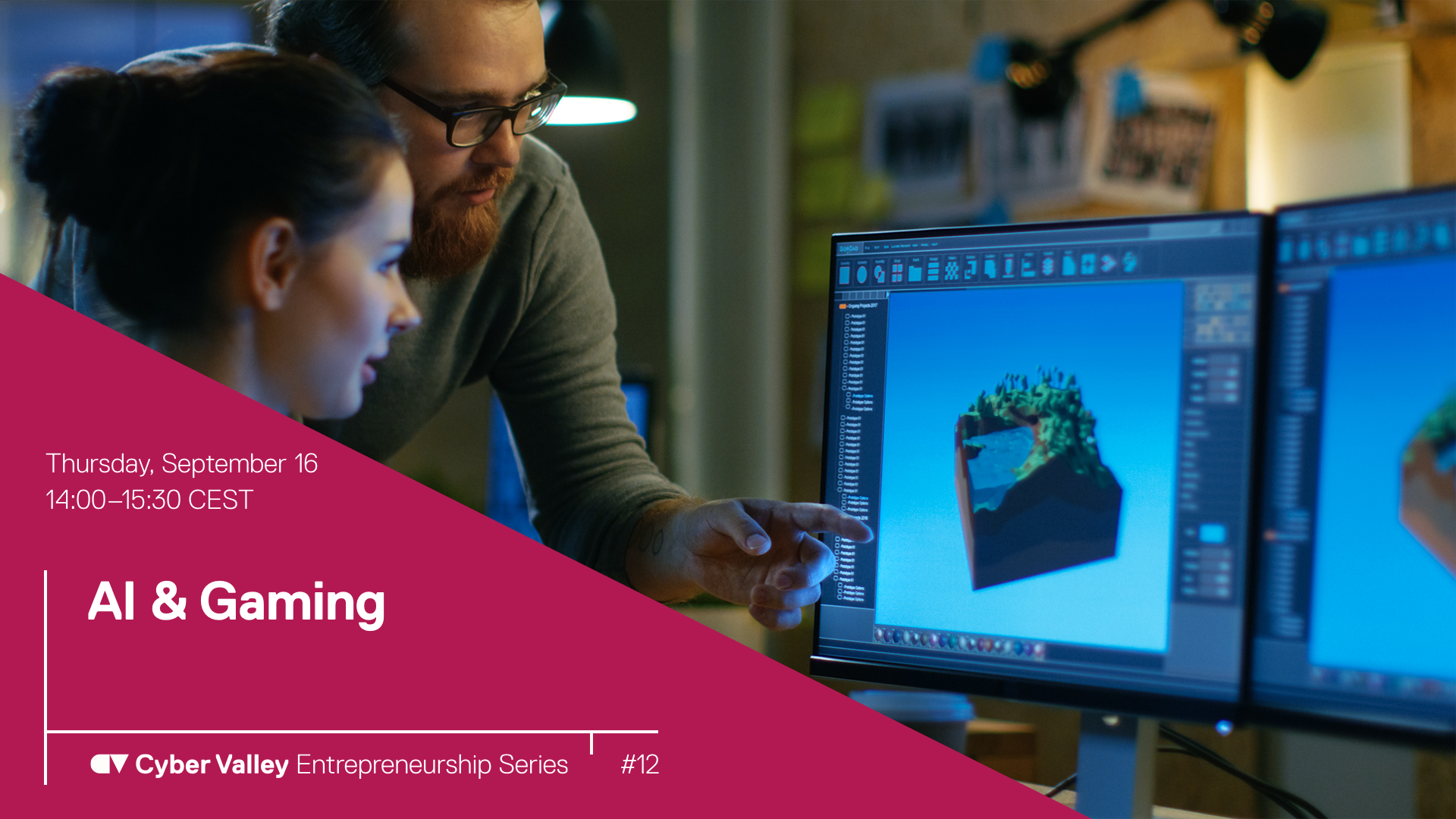
    Mit der kommenden Veranstaltung der Entrepreneurship Series zum Thema „AI & Gaming“ greift Cyber Valley dieses Potenzial auf. Bei der Veranstaltung diskutieren Wissenschaftler:innen über aktuelle Forschungsherausforderungen. Darüber hinaus werden Start-ups und Investor:innen ihre Erfahrungen und Praxisbeispiele teilen.

    Wissenschaftler:innen, Gründer:innen, Student:innen und alle, die sich für das Thema interessieren, sind herzlich eingeladen, am Donnerstag, den 16. September, von 14:00 bis 15:30 Uhr dabei zu sein.
     
    Wenn du KI-Expert:in und Spielefan bist, lies gern mehr über AI GameDev – Europas ersten forschungsgetriebenen Wettbewerb zur Verbesserung der Spieltechnologie – für KI-Wissenschaftler:innen und Start-ups. Wenn du deine Ideen in diesem Bereich einbringen und wertvolle Erfahrungen sammeln möchtest, kannst du dich bis zum 26. September 2021 bewerben.


    Sprecher:innen für dieses Event

    Ben Cole
    Entrepreneur und Creative Technologist, ehemaliger Head of Software for Technicolor MPC North America, Academy of Motion Picture Arts and Sciences Technical Achievement Award Gewinner

    Christian Becker-Asano
    Professor an der Hochschule der Medien & Direktor des Humanoid Lab

    Judith Baatz, Felix Krieglstein & Julia Mönch
    Wissenschaftliche Mitarbeiter:innen der Universität Stuttgart und TU Chemnitz, Projektteam BeeLife

    Fabian Schrodt
    Gründer & CEO Quantum Gaming GmbH

    Stefan Langefeld
    Investor & Start-up Mentor, ehemaliger Head of TV and Movies Central and Eastern Europe Apple Inc.


    Registrierung

    Bitte hier registrieren. Das Meeting findet via Zoom und in englischer Sprache statt.


    Kontakt

    Oliwia Gust – Cyber Valley Event Manager
    Telefon: +49 7071 601 1554
    Mobil: +49 151 4075 6302 
    E-Mail: oliwia.gust@cyber-valley.de